
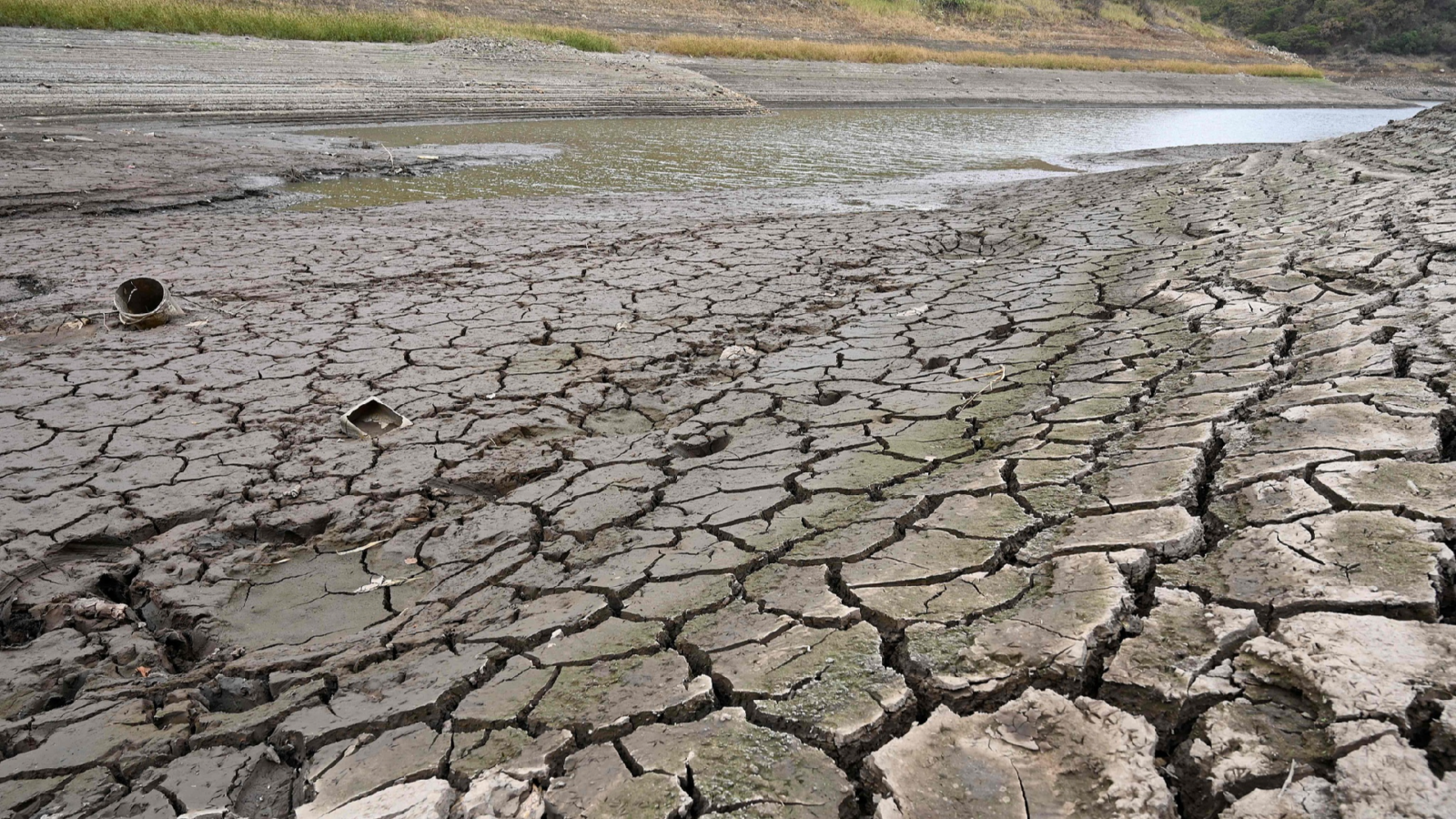
Pacific sea temperatures reached an all-time high in the Niño3.4 monitoring region in September as El Niño intensified.
Copernicus says 2026 could become the hottest year on record, with 2027 also at risk as stored ocean heat reaches the atmosphere.
The natural cycle is amplifying a warming trend caused by human greenhouse gas emissions.
Record Pacific Heat Raises Global Alarm
An intensifying El Niño has pushed sea temperatures in a key Pacific monitoring region to an all-time high and could make 2026 the hottest year ever recorded, according to the Copernicus Climate Change Service.
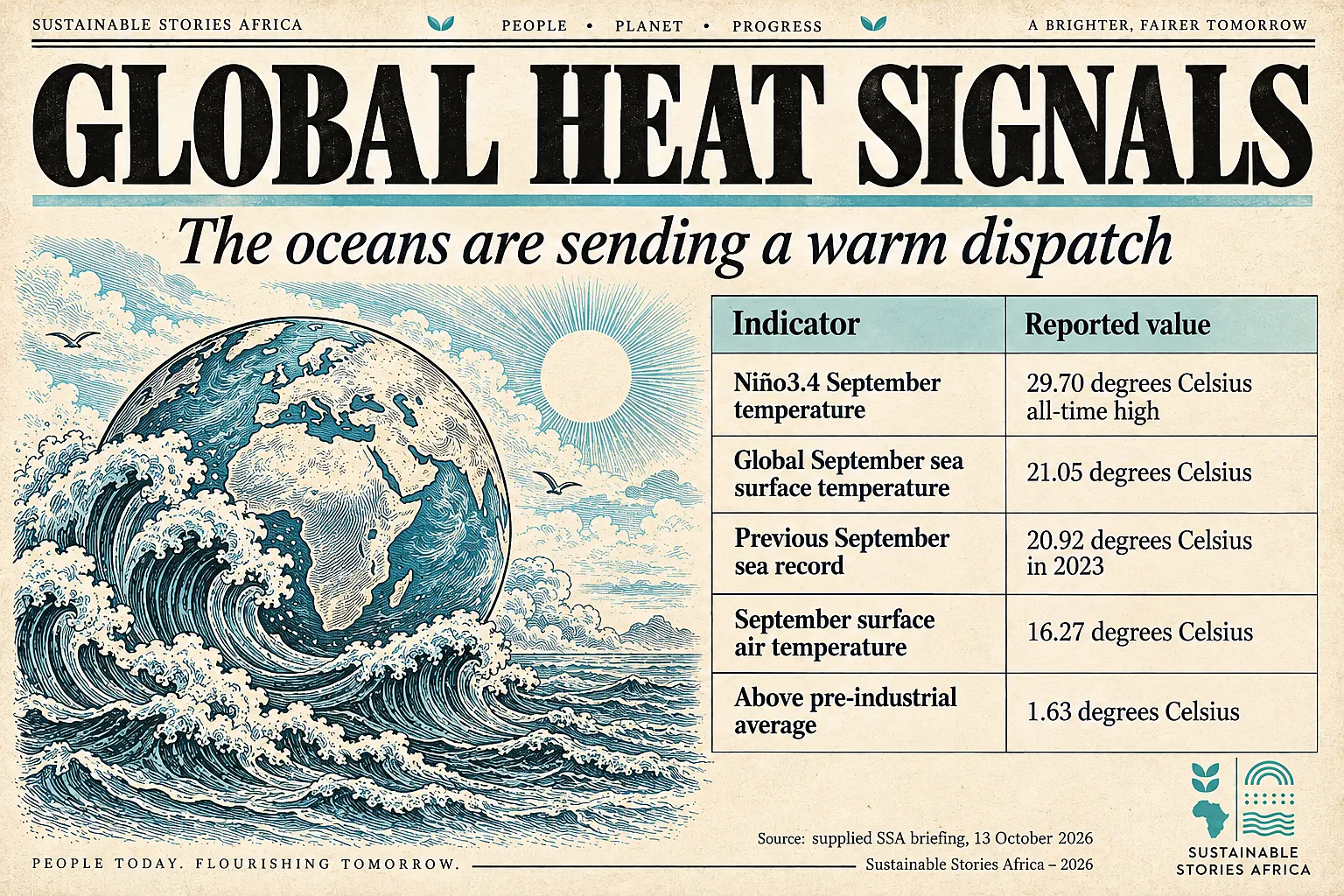
The Niño3.4 region reached 29.70 degrees Celsius in September, exceeding peaks recorded during the strong events of 1982-83, 1997-98 and 2015-16.
Copernicus director Carlo Buontempo cautioned that a warmer ocean baseline restricts comparison.
A newer index that adjusts for tropical ocean warming suggests the present event is very large, but not yet clearly stronger than every previous El Niño.
Ocean Indicators Signal Exceptional Climate Pressure
Global average sea surface temperature reached 21.05 degrees Celsius in September, above the previous September record of 20.92 degrees in 2023.
- Surface air temperature averaged 16.27 degrees, making September the second warmest observed.
- It was 1.63 degrees above the 1850-1900 pre-industrial average and marked a second consecutive month above 1.5 degrees.
- El Niño emerges every two to seven years and commonly lasts nine to 12 months.
It can shift rainfall and drought patterns worldwide, and its stored ocean heat may lift global temperatures further in the year after the event peaks.
African Impacts Will Vary Across Regions
For Africa, a strong El Niño does not produce one uniform outcome.
- Some regions may face suppressed rainfall while others experience heavy rain and flooding, and the timing can change across seasons.
- Governments should use national forecasts instead of importing a single global narrative.
- Food markets can also transmit climate shocks across borders through prices, even where local harvests remain stable.
- Energy systems may face higher cooling demand or reduced hydropower output.
These linked effects make coordination between meteorological services, ministries and regional bodies essential.
- A forecast has limited value if procurement, social protection and emergency operations cannot act on it.
Public communication should explain uncertainty without delaying practical preparedness.
Early Forecasts Can Reduce Preventable Losses
Early warning can still reduce harm even when climate signals cannot be stopped in the short term.
- African governments can prepare health systems for heat stress, protect water supplies, adjust agricultural advice and strengthen flood and drought readiness.
- Seasonal forecasts are most useful when they translate into local decisions and reach farmers, city authorities and emergency services in time.
The event also clarifies the difference between a temporary climate cycle and the long-term trend.
El Niño adds heat, but greenhouse gas emissions have raised the baseline on which the cycle now operates.
Local Preparedness Must Accompany Emissions Cuts
National meteorological services should issue locally specific updates and work with agriculture, health, energy and disaster agencies on trigger-based response plans.
Governments need contingency finance that can be released before losses escalate.
Cities should review heat protocols, drainage and electricity demand, while water managers test drought scenarios.
Internationally, countries must continue reducing fossil fuel emissions to shorten any overshoot above 1.5 degrees and limit future extremes.
Adaptation cannot substitute for mitigation, and global averages should not distract from uneven local risks.
Path Forward – What Climate Preparedness Must Deliver Now
Authorities should integrate global warnings into local forecasts, funded response plans and public guidance on heat, drought and flooding.
Early action will matter most where households have the least capacity to absorb losses.
The longer task remains rapid emissions reduction.
El Niño may determine the timing of a record year, but human activity determines the rising temperature baseline and the severity of risks carried into every future climate cycle.
Culled from: Super El Niño could make 2026 hottest year on record: Climate monitor