Morocco’s Universal Healthy Brain Centre is helping children with autism and other neurodevelopmental conditions receive personalised, multidisciplinary support.
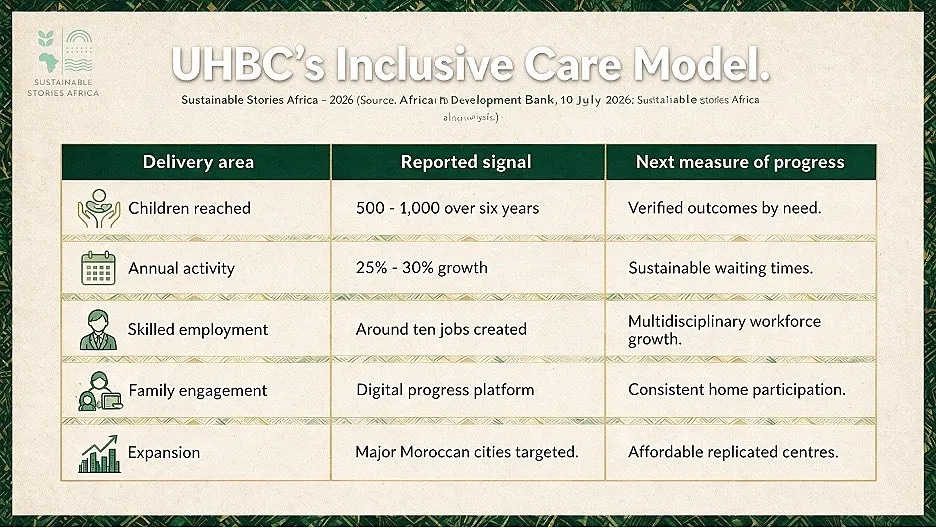
Backed by an entrepreneurship programme connected to African Development Bank financing, the centre has served between 500 and 1,000 children.
Its model shows how inclusive health, education, technology and enterprise support can work together around each child.
One Child Reveals Hidden Potential
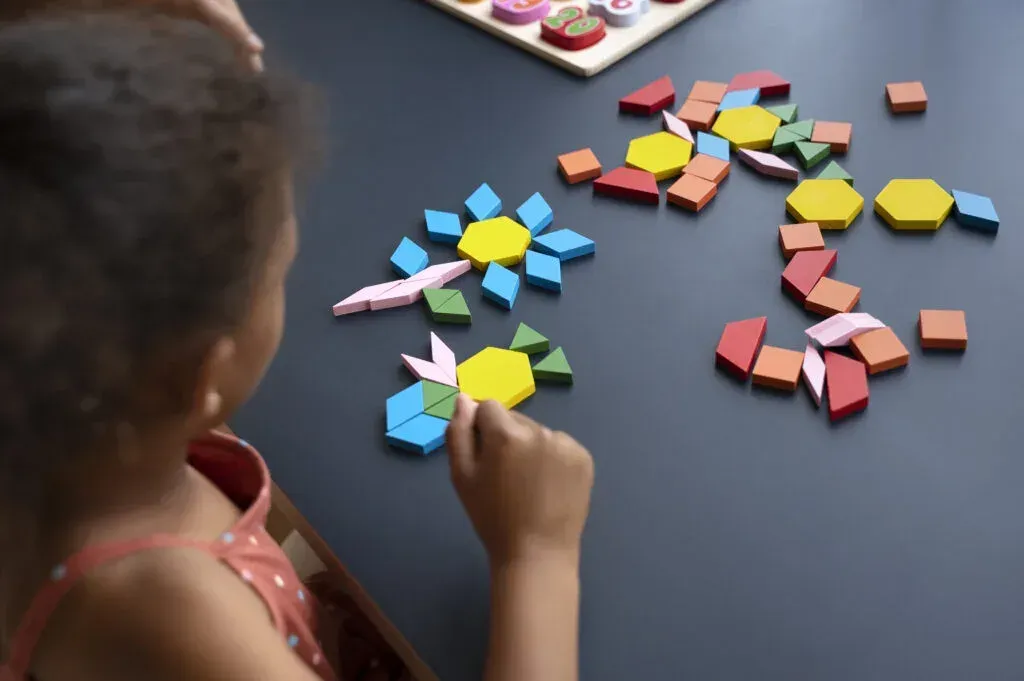
At the Universal Healthy Brain Centre in Témara, Morocco, eleven-year-old Ilyass quietly assembled colourful pieces into a complex, perfectly symmetrical structure.
Dr Khaoula Mammad, the centre’s neuropsychologist, calls him “our Einstein”, a child with mild autism whose logical ability had long been obscured by misunderstanding.
Ilyass’s mother, Soumaya, remembers teachers describing him as a daydreamer lost in his own world.
- After an individualised school programme, the family sought specialist support at UHBC.
- Within a year, the calls from school stopped; his teacher instead asked what had produced such visible progress.
The story reflects a wider challenge.
- Children with neurodevelopmental conditions can be misunderstood or misdiagnosed, delaying the support that could help them communicate, learn and participate.
Personalised Care Extends Beyond Clinics
UHBC supports children with autism, learning and language difficulties, developmental delays, and emotional, behavioural, cognitive and academic challenges.
Neuropsychologists, speech therapists, psychomotor therapists and educational specialists discuss cases together and design individual pathways.
Parents and teachers are part of the model.
- A digital platform lets families follow progress and learn techniques used in therapy, so support continues at home.
This 360-degree approach recognises that a child’s development is shaped across clinic, classroom and household.
The centre also grew as an enterprise.
- Morocco’s Intelaka programme helped Dr Mammad establish a professional facility, buy equipment and recruit a multidisciplinary team.
The African Development Bank supports the broader ecosystem through the €119 million Employment and Entrepreneurship Support and Financing Program in Morocco.
Early Support Changes Life Trajectories
Six years after opening, UHBC reports that between 500 and 1,000 children have benefited, with annual activity growing by 25% to 30% and around ten skilled jobs created.
The next ambition is to replicate the model in Morocco’s major cities.
Expansion could reduce the cost of delayed diagnosis and inappropriate care.
- Children gain a better chance to learn and build independence; parents receive practical support; schools become more inclusive; and health systems avoid repeated interventions that do not fit the child.
Growth, however, must preserve quality.
- Replication requires trained specialists, evidence-based assessment, safeguarding, data privacy and pricing that does not exclude low-income families.
Inclusion Requires Systems Around Families
Morocco should connect specialist centres with schools, primary healthcare and social-protection services so families do not navigate fragmented systems alone.
Public and private funders should support workforce development, early screening and outcome evaluation.
UHBC should document which interventions work for different needs and publish an affordability model before expansion.
Digital tools must be accessible, consent-based and secure, especially when they contain sensitive information about children.
Path Forward – Every Child Needs Coordinated Support Systems
UHBC’s experience shows that inclusion becomes practical when clinical expertise, education, family participation and enterprise finance align around the child.
Scaling the model should prioritise quality, affordability and evidence.
Morocco can turn one centre’s success into a broader pathway through which neurodivergent children are understood early and supported to pursue their own ambitions.
Culled from: In Morocco, the Universal Healthy Brain Centre Unlocks the Potential of Children with Autism