New study finds 3.79 billion people could face extreme heat by 2050, urging rapid deployment of sustainable cooling and urban adaptation.
January 28, 2026
Scientists propose a five-point checklist to ensure nature-based carbon credits are verifiable, additional, and enforced, aiming to protect market credibility.
January 28, 2026
Business and governance leaders argue global ESG rules must be adapted to African institutional capacity to secure finance, trade access and competitiveness.
January 27, 2026
Africa secures about 25% of required climate funding, leaving a hundreds‑of‑billions annual shortfall that hinders adaptation, energy transition and resilience.
January 27, 2026

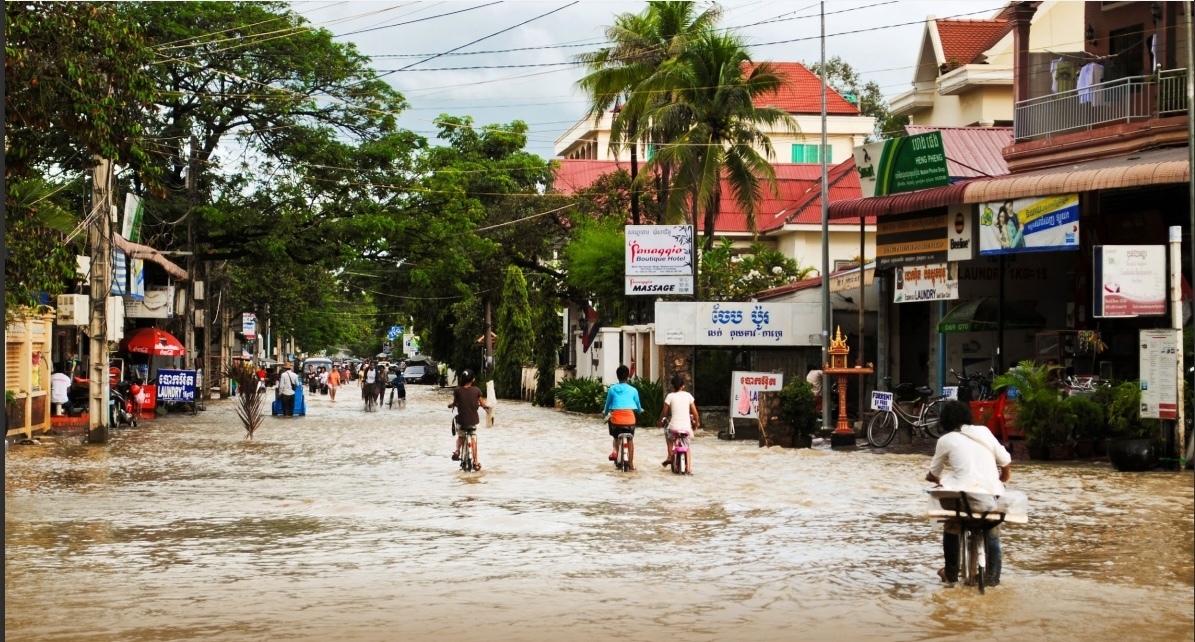
New study finds 3.79 billion people could face extreme heat by 2050, urging rapid deployment of sustainable cooling and urban adaptation.

Scientists propose a five-point checklist to ensure nature-based carbon credits are verifiable, additional, and enforced, aiming to protect market credibility.

Business and governance leaders argue global ESG rules must be adapted to African institutional capacity to secure finance, trade access and competitiveness.

Africa secures about 25% of required climate funding, leaving a hundreds‑of‑billions annual shortfall that hinders adaptation, energy transition and resilience.

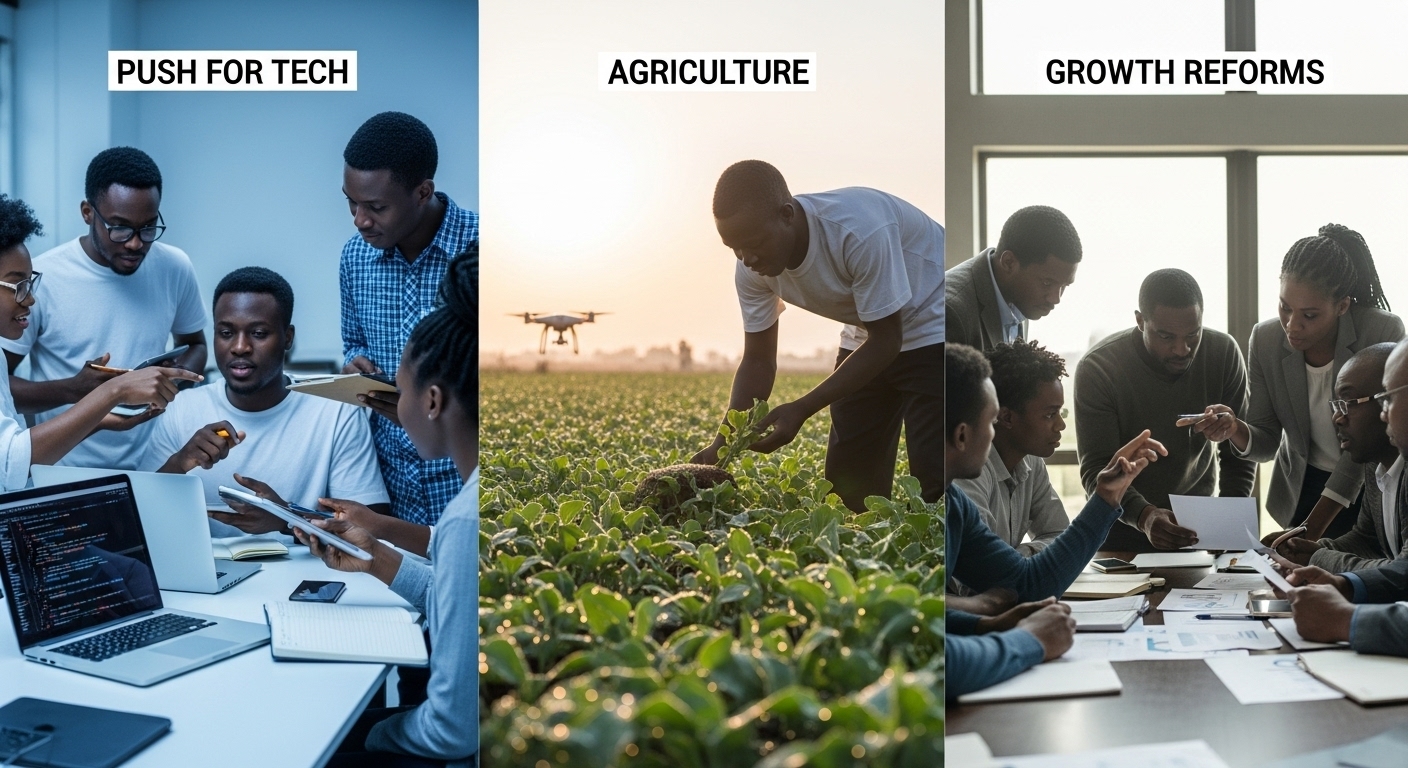
Emerging markets face rising youth labour supply amid slower growth, automation, and education mismatches, risking higher unemployment and social instability without coordinated reforms.

Sahara Group awarded $12,000 each to three University of Lagos academics through its 2025 MAD Grant to scale entrepreneurship, digital skills, and governance programmes.

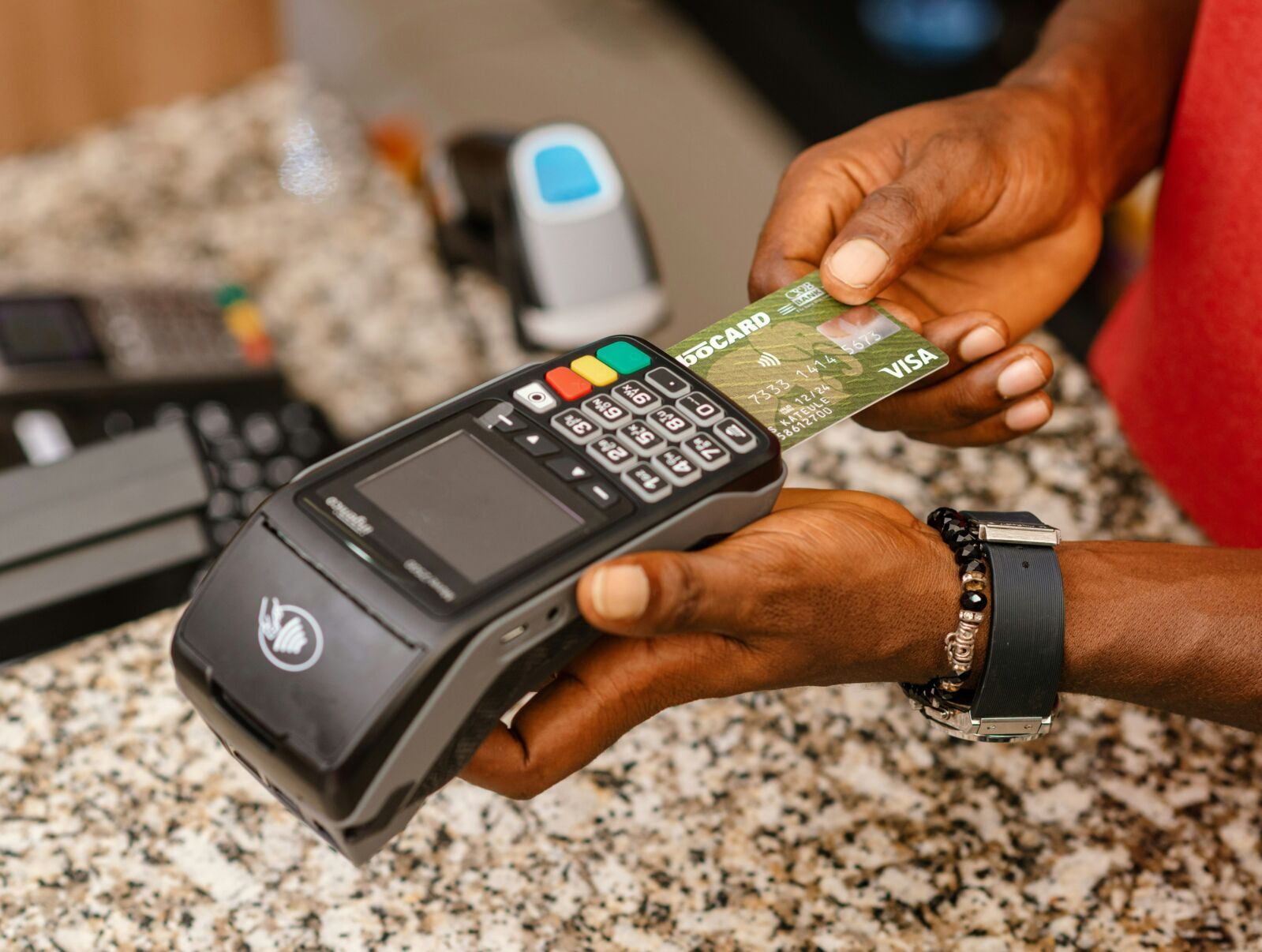
More than 200 million migrant workers send money home annually, creating one of the most powerful but under-appreciated financial flows in global development.

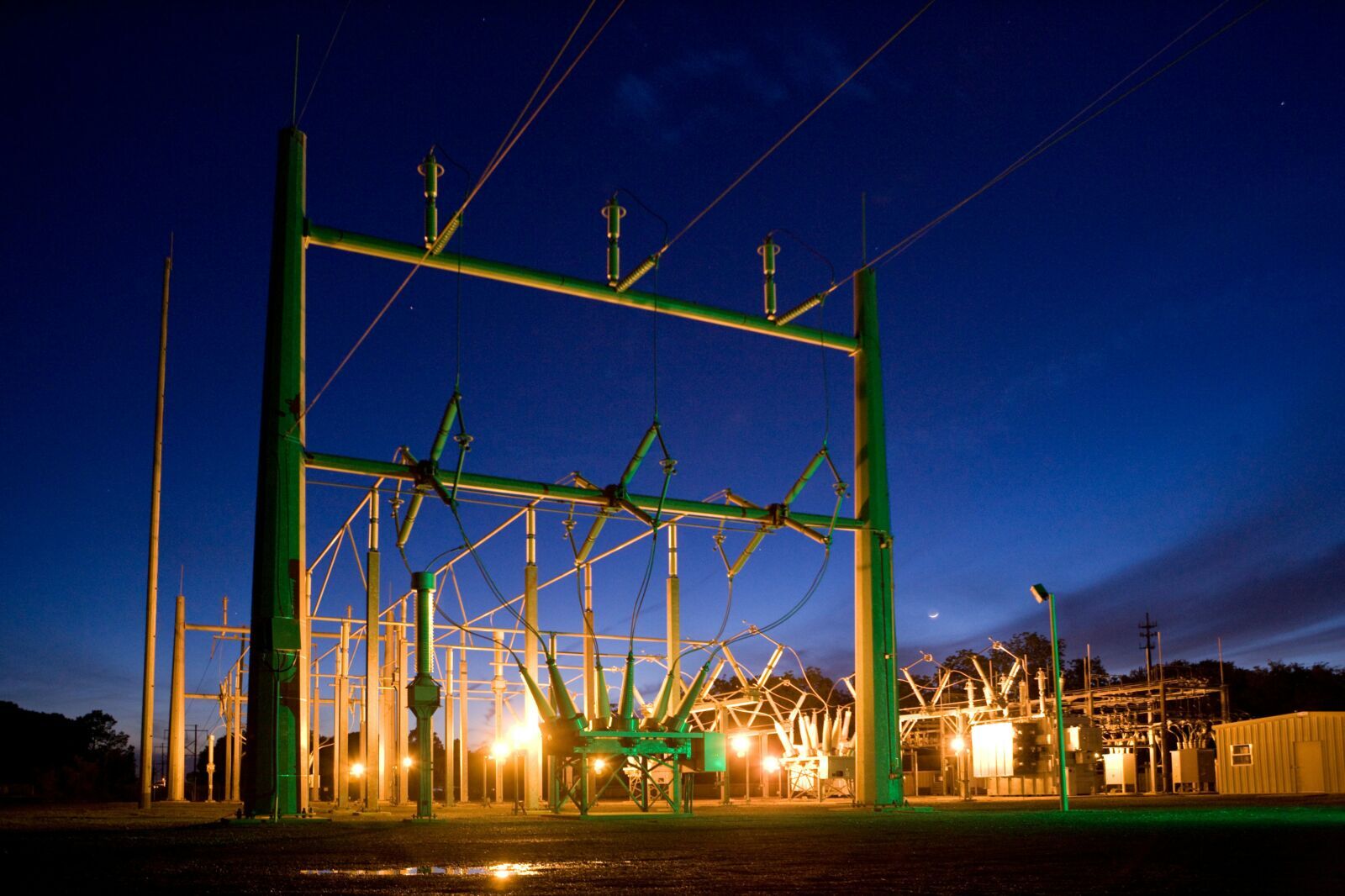
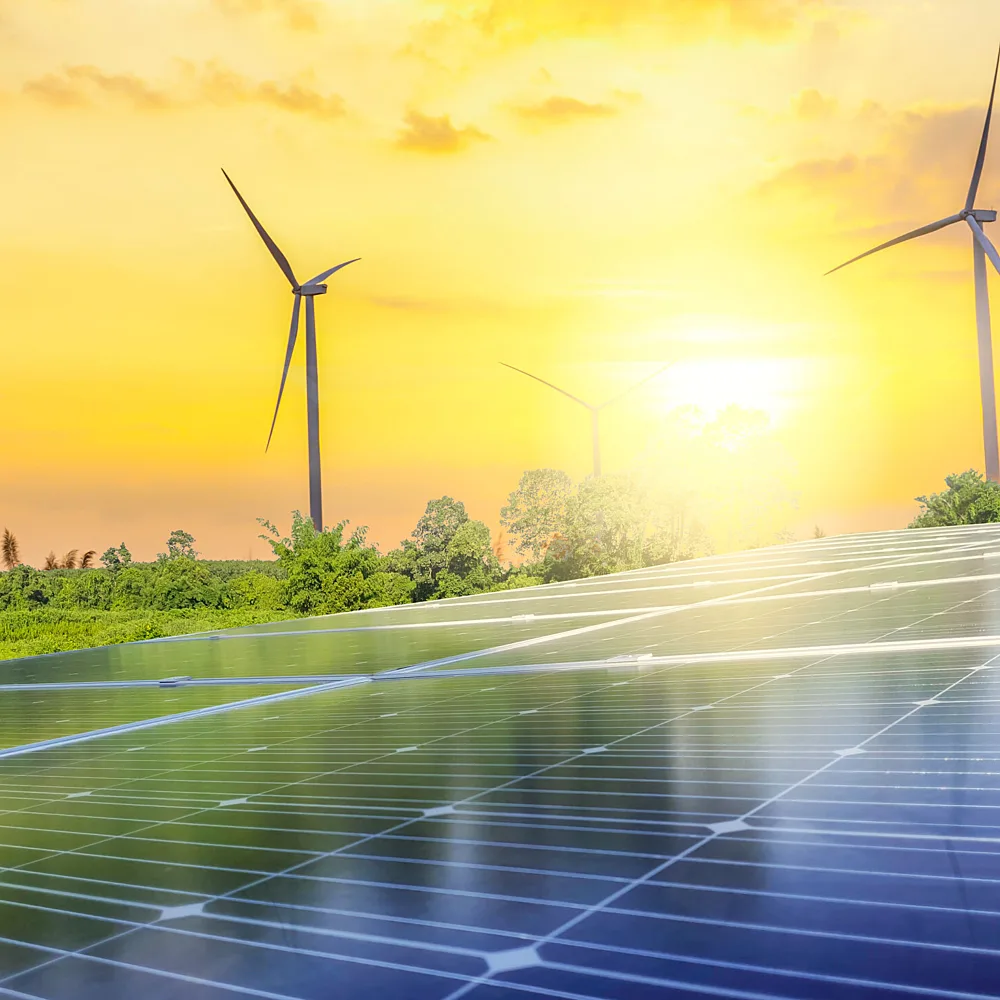
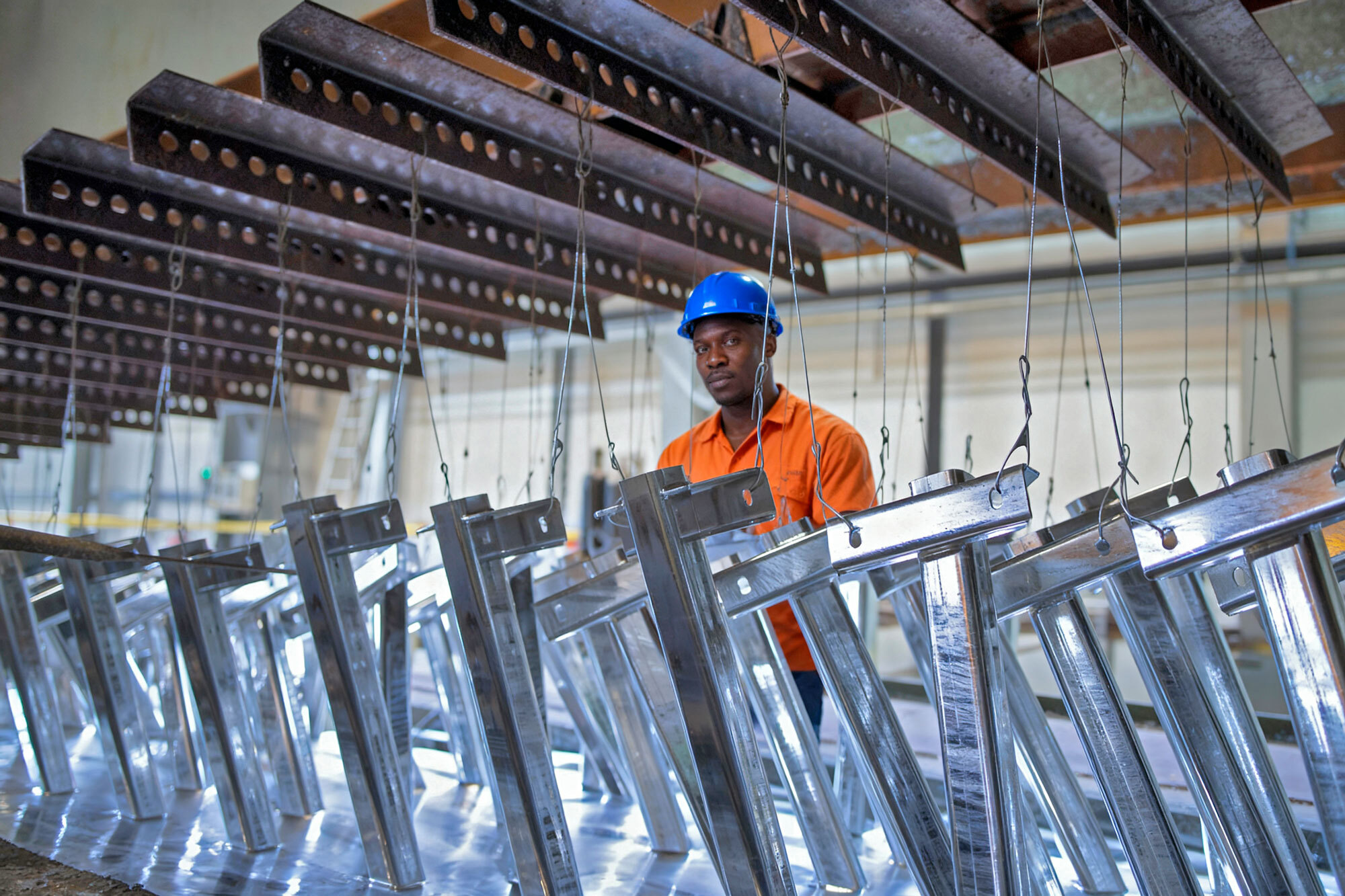
Accelerating electrification across transport, industry and buildings can lower costs, attract investment and boost Africa's industrial competitiveness, but reforms and infrastructure upgrades are needed.

Governments expanding grids must link power to industry, transmission and tariff reform to drive productivity and economic transformation across Africa.

Global and regional funds are committing billion-dollar capital to African climate technology, targeting renewables, carbon markets and climate-smart agriculture for impact and returns.

UN projects Africa's economy will remain resilient in 2026 despite trade tensions, debt pressures and climate-related shocks.

Policymakers are prioritising mobilisation of domestic capital—pension funds, taxes, remittances and mineral value addition—to finance infrastructure and reduce reliance on volatile external financing.

New study finds 3.79 billion people could face extreme heat by 2050, urging rapid deployment of sustainable cooling and urban adaptation.

Scientists propose a five-point checklist to ensure nature-based carbon credits are verifiable, additional, and enforced, aiming to protect market credibility.

Business and governance leaders argue global ESG rules must be adapted to African institutional capacity to secure finance, trade access and competitiveness.

Africa secures about 25% of required climate funding, leaving a hundreds‑of‑billions annual shortfall that hinders adaptation, energy transition and resilience.

Emerging markets face rising youth labour supply amid slower growth, automation, and education mismatches, risking higher unemployment and social instability without coordinated reforms.

Sahara Group awarded $12,000 each to three University of Lagos academics through its 2025 MAD Grant to scale entrepreneurship, digital skills, and governance programmes.

More than 200 million migrant workers send money home annually, creating one of the most powerful but under-appreciated financial flows in global development.

Accelerating electrification across transport, industry and buildings can lower costs, attract investment and boost Africa's industrial competitiveness, but reforms and infrastructure upgrades are needed.

Governments expanding grids must link power to industry, transmission and tariff reform to drive productivity and economic transformation across Africa.

Global and regional funds are committing billion-dollar capital to African climate technology, targeting renewables, carbon markets and climate-smart agriculture for impact and returns.

UN projects Africa's economy will remain resilient in 2026 despite trade tensions, debt pressures and climate-related shocks.

Policymakers are prioritising mobilisation of domestic capital—pension funds, taxes, remittances and mineral value addition—to finance infrastructure and reduce reliance on volatile external financing.
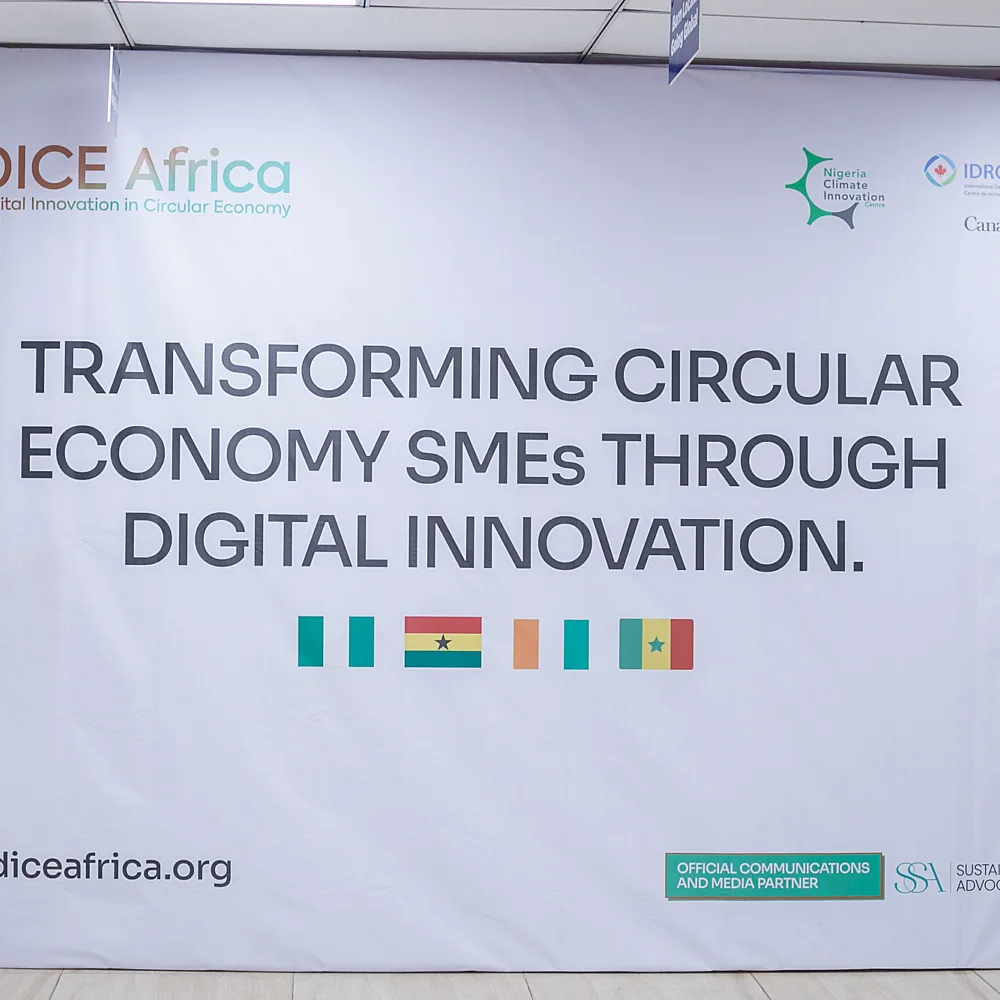
Africa’s future is being shaped by bold alliances and circular innovation. At the NCIC DICE Digital Solution launch, the Nigeria Climate Innovation Centre and Canadian partners showcased how circular economy initiatives, digitalisation, and inclusive investment are driving sustainable growth. The event highlighted success stories in clean energy, recycling, and SME empowerment, presenting a blueprint for Africa’s regenerative economy and its journey toward climate resilience and shared prosperity.
Dr Uche Ogah urged policy stability and rapid reforms at NAEC 2025, arguing Nigeria must modernize its grid, scale renewables, invest in gas as a transition fuel, and build local green manufacturing and skills to attract investment and avoid becoming a passive importer of green technology.
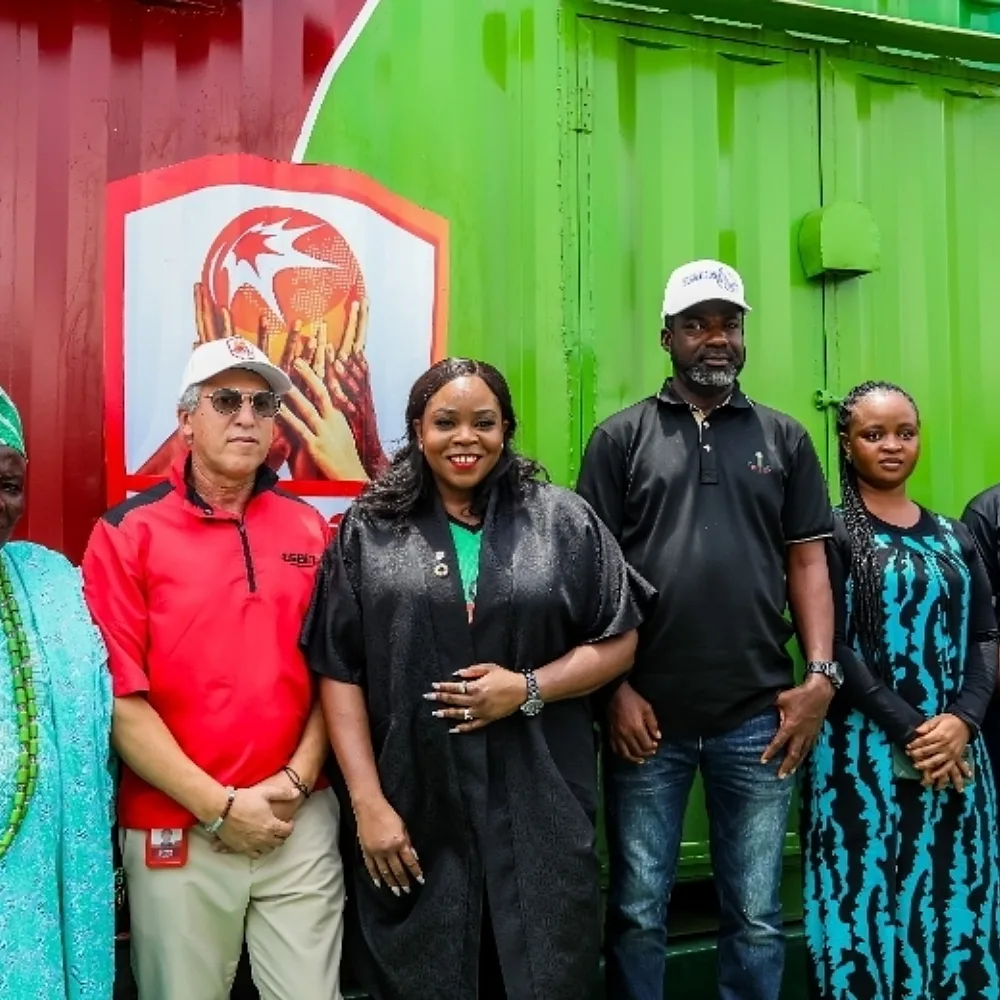
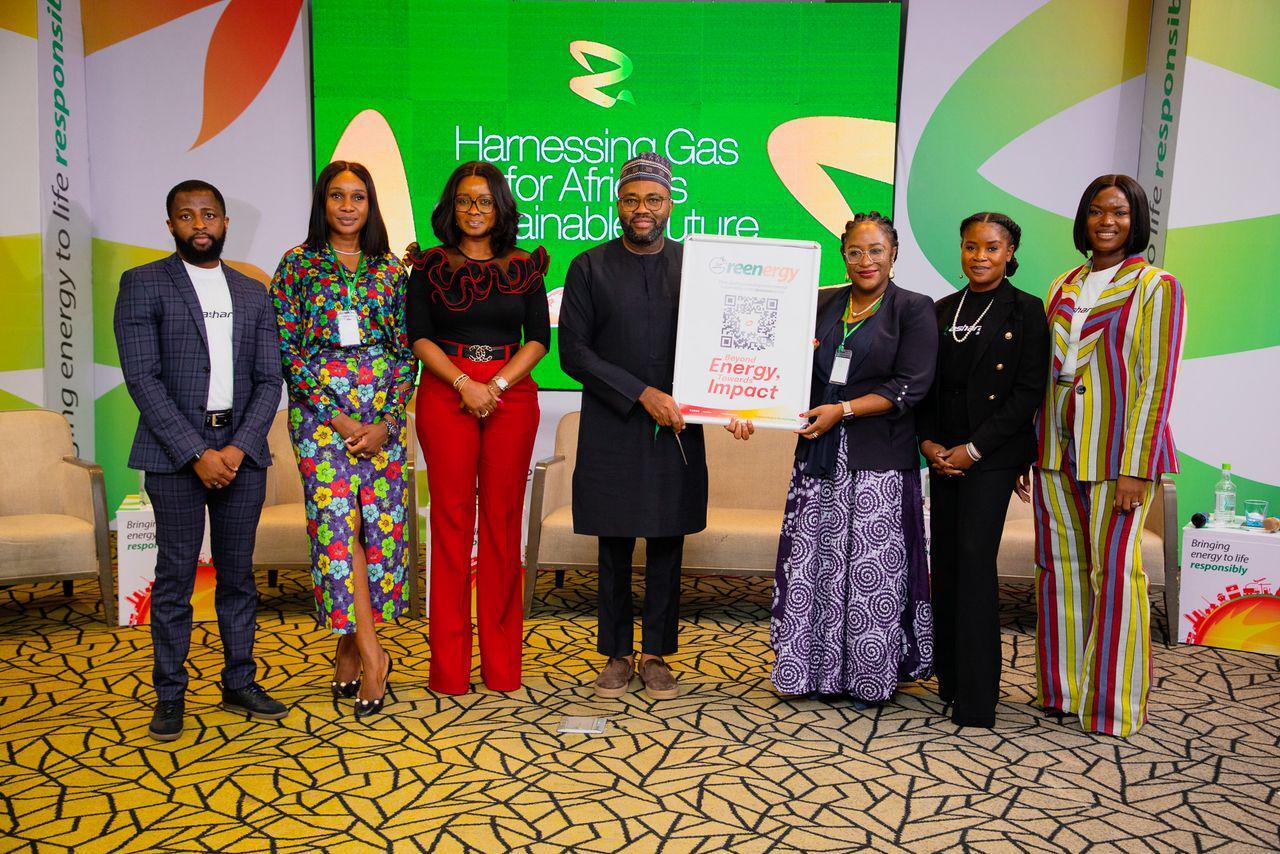
Stakeholders affirms natural gas as Africa’s key to industrialisation and energy security, calling for major infrastructure investment and stronger media engagement in the energy transition at Sahara Group’s Asharami Square
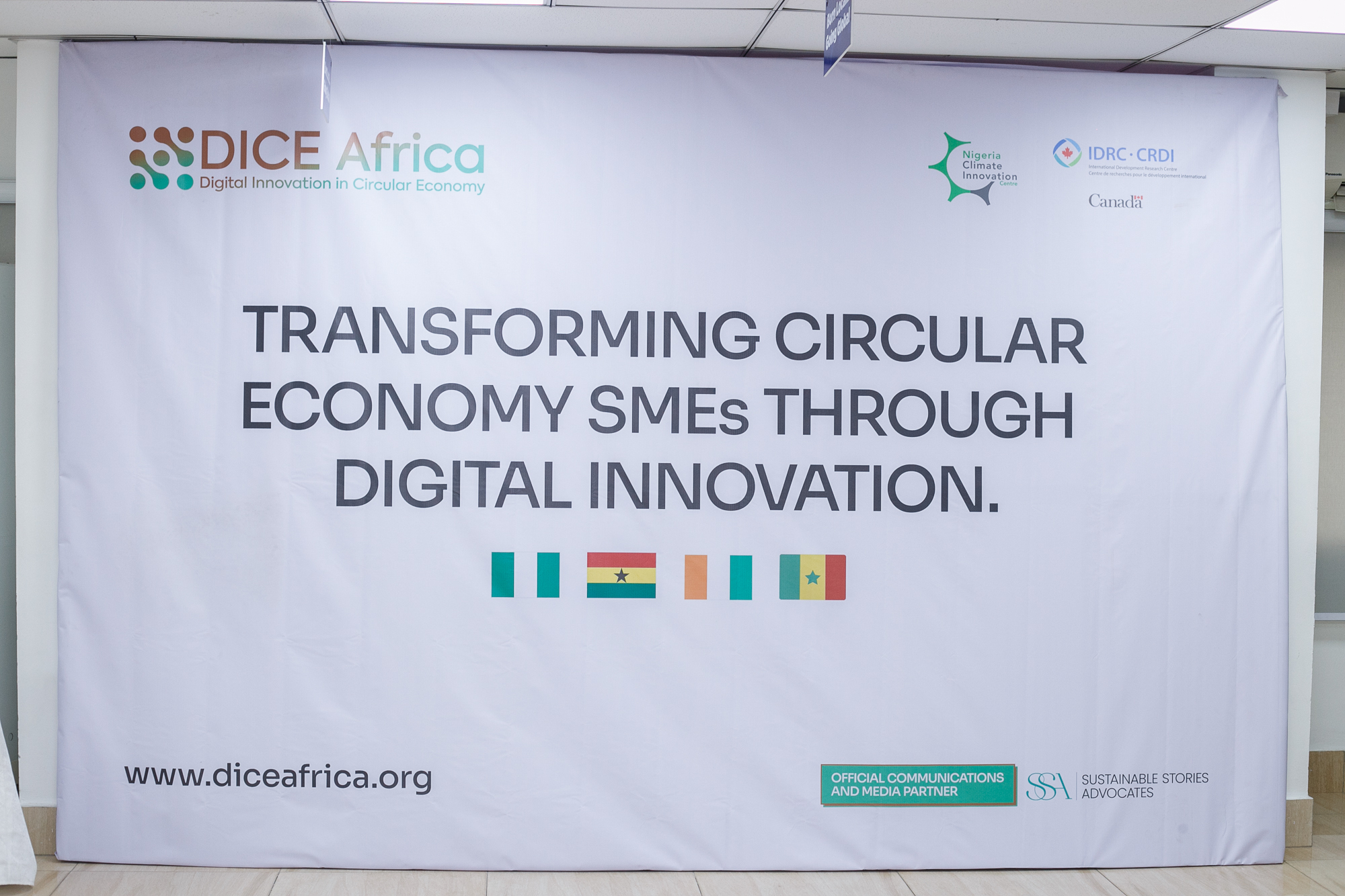
DICE Africa launches regional initiative to boost digital transformation and inclusive finance for circular economy SMEs across West Africa, uniting leaders in innovation, policy, and finance to scale green solutions, empower entrepreneurs, and drive sustainable economic growth
The African Energy Chamber has named Sahara Group executives Mariah Lucciano-Gabriel and Yetunde Sorinola among its 2025 “20 Under 40 Energy Women Rising Stars,” spotlighting women’s leadership and innovation shaping Africa’s energy transition.
Enugu State is charting a renewable energy future with a PPP blueprint that blends investor confidence, regulatory reforms, and community ownership to deliver reliable power to schools, clinics, and MSMEs across Nigeria.
The African Energy Chamber has named Sahara Group executives Mariah Lucciano-Gabriel and Yetunde Sorinola among its 2025 “20 Under 40 Energy Women Rising Stars,” spotlighting women’s leadership and innovation shaping Africa’s energy transition.
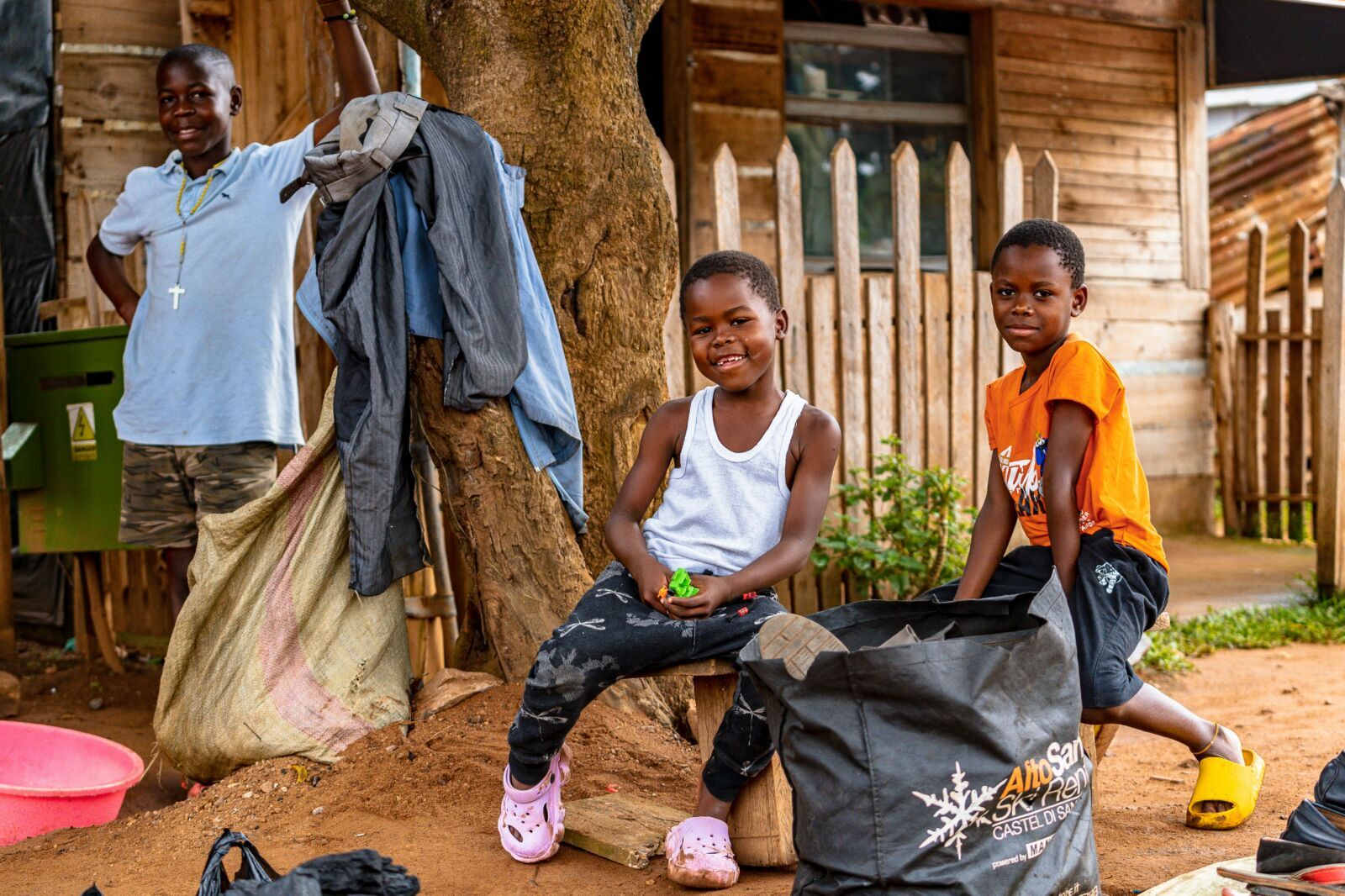
DICE Africa launches regional initiative to boost digital transformation and inclusive finance for circular economy SMEs across West Africa, uniting leaders in innovation, policy, and finance to scale green solutions, empower entrepreneurs, and drive sustainable economic growth
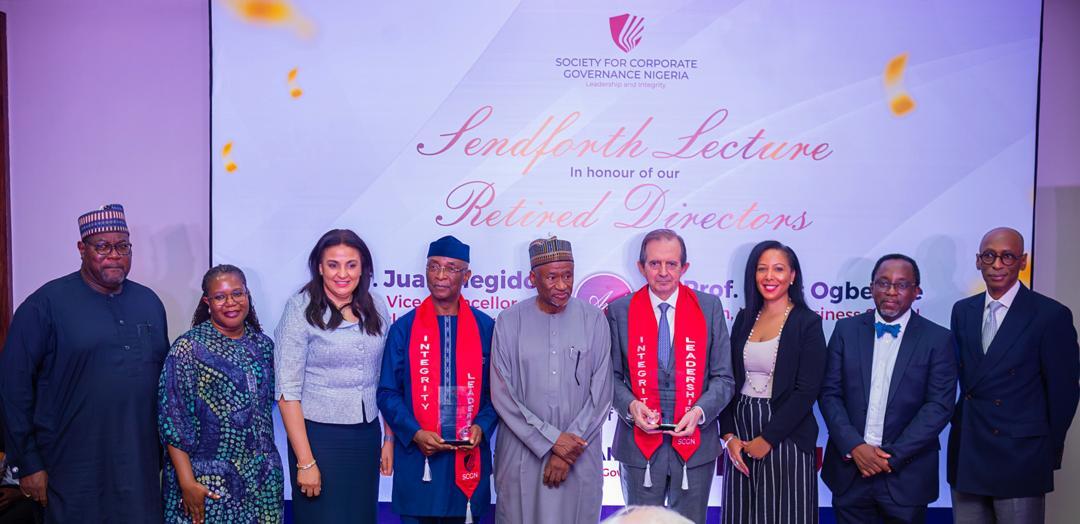
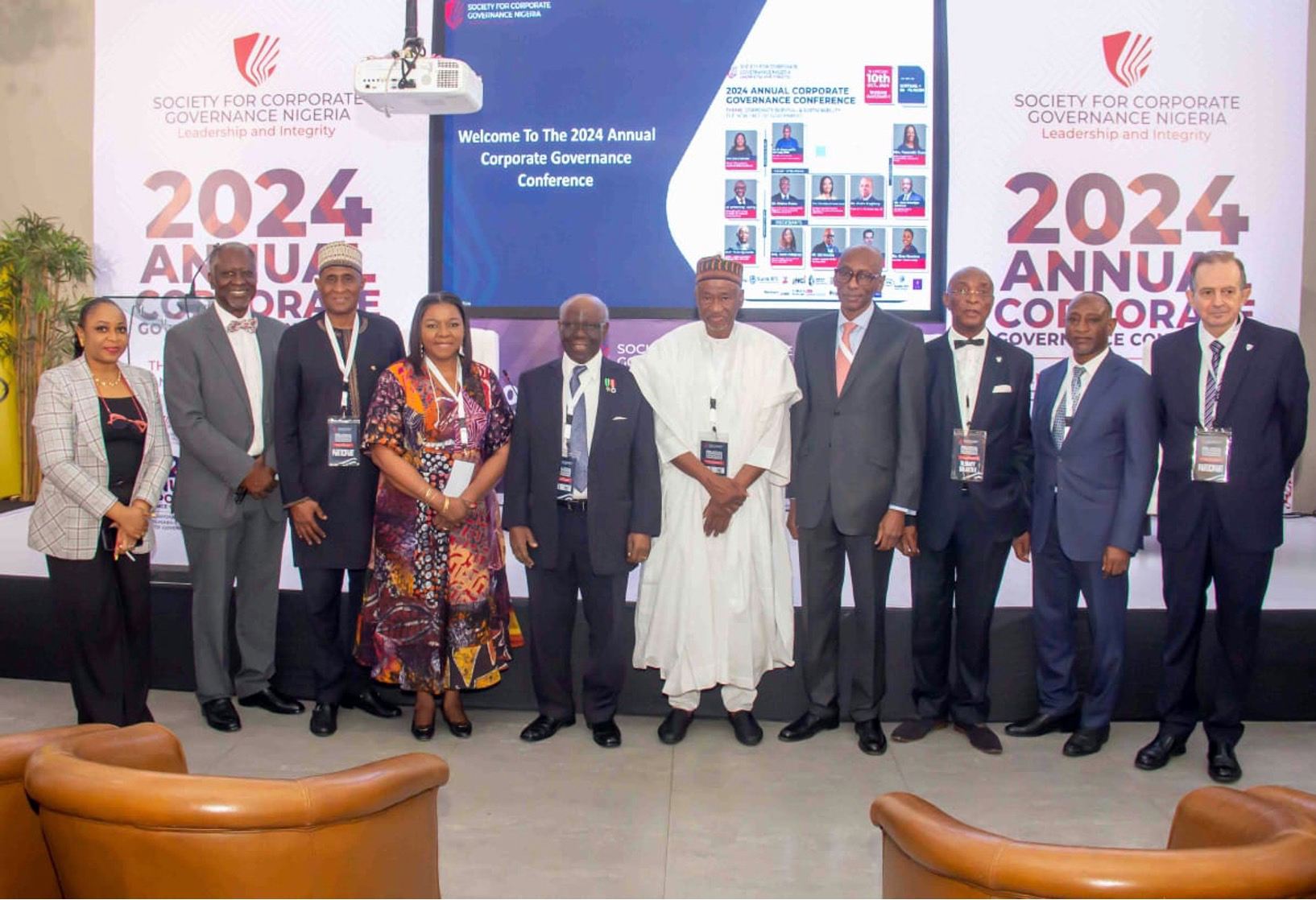
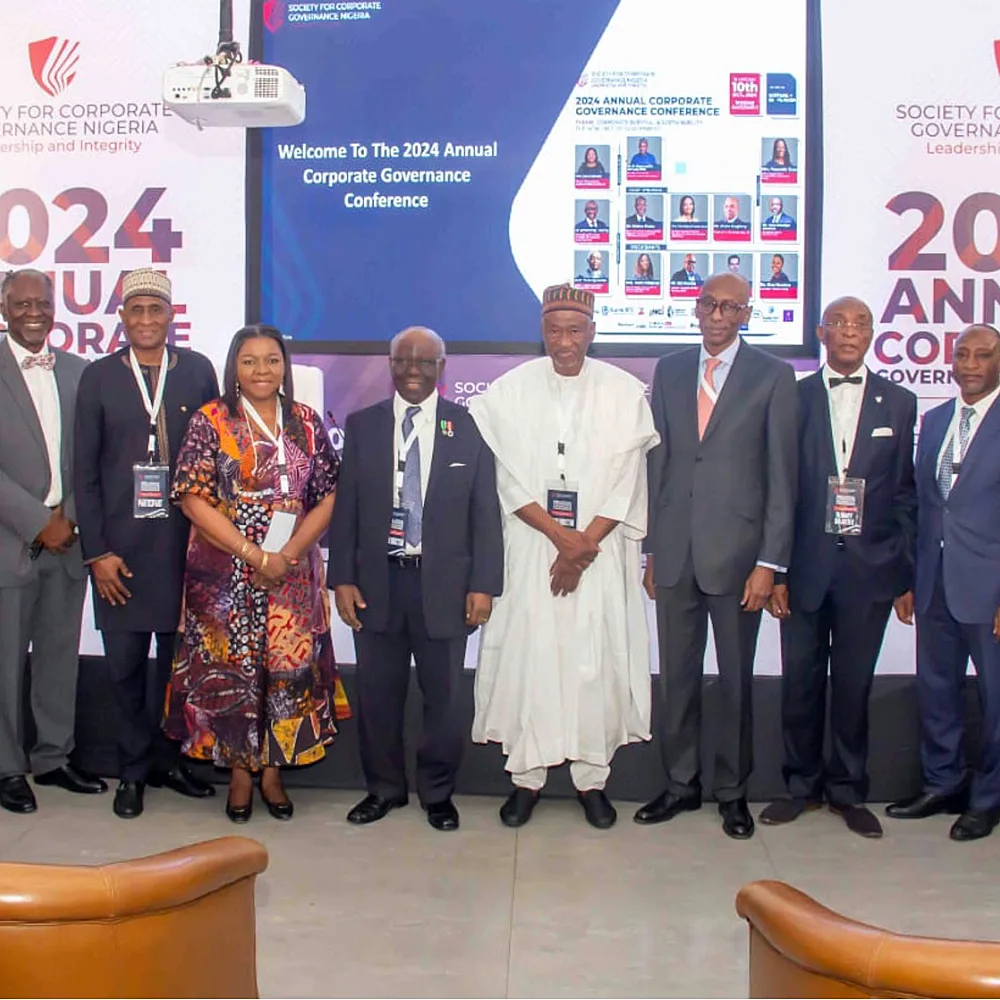
At its 20th anniversary conference, the Society for Corporate Governance Nigeria (SCGN) gathered leaders across finance, technology, and policy to chart a sustainable path for ethical leadership, resilient institutions, and future-ready governance in a disrupted world.
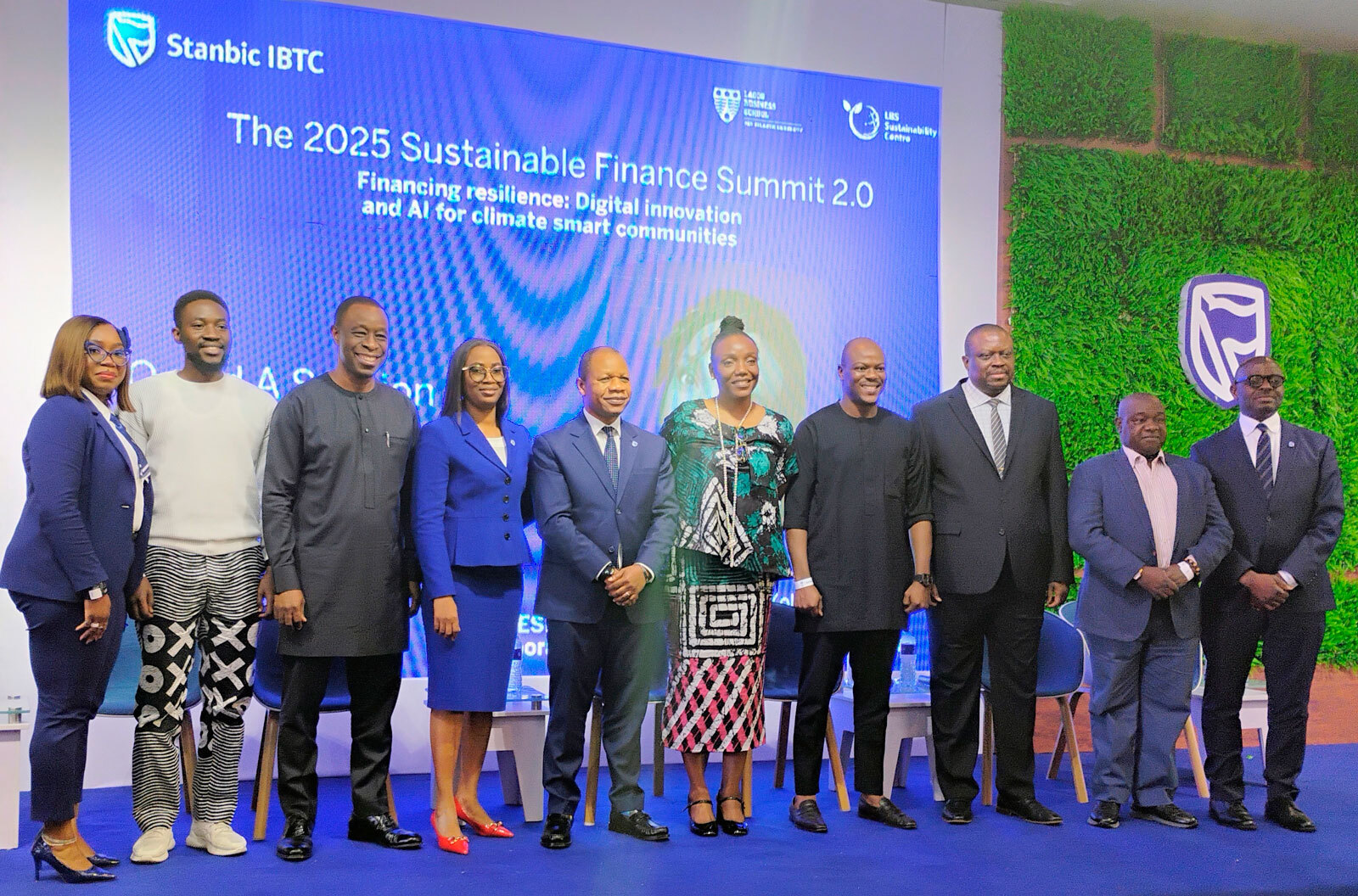
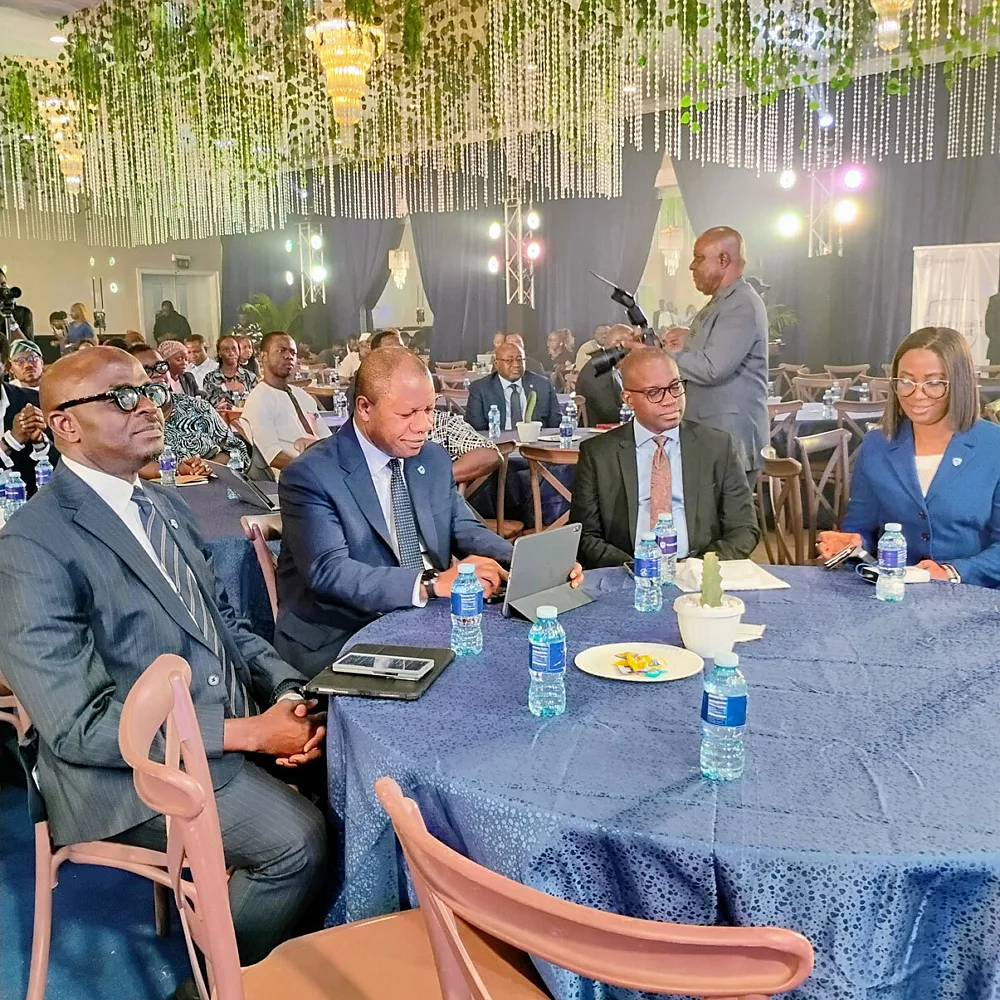
Nigerian and African leaders calls for homegrown solutions to climate finance, spotlighting AI as a powerful tool to bridge data gaps, unlock funding, and drive inclusive, resilient, and ethical growth across the continent.
DICE Africa launches regional initiative to boost digital transformation and inclusive finance for circular economy SMEs across West Africa, uniting leaders in innovation, policy, and finance to scale green solutions, empower entrepreneurs, and drive sustainable economic growth
Africa’s future is being shaped by bold alliances and circular innovation. At the NCIC DICE Digital Solution launch, the Nigeria Climate Innovation Centre and Canadian partners showcased how circular economy initiatives, digitalisation, and inclusive investment are driving sustainable growth. The event highlighted success stories in clean energy, recycling, and SME empowerment, presenting a blueprint for Africa’s regenerative economy and its journey toward climate resilience and shared prosperity.
SCGN participants at the 20th Corporate Governance Conference urged Nigeria to strengthen ethical leadership, adopt ESG standards, update regulatory frameworks, and boost board oversight and tax literacy to attract investment, manage AI and cyber risks, and improve institutional resilience amid economic reforms and talent migration.
Designers Jason Samuel and Ugo Monye argue grooming, cultural fashion and mental health redefine contemporary masculinity, linking appearance to opportunity and well-being.
by Sustainable Stories Africa
Designers Jason Samuel and Ugo Monye argue grooming, cultural fashion and mental health redefine contemporary masculinity, linking appearance to opportunity and well-being.
by Sustainable Stories Africa
A continental review finds declining academic freedom across several African states, urging legal and governance reforms to protect university autonomy, research capacity and rights.
by Sustainable Stories Africa
Start typing to search...