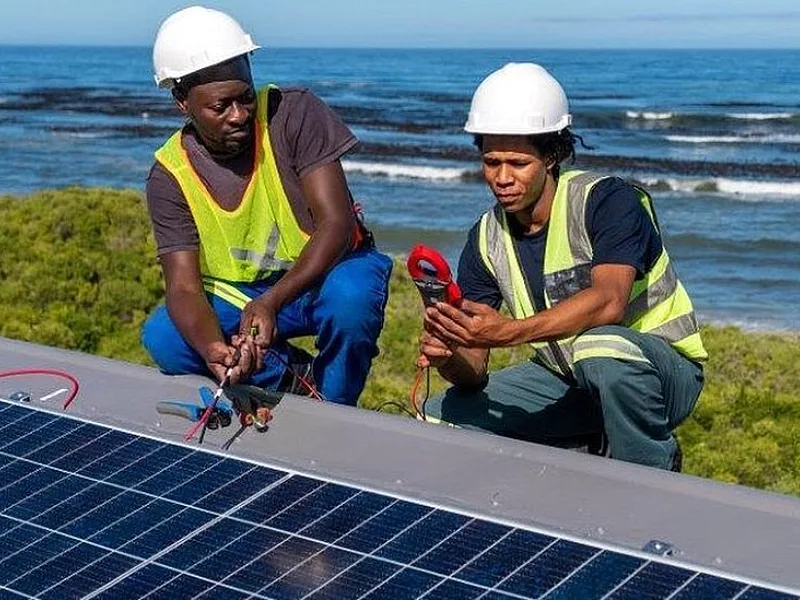
The past 11 years are now the warmest in the modern era.
The UN weather agency confirmed that 2025 ranks among the three hottest years ever recorded, despite the cooling effects of La Niña.
With global temperatures reaching 1.44°C above pre-industrial levels and oceans absorbing record intensity of heat, scientists warn that the climate system is locking in long-term warming trends.
WMO Confirms 2025 Among Hottest Years Ever Recorded
The World Meteorological Organisation (WMO) has confirmed that 2025 was one of the three warmest years in the 176-year instrumental record, extending an unprecedented streak of extreme global temperatures.
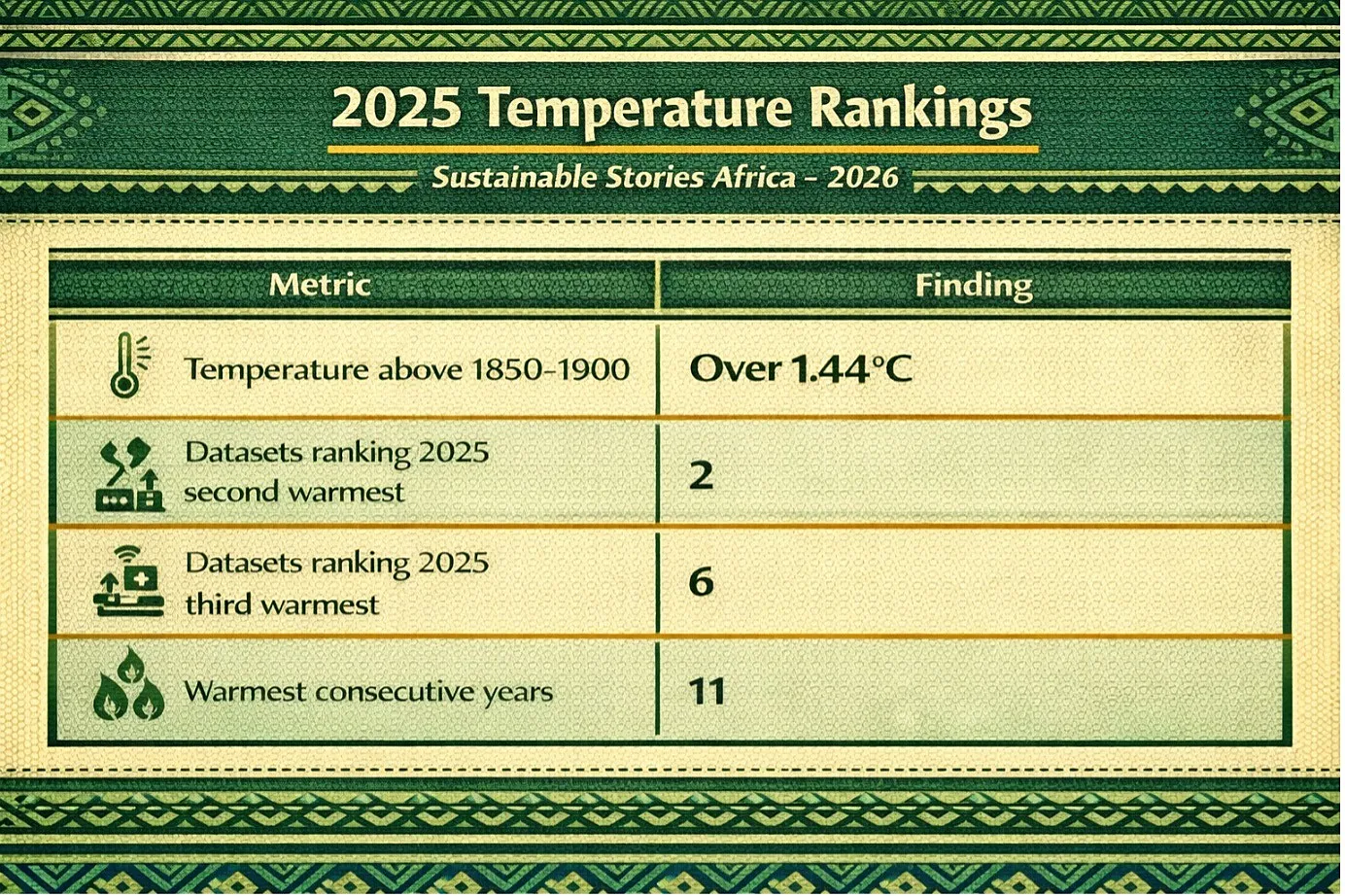
After analysing eight major international datasets, the UN agency reported that global average surface temperatures last year were 1.44°C above the 1850 – 1900 baseline. Two datasets ranked 2025 as the second warmest year on record, while six ranked it third.
The finding means the past 11 years have been the warmest in the modern era, underscoring the persistence of climate warming.
Eleven Years of Relentless Heat
The significance lies not in a single year, but in a sustained trend.
Even with a cooling La Niña phase at both the start and end of 2025, temperatures remained historically high.
"The year 2025 started and ended with a cooling La Niña, and it was still one of the warmest years on record globally because of the accumulation of heat-trapping greenhouse gases in our atmosphere," said WMO Secretary-General Celeste Saulo.
2025 Temperature Rankings
| Metric | Finding |
|---|---|
| Temperature above 1850–1900 | Over 1.44°C |
| Datasets ranking 2025 second warmest | 2 |
| Datasets ranking 2025 third warmest | 6 |
| Warmest consecutive years | 11 |
La Niña's temporary cooling effect has not altered the long-term warming trajectory.
Oceans Absorb the Excess Heat
The warming signal is equally pronounced at sea.
A separate study cited by the WMO found ocean temperatures among the highest ever recorded.
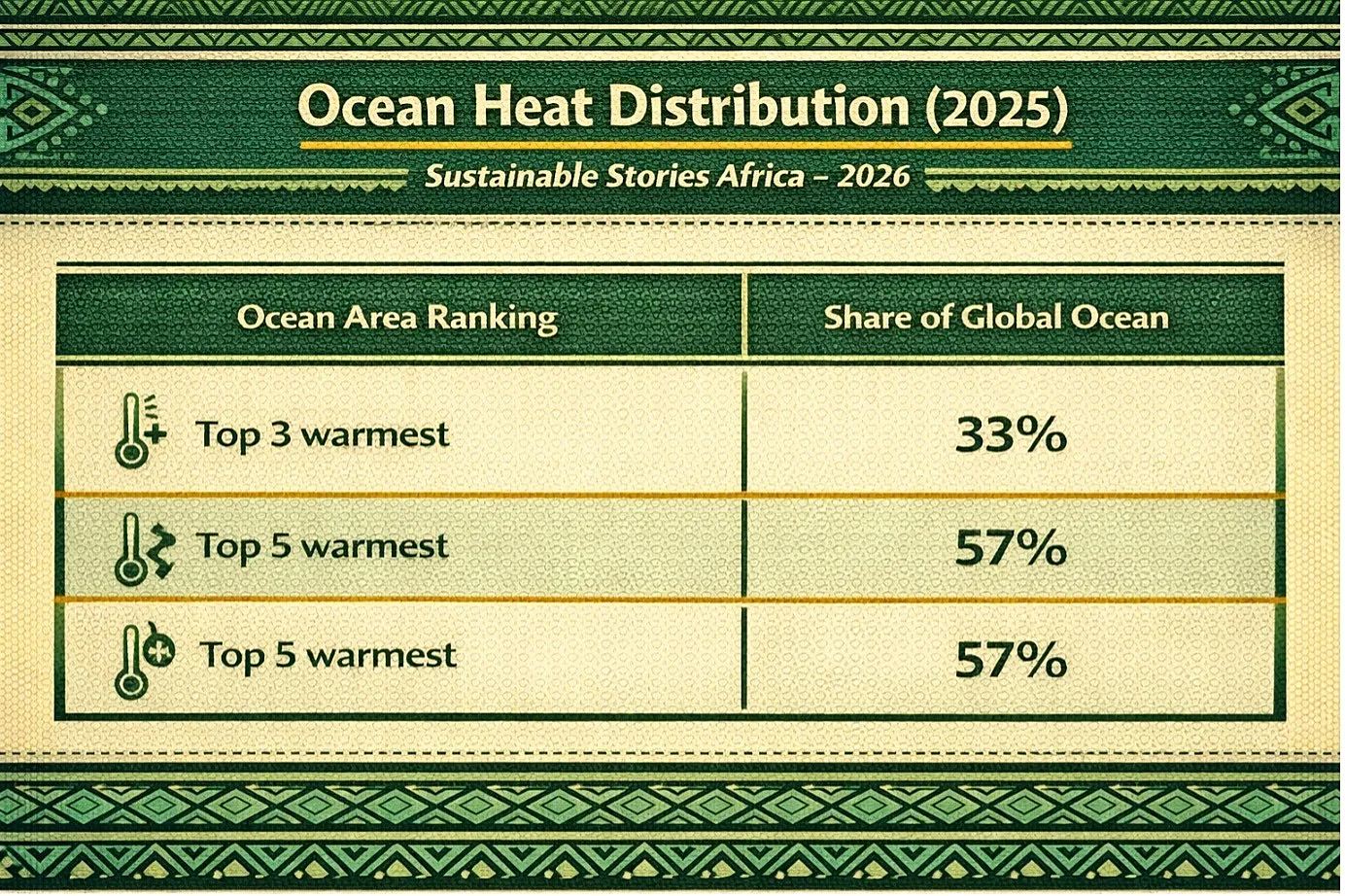
About 33% of the global ocean area ranked within its top three warmest conditions (1958–2025), while 57% fell within the top five.
The tropical and South Atlantic, Mediterranean Sea, North Indian Ocean and Southern Oceans were particularly affected.
Ocean Heat Distribution (2025)
| Ocean Area Ranking | Share of Global Ocean |
|---|---|
| Top 3 warmest | 33% |
| Top 5 warmest | 57% |
Elevated ocean heat has intensified extreme weather events, including heatwaves, heavy rainfall and deadly tropical cyclones.
Early Warnings and Climate Accountability
WMO officials stress that accurate monitoring strengthens preparedness.
High-resolution datasets, ocean tracking and greenhouse gas measurements provide early warning capacity, critical for climate adaptation and disaster risk reduction.
Full details on greenhouse gases, surface temperatures and ocean heat will be released in March in the State of the Global Climate 2025 report.
The data reinforces a central truth: accumulated greenhouse gases continue to trap heat across land and sea.
Accelerate Mitigation, Strengthen Resilience Systems
Scientists argue that mitigation and early warning systems must move in parallel.
Reducing emissions remains critical due to the slow pace of warming.
Simultaneously, nations must invest in early warning infrastructure, climate-resilient planning and disaster preparedness to manage intensifying extremes.
Temporary cooling cycles will not offset structural heat.
Path Forward – Cut Emissions, Expand Early Warnings
Governments must accelerate emissions reductions while strengthening early warning systems and climate resilience planning.
Ocean monitoring and greenhouse gas accountability should align policy and investment.
Sustained warming over 11 consecutive years signals urgency. Stabilising temperatures now requires structural mitigation, not reliance on temporary climatic cycles.
Culled From: https://news.un.org/en/story/2026/01/1166758