Artificial intelligence is reshaping supply chain planning by enabling businesses to respond to changing conditions more continuously.

The African Development Bank Group has approved $487 million in financing to accelerate economic reforms, strengthen climate resilience and support inclusive growth in Morocco.

Quantum technology is moving towards commercial adoption, with potential applications across finance, healthcare, energy and industrial production.

The global business aviation market continues to expand despite supply chain constraints, infrastructure pressures and shortages of specialised personnel.
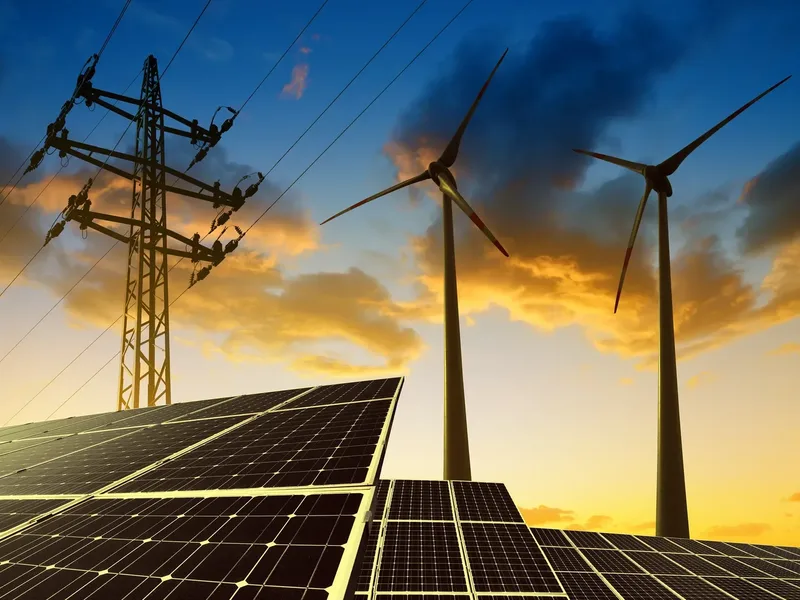
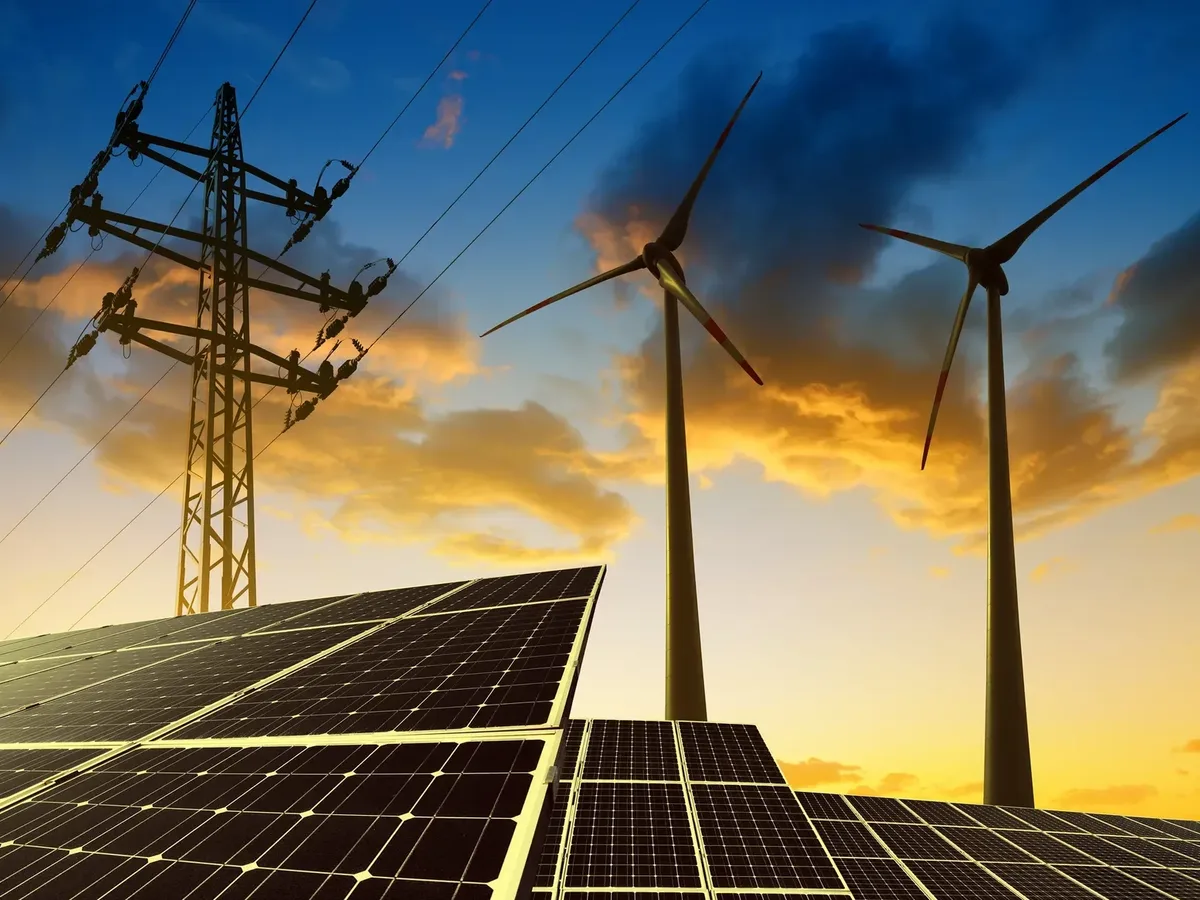
New research suggests that climate change and the adoption of low-carbon technologies can interact to reshape electricity demand in unexpected ways.

New behavioural research suggests that even minor rule violations can contribute to widespread noncompliance when individuals imitate or exceed the misconduct they observe.
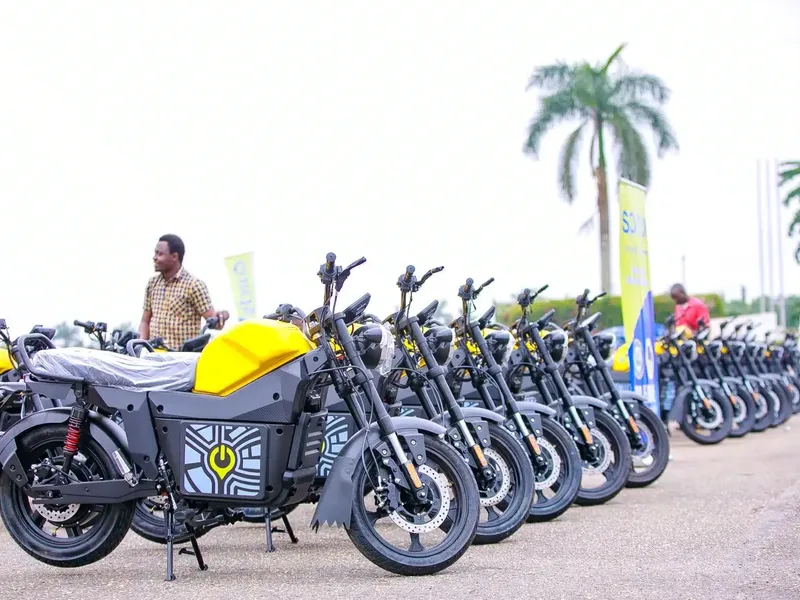
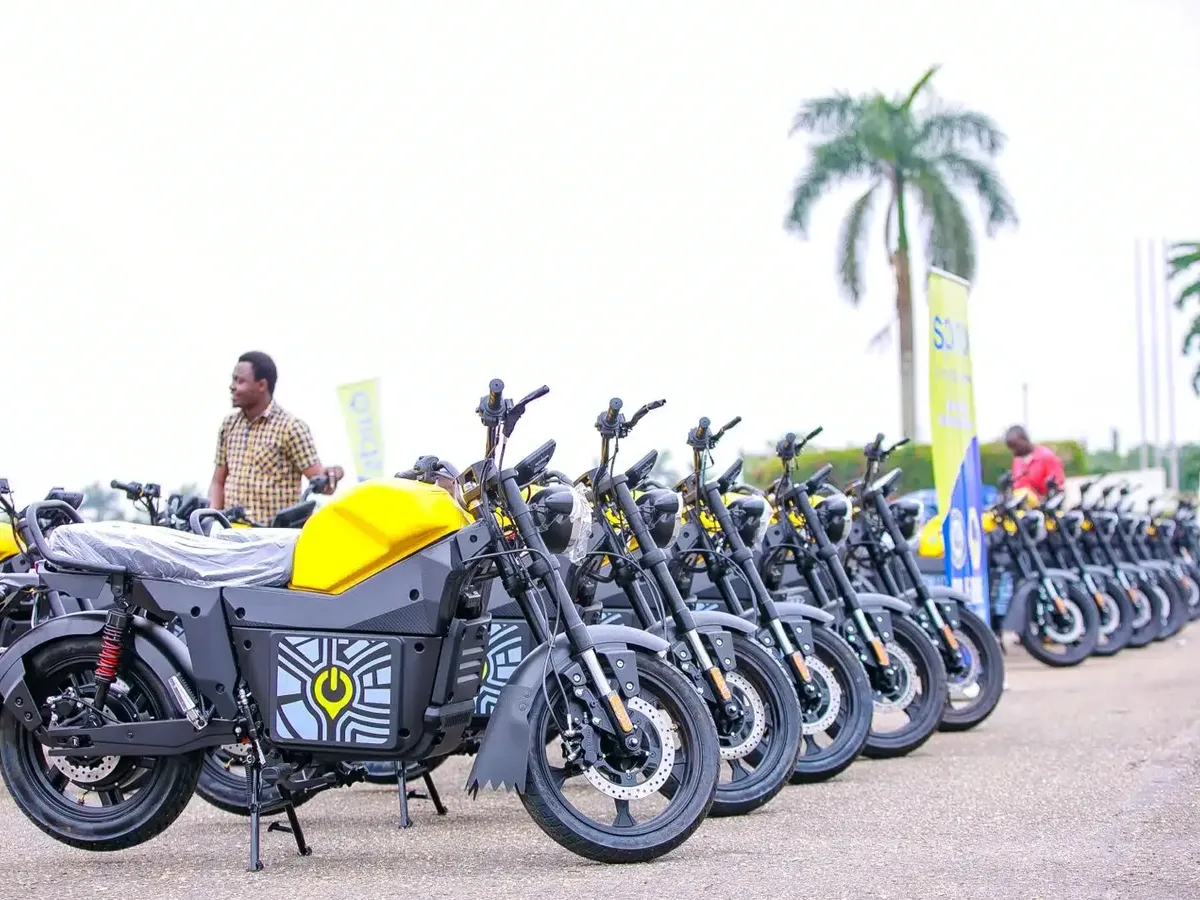
African electric mobility company Spiro has introduced its first 100 electric motorcycles in Ghana, accompanied by battery-swapping infrastructure.

Global greenhouse gas emissions may have stabilised in 2025, but the world remains on a trajectory toward dangerous levels of warming.

A global survey of sustainability experts suggests that moral arguments are becoming less effective in driving environmental and social progress.
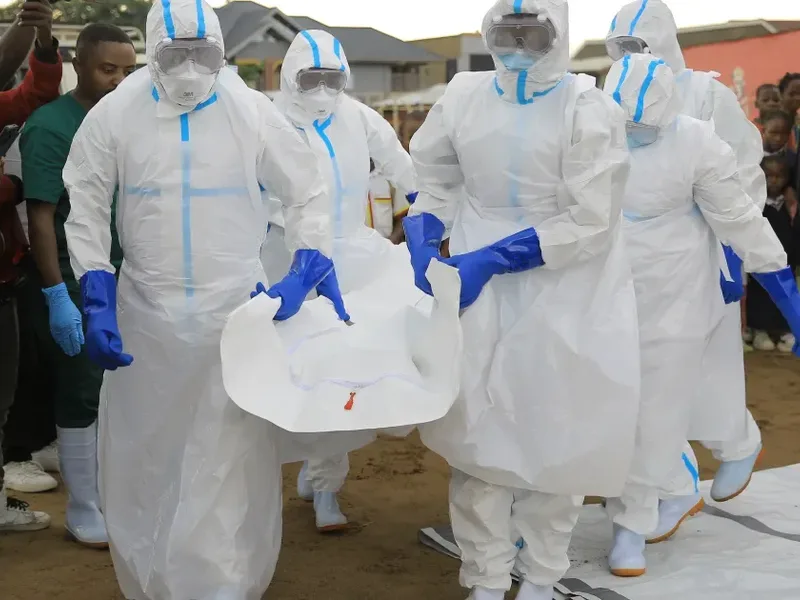
Africa CDC has called for greater transparency over approximately $962 million disbursed by international donors to organisations implementing Ebola response activities in the Democratic Republic of Congo.

Food lost between farms and markets, or discarded in shops, restaurants and homes, carries a cost far beyond the meal.
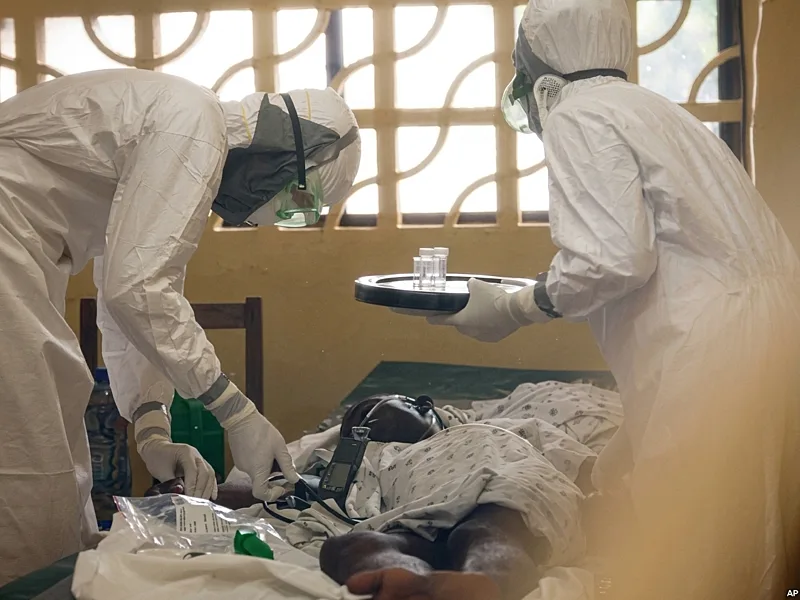
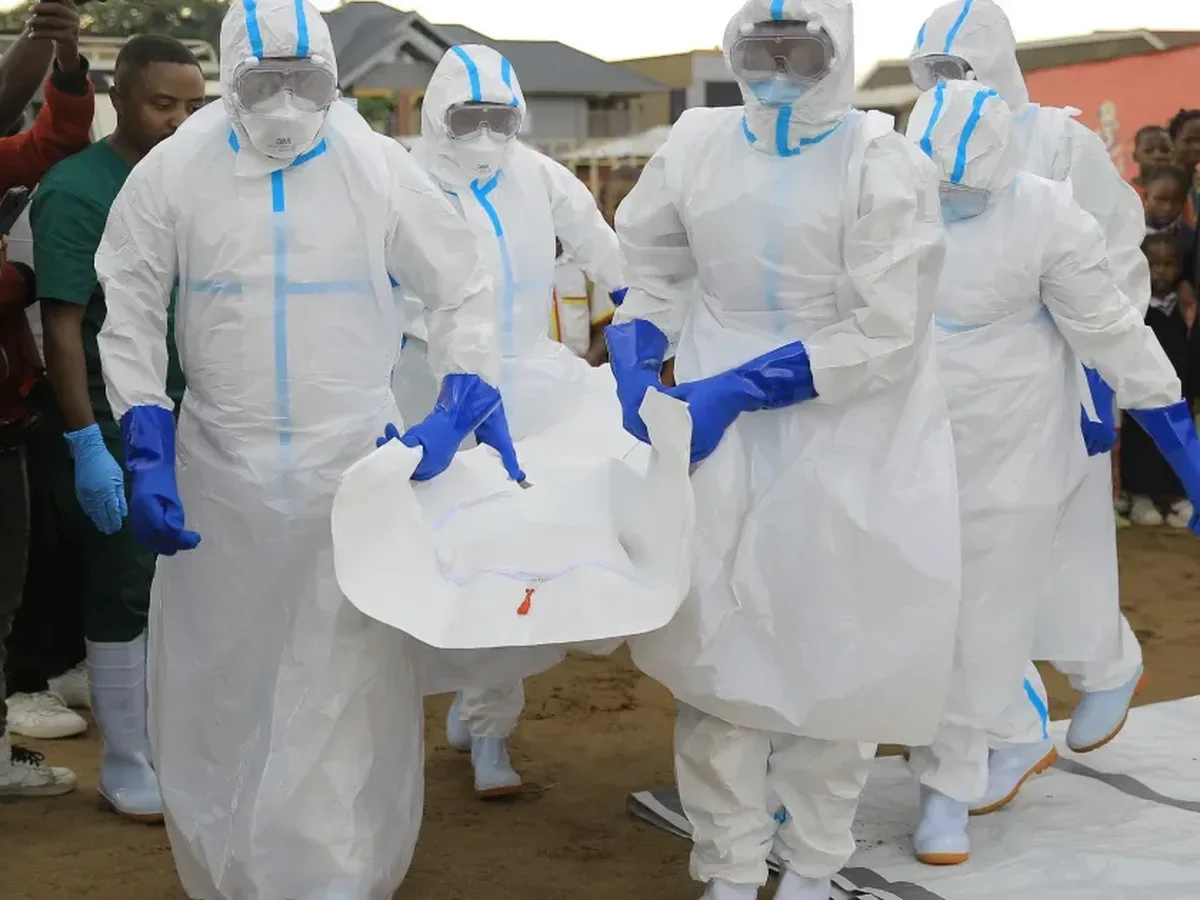
Nigeria confirmed an imported Ebola case in Abuja on 20 October and activated a coordinated public health response.
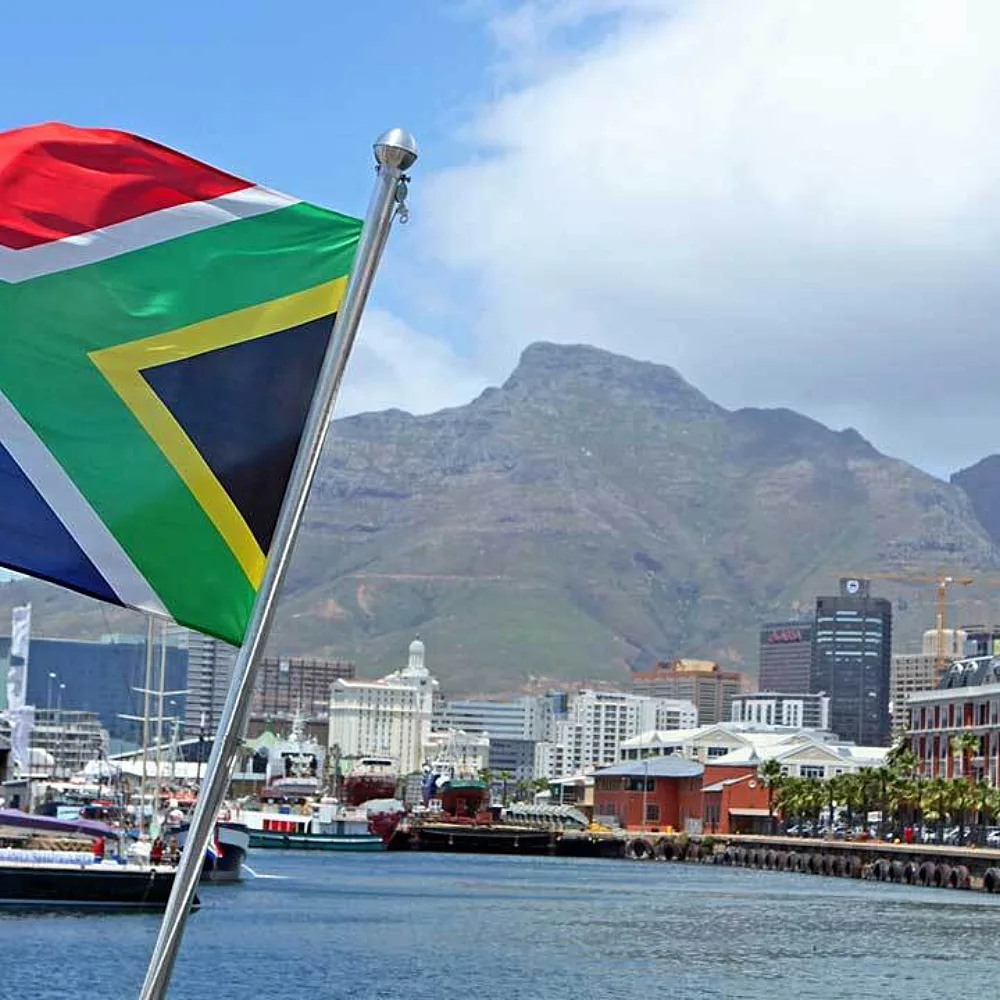
South Africa could regain investment grade by 2028 under an Investec scenario requiring sustained fiscal discipline, stronger growth and political stability.

Africa's small businesses can generate useful evidence of creditworthiness through payments, sales and supply relationships.
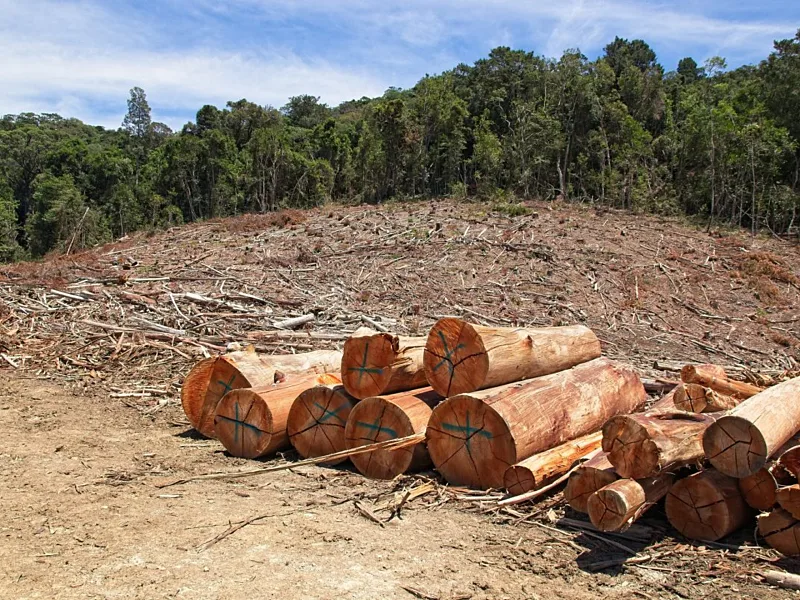
Global deforestation fell 15% in 2025, yet tropical Africa continued losing more forest. The Forest Declaration Assessment 2026 exposes a widening gap between international pledges and the incentives shaping land use.

Multilateral development banks continue to report strong capital, liquidity and credit performance, according to their 2026 comparison report. Those strengths support lending during shocks and provide a basis for discussions about expanding capacity.
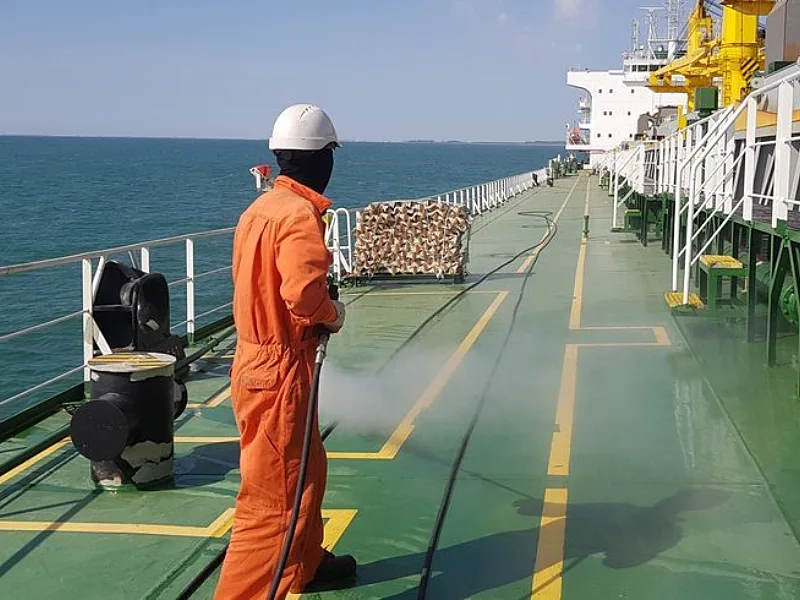
Shipping’s regulatory agenda combines emissions reduction, worker protection, safe recycling and the governance of new technology. These issues determine who bears the risks of moving the world’s goods.
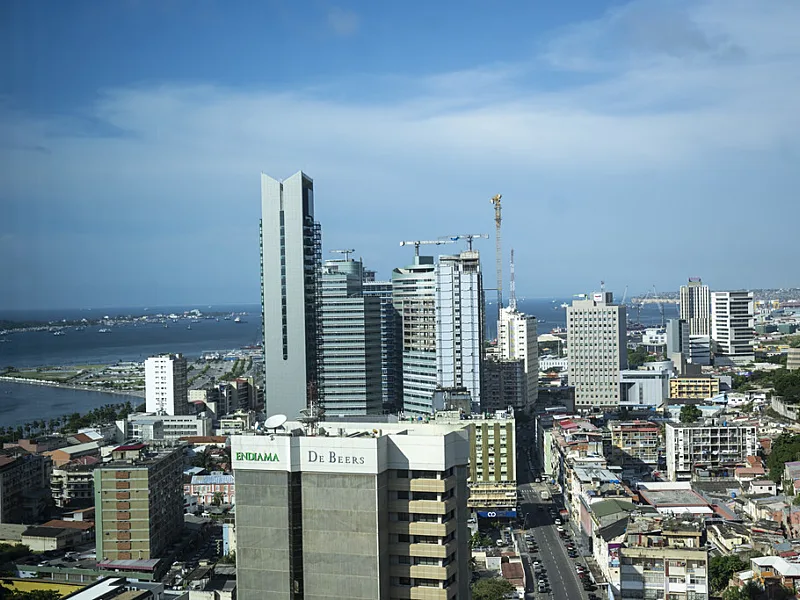
Global foreign direct investment increased in 2025, but the recovery remained concentrated in selected economies and capital-intensive sectors. Africa’s decline from an exceptional previous year also masks important differences between countries and investment types.

Nigeria’s fintech sector operates across payment, banking, securities and data protection frameworks. A service that looks simple on a mobile screen may involve several regulated activities and distinct responsibilities.

Shipping disruptions can absorb new vessel capacity, increase delivery times and raise the cost of moving essential goods. UNCTAD’s maritime analysis shows why a larger fleet does not necessarily bring immediate freight relief.

Nigeria’s financial reporting rules go beyond accounts presentation. They link professional identification, audit independence, timely filing and responses to non-compliance with the reliability of corporate information.

Hidden payments in procurement can divert money from the equipment, staff and services a contract is supposed to fund. Nigeria’s corruption evidence gives that familiar business problem a wider economic context.
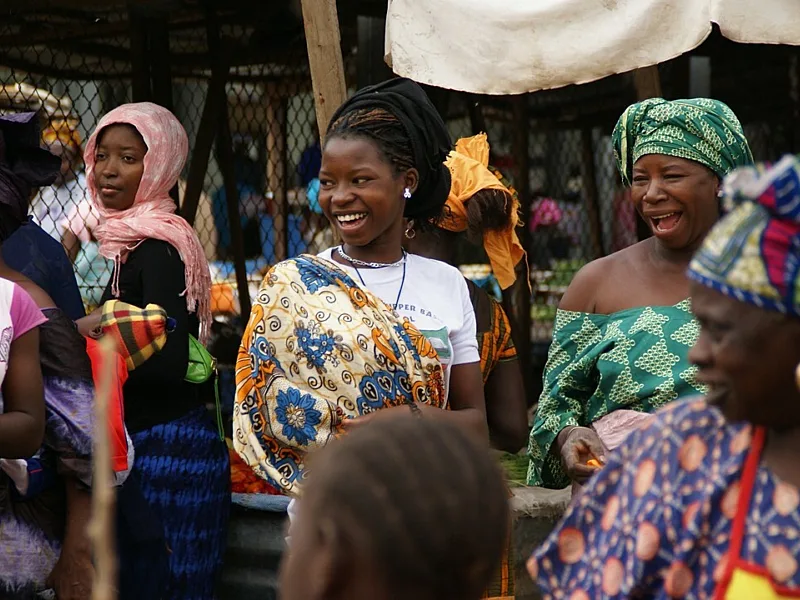
Nigeria’s financial inclusion gains are bringing millions more adults into formal services. However, the 2026 survey highlights show that access often coexists with financial stress, limited insurance and weak emergency buffers.

Food lost between farms and markets, or discarded in shops, restaurants and homes, carries a cost far beyond the meal.
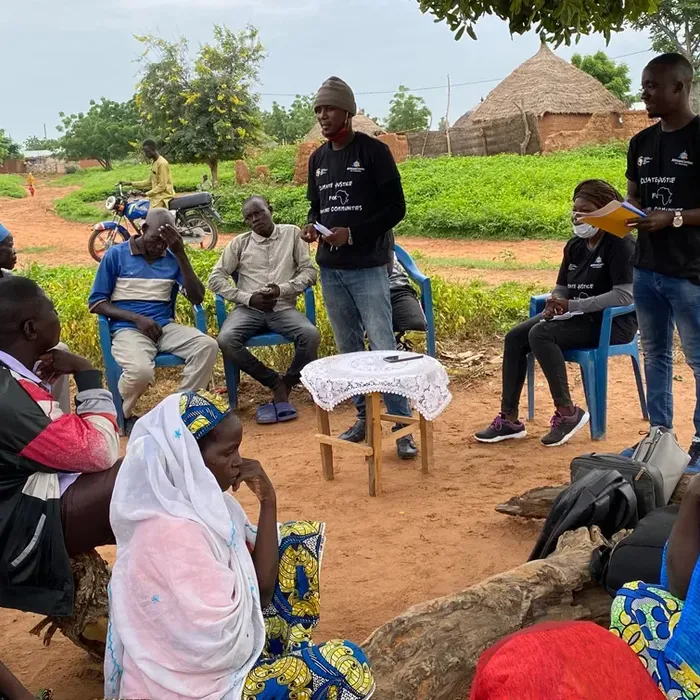
Africa’s climate response needs sustained investment in independent local journalism. Communities require reporting that explains risks, tests solutions and follows public promises beyond disasters and diplomatic meetings.
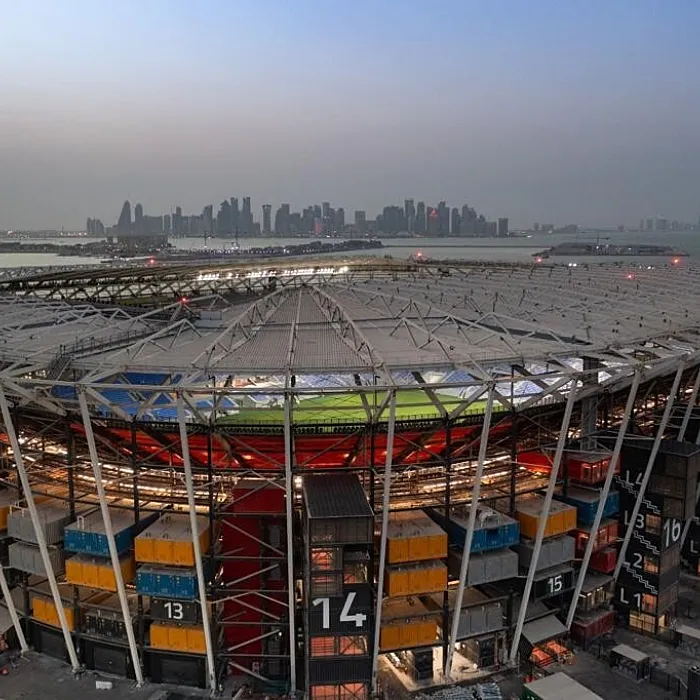
The Sustainable Stories Africa editorial team and board review of Daré Awoyinfa’s paper: one conclusion stands out: Qatar 2022 accelerated national development, but it also deepened reliance on state-led mega-events.
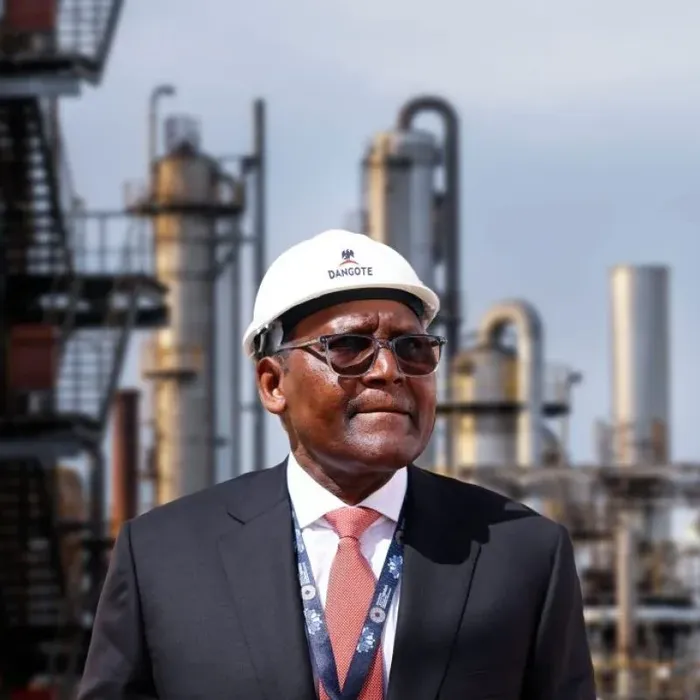
At N525 a share, the Dangote Petroleum Refinery offer opens public ownership in a strategically important African industrial asset. It also asks investors to accept a valuation shaped by unusually strong recent margins, concentrated control and a vast expansion still to be funded.

Nigeria knows how to count buildings, debt, production and investment. It is less practised at counting the forests, wetlands, soils, watersheds and biodiversity that make economic activity possible.
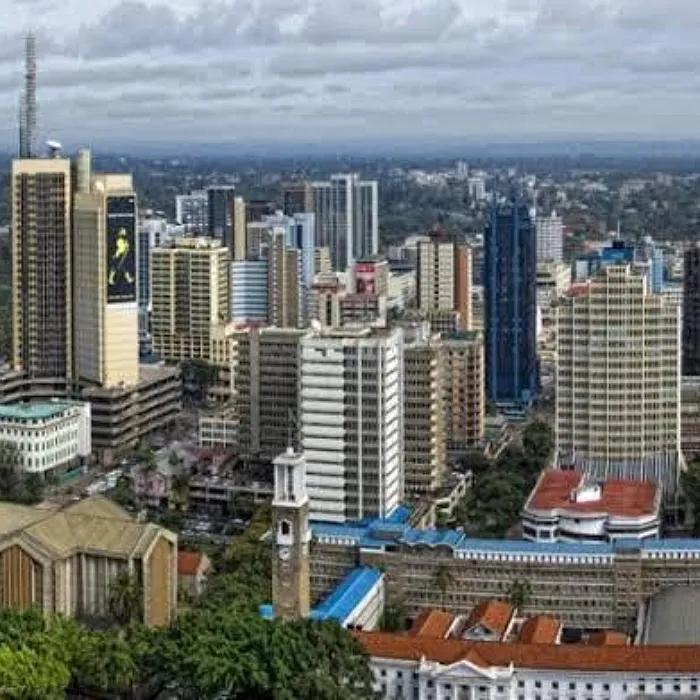
Nigeria’s financial-sector recapitalisation has created a rare abundance of capital across banking, pensions and insurance. However, capital raised is not the same as capital productively deployed.

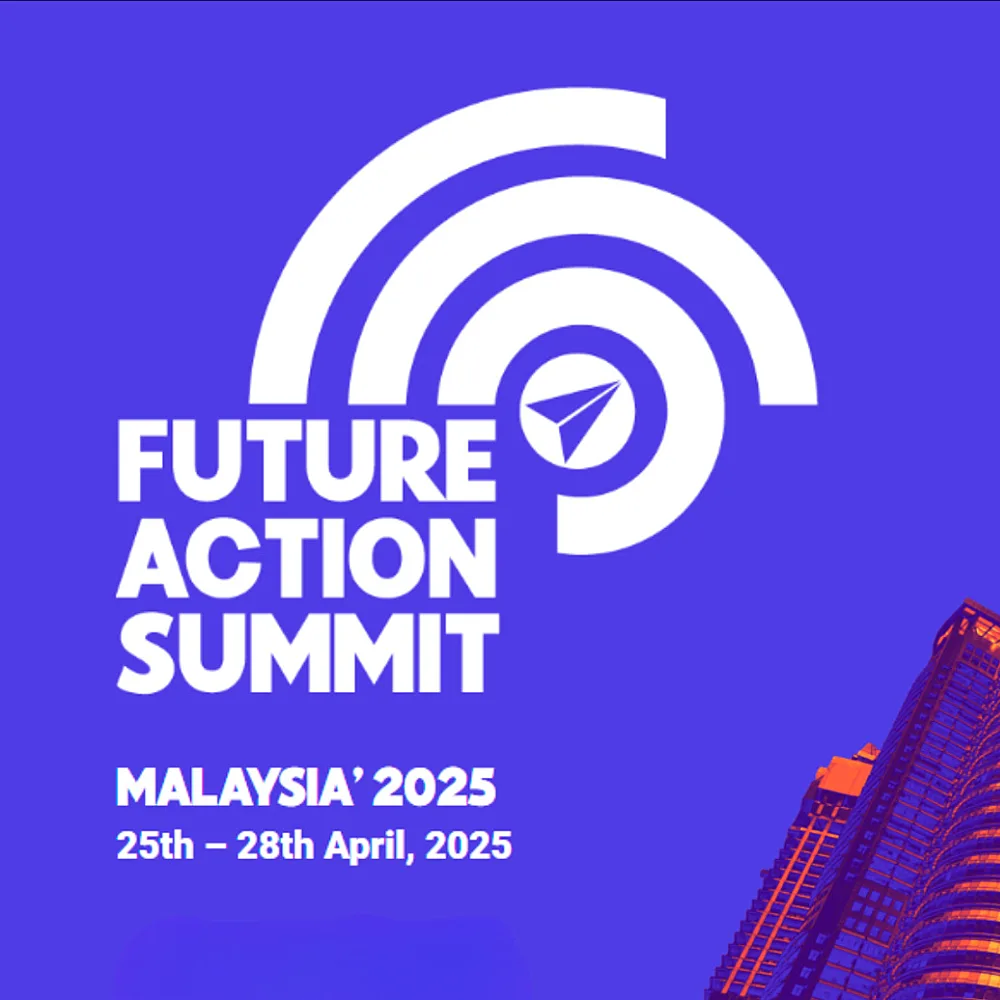
The Future Action Summit (FAS) Thailand 2025, organized by the global youth-led organization Echo Change, is a four-day international summit distinct from the UN's "Summit of the Future" that convened in September 2024. FAS Thailand is specifically designed as a launchpad for youth-led action, driving tangible progress towards the United Nations Sustainable Development Goals (SDGs).
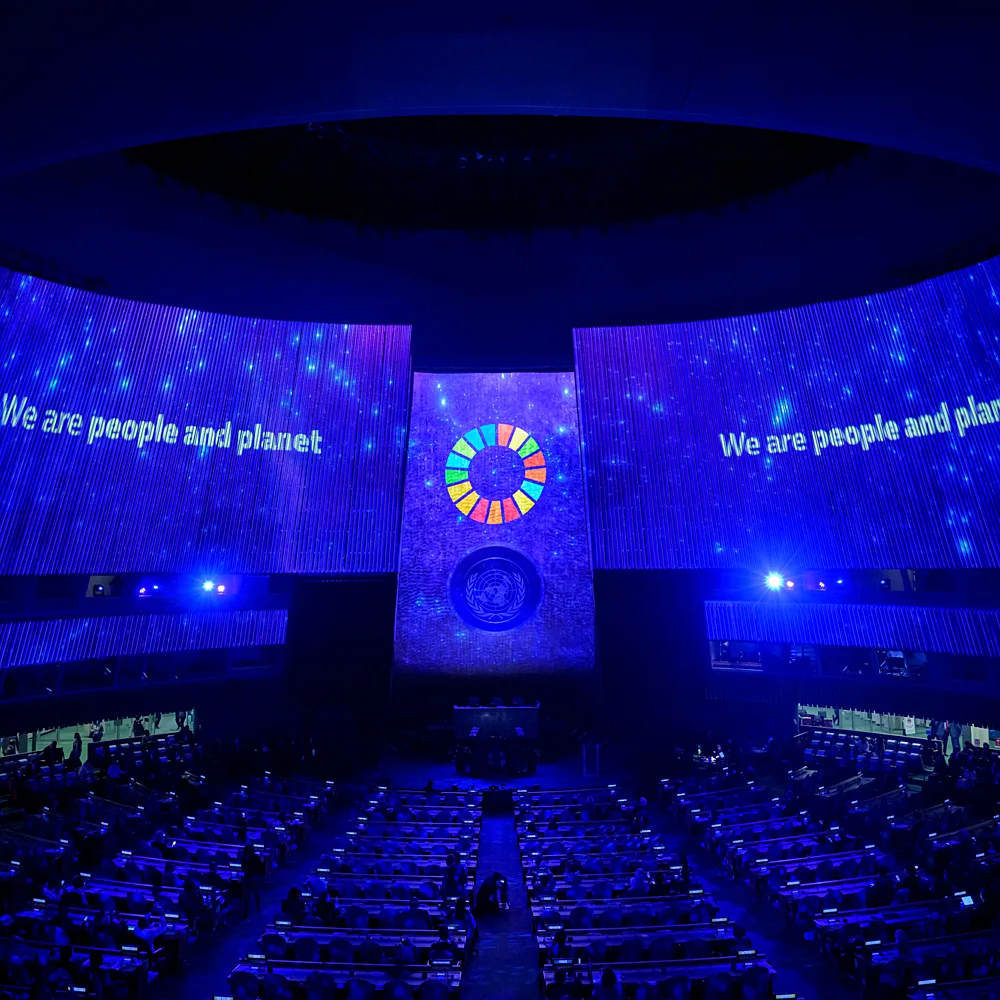
New York City hosts the UNGA High-Level Week and Global Goals Week, bringing together world leaders, civil society, business, academia, and youth with a unified focus on accelerating progress towards the Sustainable Development Goals (SDGs) and fostering a more sustainable future.

ICSD 2025 brings together global experts to align research, policy, and practice around key SDGs. Focused on interdisciplinary solutions, with emphasis on education and capacity and building for sustainable progress by 2030.
The largest global climate convening of the year, aligning with UNGA 80 and Global Goals Week to accelerate climate solutions through over 900 events; with an am of shifting climate discourse from problem awareness to practical implementation, emphasising economic opportunity, innovation, and cross-sector collaboration.
A quadrennial global gathering of conservation leaders, policy‑makers, Indigenous Peoples, and innovators, convening to shape the global nature agenda through bold themes, science, equity, and collective action.
A premier annual gathering in Berlin, bringing together global leaders across politics, science, business, and civil society to shape the future of health under the theme “Taking Responsibility for Health in a Fragmenting World.”

A dynamic one-day festival uniting global innovators and leaders in Vienna to showcase and accelerate climate‑tech solutions—from startups to researchers—culminating in the Climate Launchpad 2025 Global Grand Final.
Bringing together Africa’s sustainability ecosystem. This hybrid gathering is tailored for policymakers, investors, corporate leaders, and NGOs, focusing on ESG frameworks, climate finance, and sustainable innovation to drive Africa’s green transition.
Summary and evidence-based insights into corporate, government, and organisational sustainability disclosures across Africa, highlighting achievements, uncovering gaps, and spotlight opportunities for progress.