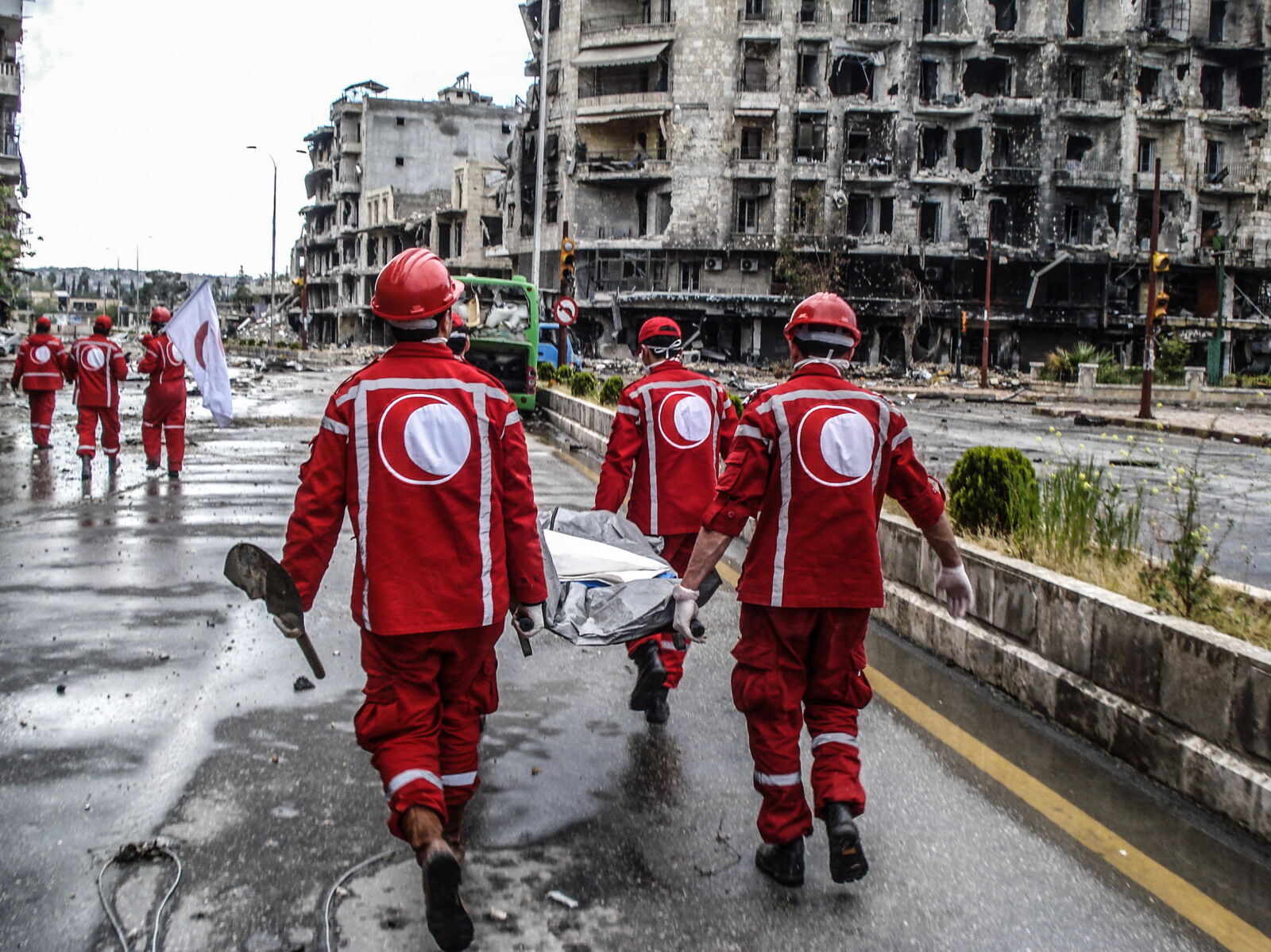
Healthcare workers in war zones face ethical decisions that are rarely encountered in peacetime medicine.
Treating enemy combatants, rationing scarce resources, and protecting patient confidentiality under threat have become defining dilemmas in modern conflict environments.
A recent scholarly analysis highlights how global medical ethics, anchored in neutrality, impartiality, and humanitarian law, must increasingly navigate political pressure, violence against hospitals, and the brutal realities of armed conflict.
Medical Ethics Under Conflict Pressure
In hospitals far from traditional battlefields, the ethics of medicine appear clear: treat patients, protect their dignity, and follow established codes such as the Hippocratic Oath.
However, when war erupts, those principles collide with the chaos of violence, political pressure, and collapsing healthcare systems.
A growing body of research suggests that doctors operating in armed conflict zones face moral dilemmas that few medical textbooks adequately prepare them for.
Health professionals must often decide who receives life-saving treatment first, whether to disclose confidential patient information under pressure, or how to treat injured fighters from opposing sides.
The research argues that while ethical principles remain constant, their application becomes far more complex in environments shaped by danger, scarcity, and competing loyalties.
War Zones Transform Healthcare Ethical Decision-Making
Healthcare workers occupy a critical humanitarian role during armed conflict and humanitarian crises. They function as a bridge between professional medical ethics and the harsh realities of violence, displacement, and collapsing institutions.
The research emphasises that international frameworks, particularly International Humanitarian Law (IHL), human rights law, and global medical codes, form the normative basis guiding healthcare conduct during conflicts.
These frameworks include instruments such as the Geneva Conventions, the World Medical Association’s ethical declarations, and guidelines developed by the International Committee of the Red Cross (ICRC).
At the heart of these principles lie four fundamental ethical imperatives:
- Neutrality: healthcare workers must not take sides in conflict
- Impartiality: treatment is provided based on medical need alone
- Independence: medical decisions should remain free from political influence
- Respect for human dignity: every patient deserves humane treatment
These principles ensure that healthcare remains a humanitarian service rather than an extension of warfare.
However, modern conflicts, from urban warfare to asymmetric insurgencies, are placing these principles under unprecedented strain.
Neutrality And Impartiality Tested In Conflict
One of the most difficult ethical tests in conflict medicine is impartiality.
Doctors are required to treat patients strictly according to need—even when the injured include enemy combatants. In theory, the rule is simple. In practice, it can be emotionally and politically difficult.
For example, a military physician might face two wounded soldiers requiring urgent care: one from their own army and one from an opposing force. Ethical standards dictate that treatment should prioritise the patient in greatest medical need rather than national loyalty.
The study notes that similar dilemmas occur even in civilian settings, such as emergency treatment rooms, where victims from a single accident or where one patient may be responsible for the incident.
Another major challenge is triage, the process of prioritising treatment when medical resources are overwhelmed.
Ethical Triage Priorities in Conflict Medicine
Patient Category | Medical Priority | Ethical Justification |
|---|---|---|
Critical but survivable injuries | Immediate treatment | Maximises life-saving potential |
Serious but stable injuries | Urgent care after critical cases | Balances resource allocation |
Minor injuries | Delayed treatment | Limited medical urgency |
Fatal injuries make it unlikely to survive | Palliative care only | Prevents waste of scarce resources |
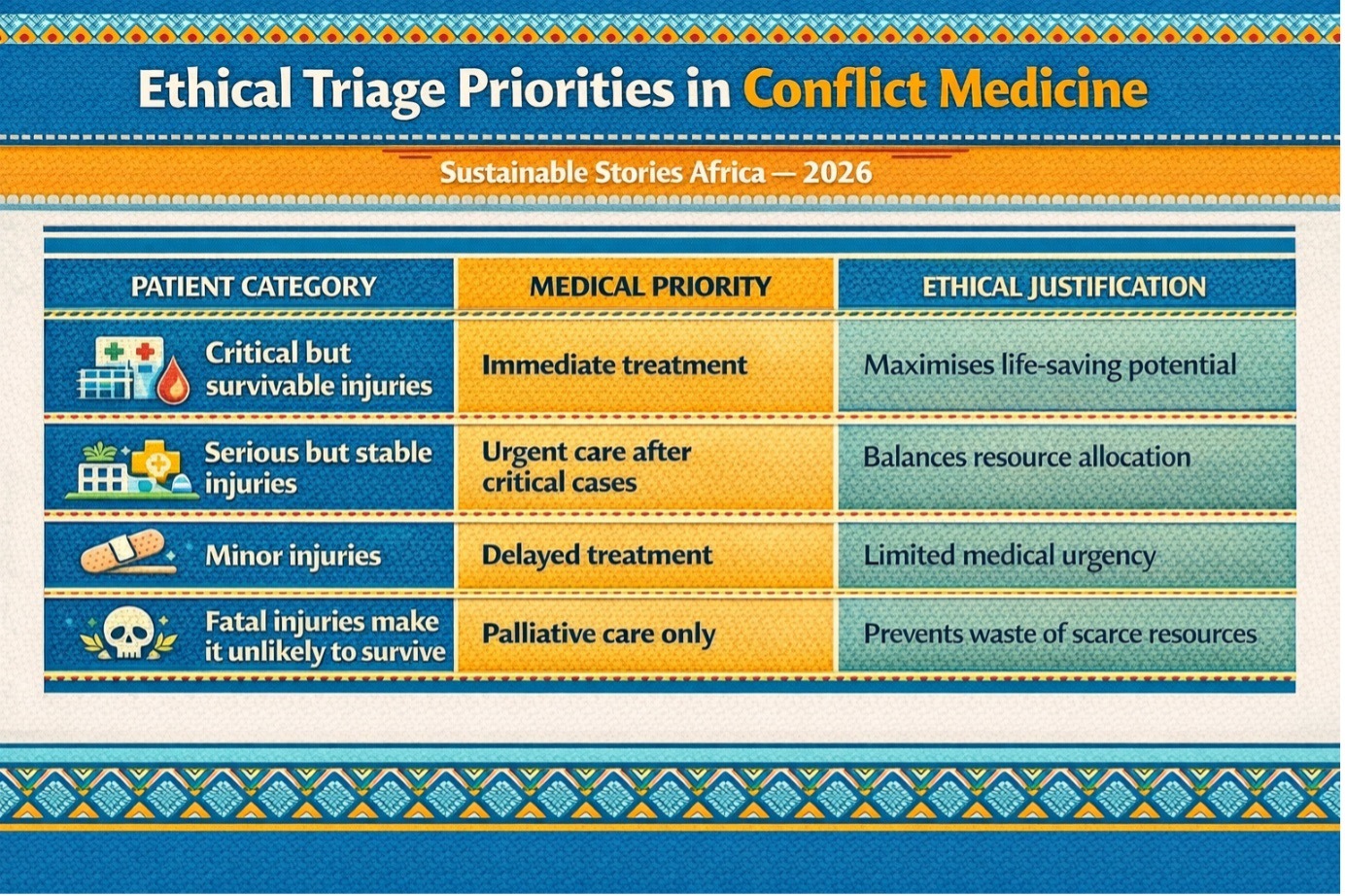
While triage exists in peacetime emergencies, research highlights that wartime conditions often involve far greater shortages of personnel, equipment, and medicine, making such decisions literal life-and-death judgments.
Key Ethical Challenges Facing Conflict Healthcare Workers
The research identifies several structural pressures confronting doctors working in war zones.
Ethical Pressures in Conflict Healthcare Systems
Ethical Challenge | Description |
|---|---|
Scarcity of medical resources | Limited drugs, hospital beds, and trained personnel |
Personal safety threats | Hospitals and health workers are increasingly targeted |
Political or military pressure | Demands to prioritise certain groups |
Confidentiality dilemmas | Pressure to disclose patient information |
Cultural and legal differences | Local norms may conflict with global medical ethics |
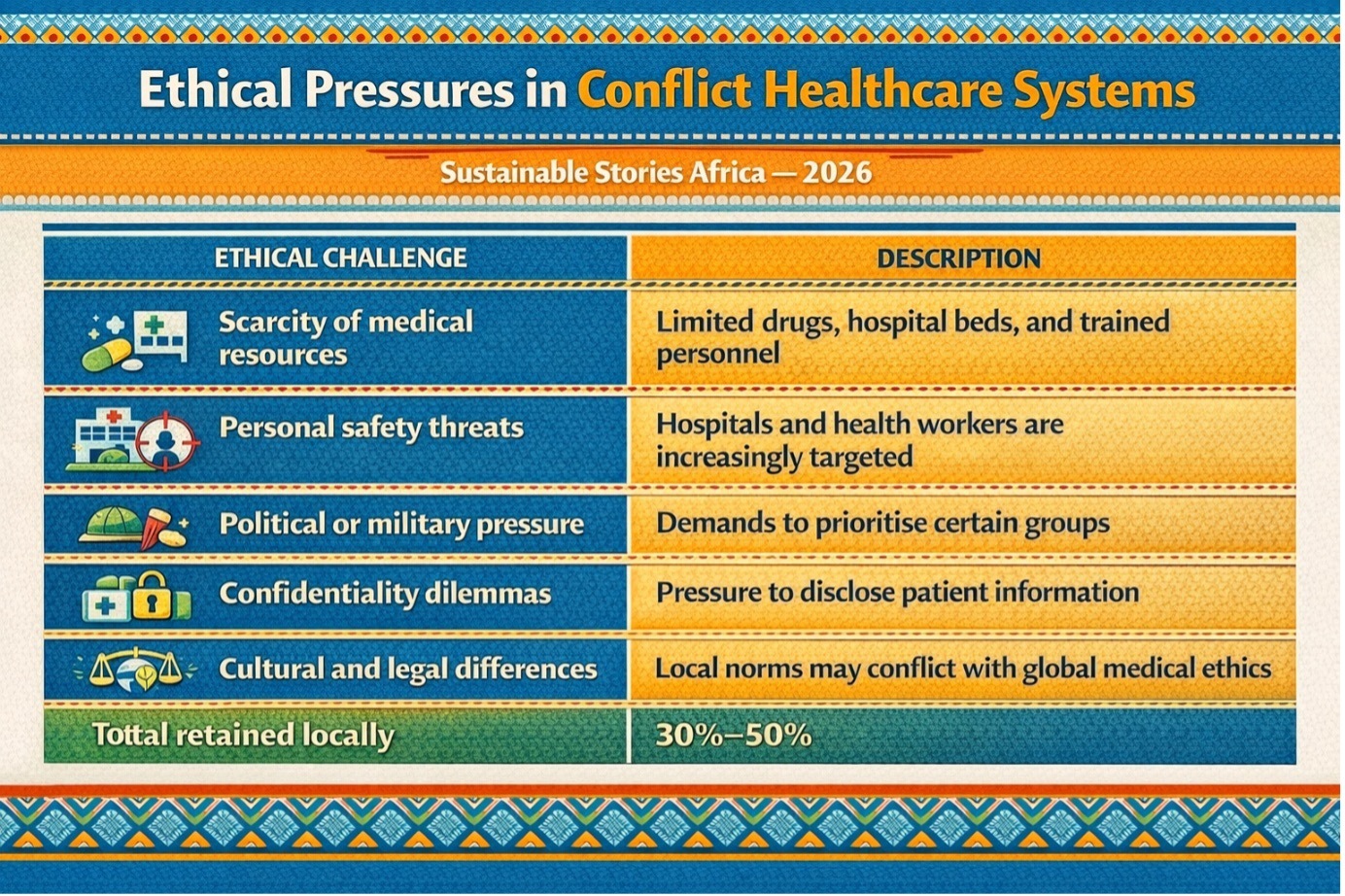
Violence against healthcare facilities has become an increasing concern globally, undermining both medical neutrality and humanitarian response.
Doctors may also face dual obligations to their patients and obligations to employers such as governments or military authorities.
The research stresses that ethical duties to patients must take precedence over institutional demands whenever conflicts arise.
Strengthening Ethical Training For Conflict Medicine
Experts argue that maintaining ethical standards during conflict requires stronger institutional preparation.
Several practical actions have been proposed:
- Enhanced ethics training for medical personnel deployed in conflict zones
- Clear guidance from professional associations and governments
- Protection of medical neutrality under international humanitarian law
- Improved global monitoring of attacks on healthcare facilities
- Strengthening international cooperation among humanitarian organisations
Medical associations and global health bodies also play an important role in advocating for laws that protect doctors who refuse to violate ethical principles.
Crucially, the research emphasises that ethical frameworks must be internalised before crises occur, as doctors rarely have time for prolonged reflection during emergencies.
PATH FORWARD – Reinforcing Ethics To Protect Humanity
Global medical ethics must remain the foundation of healthcare delivery, even in the most violent environments. Upholding neutrality, impartiality, and patient dignity preserves trust in medical institutions and protects vulnerable populations during crises.
Strengthening ethical training, protecting healthcare workers, and enforcing humanitarian law will be essential to ensuring that medicine remains a humanitarian force rather than a casualty of war.