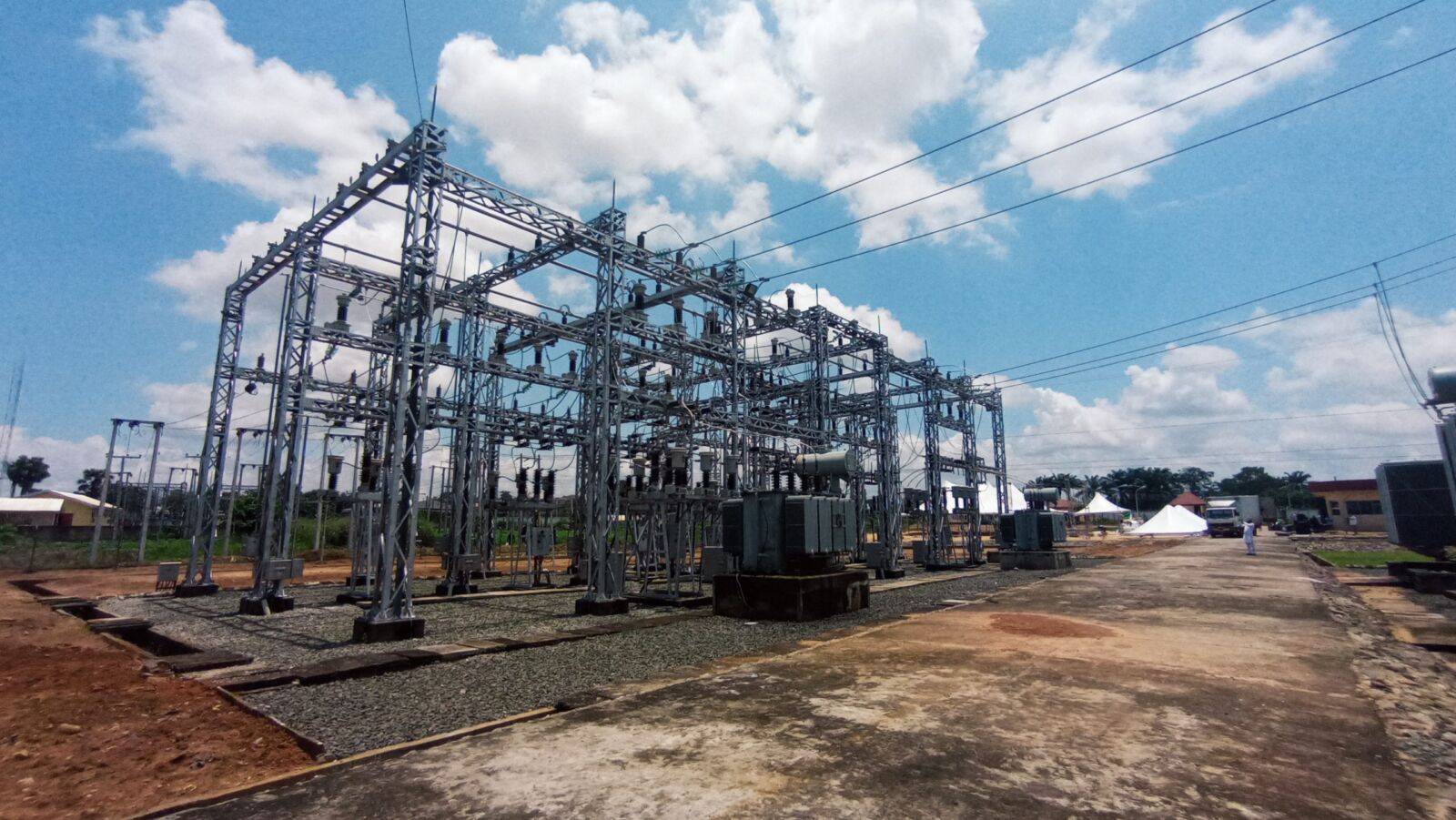
Kenya has built one of Africa’s strongest renewable electricity systems, with nearly 90% of power generation coming from clean sources.
However, a new IEA analysis shows the next challenge is not only adding more wind and solar.
It is building the flexibility, storage, open-access rules and ancillary services needed to keep the grid reliable.
Kenya’s Grid Enters Its Flexibility Era
Kenya’s energy transition has reached a decisive new stage. After expanding electricity access from 37% in 2013 to 79% in 2025, and building a power mix in which nearly 90% of electricity comes from renewable sources, the country now faces a more complex question: how to keep a cleaner grid stable, affordable and investment-ready as variable renewable energy grows.
The International Energy Agency’s report, Integrating Variable Renewable Energy in Kenya: Key Challenges and Strategic Priorities, argues that Kenya is already in Phase 3 of variable renewable energy integration.
That means wind and solar are no longer marginal additions; they are increasingly shaping how the power system is operated.
For African markets watching Kenya’s clean energy model, the lesson is clear: renewable leadership now depends on grid intelligence, not just generation capacity.
Renewables Success Now Faces Grid Reality
Kenya’s electricity story is one of Africa’s most important clean-energy case studies. The country has more than 3.5 gigawatts of installed generation capacity, dominated by renewables.
In 2025, geothermal accounted for 26% of installed capacity, hydro 24%, solar 12% and wind 12%, while thermal generation accounts for the remaining 26%.
This is a strong foundation. Geothermal provides steady baseload power. Hydropower offers flexibility. Wind and solar add low-carbon capacity and diversify supply.
However, as variable renewable energy rises, system operation becomes more demanding. Forecasting, dispatch, reserves, storage, voltage control and market rules all become central to reliability.
The IEA’s warning is not that Kenya has moved too fast. It is that the system around renewables must now catch up.
Variable Power Is Reshaping Operations
The IEA says Kenya’s power system is currently in Phase 3 of variable renewable energy integration, where wind and solar increasingly determine system operation, especially during periods of high wind output.
In 2024, variable renewable energy accounted for around 19% of total generation, including about 4% solar PV and 14% wind.
At this level, the grid begins to face sharper operating conditions.
- Wind generation may rise when demand is low.
- Solar generation can peak during the day and fall sharply toward evening.
- Hydropower and geothermal output may not always align with consumption patterns.
The result is a system that needs faster adjustments and better coordination.
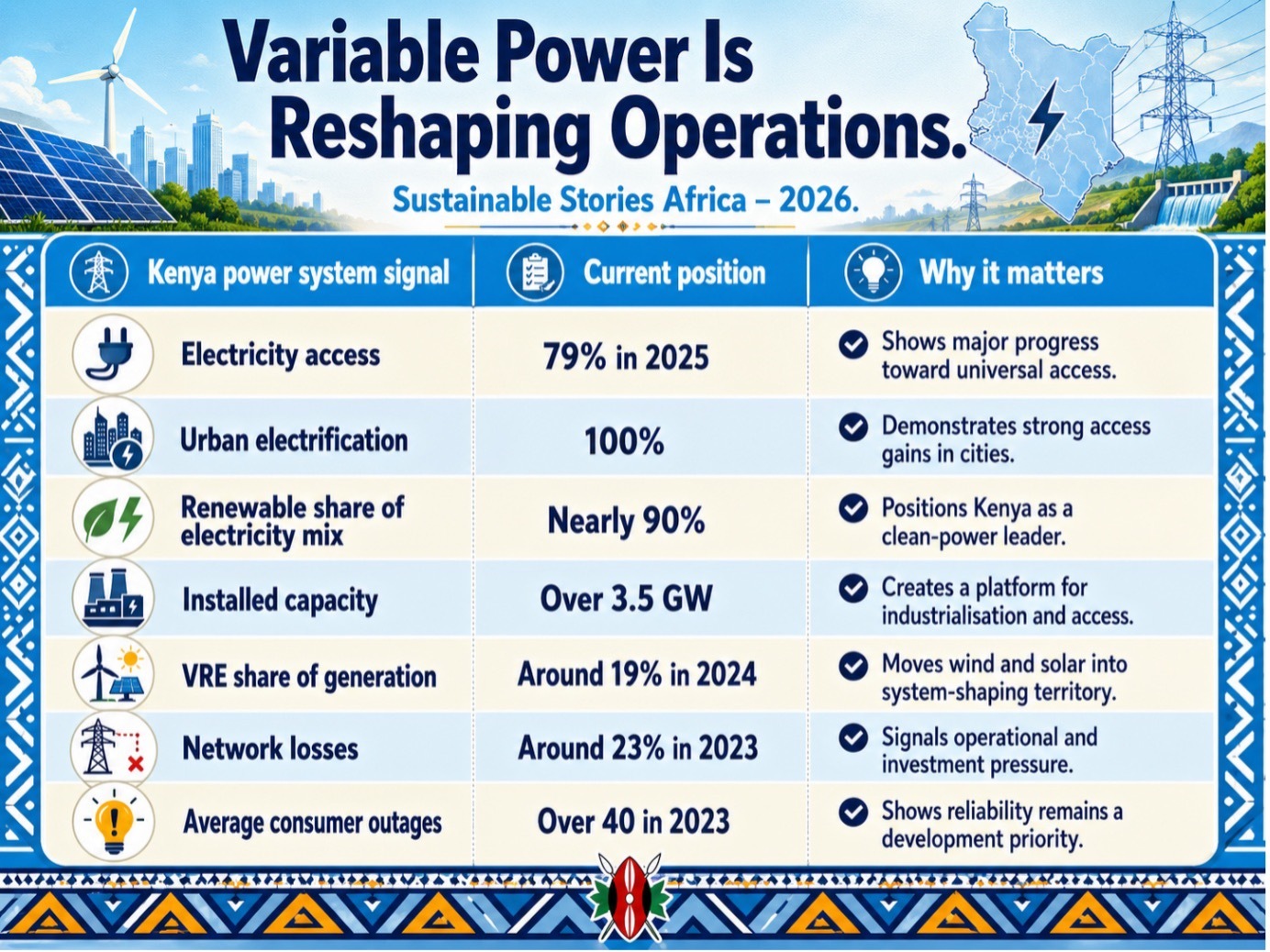
The numbers matter because power reliability is not an abstract engineering issue. It determines whether cold chains preserve food, hospitals keep equipment running, factories maintain production schedules, and households trust electric services enough to increase consumption.
For Kenya’s Vision 2030 ambition of becoming a newly industrialising middle-income country, the grid is now part of the country’s competitiveness strategy.
Open Access Could Unlock New Investment
Open access reform sits at the heart of Kenya's energy market evolution. By allowing generators and large consumers to contract directly over shared networks, open access can expand competition, diversify supply and create new commercial pathways for renewable developers.
Kenya has the legal foundation in place. The Energy Act 2019 formalised transmission-level open access, with the 2024 Energy Regulations that clarify operational rules.
However, implementation remains in the early stages, and key regulatory instruments are still pending.
The structural question is significant. Kenya's current single-buyer model centralises procurement through Kenya Power and Lighting Company. As open access matures, KPLC's role must evolve from sole offtaker to network service provider, a transition requiring clear rules to prevent conflicts of interest and guarantee non-discriminatory grid access.
For investors, predictability is everything. Transparent wheeling tariffs and grid-access procedures will determine whether renewable projects become bankable realities.
Storage Becomes The Missing Bridge
The IEA identifies storage and flexibility as critical to Kenya’s next phase. In 2023, the country recorded network losses of around 23% and more than 40 outages for the average consumer.
Kenya is already planning more than $2 billion in grid investment by 2030; however, storage can reduce pressure by absorbing excess generation, supporting voltage and frequency regulation, and reducing the need for additional generation and transmission assets.
Battery energy storage systems are especially important for short-duration flexibility. They can respond quickly, help balance intraday changes, support hybrid renewable projects and reduce curtailment.
Kenya is expected to develop more than 400 megawatts of stand-alone battery storage before 2035, alongside more than 500 megawatts of hybrid variable renewable energy and battery projects.
However, batteries cannot solve every flexibility problem. Weekly and seasonal variability may require pumped-storage hydro, dispatchable generation, interconnection, demand-side response and better use of regional markets.
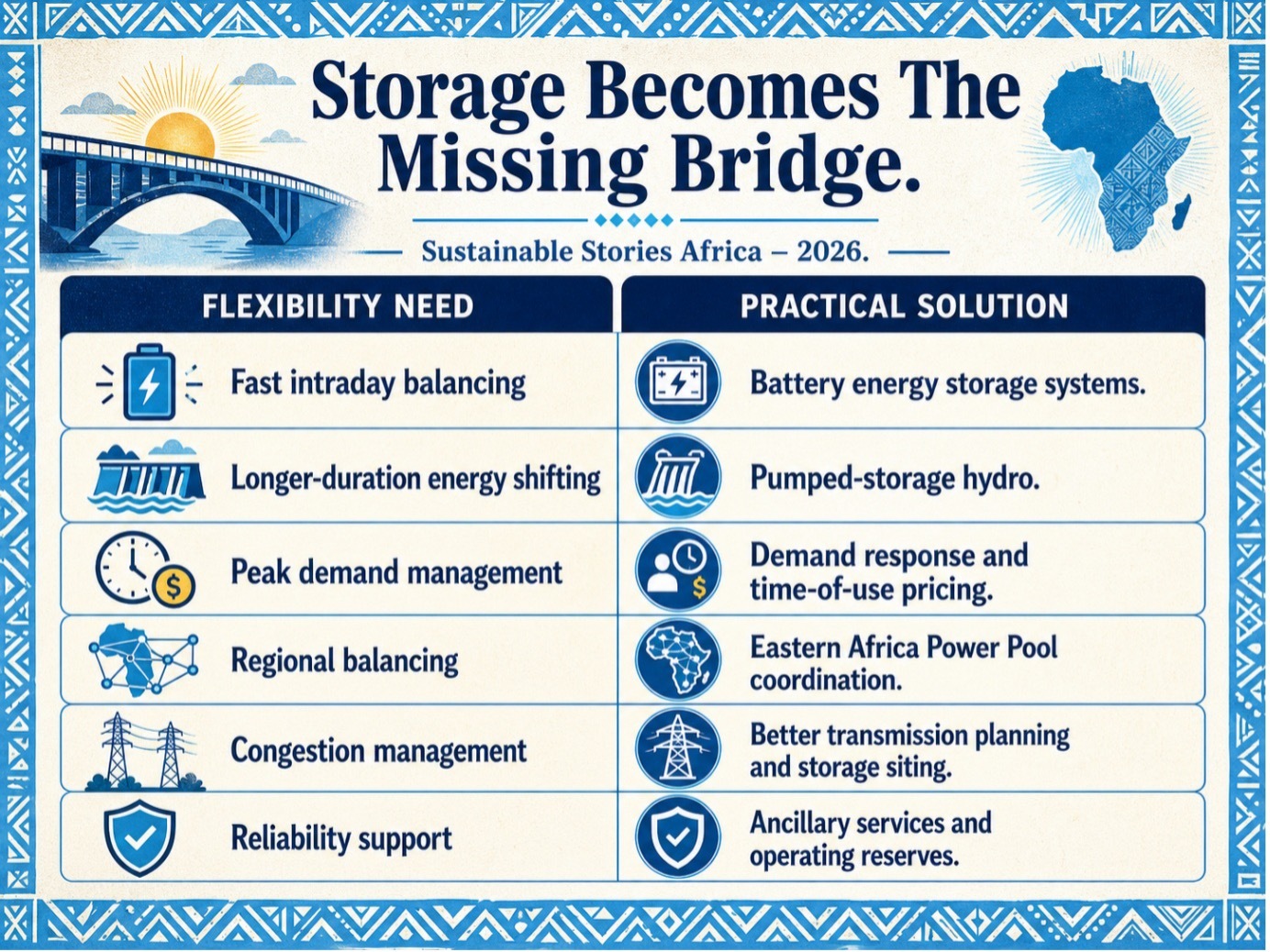
For households and businesses, these technical reforms translate into something simple: fewer interruptions, lower system stress and better use of Kenya’s abundant clean energy.
Ancillary Services Need Clear Market Rules
As renewable variability grows, Kenya will also need a more formal framework for ancillary services, the services that keep the electricity system stable in real time. These include frequency control, voltage regulation, operating reserves and black-start capability after system disruptions.
The IEA notes that Kenya currently does not operate a dedicated ancillary services market. Many services are implicitly provided through existing generation and dispatch arrangements, particularly by KenGen.
That may work in a less dynamic system, but it becomes less adequate as wind and solar grow.
A modern system needs clear definitions, procurement rules and compensation. Generators and storage providers must know what services are required, how they will be measured and how they will be paid.
Otherwise, critical system support remains under-valued, under-invested and vulnerable to stress.
The report recommends a phased approach: begin with structured agreements and cost-based remuneration, then gradually move toward more competitive and performance-based mechanisms as Kenya’s market and digital systems mature.
Kenya’s Reform Agenda Must Move Together
The IEA’s core message is that adding generation alone will not solve Kenya’s emerging power-system pressures. Open access, flexibility, storage and ancillary services must move together.
- For government and regulators, the immediate task is to finalise transparent open-access tariffs, update grid codes, define storage connection rules and create an ancillary services framework.
- For KETRACO, KPLC and EPRA, the challenge is operational coordination: planning grid expansion, managing congestion, defining market roles and ensuring consumers remain protected.
- For investors, the opportunity is significant. Battery storage, hybrid renewable projects, grid technologies, demand-side flexibility and regional trading could become new growth areas.
However, bankability will depend on clear revenue models and predictable regulation.
- For citizens, the benefit is practical and visible: a cleaner grid that works when homes, hospitals, schools and businesses need it most.
Path Forward – For Kenya’s Grid
Kenya’s clean-power leadership now depends on flexibility, not only generation.
The next priority is a smarter grid built around storage, open access, forecasting, ancillary services and transparent market rules.
The wider African lesson is powerful: renewable energy becomes transformational when grids can absorb, balance and deliver it reliably.
Kenya can show how clean power supports access, investment, industrialisation and climate resilience at once.