Public attitudes toward economic progress are shifting. Across many countries, citizens are increasingly questioning the long-standing model of growth at any cost.
Rising climate risks, inequality, and environmental pressures are pushing voters and consumers to demand new economic priorities.
The shift could reshape corporate strategies, public policy, and investment decisions as societies rethink what prosperity truly means.
Citizens Reconsider The Cost Of Endless Growth
For decades, economic success was measured largely by a single model: growth.
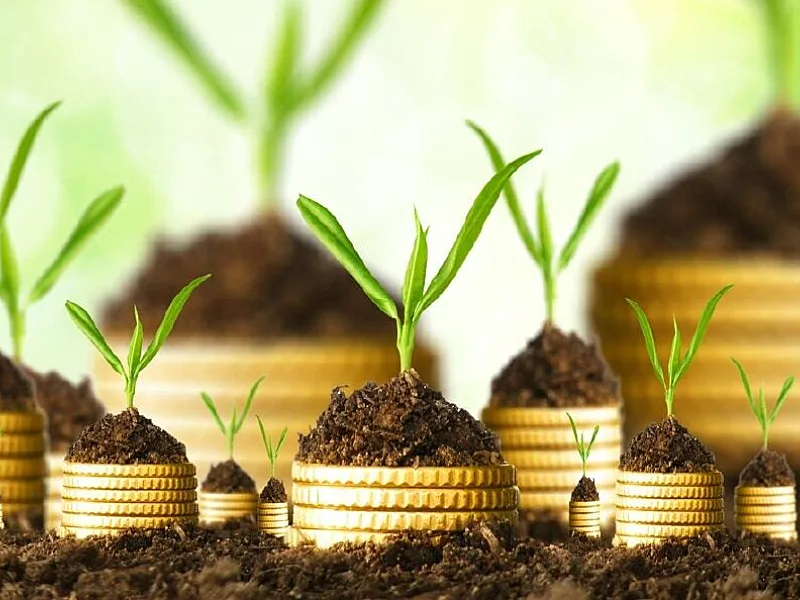
However, a growing body of public opinion suggests that the world may be entering a new era, one in which prosperity is increasingly defined by sustainability, resilience, and social well-being, rather than rising GDP.
Recent global surveys and policy debates show a significant shift in attitudes. Many citizens now believe that economic growth must be balanced with environmental protection, social equity, and long-term stability.
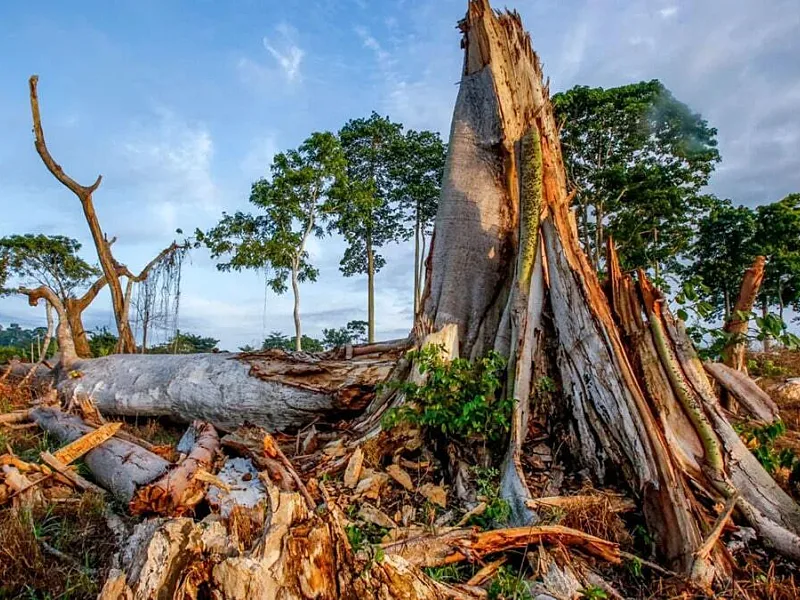
This change is unfolding amid escalating climate risks, biodiversity loss, and widening inequality, issues that have intensified scrutiny of the traditional economic model.
Institutions such as the United Nations and the World Economic Forum have increasingly highlighted the need for economic systems that deliver both prosperity and sustainability.
For policymakers and businesses alike, the implications are profound: the era of growth-at-all-costs economics may be fading.
Public Expectations Of Economic Success Are Changing
Public sentiment is evolving as communities confront the real-world consequences of economic expansion that neglects environmental and social limits.
Climate change, extreme weather events, rising living costs, and resource pressures are reshaping how people evaluate economic progress.
A growing number of voters now support policies that prioritise sustainability, even if those policies moderate short-term growth.
Changing Public Priorities
Economic Priority | Traditional Model | Emerging Public Expectation |
|---|---|---|
Economic growth | Primary measure of success | Balanced with sustainability |
Corporate performance | Profit maximisation | Profit with social responsibility |
Resource use | Expansion and extraction | Circular economy and efficiency |
Policy focusses | GDP growth | Inclusive and sustainable prosperity |
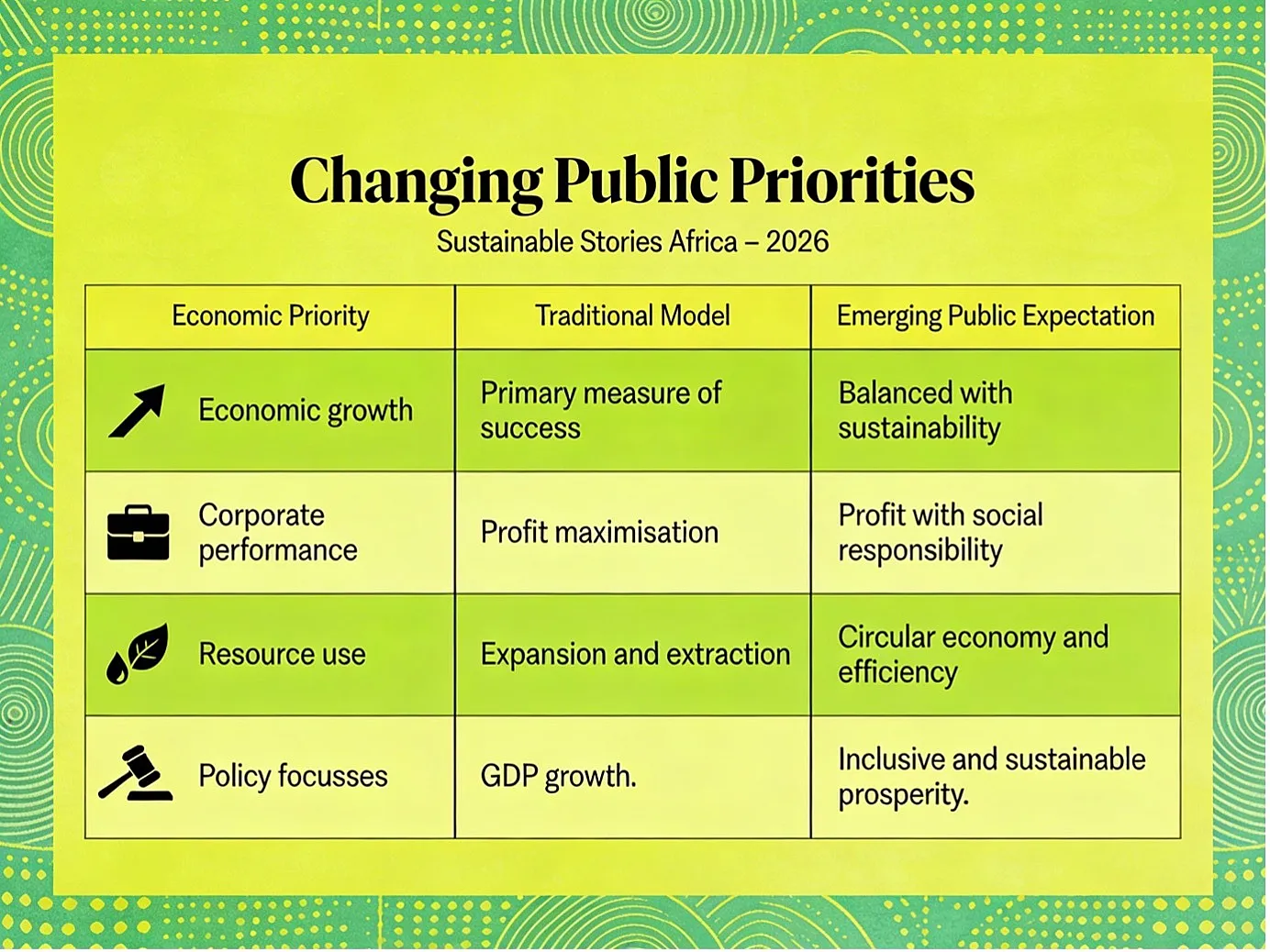
These evolving expectations are influencing governments, investors, and corporations worldwide.
For example, sustainability reporting frameworks, climate disclosure rules, and ESG investing strategies have expanded rapidly in recent years.
Organisations such as the International Monetary Fund and the Organisation for Economic Co‑operation and Development are increasingly exploring alternative indicators of prosperity, including wellbeing, environmental sustainability, and resilience.
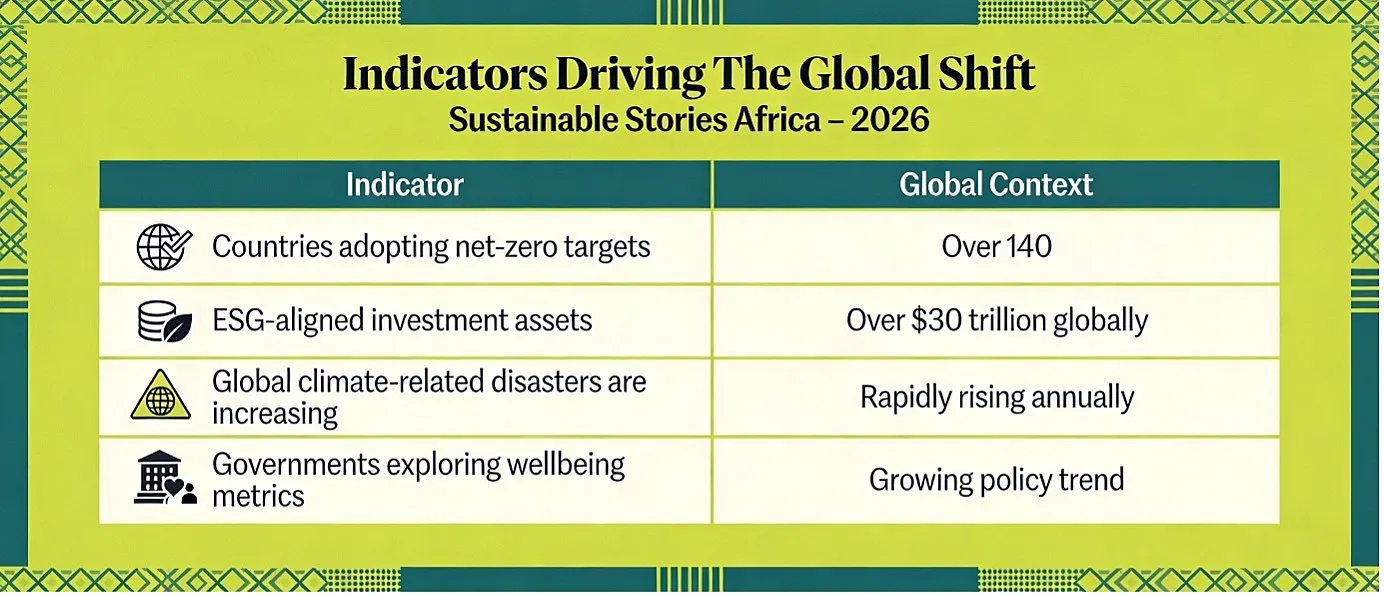
Indicators Driving The Global Shift
Indicator | Global Context |
|---|---|
Countries adopting net-zero targets | Over 140 |
ESG-aligned investment assets | Over $30 trillion globally |
Global climate-related disasters are increasing | Rapidly rising annually |
Governments exploring wellbeing metrics | Growing policy trend |
For African economies, the debate is particularly relevant.
Rapid population growth, urbanisation, and infrastructure demand require economic expansion but also raise questions about how growth can occur without repeating the environmental mistakes seen elsewhere.
Toward A More Balanced Model Of Prosperity
The shift in public opinion reflects a growing belief that economic systems can, and should, deliver multiple outcomes simultaneously.
A more balanced model of development could combine:
- Strong economic growth
- Environmental sustainability
- Inclusive prosperity
- Long-term resilience
For Africa, this approach aligns closely with the continent’s development priorities.
Renewable energy expansion, sustainable agriculture, circular economy industries, and climate-resilient infrastructure all represent opportunities to build prosperity without locking in unsustainable systems.
Companies that embrace this shift may also gain competitive advantages.
Consumers increasingly prefer brands that demonstrate environmental responsibility and ethical business practices, while investors are allocating capital toward companies aligned with sustainability goals.
In this emerging landscape, economic growth is no longer rejected; it is redefined.
Governments And Businesses Must Adapt
The shift in public expectations is beginning to influence real-world policy and market behaviour.
Governments are introducing climate regulations, sustainability disclosure rules, and green investment incentives.
Investors are demanding stronger ESG performance from companies.
And corporations are integrating sustainability into core strategies, from supply chains to product design.
However, achieving meaningful change will require coordinated action across sectors.
Key priorities include:
- Developing economic metrics beyond GDP
- Expanding sustainable infrastructure investment
- Encouraging circular economy industries
- Aligning financial markets with climate and sustainability goals
Ultimately, societies are not rejecting growth itself, but asking a deeper question: growth for what purpose?
The answer may determine how the next phase of global development unfolds.
Path Forward – Rethinking Prosperity For A Sustainable Future
Public opinion is increasingly shaping a new economic narrative, one that values sustainability, resilience, and shared prosperity alongside growth.
For African economies and global markets alike, the challenge is to translate this shift into policies, investments, and business models that deliver development while protecting the planet.
Culled From: Public Opinion Is Moving beyond Growth at Any Cost