China is preparing to launch its 15th Five-Year Plan (2026 – 2030), a policy blueprint that will shape the country’s climate trajectory and influence global emissions for the rest of the decade.
The plan introduces new carbon-intensity targets and expands renewable energy, while maintaining a strategic role for coal and industrial growth.
For developing economies and African markets watching global climate leadership, the decisions embedded in this plan could reshape investment flows, energy markets, and the pace of the global energy transition.
China’s Climate Blueprint Enters A Crucial Decade
China is poised to unveil its 15th Five-Year Plan, a national development roadmap covering 2026–2030, that could determine the direction of global climate action for years to come. As the world’s largest greenhouse-gas emitter, China’s policy decisions influence not only its domestic economy but the trajectory of global energy systems.
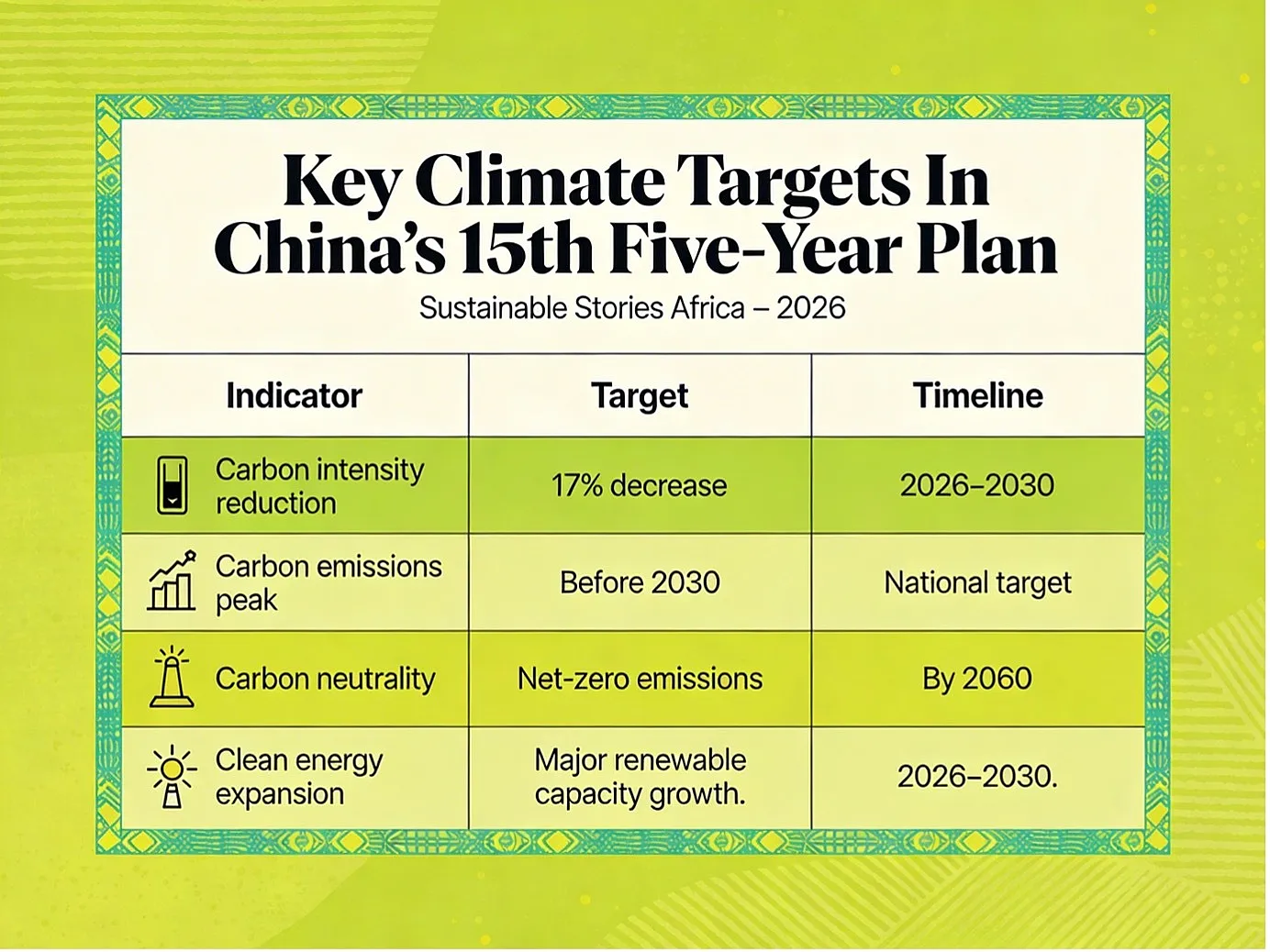
At the core of the plan is a 17% reduction in carbon intensity, the amount of emissions produced per unit of GDP, over the next five years.
The roadmap also reinforces China’s long-standing climate pledge:
- Peak carbon emissions before 2030
- Achieve carbon neutrality by 2060
However, the strategy signals a pragmatic balancing act: to accelerate its renewable energy while preserving coal as a pillar of energy security and industrial growth.
For policymakers and investors worldwide, the message is clear: China’s climate transition will proceed, but at a pace shaped as much by economic resilience as environmental ambition.
Clean Energy Expansion Meets Coal Reality
The upcoming five-year plan builds on China’s rapidly expanding clean-energy ecosystem.
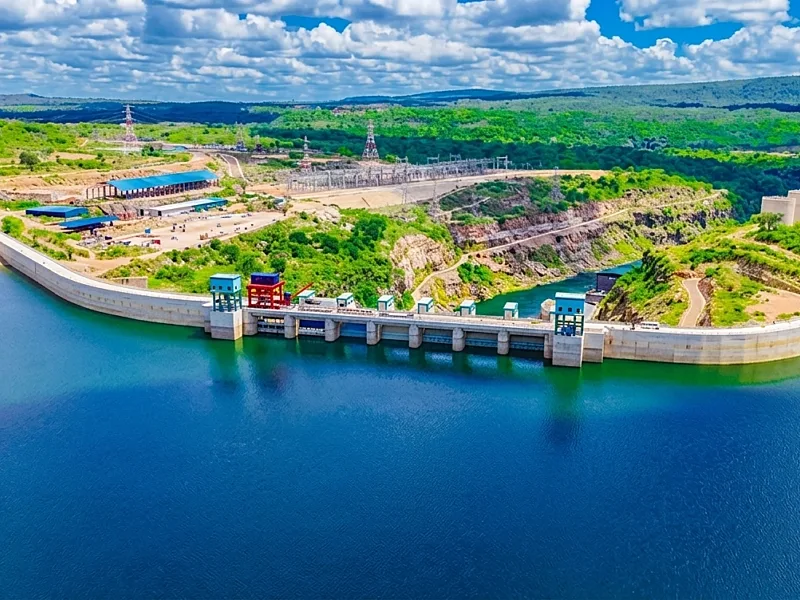
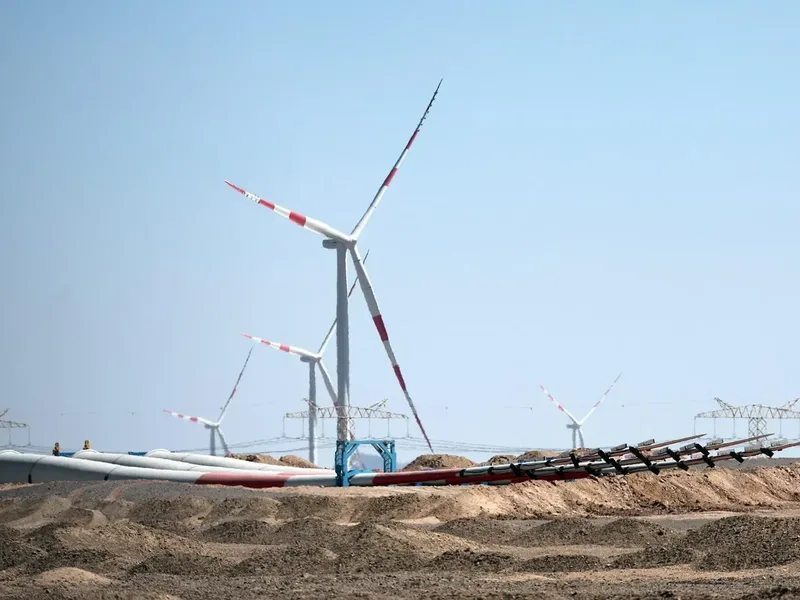
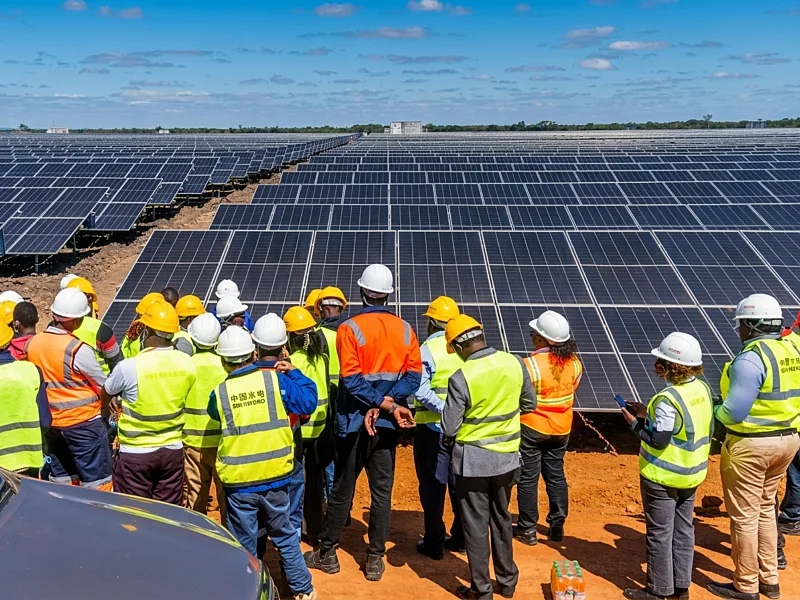
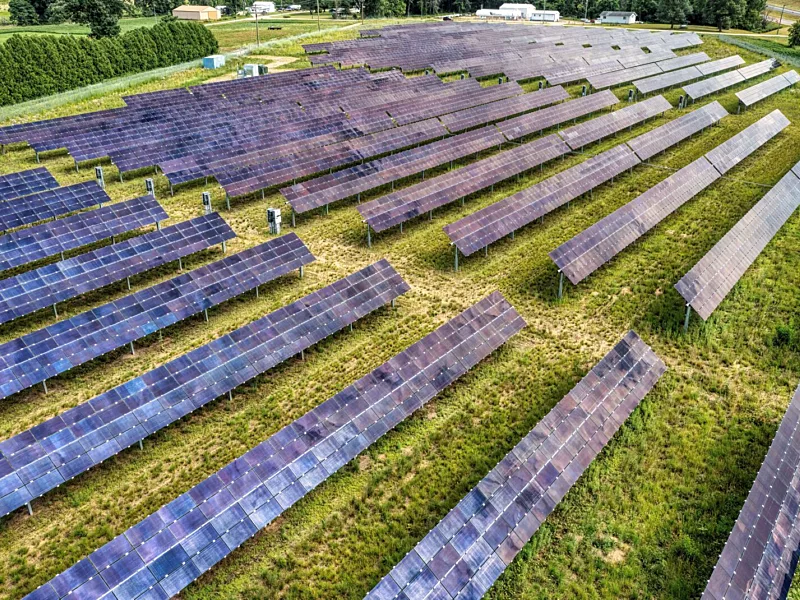
Over the past decade, China has built the world’s largest renewable power system, with wind, solar, hydro, and nuclear capacity growing at record speed.
The new policy framework emphasises three key priorities:
- Accelerating renewable energy deployment.
- Modernising power grids and energy systems.
- Shifting policy focus from energy consumption limits to direct carbon-emissions control.
At the same time, Beijing continues to hedge against energy shortages by keeping coal within the energy mix.
Analysts argue that coal use is expected to plateau rather than rapidly decline, reflecting concerns about energy reliability and industrial competitiveness.
Key Climate Targets In China’s 15th Five-Year Plan
Indicator | Target | Timeline |
|---|---|---|
Carbon intensity reduction | 17% decrease | 2026–2030 |
Carbon emissions peak | Before 2030 | National target |
Carbon neutrality | Net-zero emissions | By 2060 |
Clean energy expansion | Major renewable capacity growth | 2026–2030 |
China’s policymakers argue that this measured transition is necessary. The country must ensure economic growth, support heavy industry, and provide stable energy for over 1.4 billion people.
Still, the implications extend far beyond China.
Global supply chains, from solar panels and electric vehicles to battery minerals, are deeply intertwined with Chinese industrial strategy. The policies adopted in Beijing can accelerate or slow the pace of decarbonisation worldwide.
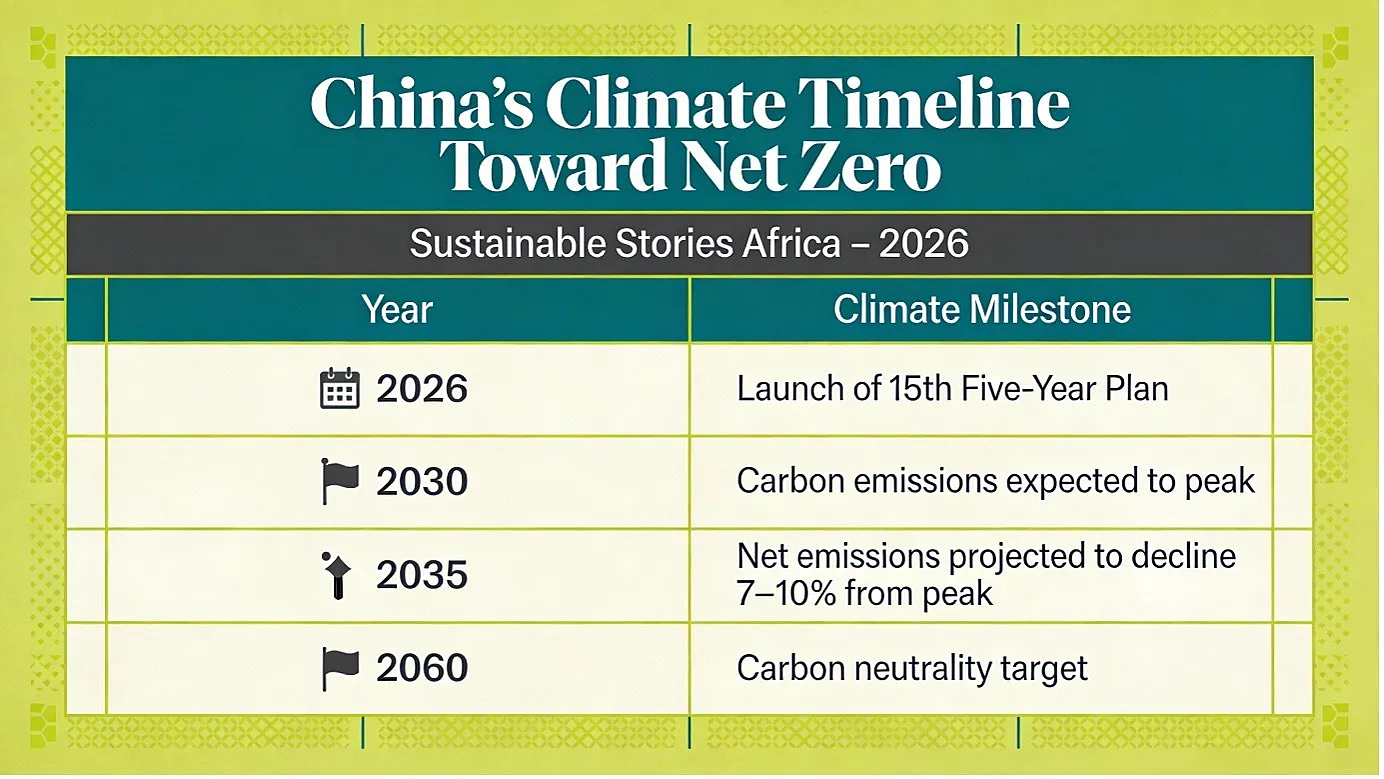
China’s Climate Timeline Toward Net Zero
Year | Climate Milestone |
|---|---|
2026 | Launch of 15th Five-Year Plan |
2030 | Carbon emissions expected to peak |
2035 | Net emissions projected to decline 7–10% from peak |
2060 | Carbon neutrality target |
The Opportunity Behind A Managed Energy Transition
Despite its cautious tone, the plan signals enormous opportunities for the global clean-energy economy.
China is expected to intensify investments in:
- Offshore wind
- Green hydrogen
- Electric vehicles
- Zero-carbon infrastructure
The country is already the world’s largest manufacturer of solar panels, batteries, and EV technologies, industries central to the global decarbonisation effort.
For African economies and other Global South regions, China’s green industrial expansion could unlock several opportunities:
- Lower costs for renewable technology imports
- Expanded climate finance partnerships
- New markets for critical minerals such as lithium, cobalt, and manganese
If implemented effectively, China’s strategy could accelerate global renewable deployment and help developing nations leapfrog into cleaner energy systems.
But the stakes remain high.`
Failure to deliver deeper emissions cuts before 2030 could significantly compromise the 1.5 °C climate target.
Key Energy Priorities Under China’s New Plan
Sector | Strategic Direction |
|---|---|
Renewable energy | Massive expansion of solar and wind capacity |
Power grid | Modernisation to integrate variable renewables |
Industry | Low-carbon manufacturing transition |
Transport | Rapid EV deployment |
Fossil fuels | Coal is maintained for energy security |
Global Implications Of China’s Climate Policy
Impact Area | Potential Outcome |
|---|---|
Global emissions | Faster decline if China peaks emissions early |
Renewable supply chains | Lower costs for clean technologies |
Commodity markets | Increased demand for critical minerals |
Climate diplomacy | Greater pressure on other major emitters |
Global Climate Cooperation Must Accelerate
China’s five-year plan highlights a fundamental truth about the energy transition: climate ambition must coexist with economic stability.
For governments, investors, and development institutions, three priorities emerge:
- Accelerate clean-energy investment globally, particularly in emerging markets.
- Strengthen international climate cooperation, ensuring major emitters move faster together.
- Support energy transitions in developing economies, where demand growth will shape future emissions.
For Africa, the implications are especially significant.
As China scales renewable manufacturing and clean-technology exports, African nations have an opportunity to build resilient energy systems, reducing dependence on fossil fuels while expanding electricity access.
But capturing that opportunity will require strategic policy alignment, financing frameworks, and regional energy planning.
Path Forward – Global Climate Leadership Enters Testing Phase
China’s new five-year plan marks a defining moment for the world’s energy transition. Its mix of renewable expansion and coal pragmatism reflects the difficult balance between climate ambition and economic stability.
For Africa and the wider Global South, the coming decade will determine whether China’s climate strategy becomes a catalyst for global decarbonisation or a reminder that the path to net zero remains politically and economically complex.