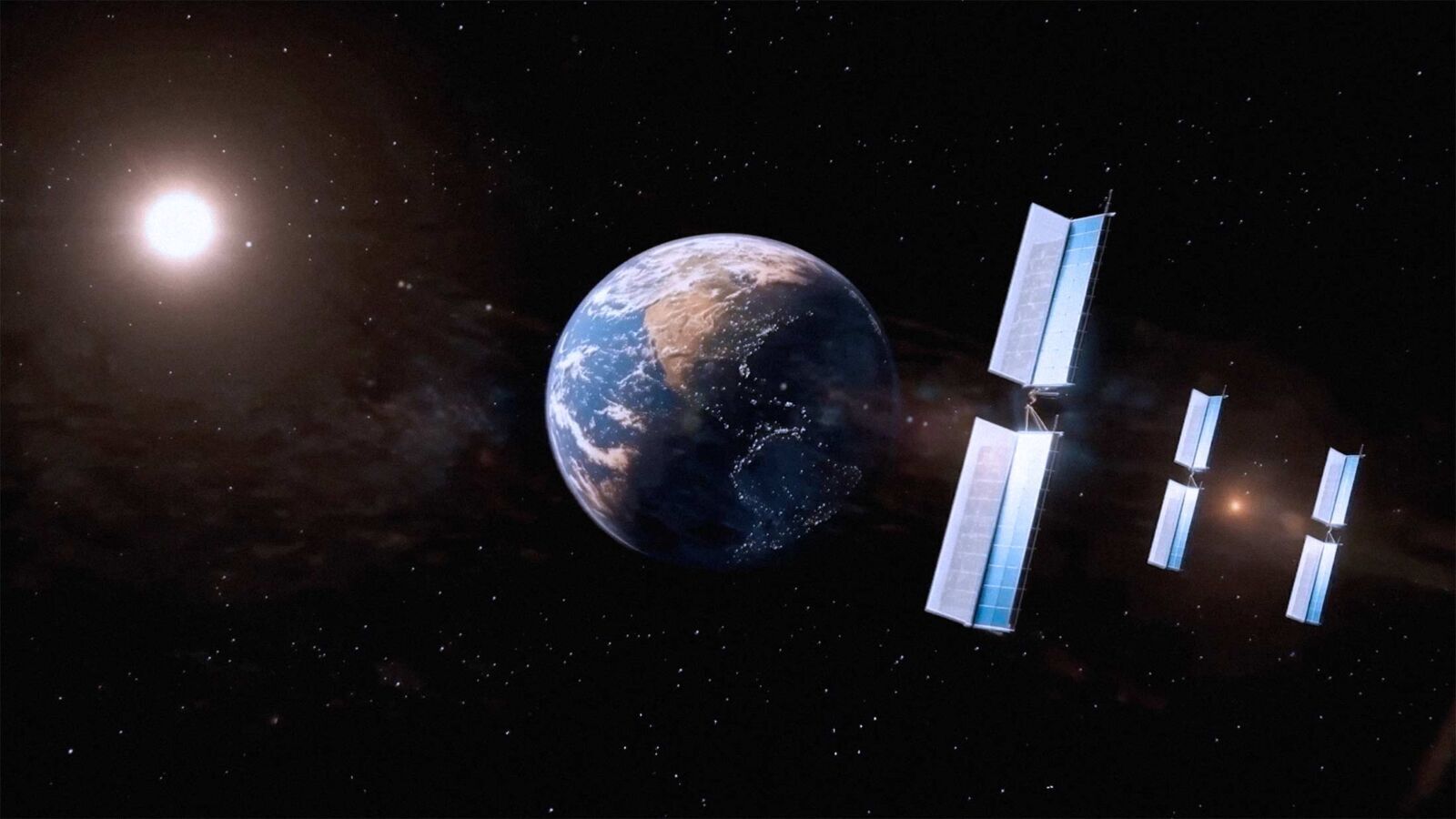
Meta has signed a first-of-its-kind agreement with Overview Energy for early access to up to 1 gigawatt of space solar capacity.
The deal matters because AI data centres need reliable power beyond daylight hours.
For Africa and the Global South, it raises a bigger question: who will own the next generation of clean digital infrastructure?
A New Power Race Moves Into Orbit
Meta is pushing the energy frontier for artificial intelligence beyond terrestrial grids, signing an agreement with Overview Energy for early access to up to 1 gigawatt of space-based solar capacity for its U.S. data centres.
Announced on April 27, the deal positions the company among the first to secure future supply from an orbit-to-grid system designed to deliver continuous solar power beyond daylight hours.
Overview Energy’s model involves satellites in geosynchronous orbit capturing constant sunlight and transmitting it as low-intensity infrared energy to ground-based solar facilities for conversion into electricity.
A demonstration is planned for 2028, with commercial rollout targeted for 2030. For Meta, the move reflects more than a clean energy shift; it signals a strategic response to rising AI-driven power demand.
As digital infrastructure scales, electricity is emerging as a critical asset, underscoring a new phase of capital-intensive investment shaping the future of the global energy system.
Why Night Power Now Matters More
Meta is trying to address a central constraint in clean energy systems: solar power is abundant during the day, while AI-driven data centres require uninterrupted electricity.
Its partnership with Overview Energy aims to extend solar generation into non-daylight hours, enabling round-the-clock output from existing solar farms without significant new land or grid expansion.
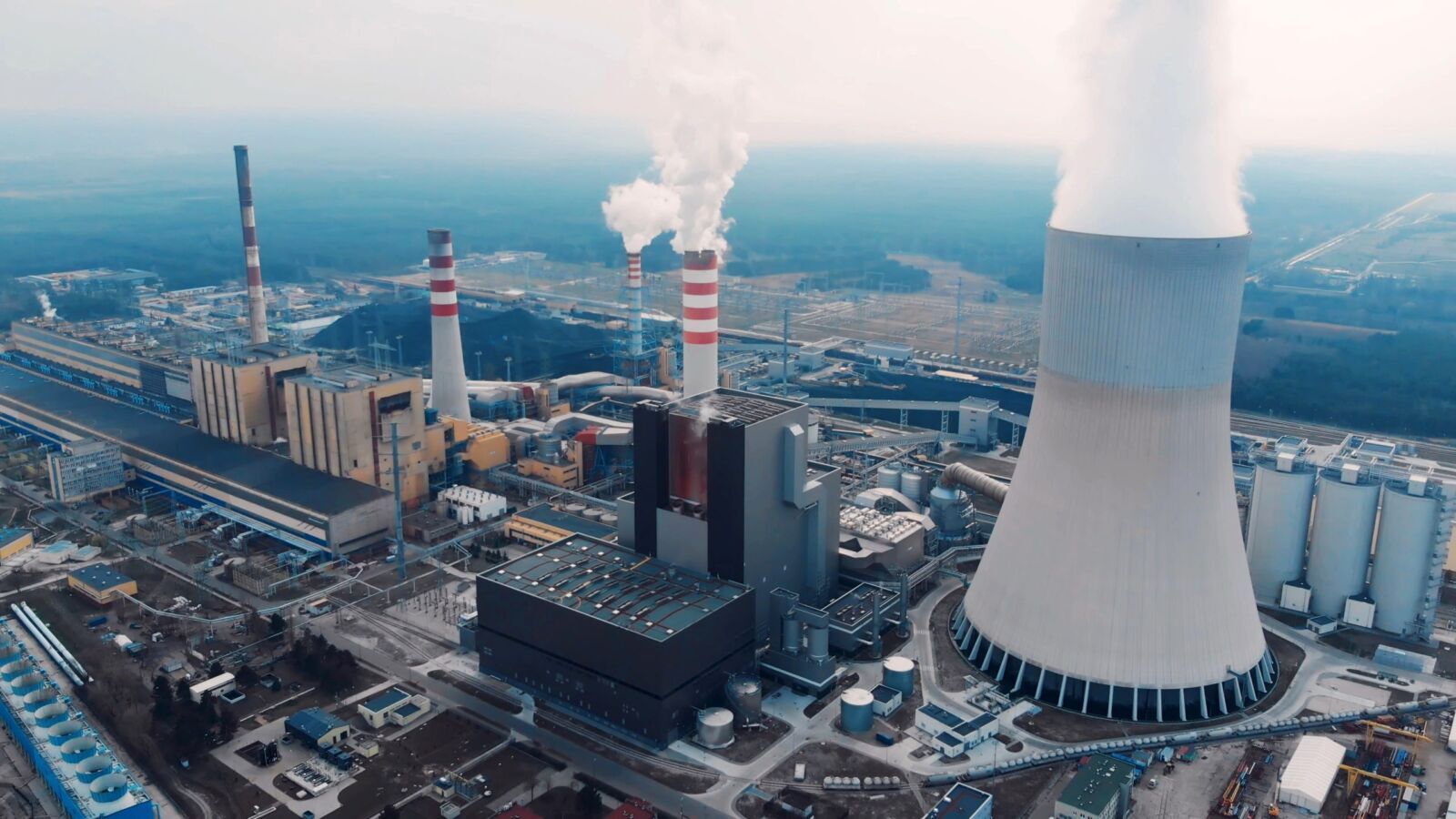
This approach reflects mounting pressure on global energy systems. The International Energy Agency projects that data centre electricity consumption could more than double to about 945 terawatt-hours by 2030, driven largely by artificial intelligence, potentially increasing their share of global demand from 1.5% in 2024 to nearly 3%.
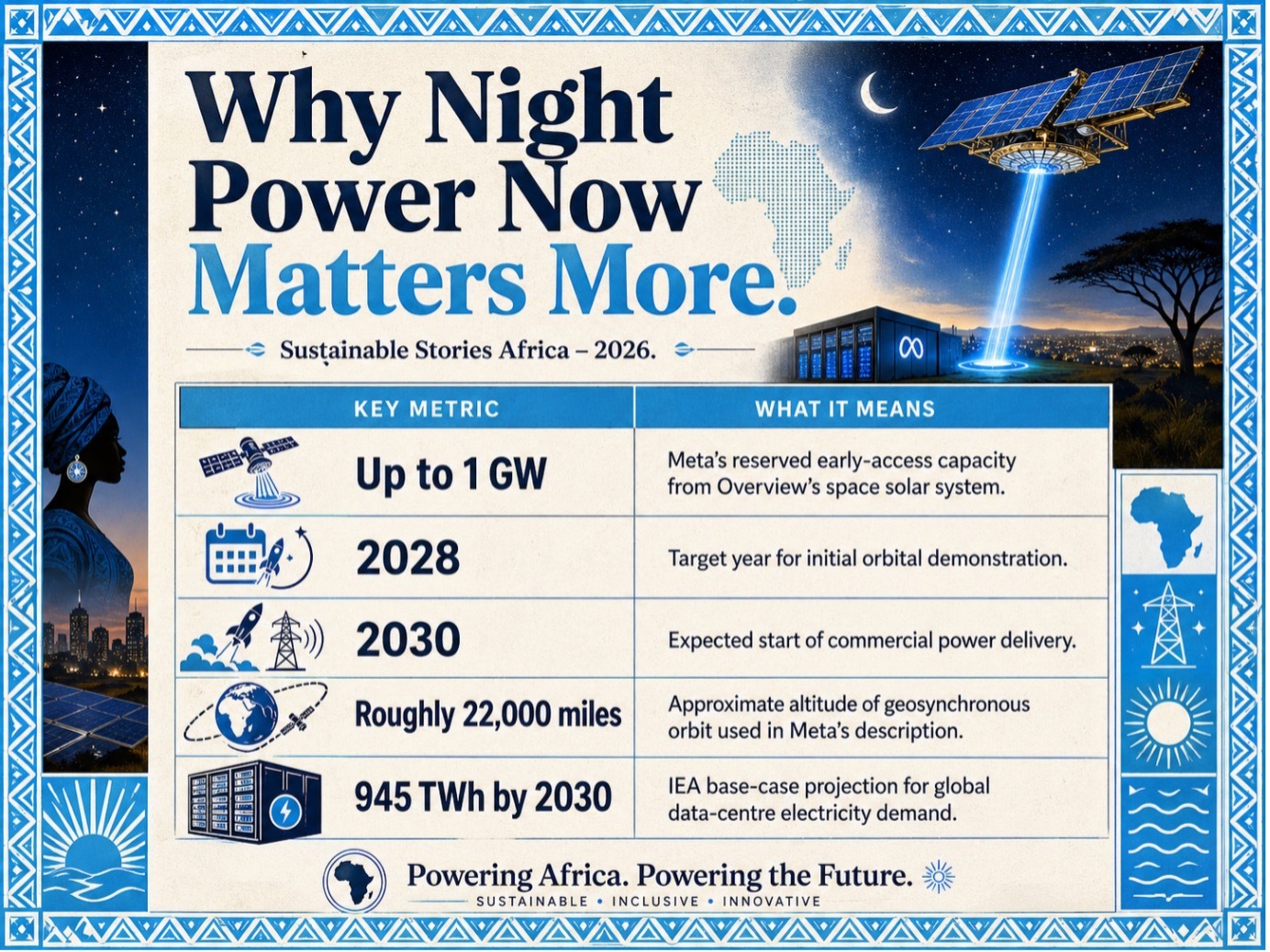
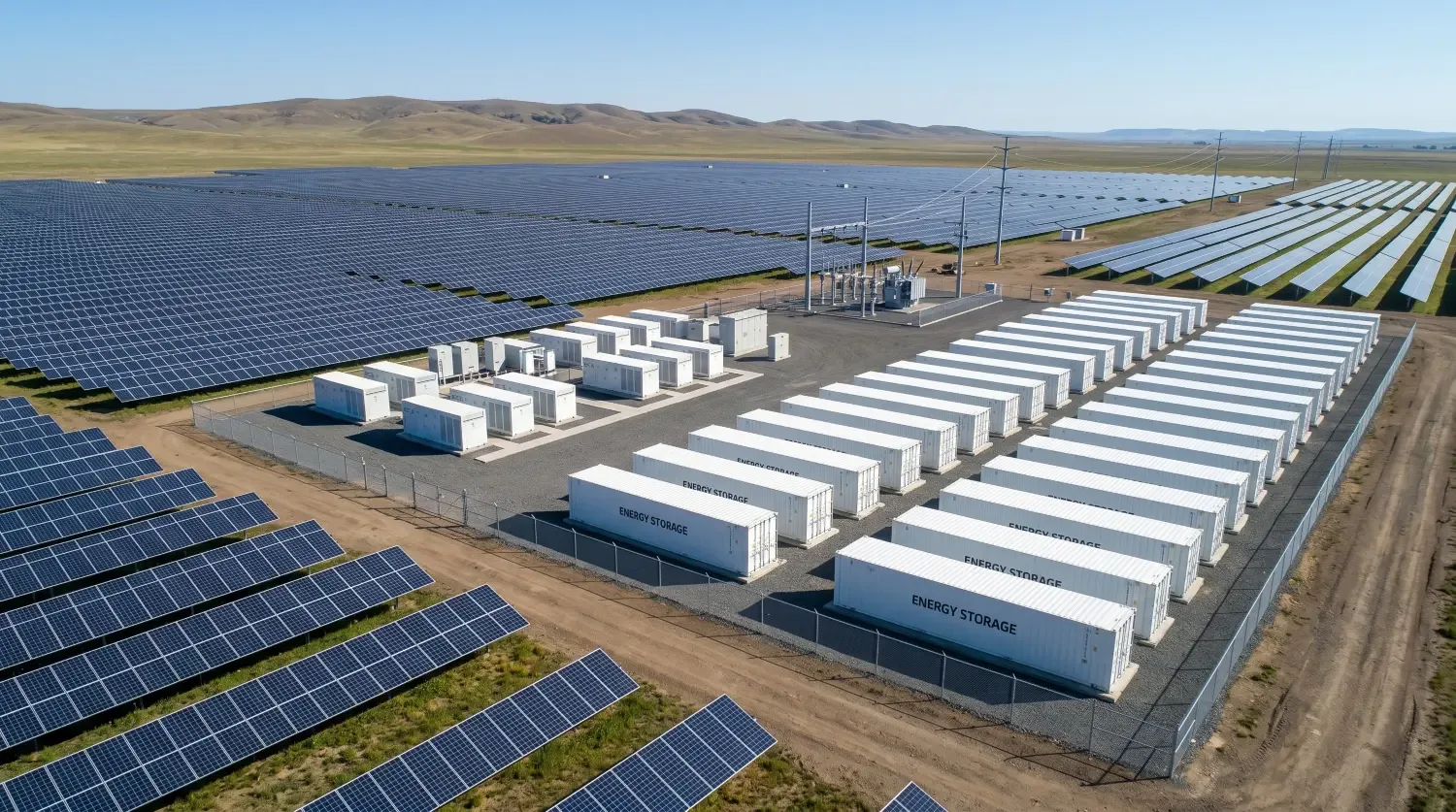
Alongside space-based solar, Meta is investing in reliability through a deal with Noon Energy for up to 1 GW/100 GWh of ultra-long-duration storage, including a 25 MW/2.5 GWh demonstration by 2028.
The company has also secured over 30 GW of renewable energy and supports 7.7 GW of nuclear capacity, signalling a diversified strategy to meet rising demand.
What Orbit-To-Grid Energy Could Unlock
If proven at scale, space-based solar could address one of renewable energy’s most persistent challenges: delivering firm, clean power.
- For hyperscale companies, this means reducing reliance on fossil fuel backup for energy-intensive AI systems, while utilities could extract greater value from existing solar infrastructure.
- For investors, it signals the emergence of a new infrastructure class linking satellites, grids, and long-term power contracts.
Overview Energy’s CEO framed the model as a shift beyond traditional limits of time and location, while Meta emphasised its potential to deliver uninterrupted energy using existing ground systems.
For African markets, the development is more indicative than immediately applicable. Many countries remain focused on expanding access, strengthening transmission, and building bankable renewable projects.
However, the underlying lesson is clear: as digital economies grow, reliable and scalable power will determine where data centres, digital services, and AI-driven industries take root across cities such as Lagos, Nairobi, Johannesburg, Cairo, and Accra.
Africa Should Read The Signal Early
The core lesson for policymakers is not to adopt space solar immediately, but to align energy planning with digital policy.
As AI infrastructure expands, decisions on grids, renewable procurement, storage, land use, water resources, data governance, and skills development must be integrated rather than treated in isolation.
- Governments can respond by accelerating grid upgrades, simplifying permitting for renewables and storage, and designing procurement frameworks that prioritise reliable, clean power, rather than just low-cost generation.
- Development finance institutions play a role in de-risking transmission and distributed energy, while private investors are increasingly valuing reliability alongside capacity.
The risk of delay is that African economies remain consumers of externally powered and governed AI systems.
The opportunity is to align clean energy with digital growth, attract investment, strengthen resilience, and enable locally grounded innovation.
Path Forward – Build Grids Before The AI Boom
Meta’s space solar deal is at an early stage, technically complex and commercially unproven.
However, it points to a future in which clean energy, storage, satellites and AI infrastructure are part of a single investment story.
For African markets, the priority is practical: strengthen grids, scale renewables, finance storage and connect digital growth to energy security.
The next infrastructure race will reward countries that can power intelligence sustainably, not just consume it.
Culled From: Meta Signs 1 GW Space Solar Deal With Overview Energy to Power AI Data Centres at Night