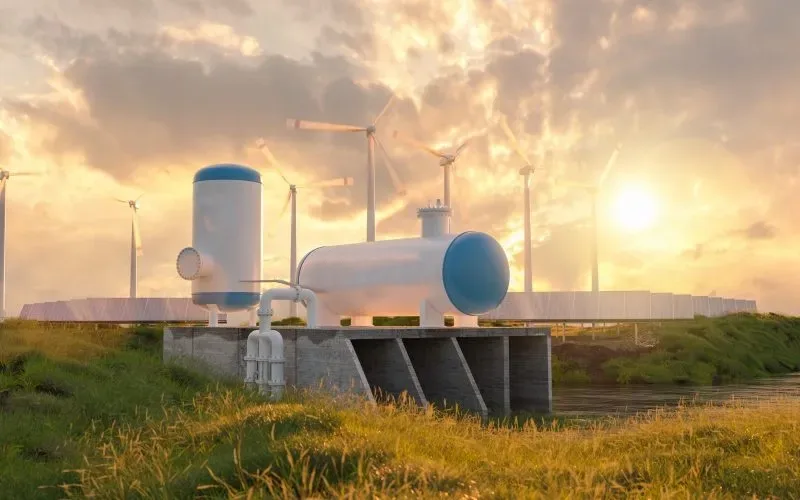
Mauritania has moved closer to launching a green hydrogen auction framework with support from the African Development Bank.
The process matters because auctions can turn renewable ambition into bankable projects, clearer rules and stronger investor confidence.
For communities and industry, the promise is jobs, infrastructure, green ammonia, green steel and long-term value beyond raw energy exports.
Hydrogen Ambition Meets Auction Discipline
Mauritania has advanced plans to structure its green hydrogen sector, and the African Development Bank agreed to support a high-level validation workshop in Nouakchott to review and finalise auction procedures for green hydrogen and its derivatives.
The workshop, held on April 14 – 15, 2026, was convened under the AfDB’s “Support to Mauritania Green Hydrogen Sector Development Programme,” which is the Bank’s first technical assistance initiative focused on green hydrogen in Africa.
The story is not simply about hydrogen. It is about whether a country with vast renewable energy potential can convert its sun, wind, and geography into transparent procurement, industrial projects and jobs.
Mauritania has set a target of producing 12.5 million tonnes of green hydrogen annually by 2035, placing it among Africa’s more ambitious hydrogen markets.
From Strategy To Bankable Projects
AfDB support for Mauritania’s green hydrogen ambitions is being delivered through the Africa Energy Transition Catalyst and the Africa Energy Sector Technical Assistance Programme under the Sustainable Energy Fund for Africa.
Since April 2025, the initiative has focused on four core workstreams: designing a green hydrogen auction framework, establishing a country-specific legal and regulatory base, developing standardised bidding documents, and outlining an implementation roadmap.
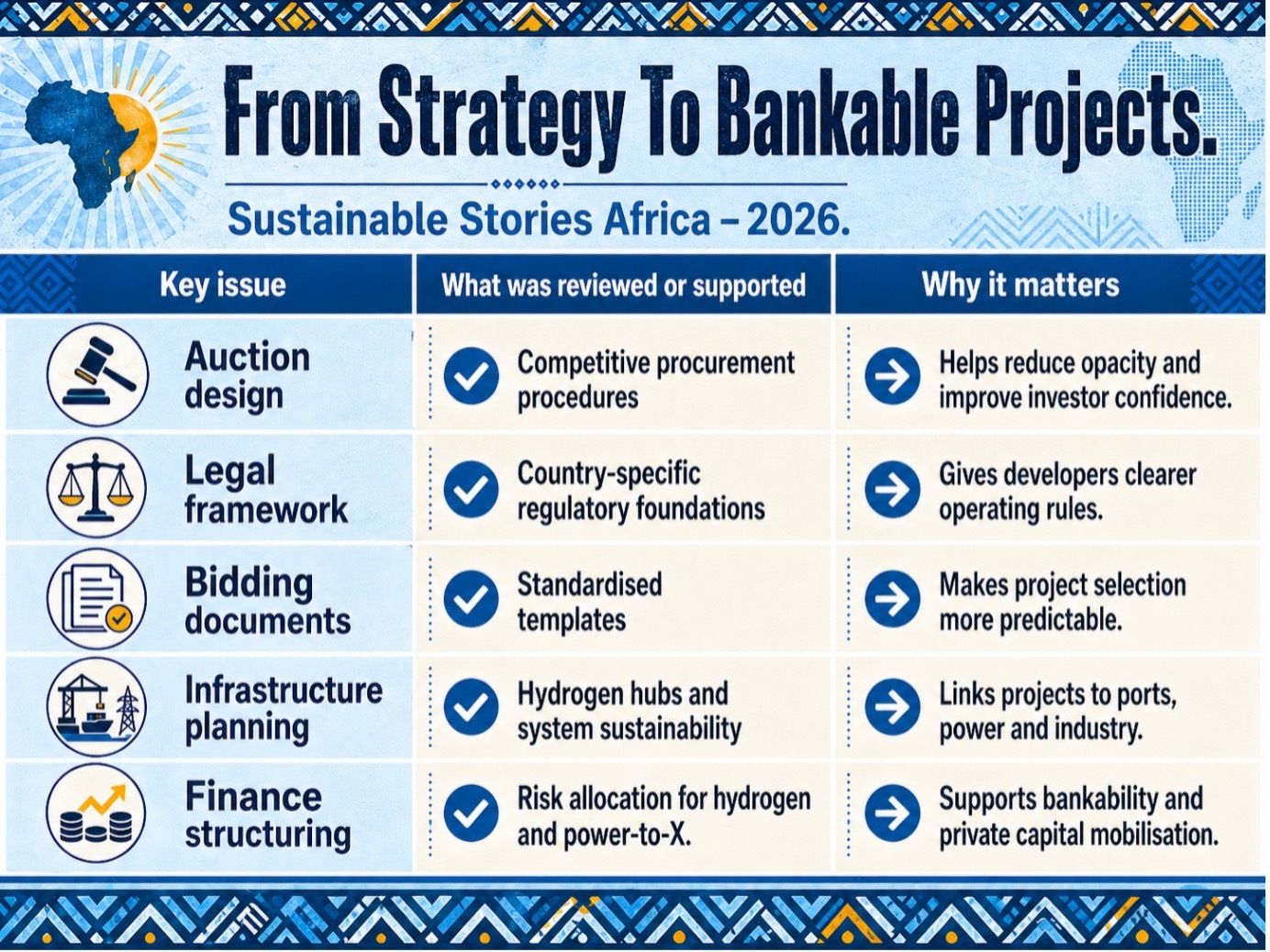
These foundations are critical in emerging hydrogen markets, where investor confidence depends on clear rules, infrastructure planning, and risk allocation.
Without them, large-scale ambitions often struggle to secure financing. AfDB’s Wale Shonibare described Mauritania as a future leader in African green hydrogen, while government officials emphasised that the evolving framework is designed to be transparent, competitive, and investor-friendly.
Clean Industry Can Create Local Value
The central development question for Mauritania is whether green hydrogen can anchor domestic value chains rather than remain an export-focused commodity.
Pre-workshop capacity-building sessions addressed auction design for green ammonia and steel, hydrogen hub infrastructure, and financial structuring for power-to-X projects, laying the groundwork for broader industrial integration.
For a mining-led economy, this presents a strategic opportunity to decarbonise industry, expand demand for renewable power, and stimulate local value through skills development, port upgrades, and industrial zones.
However, risks remain. Poorly structured projects could strain land use, limit local participation, or create export enclaves with weak domestic linkages.
A well-designed auction framework is therefore critical to embedding transparency, sustainability standards, and development obligations.
Participation from over 25 senior representatives across energy, environment, ports, and state entities signals that hydrogen is being positioned as a cross-economy priority rather than a standalone energy initiative.
Rules Must Now Deliver Projects
The next step is implementation. Feedback from the Nouakchott workshop will be incorporated into the final auction framework and supporting documentation, paving the way for Mauritania to operationalise its green hydrogen procurement strategy.
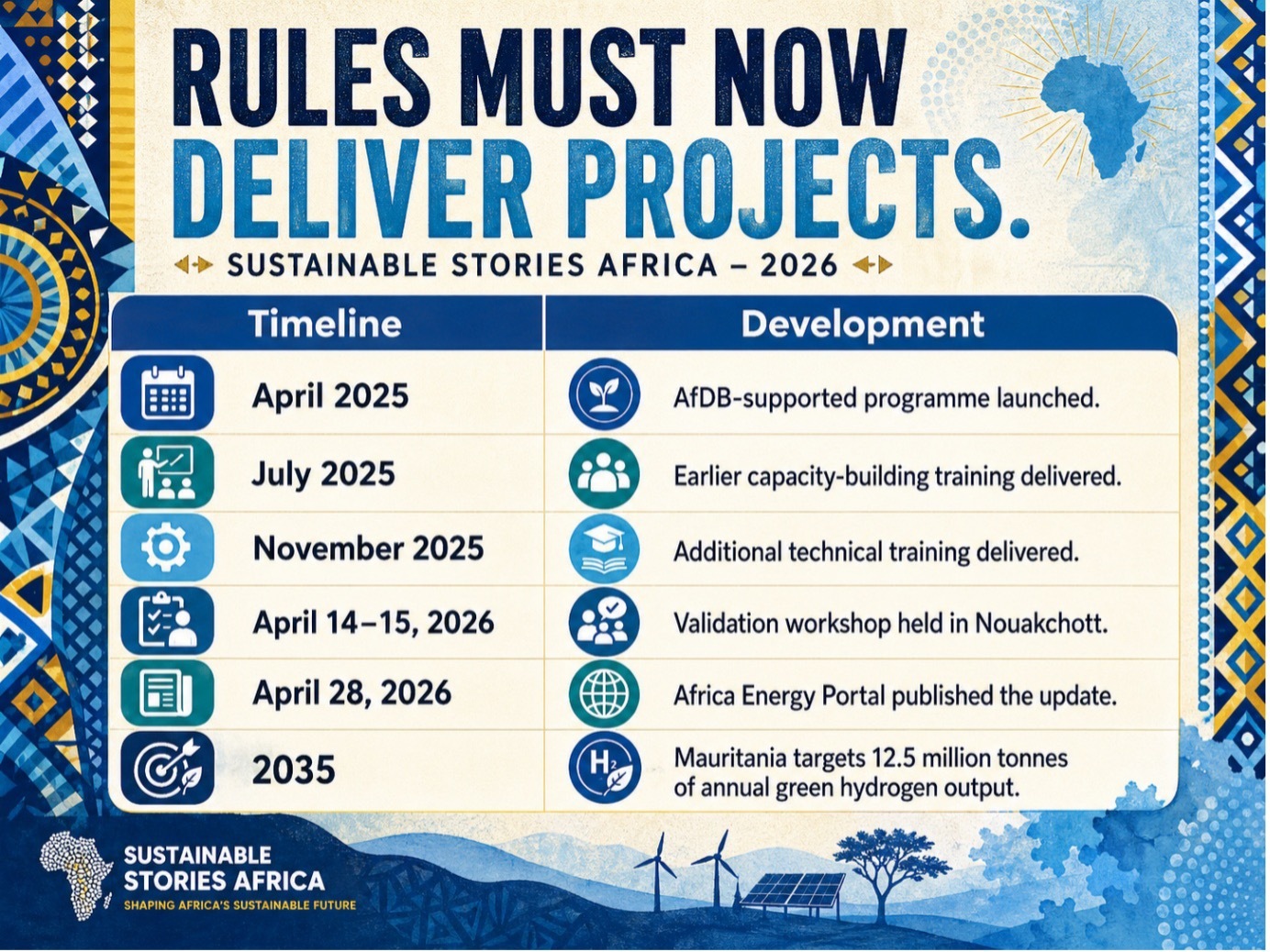
Freda Opoku, AfDB Project Task Manager, called the workshop a “critical milestone” towards accelerating Mauritania’s hydrogen plans through a structured and bankable procurement framework.
The statement did not provide a specific auction launch date, but it made clear that the final documentation will shape the operational phase.
- For policymakers, the priority is to align auctions with national development goals.
- For investors, the test is whether the framework reduces risk and improves project clarity.
- For citizens, the benchmark should be practical: whether hydrogen brings jobs, infrastructure, training and public value, rather than becoming another distant export story.
Path Forward – Transparent Auctions, Shared Industrial Gains
Mauritania’s hydrogen opportunity now depends on disciplined execution: clear auction timelines, transparent selection criteria, credible regulation, infrastructure coordination and safeguards for local value creation.
Done well, the framework can advance ESG goals by linking renewable energy to industrial decarbonisation, jobs and responsible investment.
If done poorly, it risks turning climate ambition into another capital-intensive promise without a broad development impact.
Culled From: Mauritania Advances Green Hydrogen Ambitions with AfDB-Supported Auction Framework | Africa Energy Portal