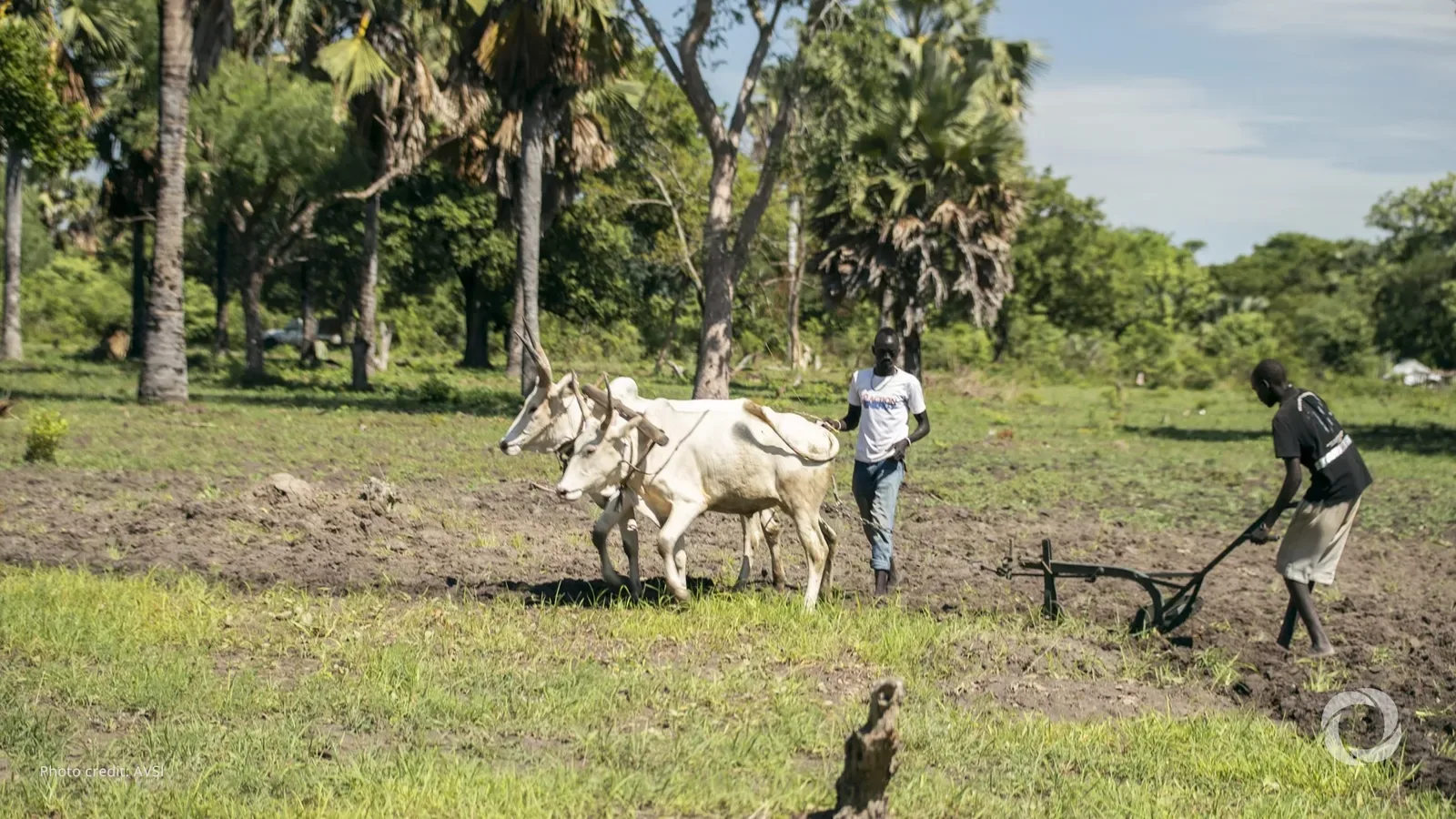
The African Development Bank Group has approved an $87 million African Development Fund grant to strengthen food security and rural livelihoods in Sudan.
The intervention comes as conflict, climate shocks and economic disruption continue to weaken farming systems and household resilience.
For displaced families and rural producers, the project offers seeds, climate-smart technologies, storage, processing and agribusiness support.
Sudan’s Food Crisis Gets New Lifeline
Sudan’s food crisis has become a test of whether development finance can still reach farmers as war, displacement and climate pressure tend to pull food systems apart.
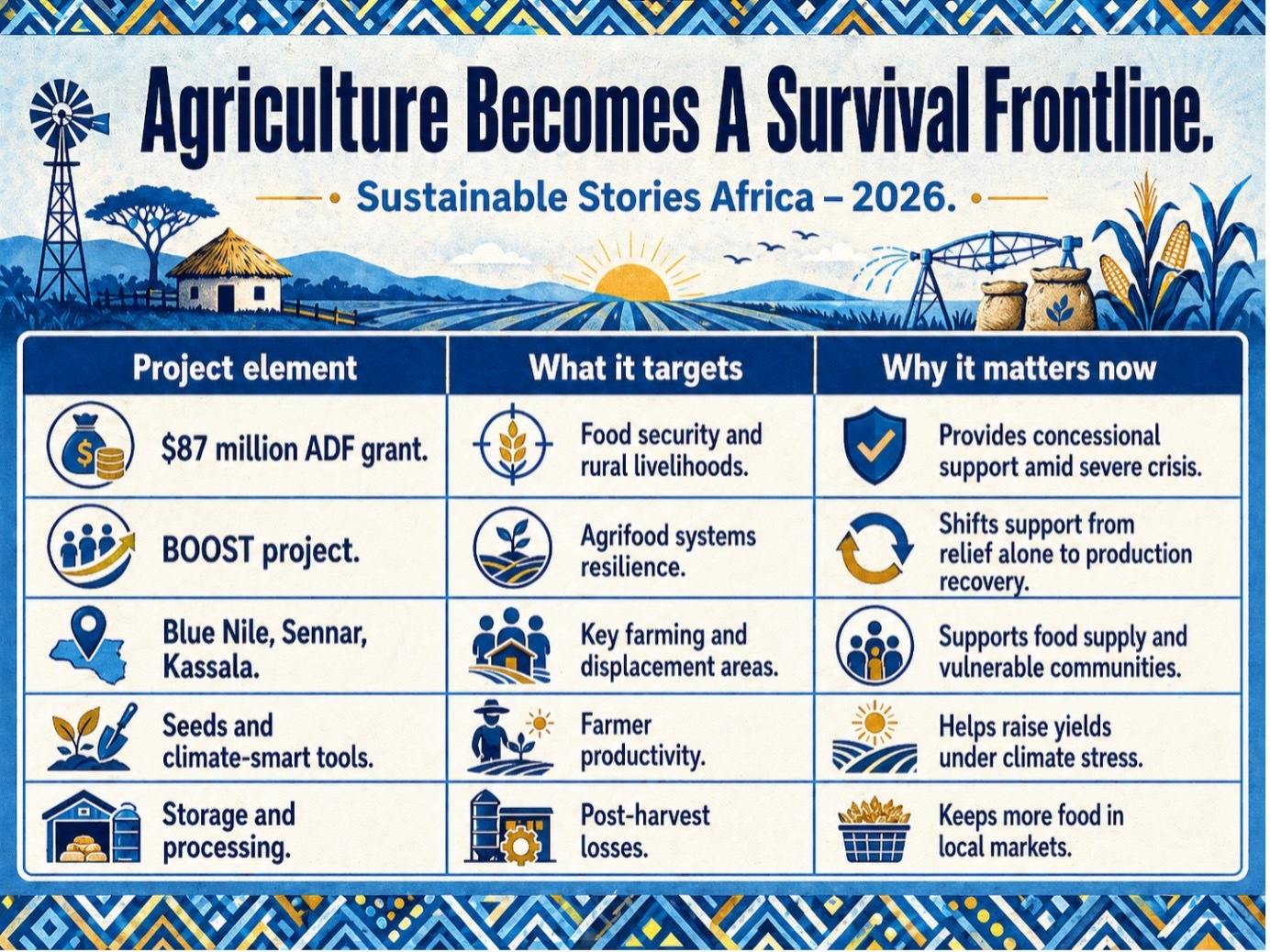
The African Development Bank Group has approved an $87 million grant from the African Development Fund to strengthen food security and rural livelihoods in Sudan, backing a new Boosting Agrifood Systems Resilience Project, known as BOOST.
The project was approved on April 22, 2026, and forms part of an estimated $100 million intervention designed to increase food production, improve availability and expand agribusiness opportunities for women and young people.
The timing is critical. Sudan is facing one of Africa’s most severe humanitarian and food security emergencies, shaped by conflict, climate shocks and economic collapse.
For a displaced mother in Kassala, a farmer in Sennar or a young trader in Blue Nile, food security is not only about national output.
It is about whether the seed arrives before the rains, whether markets reopen, whether grain can be stored safely, and whether families can rebuild income after disruption.
Agriculture Becomes A Survival Frontline
BOOST will focus on Blue Nile, Sennar and Kassala, three agriculturally important states that also host large numbers of displaced people.
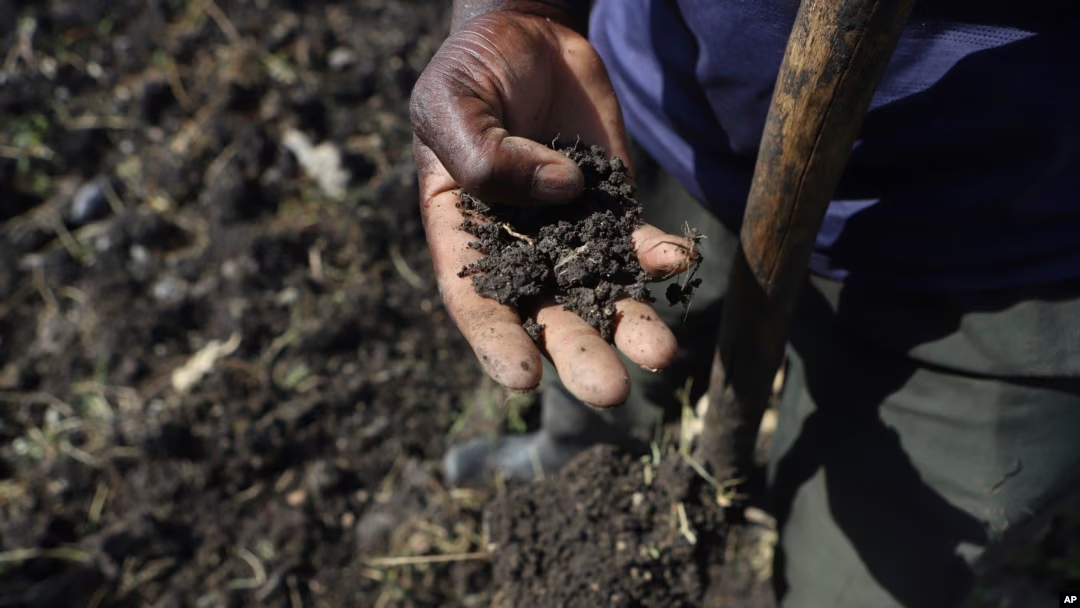
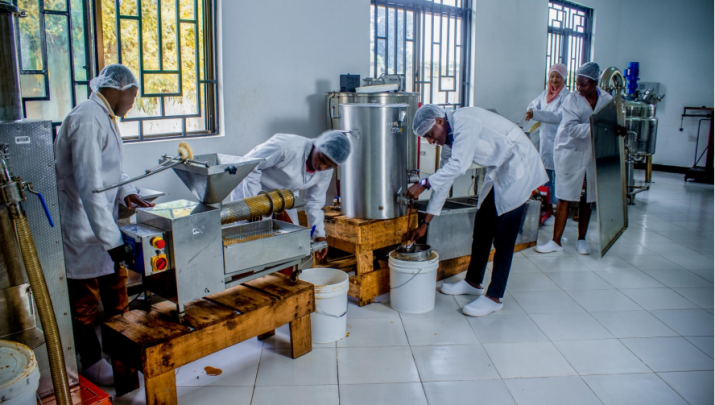
The project will provide improved seeds and climate-smart technologies to farmers, while investing in storage, processing capacity and market access to reduce post-harvest losses and improve household incomes.
The programme will be backed by the African Development Fund’s $87 million contribution and about $12.3 million in in-kind support from the Food and Agriculture Organisation, the World Food Programme, UN Women and the CGIAR International Maize and Wheat Improvement Centre.
That partnership matters because Sudan’s crisis is not one-dimensional. It is a production crisis, a market crisis, a displacement crisis and a climate resilience crisis.
Fields have been disrupted, supply chains weakened, food prices pushed beyond what many households can afford, and rural labour systems fractured by insecurity.
Resilience Could Rebuild Rural Hope
The BOOST project carries genuine potential to move Sudanese farmers from emergency survival toward productive recovery.
Improved seeds, better storage infrastructure, processing capacity and expanded market access can collectively transform harvests into sustainable income rather than wasted yield.
The programme is expected to reach more than 1.2 million people, including over 232,000 farming households, while creating rural jobs and providing dedicated support for women and young people through training, financial services and digital tools for small-agribusiness development.
That focus matters in fragile contexts.
- Women frequently anchor food systems through trading, processing and informal finance networks.
- Young people need agricultural pathways that go beyond subsistence.
If the programme delivers, it could help build a more connected rural economy, one where production, storage, finance and local enterprise reinforce each other.
The risk of under-delivery, however, is real. Seeds arriving late lose their impact. Storage without market linkages underperforms.
Finance without appropriate safeguards may bypass women and youth entirely. Implementation must receive the same rigour as project approval.
Finance Must Reach Farmers Quickly
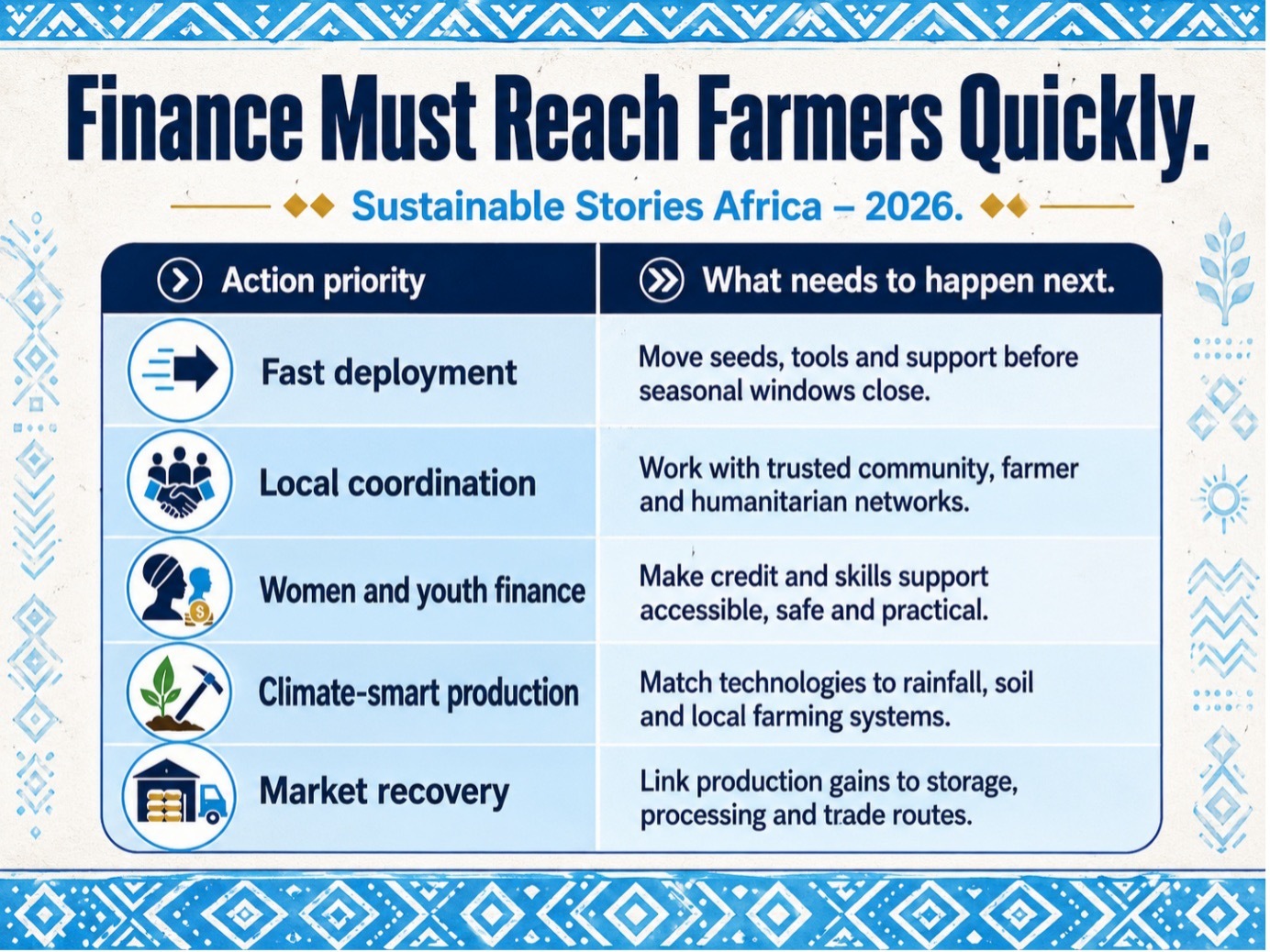
The urgent task now is delivery. AfDB and its partners must ensure that financing moves rapidly into practical support, particularly before planting windows close and hunger deepens further.
The Bank is partly funding the project by redirecting unused resources from earlier cancelled operations, a move intended to speed deployment to urgent needs.
- For policymakers, the lesson is clear: food security cannot be separated from peace, climate resilience and rural investment.
- For financiers, Sudan shows why concessional capital remains essential in fragile states.
- For humanitarian and development actors, the challenge is to connect emergency response with systems rebuilding.
Sudan’s crisis will not be solved by one grant. However, $87 million, if well targeted, can help protect farming households, reduce import pressure, restore local food flows and keep rural communities from sliding deeper into dependency.
Path Forward – Food Security Needs Resilient Systems
Sudan’s path forward depends on turning finance into food, jobs and resilience.
BOOST must prioritise timely delivery, transparent implementation, climate-smart farming, women-led enterprise and support for displaced communities in productive agricultural zones.
The ESG value is clear: food security is social protection, climate adaptation and economic recovery at once.
In Sudan, resilient agriculture is not a sectoral intervention. It is a lifeline for stability.