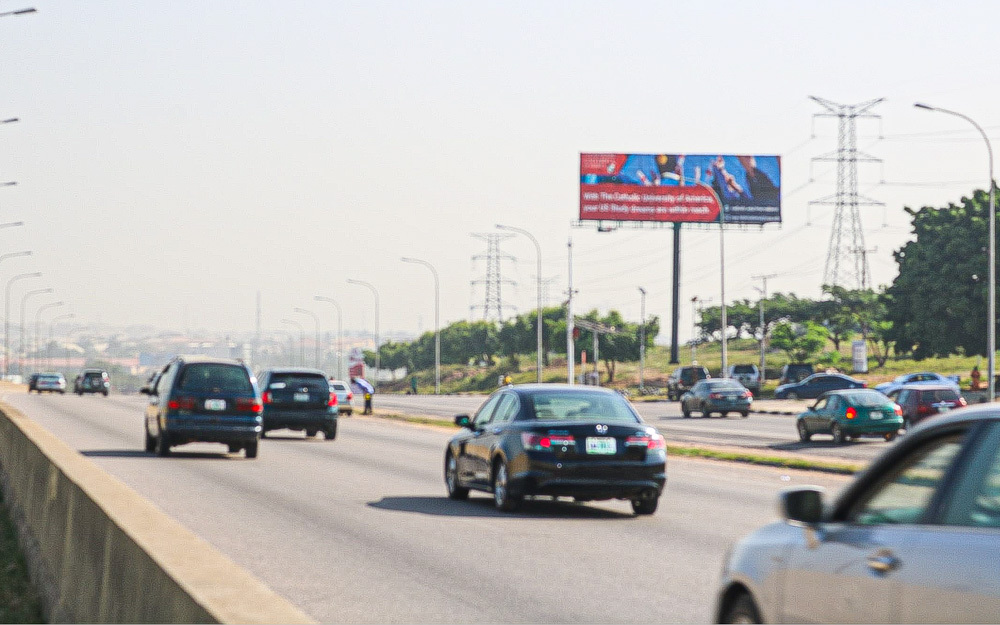
Nigeria is introducing a green tax surcharge on higher-emission vehicles, targeting cars with an engine capacity of 2,000cc and more from July 1, 2026.
The measure aims to discourage fuel guzzlers while exempting smaller cars, mass transit buses, electric vehicles and locally manufactured vehicles.
For households, importers and policymakers, the policy could reshape mobility choices in a country where second-hand vehicles dominate the market.
Tax Signal Reaches Nigeria’s Roads
Nigeria’s latest green tax measure is more than a fiscal adjustment. It is a direct signal to importers, households and transport operators that the era of cheap fuel guzzlers may be getting harder to defend.
On April 1, 2026, former Finance Minister Wale Edun signed a circular introducing a green tax surcharge as part of the country’s 2026 fiscal policy measures.
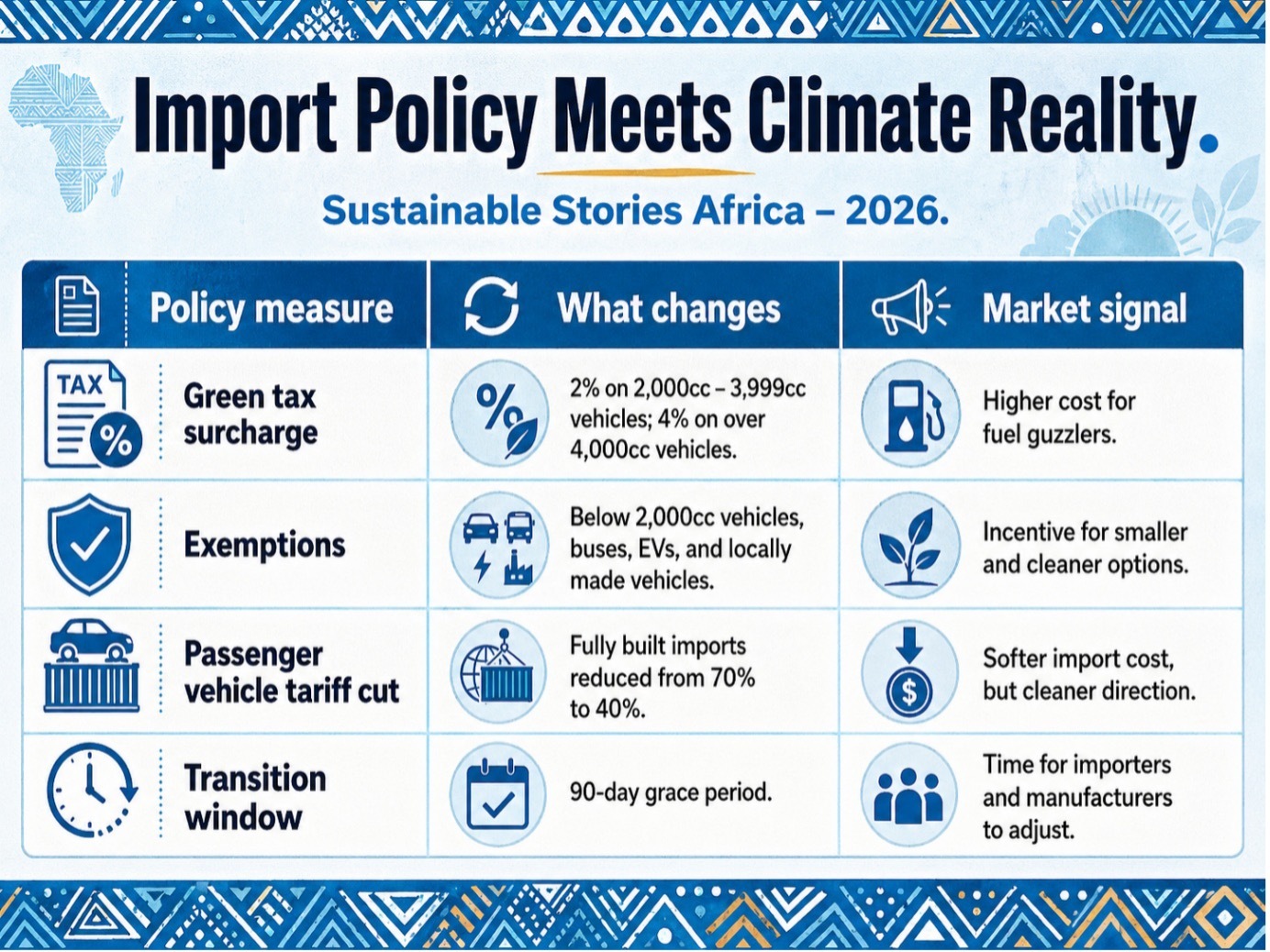
From July 1, vehicles with engine capacities of 2,000cc upward will face an additional tax:
- 2% for vehicles between 2,000cc and 3,999cc
- 4% for vehicles of 4,000cc and above.
- Smaller vehicles below 2,000cc, mass transit buses, electric vehicles and locally manufactured vehicles are exempt.
For a Lagos commuter watching fuel prices, vehicle prices, and transport fares move at once, the policy lands in everyday life.
It is about which cars enter Nigerian ports, what families can afford, what cities breathe, and whether climate ambition can be translated into market behaviour.
Import Policy Meets Climate Reality
Nigeria's fiscal reset is sending a deliberate signal to its auto market. Import tariffs on fully built passenger vehicles have been reduced from 70% to 40% under the ECOWAS Common External Tariff structure, while a green surcharge targets larger, more polluting models.
Together, these measures reward fuel efficiency and cleaner mobility while raising the cost of high-emission imports.
A 90-day grace period has been granted to importers, manufacturers and service providers.
The stakes are significant. Second-hand vehicles, locally known as Tokunbos, account for appoximately 90% of Nigeria's vehicle imports, with passenger car imports reaching N1.58 trillion in 2025.
The composition of that market will determine how quickly the policy shift translates into measurable emissions reductions.
Nigeria has committed to net-zero by 2060 and a 29% cut in emissions by 2030 under its Nationally Determined Contribution.
Transport carries a mitigation potential of 44.3 MtCO₂e, making cleaner vehicle adoption not just a fiscal choice, but a climate imperative.
Cleaner Mobility Can Build Value
If well implemented, the green tax could create several positive outcomes at once. It can reduce demand for inefficient imported vehicles, improve fuel economy across the vehicle fleet, support cleaner air in congested cities and build demand for mass transit, compressed natural gas vehicles and electric mobility.
The policy also gives local manufacturers a clearer market signal. By exempting locally manufactured vehicles, Nigeria is linking climate policy with industrial policy.
That matters for jobs, assembly plants, component suppliers and investors seeking policy certainty in Africa’s largest economy.
However, the social balance is delicate. Many Nigerians rely on second-hand cars because new vehicles remain expensive.
A green tax that raises costs without expanding affordable alternatives could be seen as another burden on consumers.
The difference between a climate policy that works and one that fails may depend on whether ordinary people can access cleaner, reliable and affordable transport options.
Policy Must Match Infrastructure Needs
The next test is implementation. Nigeria has already removed fuel subsidies, introduced a compressed natural gas programme, moved against sub-standard vehicle imports through a “no certification, no entry” rule and taken steps to restrict polluting two-stroke engines.
The green tax adds another layer to that policy architecture.
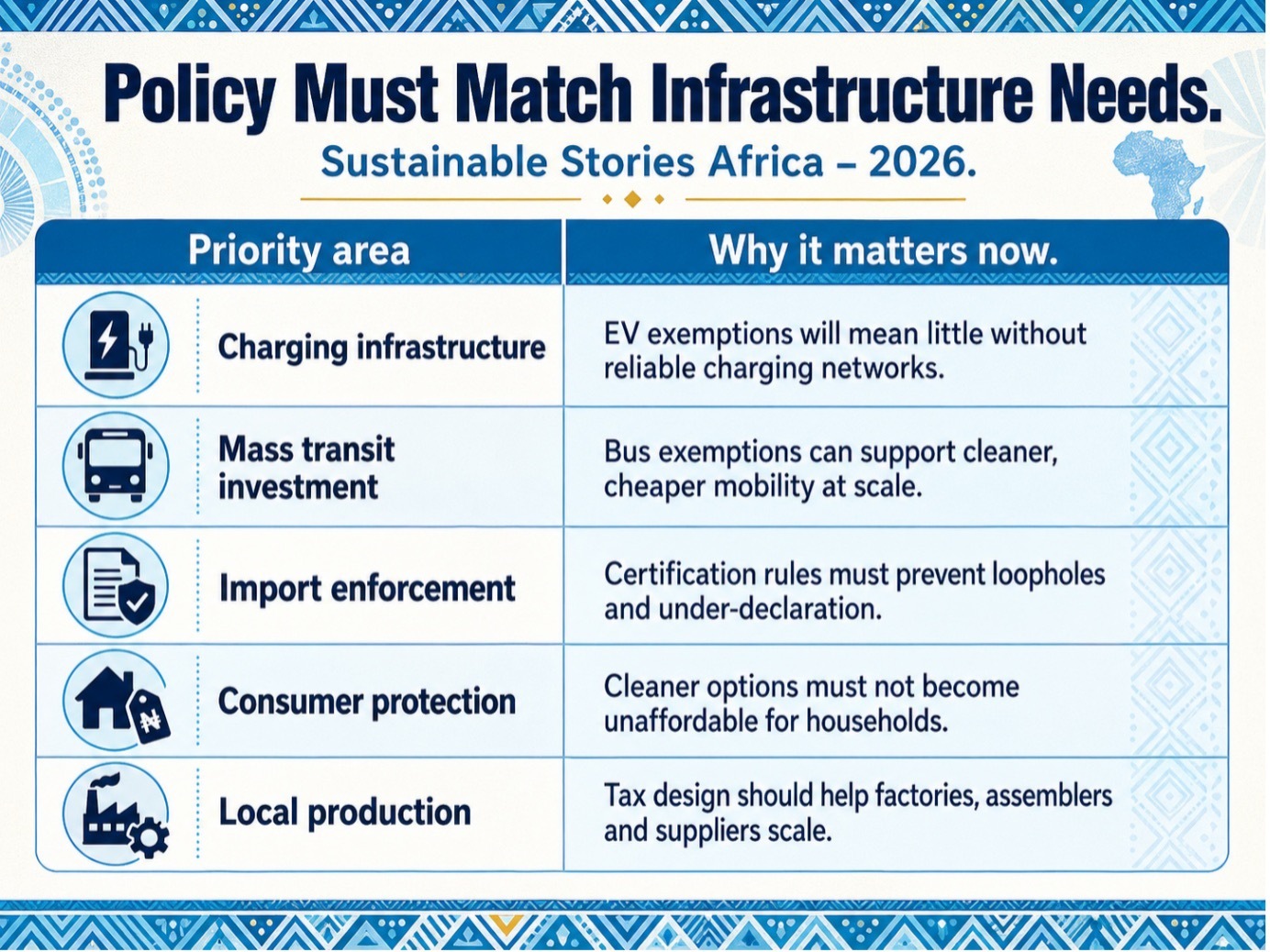
- For policymakers, the action point is clear: fiscal tools must be matched with infrastructure, standards and affordability.
- For businesses, the signal is to rethink vehicle portfolios.
- For financiers, the opportunity is in leasing, fleet conversion, CNG infrastructure, EV charging, battery services and public transport finance.
Nigeria’s green tax will not transform mobility on its own. However, it could become an important lever if it nudges the market away from large, inefficient imports and toward cleaner vehicles that fit African urban realities.
Path Forward – Cleaner Transport Needs Fair Implementation
Nigeria’s green tax advances ESG objectives by linking revenue policy, emissions reduction, local manufacturing and cleaner transport.
Its success will depend on enforcement, public communication, affordable alternatives and investment in charging, CNG and mass transit systems.
The path forward is not simply to tax fuel guzzlers. It is to make cleaner mobility practical, accessible and investable for Nigerian households, transport workers, manufacturers and cities.