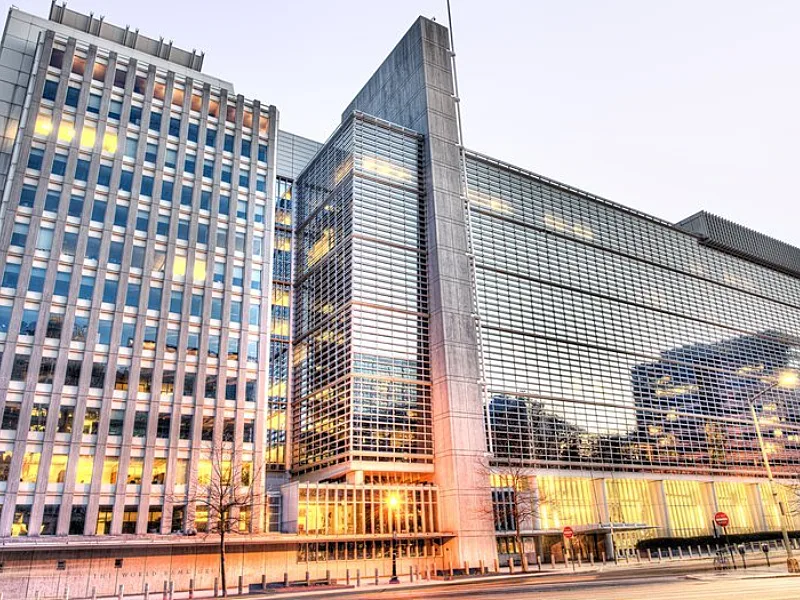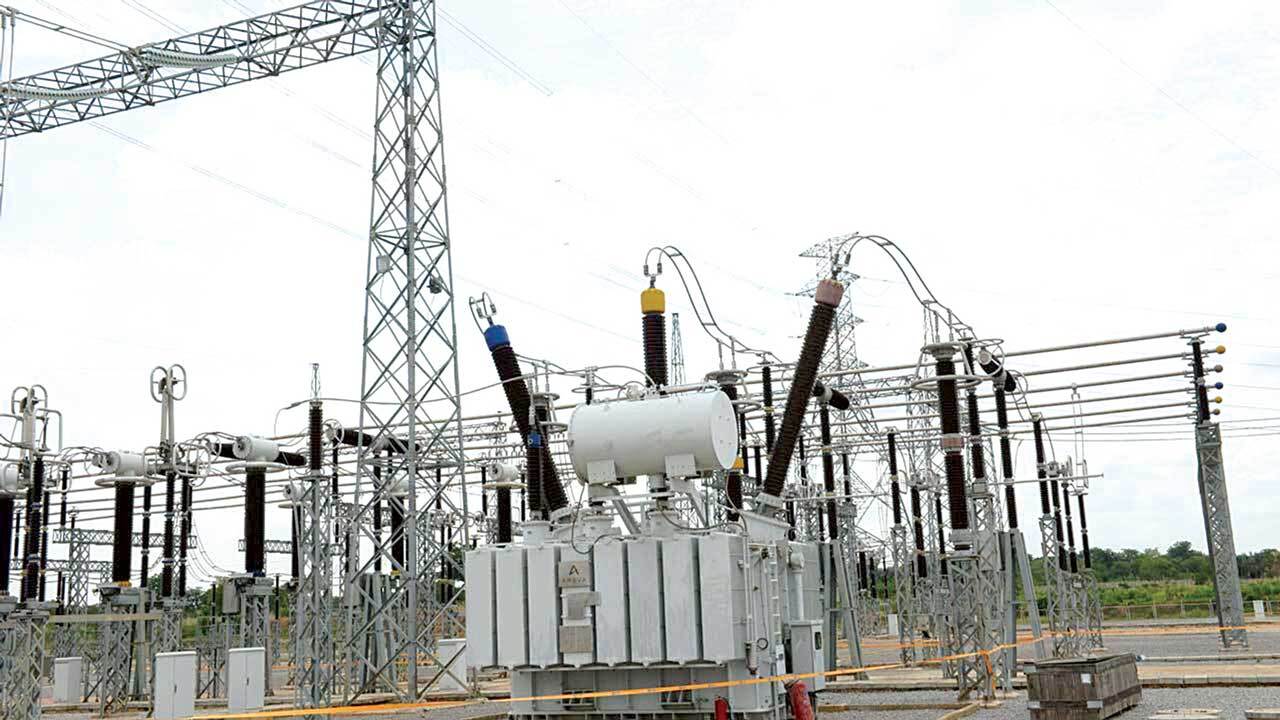
Nigeria’s electricity regulator has ordered all privately owned power substations to connect to the national grid, in a move aimed at improving power system coordination.
The directive seeks to strengthen grid stability and optimise existing transmission infrastructure.
For businesses, industrial operators and millions of consumers, the policy could determine whether Nigeria’s power sector moves towards a reliable electricity supply and efficient energy distribution.
Nigeria Moves to Integrate Private Substations
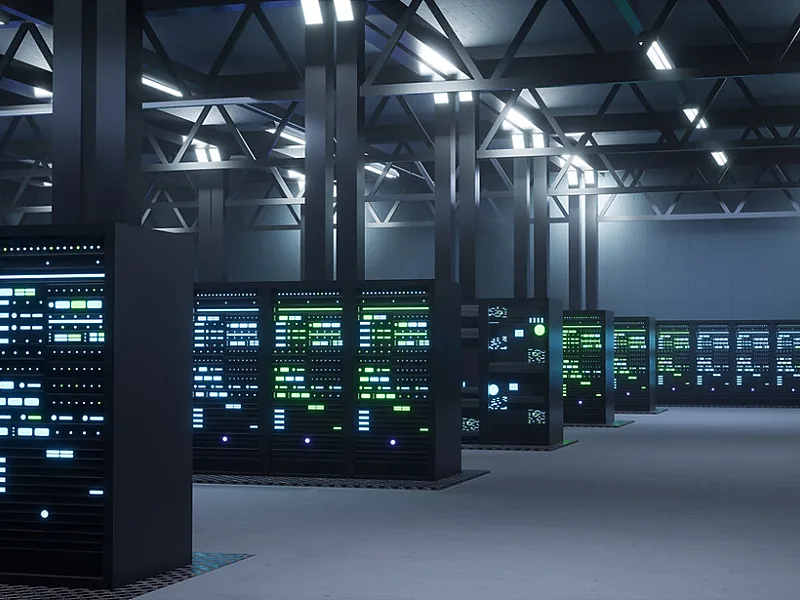
Nigeria’s electricity regulator has directed that all privately owned substations be connected to the national grid, a policy aimed at improving coordination within the country’s fragile power system.
The directive is intended to strengthen grid management, improve electricity distribution and ensure that private power infrastructure contributes to the stability of the national transmission network.
Officials say the measure is part of ongoing reforms to address structural inefficiencies within Nigeria’s electricity sector, where generation, transmission and distribution systems often operate with limited coordination.
For Africa’s largest economy, where electricity shortages continue to constrain industrial growth and economic productivity, integrating private power assets into the national grid could represent a significant step toward improving system reliability.
Why Private Infrastructure Matters for Nigeria’s Grid
Over the past decade, a growing number of private companies and industrial operators have developed independent substations and power infrastructure to support their operations.
These facilities are often used to improve electricity supply reliability in industrial zones, manufacturing clusters and commercial districts where the public grid has struggled to meet demand.
However, regulators say that without proper integration into the national grid framework, privately operated substations can create fragmentation in the electricity system, limiting efficiency and operational oversight.
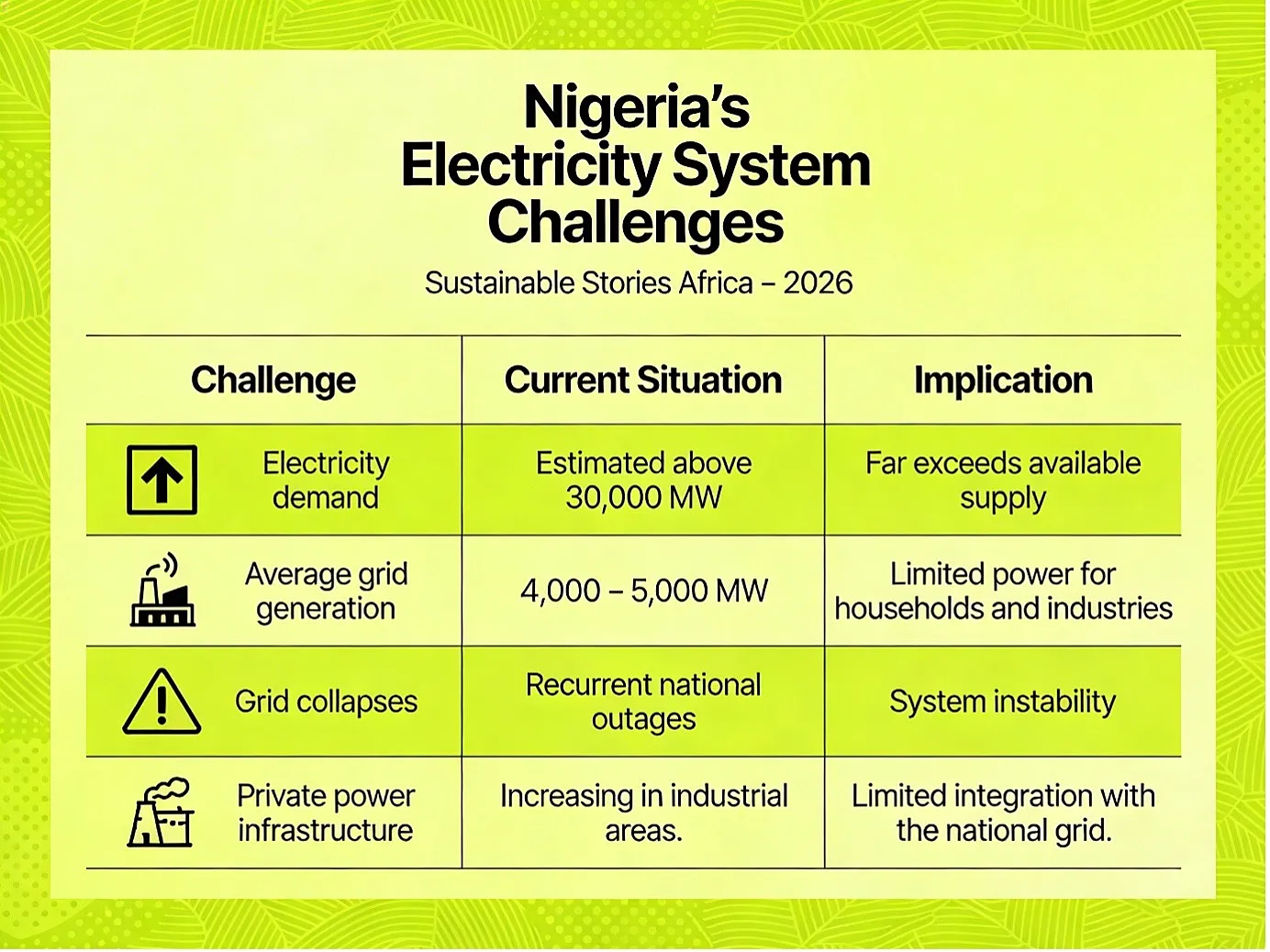
Nigeria’s Electricity System Challenges
Challenge | Current Situation | Implication |
|---|---|---|
Electricity demand | Estimated above 30,000 MW | Far exceeds available supply |
Average grid generation | 4,000 – 5,000 MW | Limited power for households and industries |
Grid collapses | Recurrent national outages | System instability |
Private power infrastructure | Increasing in industrial areas | Limited integration with the national grid |
Nigeria’s national grid has experienced repeated failures in recent years, often triggered by generation fluctuations, transmission constraints and operational coordination issues.
Energy analysts say that better integration of private infrastructure could improve the overall efficiency of electricity distribution and transmission planning.
For industrial operators, the directive may also create clearer frameworks for power sharing, energy trading and system balancing within Nigeria’s electricity market.
Integrated Infrastructure Could Improve Power Reliability
A more integrated power system could deliver several benefits for Nigeria’s electricity sector.
Connecting private substations to the national grid would enable system operators to monitor electricity flows, coordinate distribution networks and respond more effectively to supply disruptions.
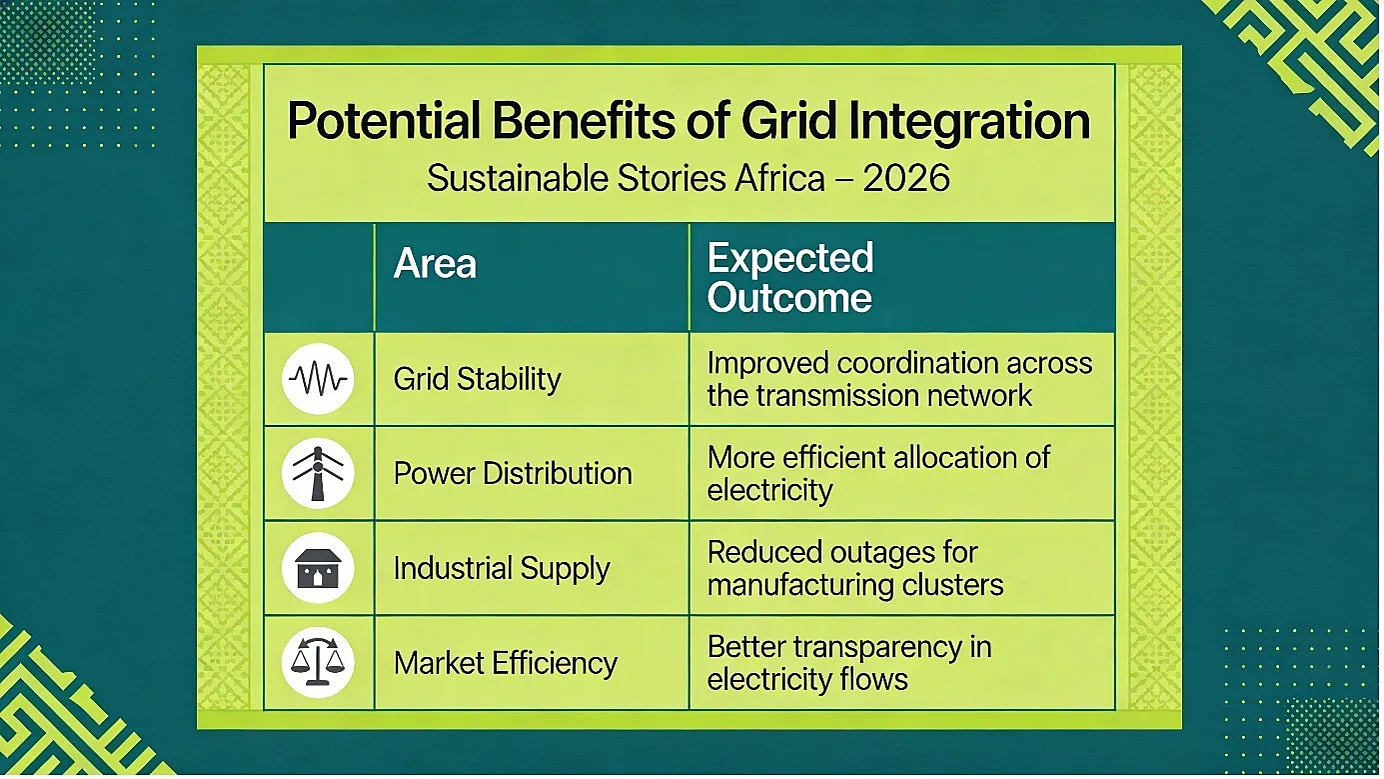
Potential Benefits of Grid Integration
Area | Expected Outcome |
|---|---|
Grid Stability | Improved coordination across the transmission network |
Power Distribution | More efficient allocation of electricity |
Industrial Supply | Reduced outages for manufacturing clusters |
Market Efficiency | Better transparency in electricity flows |
For businesses, improved grid reliability could reduce dependence on diesel generators, which currently account for a large share of electricity supply for Nigerian industries.
Nigeria is estimated to operate tens of millions of small generators, reflecting the persistent gap between electricity demand and grid supply.
Integrating private substations into the national grid could therefore represent an important step toward building a more resilient and coordinated electricity system.
Power Sector Reform Requires Infrastructure Coordination
Energy experts say Nigeria’s latest directive highlights the importance of system-wide coordination across the electricity value chain.
While private infrastructure has helped fill gaps in electricity supply, regulators argue that stronger oversight is needed to ensure that these assets contribute to national grid stability.
To fully realise the benefits of the policy, analysts say Nigeria will need to:
- strengthen regulatory frameworks governing private power infrastructure
- modernise transmission networks and grid management systems
- encourage investment in transmission expansion
- improve coordination between generation, transmission and distribution operators
Without these measures, experts warn that the power sector could continue to face structural challenges despite ongoing reforms.
For Nigeria’s economy, where electricity shortages cost billions of dollars in lost productivity each year, improving grid reliability remains a central development priority.
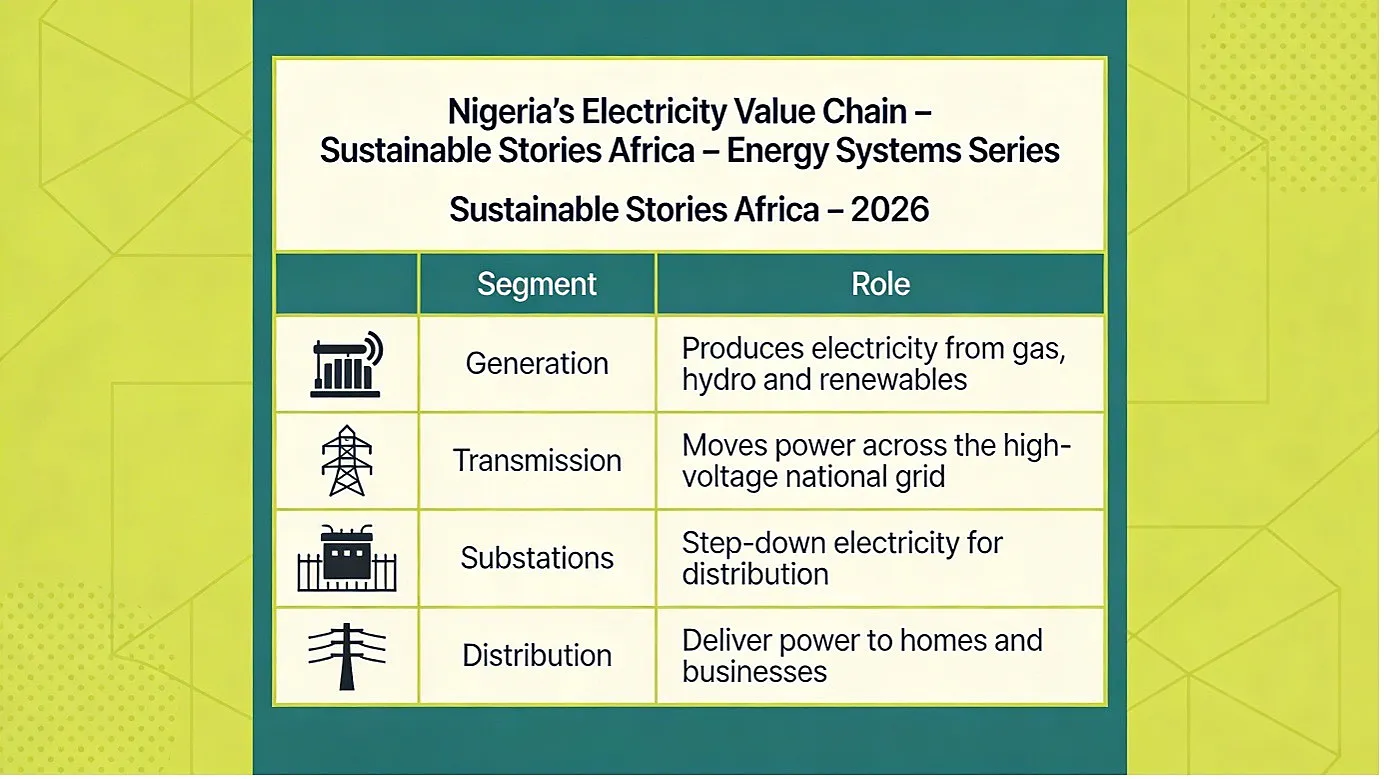
Nigeria’s Electricity Value Chain – Sustainable Stories Africa – Energy Systems Series
Segment | Role |
|---|---|
Generation | Produces electricity from gas, hydro and renewables |
Transmission | Moves power across the high-voltage national grid |
Substations | Step-down electricity for distribution |
Distribution | Deliver power to homes and businesses |
Path Forward – Strengthening Coordination Across Nigeria’s Power Grid
Nigeria’s directive to integrate private substations into the national grid signals a shift toward more coordinated electricity system management.
If supported by infrastructure investment and regulatory clarity, the policy could improve grid reliability and industrial power supply.
Strengthening transmission capacity and operational oversight will be essential for transforming Nigeria’s fragmented electricity system into a more resilient and efficient national power network.
Culled From: Nigeria regulator orders all private substations be connected to national grid - Energy in Africa