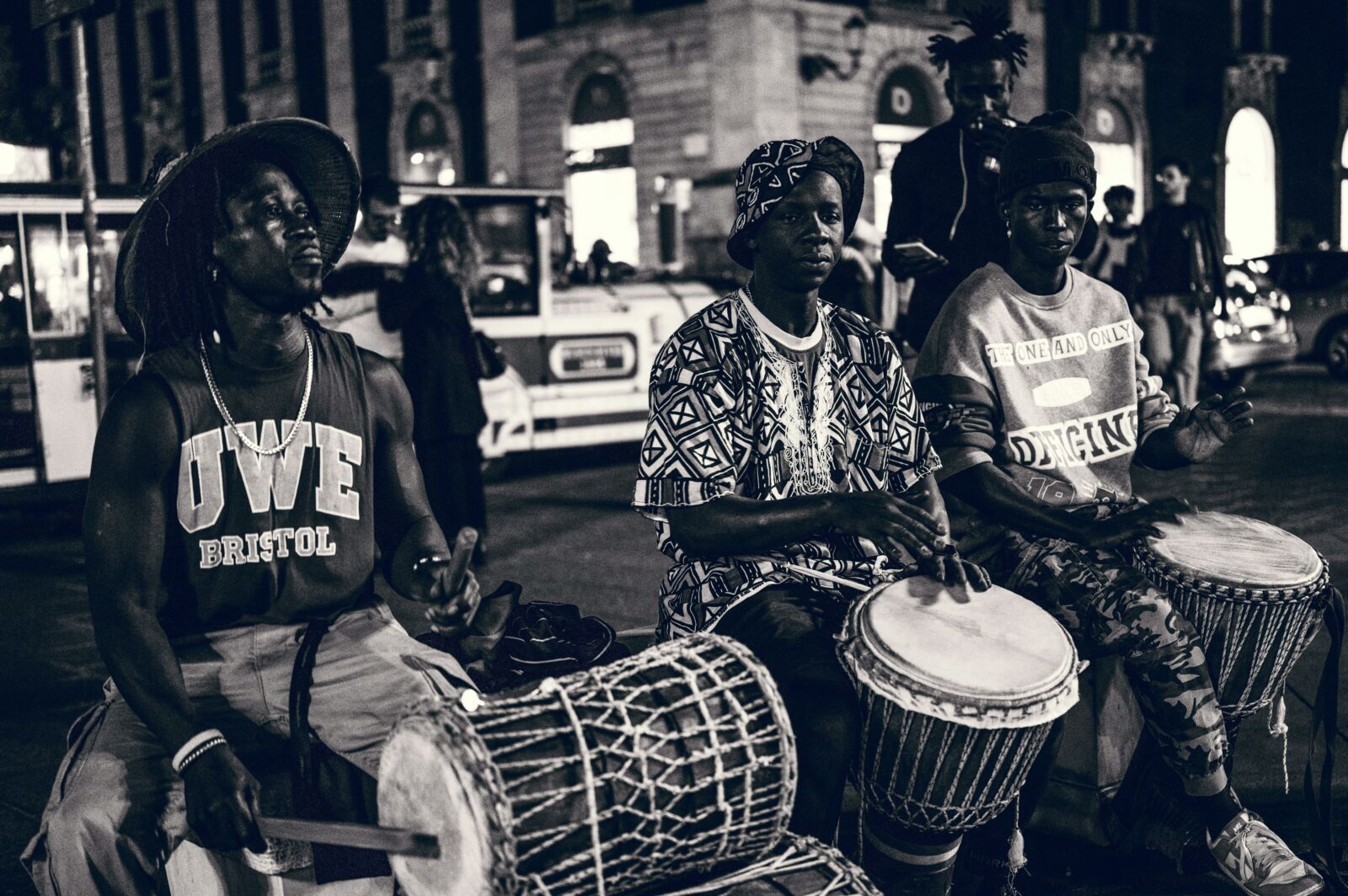
Africa's public conversation is shifting. In 2026, the continent's dominant narratives are moving beyond crisis framing toward agency, reform, and strategic influence.
From energy sovereignty to youth power, Africa's story is becoming more self-defined, less externally scripted.
The new discourse reflects a continent reframing its identity through politics, climate, culture, and economic ambition.
Rewriting Africa's Public Narrative
Africa's story is changing, and so is who gets to tell it. As 2026 approaches, a growing set of narratives is redefining how the continent is discussed, governed, and perceived globally.
According to ShowUp Communications' "Continental Shifts Worth Watching", Africa's public discourse is shifting from deficit-driven storytelling toward themes of agency, reform, and structural transformation.
From energy independence and digital activism to climate justice and governance reform, these narratives reflect a continent actively shaping its future, not merely reacting to it.
Africa's Narrative Power Is Rising
Africa's most powerful transformation in 2026 may not be economic or political, but narrative.
Public discourse is evolving from "aid dependence" to "strategic autonomy." The conversation now centres on African-led solutions, youth-led movements, and policy-driven reforms that challenge old stereotypes.
Narratives around energy sovereignty, democratic accountability, and cultural influence are replacing crisis-only storytelling, reshaping how Africa is seen, heard, and understood.
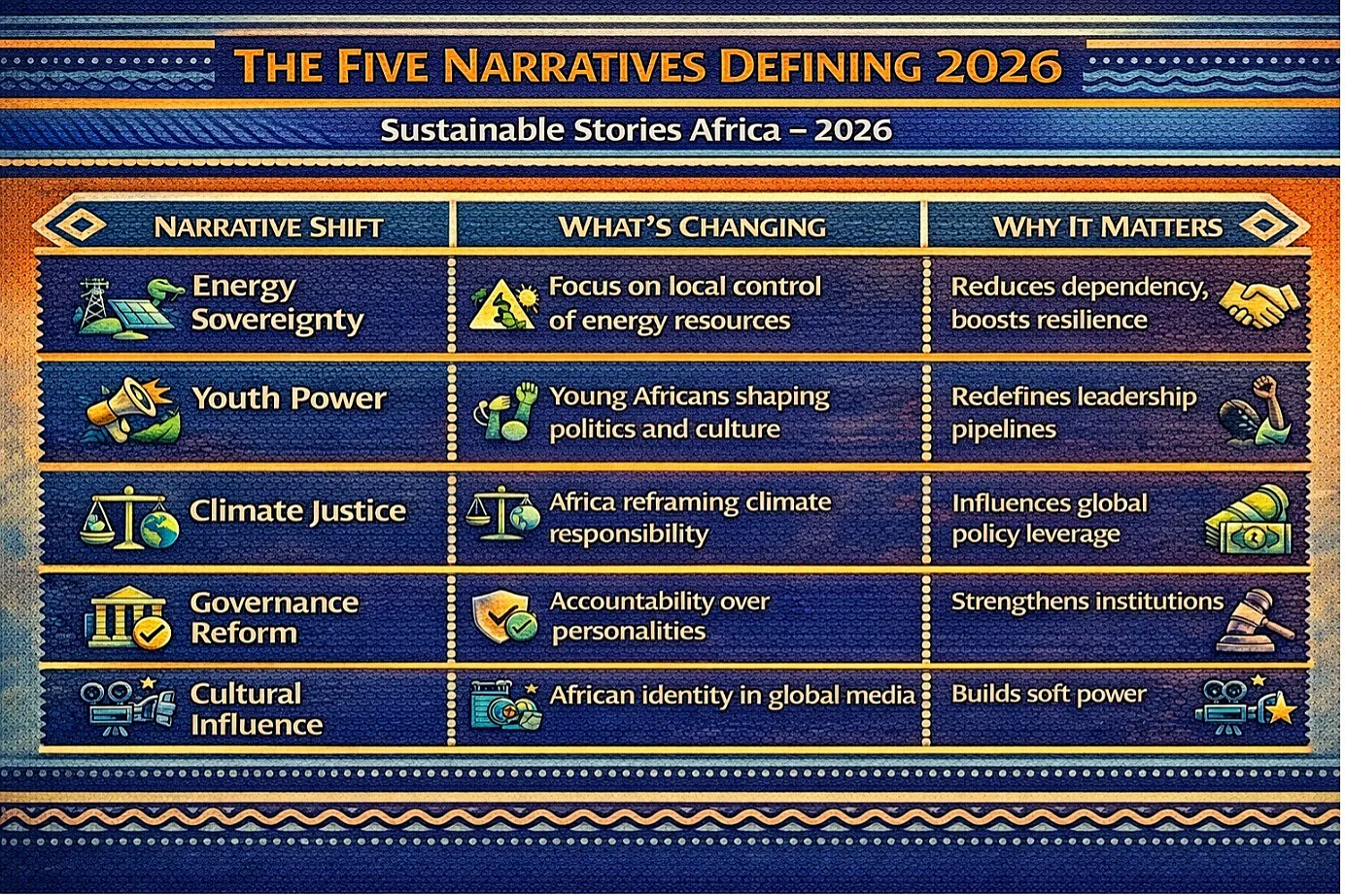
The Five Narratives Defining 2026
ShowUp identifies five dominant storytelling shifts:
| Narrative Shift | What's Changing | Why It Matters |
|---|---|---|
| Energy Sovereignty | Focus on local control of energy resources | Reduces dependency, boosts resilience |
| Youth Power | Young Africans shaping politics and culture | Redefines leadership pipelines |
| Climate Justice | Africa reframing climate responsibility | Influences global policy leverage |
| Governance Reform | Accountability over personalities | Strengthens institutions |
| Cultural Influence | African identity in global media | Builds soft power |
Africa is no longer just "emerging"; it is asserting.
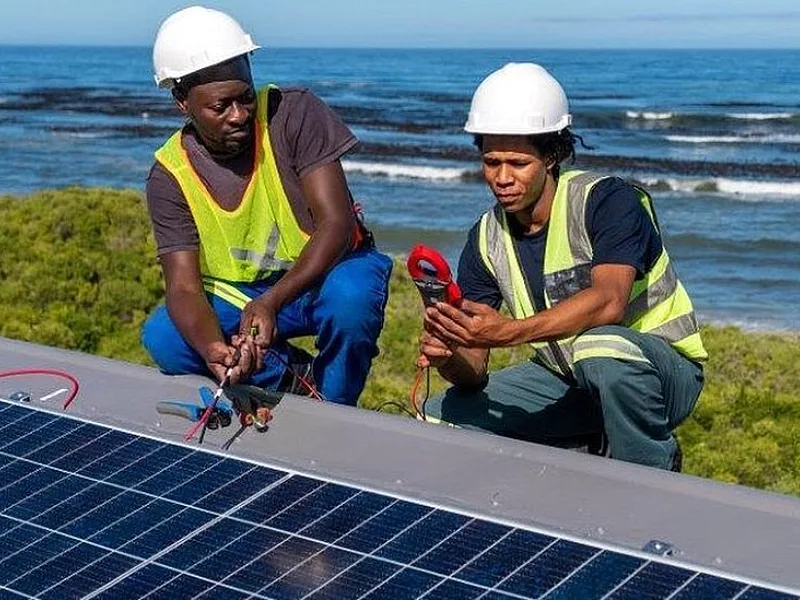
Energy conversations now emphasise domestic value creation. Youth narratives highlight digital activism and political engagement. Climate storytelling reframes Africa as a solution provider, not just a victim.
What a Reframed Narrative Unlocks
A stronger African narrative unlocks:
- Greater policy confidence
- Improved investor perception
- Youth political participation
- Global climate negotiation leverage
- Cultural and economic soft power
When Africans control the narrative, they shape the outcomes.
This shift supports sustainable development by aligning public perception with long-term economic and governance goals.
Who Must Shape the Story
The responsibility for Africa's narrative reset does not rest with governments alone.
Media organisations, civil society, corporate leaders, creatives, and youth movements must actively:
- Promote data-driven storytelling
- Highlight reform successes
- Challenge outdated global narratives
- Elevate African policy leadership
- Amplify local innovation
Narrative power is policy power.
Path Forward – Shaping Africa's Global Narrative Voice
Africa's 2026 narrative shift demands consistent, credible storytelling rooted in evidence, local leadership, and institutional reform.
By centring African agency, policy clarity, and youth influence, the continent strengthens its voice in global economic, climate, and governance debates.
Culled From: https://showupcomms.org/continental-shifts-worth-watching-narratives-to-follow-in-2026/