Nigeria's crude oil and gas profits have plunged by about 43% despite rising output, raising alarms over transparency, governance, and sector sustainability. As the Nigeria Governors' Forum investigates alleged remittance lapses by NNPC Limited, industry voices like Jide Pratt call for urgent reforms, diversified investment, and balanced competition to avoid monopolistic pitfalls in the wake of new import tariffs and shifting policy priorities.
Experts warn that neglecting energy security and market fairness could create a zero-sum game, thereby cripple smaller players and leaving the sector vulnerable to shocks. Government policy and regulatory vigilance must keep pace with investment, ensuring true accountability and sustainable progress for Nigeria's oil and gas industry.
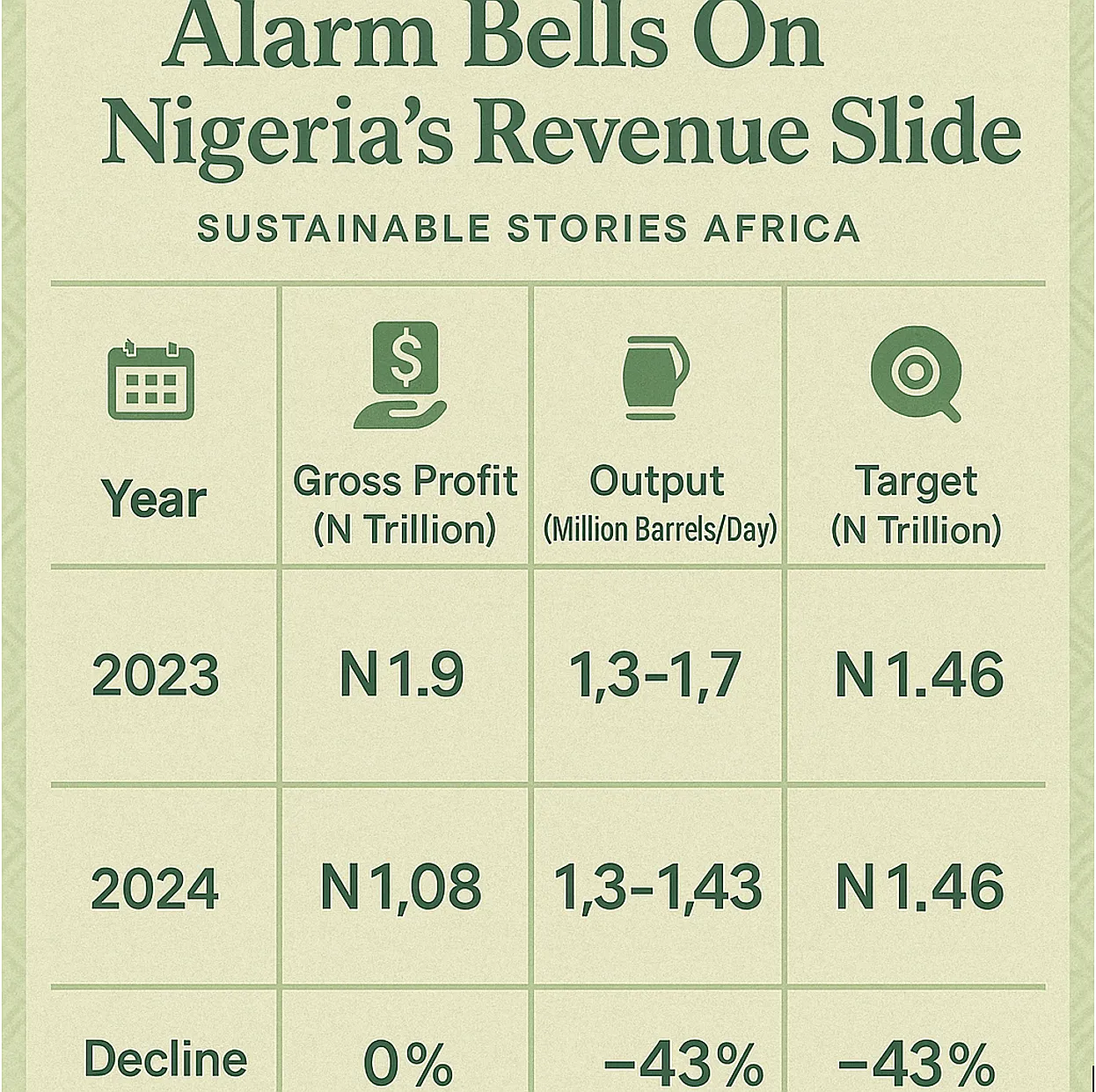
Alarm Bells On Nigeria's Revenue Slide
Nigeria's crude oil and gas sector grossed ₦1.08 trillion in 2024, a staggering 43% drop from the previous ₦1.9 trillion in 2023, and 26% below the government target.
This sharp decline persists despite increasing production, prompting the Nigeria Governors' Forum to intensify investigations into possible under-remittances by NNPC Limited and to commission an ad hoc committee for thorough review.
"We seem to be stuck between 1.3 and 1.43 million barrels per day," observed Jide Pratt, Country Manager at TradeGrid, highlighting persistent volatility in output, which undermines steady revenue flow.
| Year | Gross Profit (N Trillion) | Output (Million Barrels/Day) | Target (N Trillion) | Decline (%) |
|---|---|---|---|---|
| 2023 | 1.9 | 1.3–1.7 | 1.46 | 0% |
| 2024 | 1.08 | 1.3–1.43 | 1.46 | -43% |
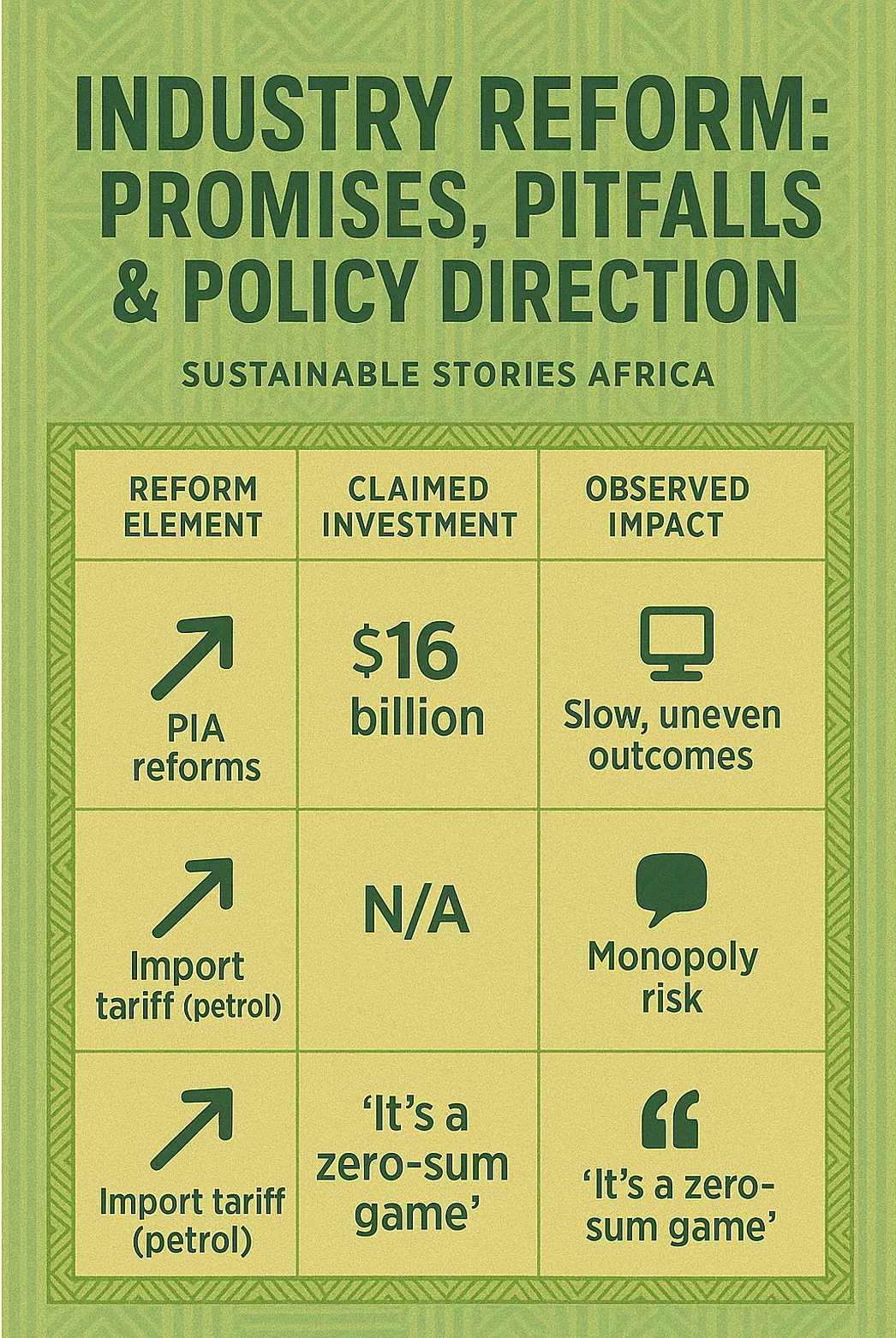
Industry Reform: Promises, Pitfalls & Policy Direction
Despite claims of ongoing reforms set in motion by the Petroleum Industry Act (PIA) and $16 billion in new investments, Pratt cautions that these shifts remain unproven in their impact.
Nigeria's production fell below target by 94 million barrels in the first eight months of 2025. According to Pratt, "Implementation is the only way. We can point out the things that we need to do, but until someone does it."
This highlights a critical lag in translating investment into sustainable output. The debate spotlights a controversial 15% import tariff on petrol and diesel, which critics argue risks entrenching monopoly power and stifling competition in a deregulated market; however, it has been suspended by the Federal Government.
| Reform Element | Claimed Investment | Observed Impact | Critical Quote |
|---|---|---|---|
| PIA reforms | $16 billion | Slow, uneven outcomes | "Implementation is the only way" |
| Import tariff (petrol) | N/A | Monopoly risk | "It's a zero-sum game" |
For Accountability and A More Competitive Market
Stakeholders, including Pratt, demand that future policy fosters true competition and energy security rather than favouring a single refinery or player. He argues, "Customers gain from competition because many people are bringing things into the market. What you don't want is a substitution where other people technically die now." The call is not just for more investment but "consistent and constant" government policy, robust infrastructure, and transparent regulatory action.
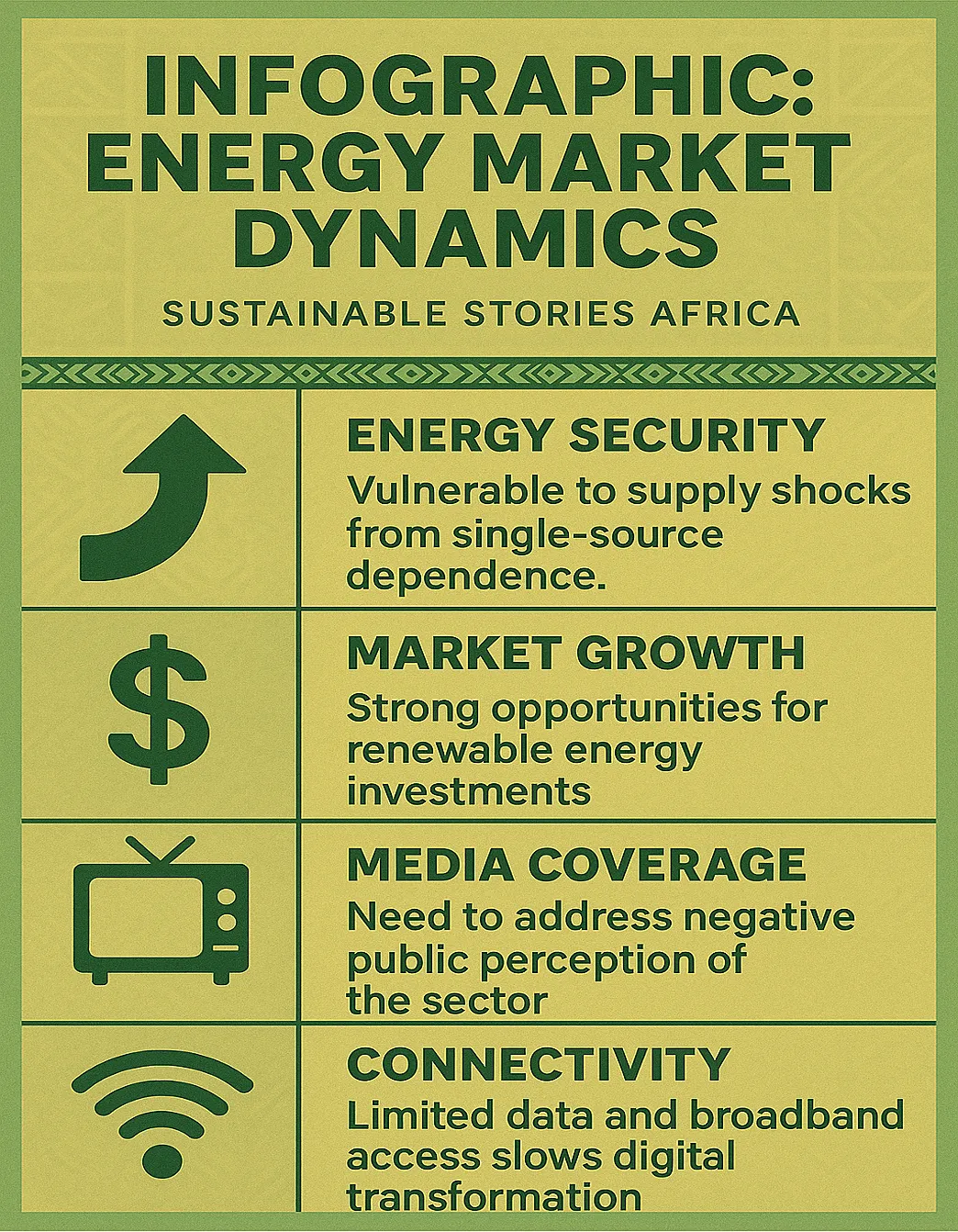
Infographic: Energy Market Dynamics
Safeguard Transparency & Sustainability
Pratt asserts, "Regulators need to do their jobs. If you protect local and you shut down competition, when local decides to make an arbitrage, there's really nothing to stop it." He warns against policies that create arbitrary price differentials and advocates transparency, public oversight, and gradual, sector-wide capacity building to prevent "super refineries" from crowding out smaller competitors.
Pathway Forward – Safeguarding Nigeria's Oil Sector: Invest, Diversify
To achieve resilience, Nigeria must prioritise consistent investment in infrastructure, enforce transparent regulatory standards, and nurture genuine market competition.
Avoiding single-player dominance and bringing in fresh sector governance will help stabilise revenue, foster sustainable growth, and protect energy security.
A shockproof oil sector depends on empowering all stakeholders, large and small, with policies driving fair play and efficiency