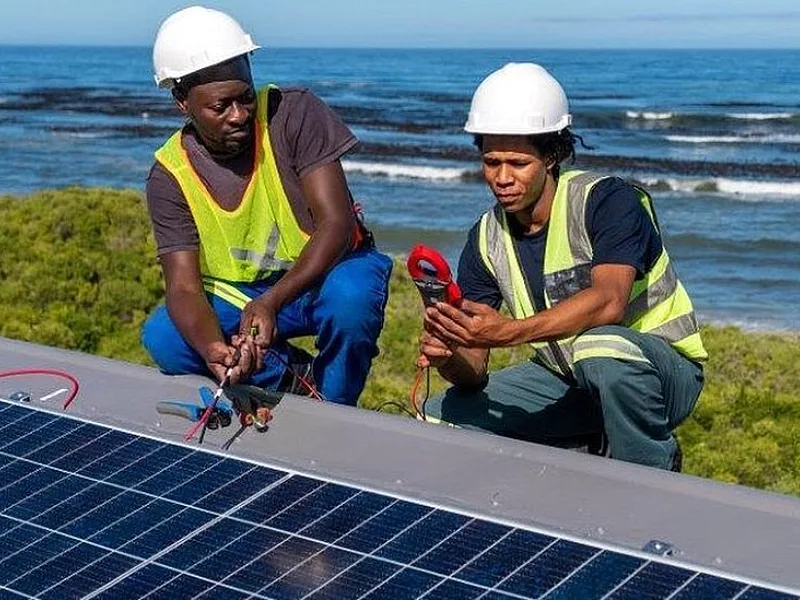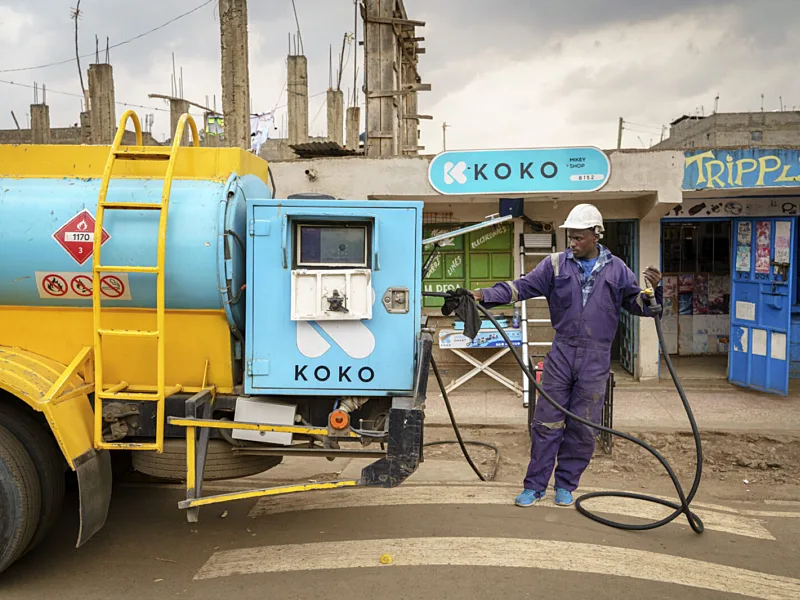
East Africa is accelerating its energy transition, driven by renewable investments, grid reforms, and climate-aligned policies.
From geothermal expansion in Kenya to cross-border power trade, the region is reshaping its energy mix.
But financing gaps, regulatory hurdles, and infrastructure constraints will determine how fast the transition delivers inclusive growth.
A Region at an Energy Crossroads
East Africa is emerging as one of Africa's most dynamic clean-energy regions. With rising electricity demand, climate pressures, and ambitious national targets, governments are prioritising renewable generation, regional power trade, and private-sector participation.
According to the SIBC 2026 East Africa Energy Transition briefing, countries such as Kenya, Tanzania, Ethiopia, and Uganda are investing in geothermal, hydropower, wind, and solar to strengthen energy security and cut emissions.
However, the pace of transformation depends on financing capacity, regulatory consistency, and infrastructure readiness.
Energy Transition Gains Momentum
East Africa's energy shift is no longer theoretical; it is underway.
Renewables already dominate Kenya's power mix, Ethiopia continues to expand hydropower, and Tanzania is scaling gas-to-power and solar projects.
Regional interconnectors are making improvements in cross-border electricity trade, helping balance supply and demand.
With climate finance on the increase and private investors seeking green opportunities, the region is positioning energy transition as a driver of economic resilience.
What's Driving the Transition
The SIBC briefing highlights three forces shaping East Africa's energy future:
| Transition Driver | Current Trend | Impact |
|---|---|---|
| Renewable Expansion | Growth in geothermal, solar, and hydro | Cleaner, reliable power |
| Regional Power Trade | New interconnectors | Lower costs, stability |
| Policy Reform | Energy-sector liberalisation | Attracts private capital |
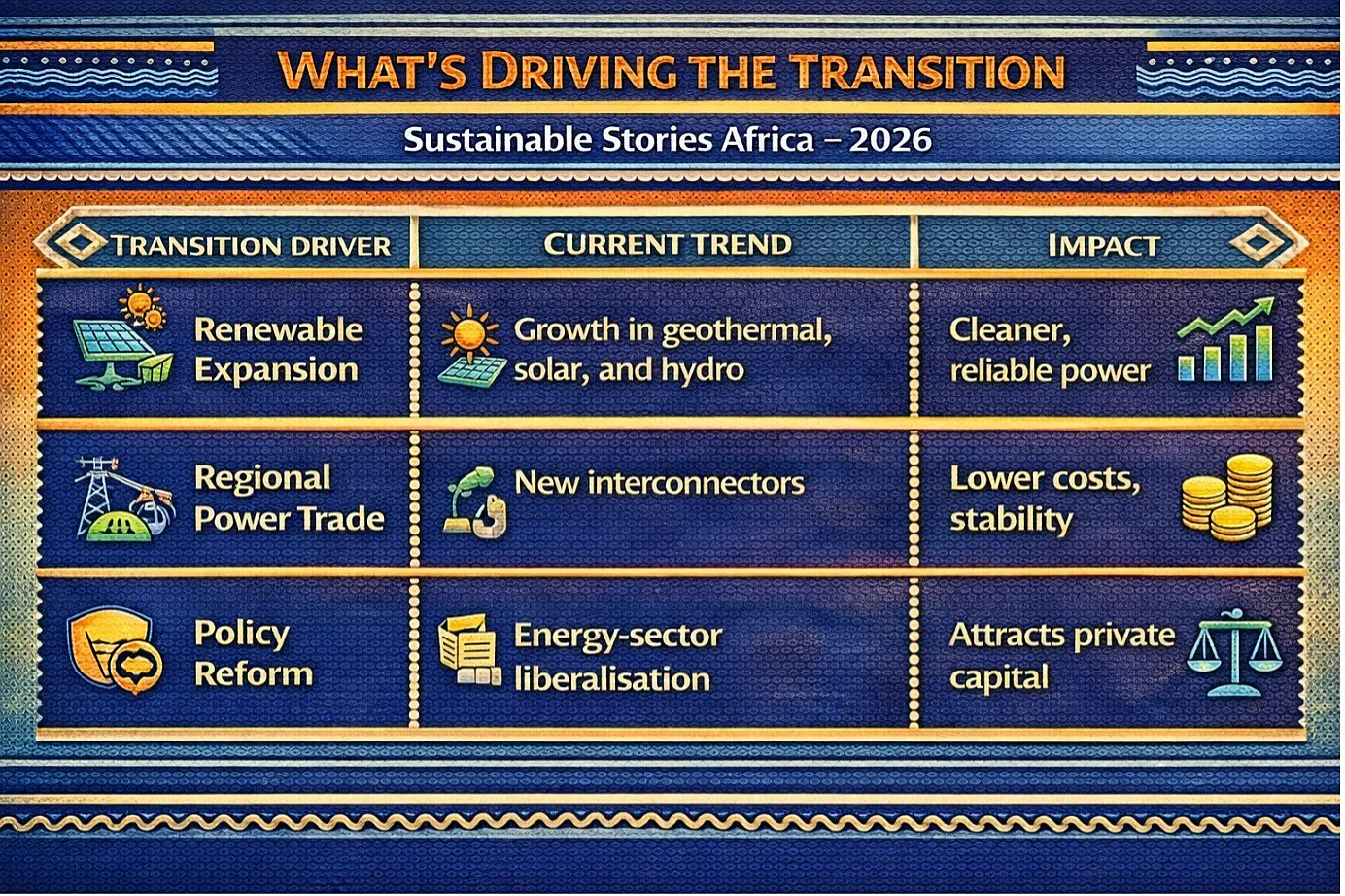
Kenya leads in geothermal, p roviding a stable baseload of power. Ethiopia's hydropower supports industrial growth, while Uganda and Tanzania are diversifying into solar and gas. Cross-border grids enable surplus power to flow where it is needed most.
However, regulatory delays, land issues, and grid congestion still slow project delivery.
Why the Transition Matters
A successful energy transition can deliver:
- Affordable, reliable electricity
- Reduced carbon emissions
- Stronger industrial growth
- More climate-finance inflows
- Improved energy security
Clean energy is not just about climate goals; it underpins manufacturing, digital infrastructure, and job creation.
Failure to address policy uncertainty and financing gaps, however, could stall progress and widen energy-access inequalities.
Closing the Energy Gap
To sustain momentum, stakeholders must:
- Strengthen energy-sector regulation
- Expand project-finance mechanisms
- Upgrade transmission networks
- Support regional power markets
- Integrate climate risks into planning
Public-private partnerships and multilateral support will be crucial in mobilising capital and accelerating infrastructure delivery.
Path Forward – Powering East Africa's Clean Future
East Africa's energy transition is advancing through the use of renewables, regional cooperation, and policy reform.
With stronger financing frameworks and grid investments, the region can turn clean energy into a foundation for inclusive growth, resilience, and climate leadership.
Culled From: https://bridgeh.substack.com/p/sibc-2026-east-africa-energy-transition