Nigeria's local-content drive in the oil and gas sector received a boost as the Nigerian Content Development and Monitoring Board (NCDMB) concluded a capacity-building programme on structural steel fabrication in Port Harcourt.
The training targets skills gaps that have historically limited in-country participation in major energy projects.
The initiative aligns workforce development with Nigeria's industrialisation ambitions.
NCDMB Concludes Strategic Skills Training
The Nigerian Content Development and Monitoring Board (NCDMB) has completed a capacity-building training programme on structural steel fabrication for oil and gas projects in Port Harcourt, reinforcing Nigeria's push to deepen local participation across the energy value chain.
The programme targets engineers, fabricators, and industry professionals critical to delivering large-scale offshore and onshore energy infrastructure.
The training comes amid renewed focus on reducing import dependence, shortening project timelines, and ensuring that Nigerian firms can meet international technical standards in complex oil and gas developments.
Closing Skills Gaps in Nigeria's Energy Value Chain
Structural steel fabrication remains one of the most import-dependent components of Nigeria's oil and gas projects, despite decades of local-content policy. Limited technical expertise, certification gaps, and weak industrial linkages have historically constrained domestic participation.
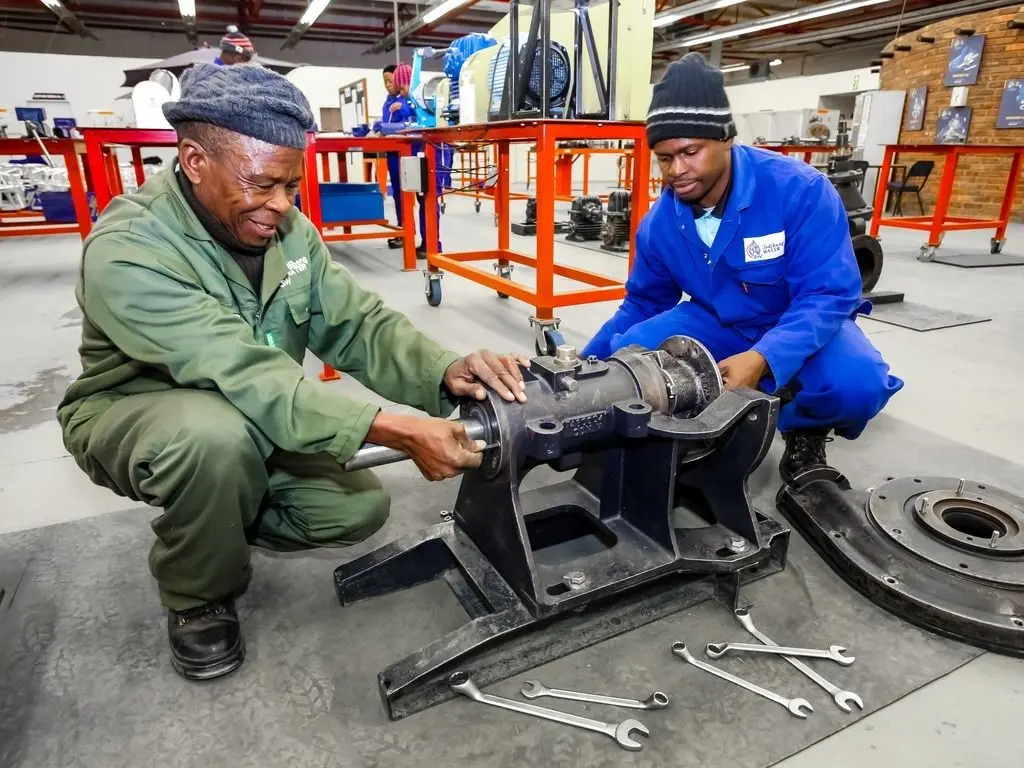
By focusing on hands-on fabrication techniques, quality assurance, welding standards, and safety compliance, the NCDMB programme addresses a critical bottleneck in project execution.
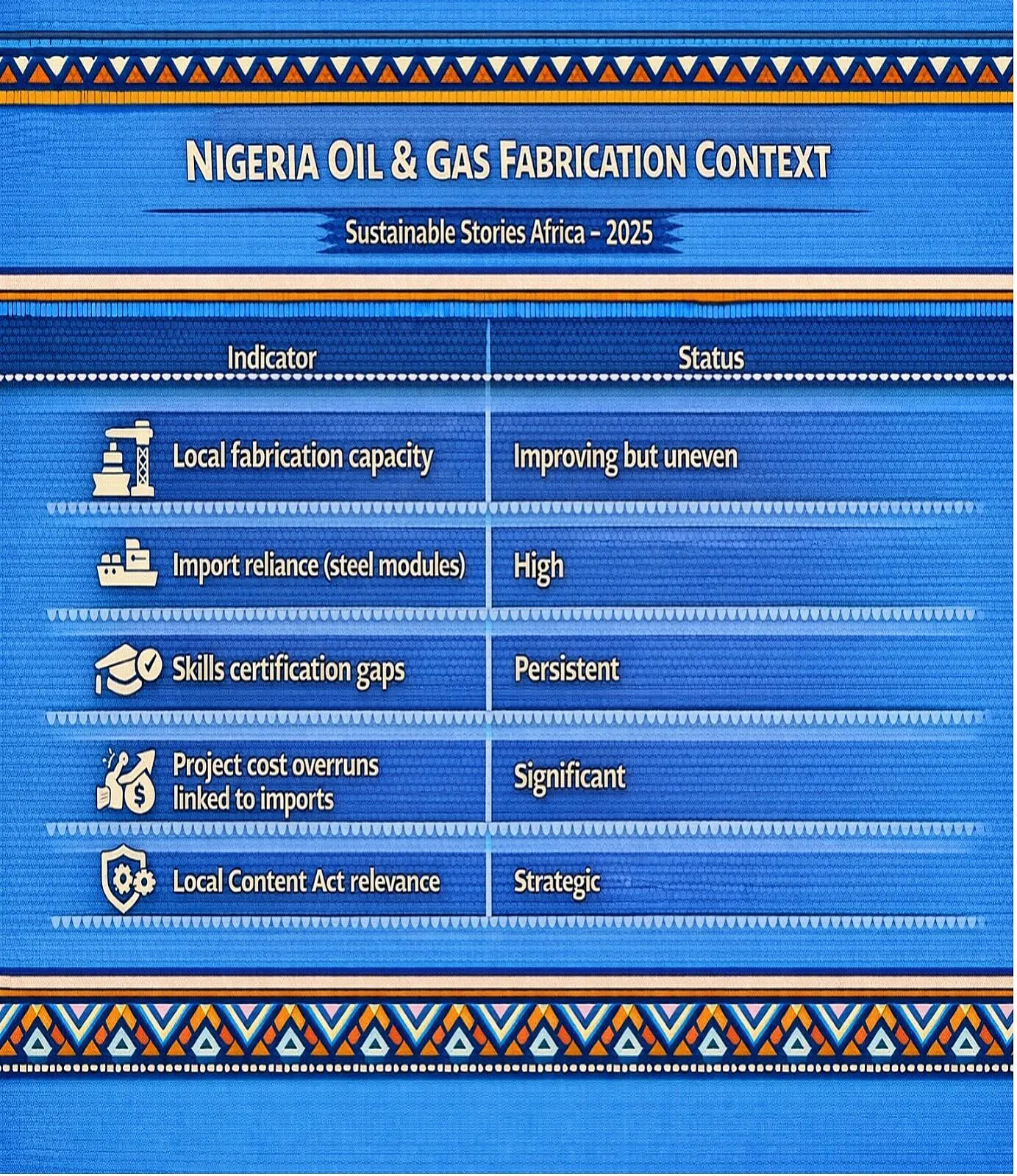
Nigeria Oil & Gas Fabrication Context
| Indicator | Status |
|---|---|
| Local fabrication capacity | Improving but uneven |
| Import reliance (steel modules) | High |
| Skills certification gaps | Persistent |
| Project cost overruns linked to imports | Significant |
| Local Content Act relevance | Strategic |
Industry observers note that strengthening fabrication skills has a multiplier effect, supporting job creation, technology transfer, and the growth of indigenous fabrication yards capable of handling larger contracts.
Why Structural Steel Matters
Structural steel is foundational to oil and gas infrastructure—ranging from platforms and pipe racks to storage facilities and offshore modules.
Weak local capability often translates into higher project costs, foreign exchange pressure, and limited domestic value capture.
The NCDMB's intervention reflects a strategic shift from policy enforcement to capability development, ensuring that Nigerian companies are not only compliant on paper but competitive in practice.
Key focus areas of the training included:
- International fabrication and welding standards
- Quality control and inspection protocols
- Health, safety, and environmental (HSE) compliance
- Project readiness for oil and gas installations
This approach aligns with global best practice, where local-content outcomes are driven by skills depth rather than quotas alone.
Industrial Capacity Meets Project Demand
Participants are expected to apply acquired competencies directly within fabrication yards and ongoing oil and gas projects, supporting Nigeria's broader industrialisation and energy-transition objectives.
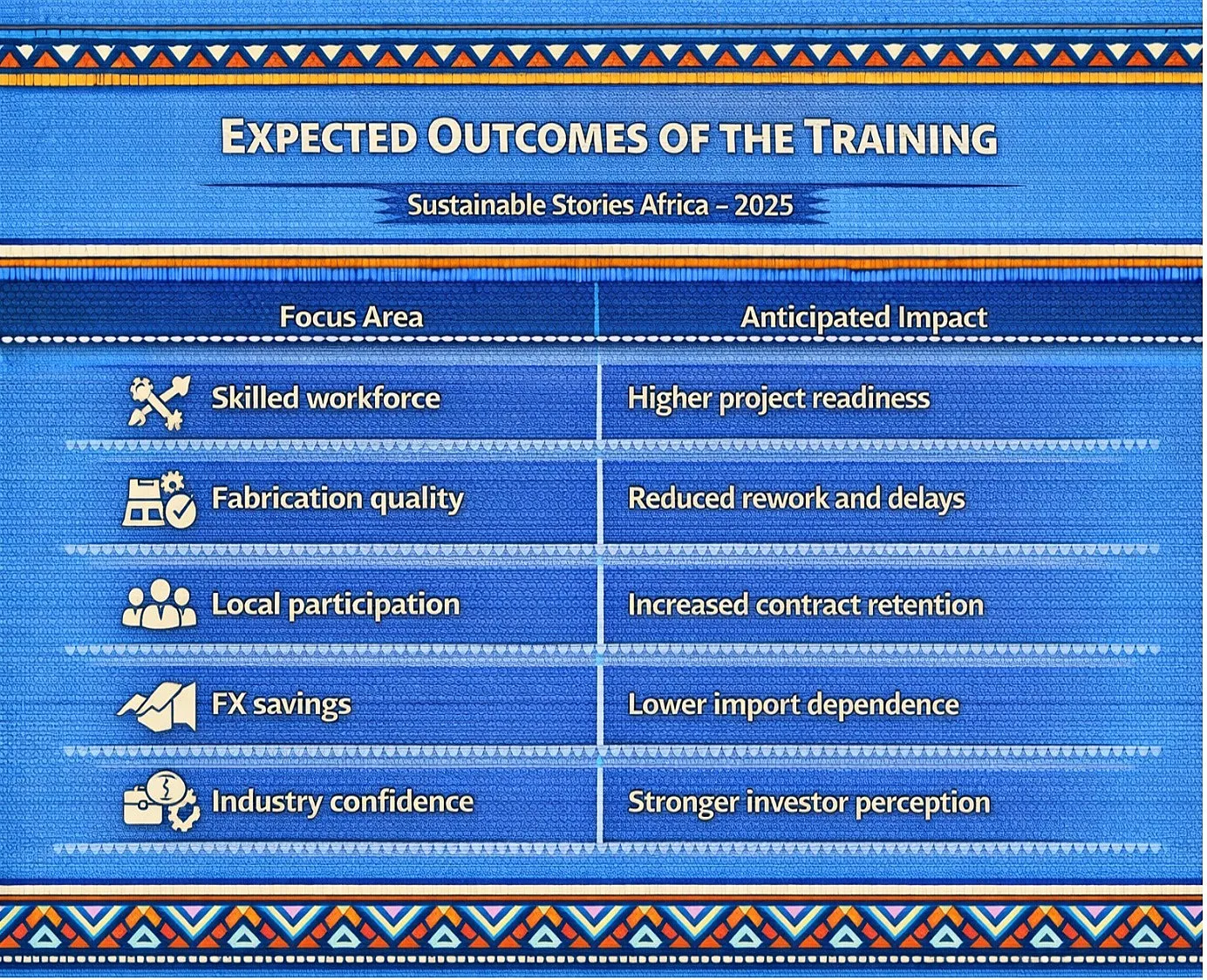
Expected Outcomes of the Training
| Focus Area | Anticipated Impact |
|---|---|
| Skilled workforce | Higher project readiness |
| Fabrication quality | Reduced rework and delays |
| Local participation | Increased contract retention |
| FX savings | Lower import dependence |
| Industry confidence | Stronger investor perception |
The training also complements ongoing NCDMB initiatives in modular fabrication, welding certification, and vendor development, creating a pipeline of technically capable Nigerian firms.
Path Forward – Building Skills, Retaining Value Locally
The NCDMB's steel fabrication training reinforces the principle that sustainable local content is built on skills, standards, and systems, not regulation alone. By aligning workforce capacity with project requirements, Nigeria strengthens its position as a credible energy-project destination.
Sustained investment in technical training, certification, and industrial infrastructure will be essential to translating local-content policy into long-term economic value, jobs, and resilient domestic supply chains.