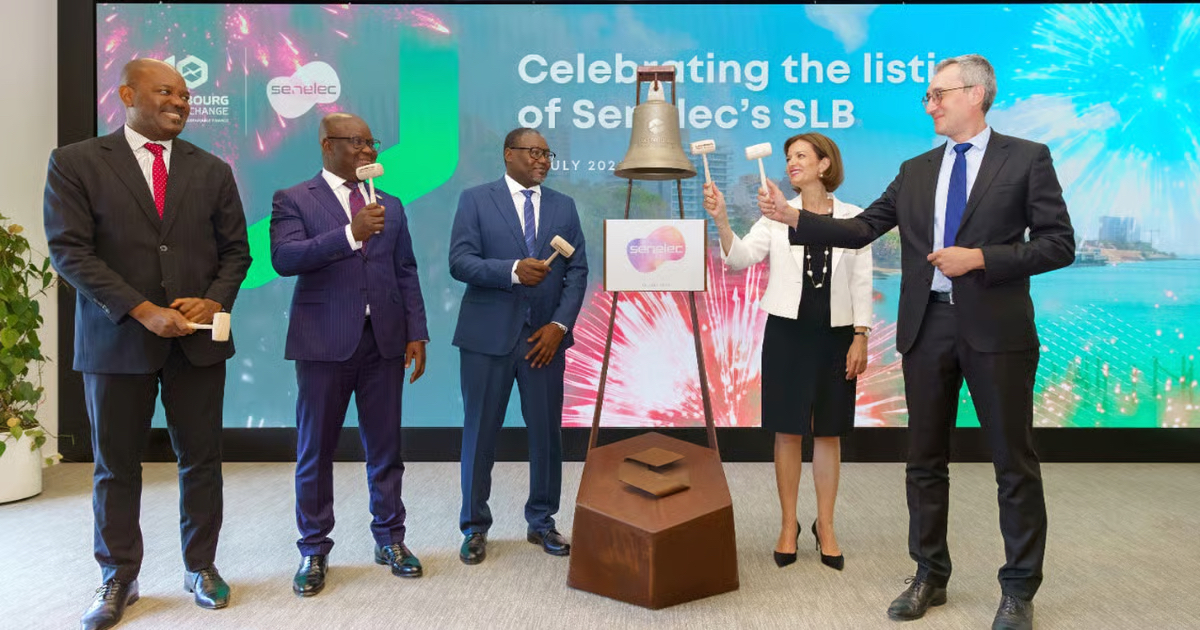
Senegal’s national electricity utility has listed CFA108 billion in sustainability-linked bonds on the Luxembourg Stock Exchange, creating a new international channel for African utility finance.
The transaction links electricity receivables and capital-market funding with renewable-energy, efficiency and access targets.
If delivered transparently, the model could finance cleaner power for households and businesses while showing other African utilities how local-currency assets can reach international investors.
Senegal Takes Utility Finance Onto Global Stage
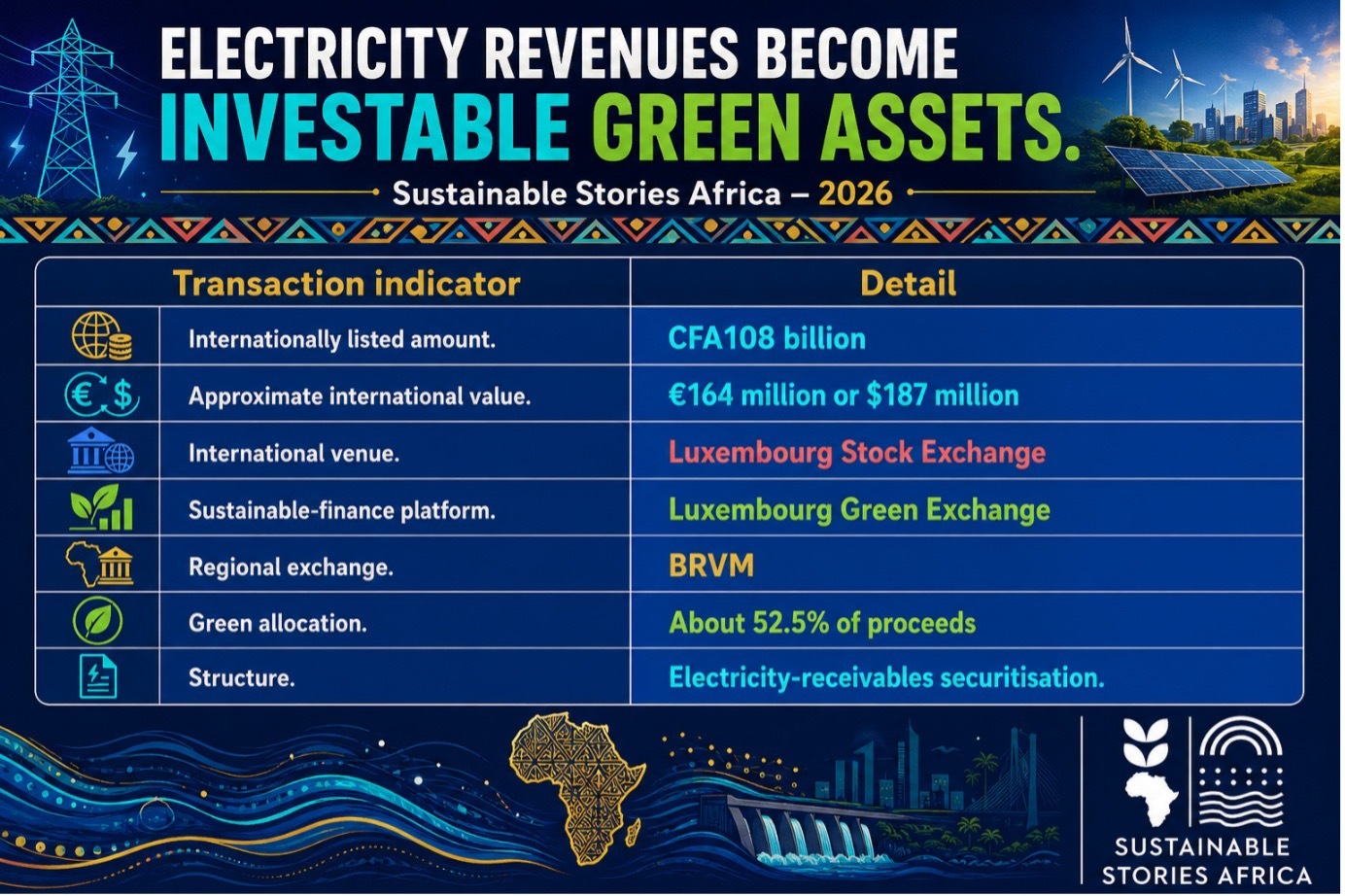
Senegal's state-owned electricity company, Senelec, has listed approximately CFA108 billion—about €164 million or $187 million in sustainability-linked bonds on the Luxembourg Stock Exchange, marking Africa's first public-utility securitisation to receive an international listing.
The securities were admitted to the exchange's Securities Official List and displayed on the Luxembourg Green Exchange, following an earlier listing on the West African regional exchange, BRVM.
Backed by Senelec's electricity receivables, the transaction converts expected customer payments into an investable security, combining a green-bond component with performance targets tied to electricity access and reduced transmission losses.
For African utilities often dependent on governments, development banks or foreign-currency loans, the structure offers a potential new route to long-term infrastructure capital.
"This transaction demonstrates how sustainable capital markets can support the energy transition in Africa," said Luxembourg Stock Exchange CEO Julie Becker.
Electricity Revenues Become Investable Green Assets
Senelec generates, transmits and distributes electricity across Senegal, serving about 80% of the population, and sits at the centre of the government's ambitions for universal electricity access and a 40% renewable energy by 2030.
Around 52.5% of bond proceeds are earmarked for renewable energy and efficiency investments, with the sustainability-linked portion tied to targets like expanding access and reducing transmission losses.
BOAD Titrisation arranged the structure, GuarantCo provided a partial payment-default guarantee, Symbiotics subscribed to the guaranteed bond, and M&G Investments served as anchor investor and liquidity provider.
Securitisation lets Senelec raise capital against future electricity payments rather than relying solely on its balance sheet or sovereign borrowing.
Keeping obligations in CFA francs also reduces currency mismatch risk.
Still, the structure's credibility depends on reliable billing, strong collections, transparent reporting and Senelec's ability to meet its attached environmental and social targets.
Cleaner Power Could Reach More Communities
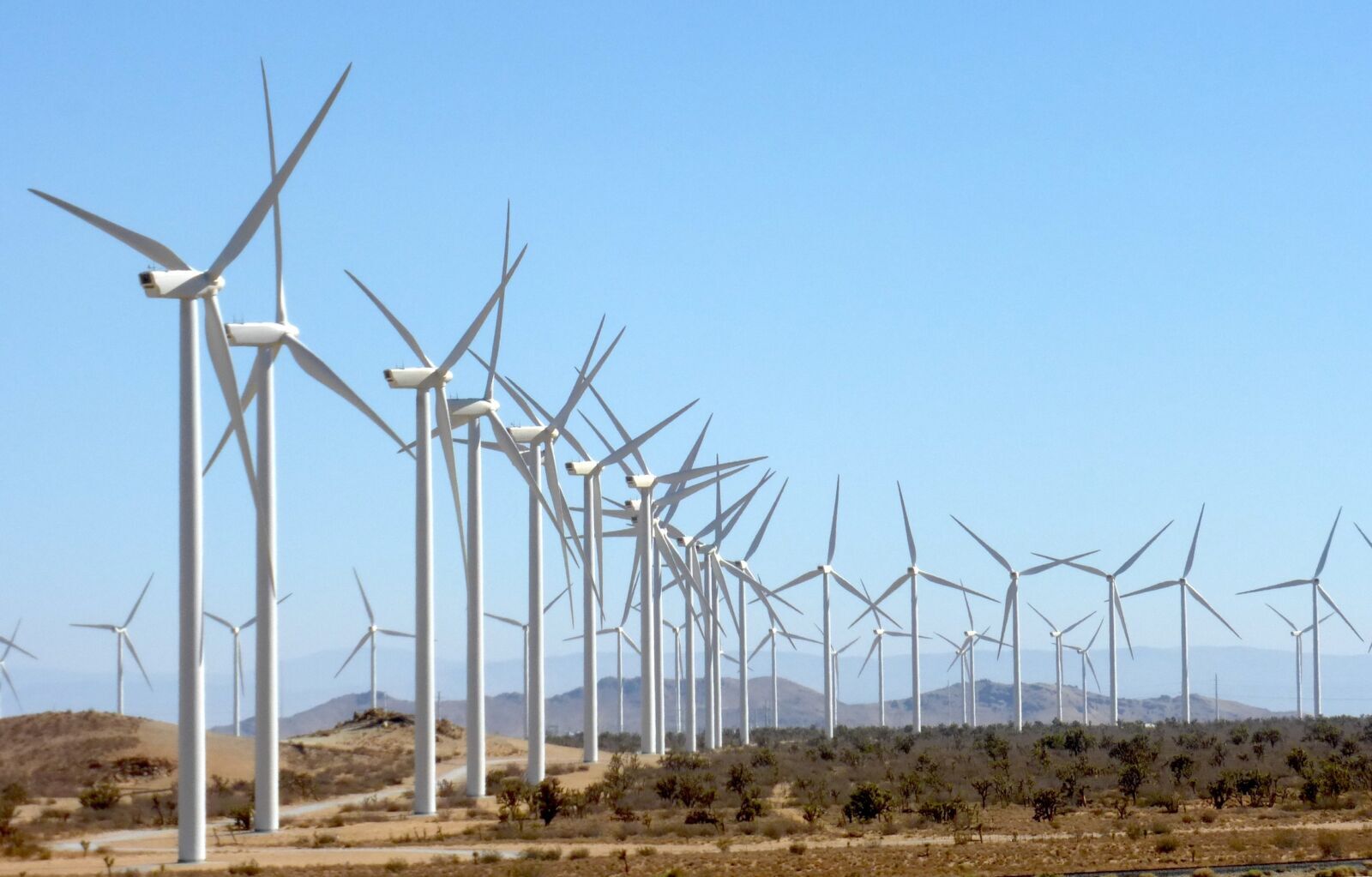
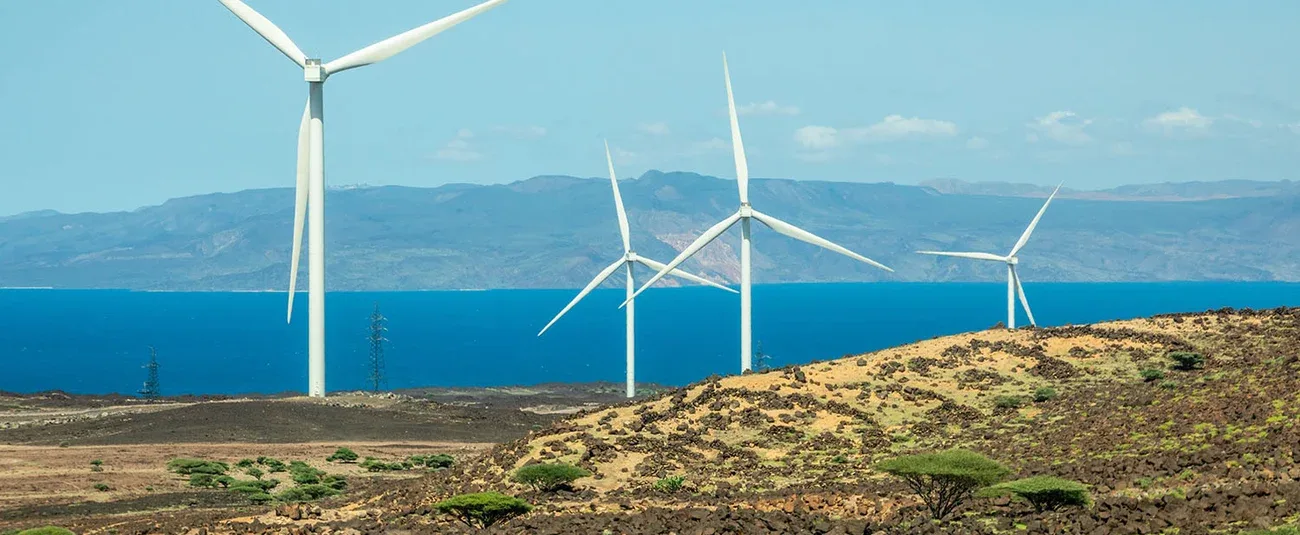
The wider financing programme is expected to support nine renewable-energy projects, including 585 megawatts of solar generation and 329 megawatts of battery storage, according to the Private Infrastructure Development Group
PIDG estimates that the investments could improve reliable electricity access for 1.8 million users and avoid approximately 853,000 tonnes of carbon-dioxide-equivalent emissions annually.
- For households, those figures could mean fewer interruptions when children study at night or when families store food and medicines.
- For small businesses, more reliable electricity reduces spending on diesel generators and protects equipment from unstable supply.
- For manufacturers, dependable power can improve productivity and competitiveness.
The broader opportunity lies in replication. African electricity utilities require significant investment in generation, grids, storage and last-mile connections. However, many operate with constrained balance sheets.
Properly structured receivables could attract pension funds, insurers and international sustainable-finance investors into infrastructure that previously appeared too risky or illiquid.
Transparency Must Follow Financial Innovation
Senelec must now demonstrate that the listed instrument delivers what its labels promise.
- Investors and citizens need regular disclosure covering proceeds, project implementation, electricity connections, transmission losses and emissions avoided.
Independent verification will be critical.
- Sustainability-linked bonds can lose credibility when targets are weak, baselines shift, or penalties for missed commitments are insignificant.
Regulators and exchanges should use the transaction to build common standards for African utility bonds.
- Credit enhancement should support commercially credible investments, rather than conceal weak financial management or transfer excessive risks to governments.
The listing is especially significant as Senegal faces wider scrutiny over public debt and financial transparency.
Clear separation between Senelec’s securitised receivables and sovereign obligations will therefore be essential to sustaining investor confidence.
Path Forward – Turning Utility Revenues Into Sustainable Infrastructure
Senelec’s immediate task is to convert the bond proceeds into completed renewable energy, storage and efficiency projects while reporting transparently against its financing targets.
For Africa, the priority is building credible pipelines, reliable utility revenues and consistent green finance standards.
If those foundations hold, Senegal’s transaction could become more than a landmark listing: it could establish a repeatable way to connect African electricity needs with long-term local and international capital.
Culled From: Senegal lists Africa's first international utility bond