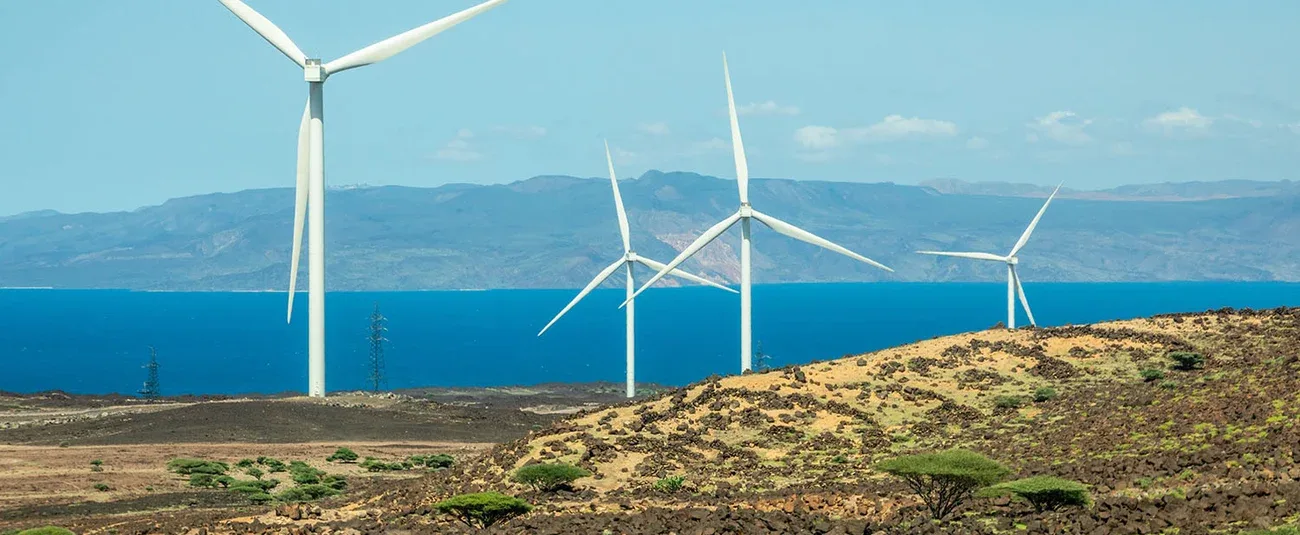
The African Development Bank Group has approved up to $110 million for Ethiopia’s first privately developed wind project, a planned 300MW facility in the Somali Region.
The $508 million investment will test whether blended finance can unlock more independent power projects in Ethiopia.
Beyond new electricity, Aysha promises greater climate resilience, construction jobs and a financing model capable of attracting private capital into the country’s renewable-energy market.
Ethiopia Unlocks Its First Private Wind Farm
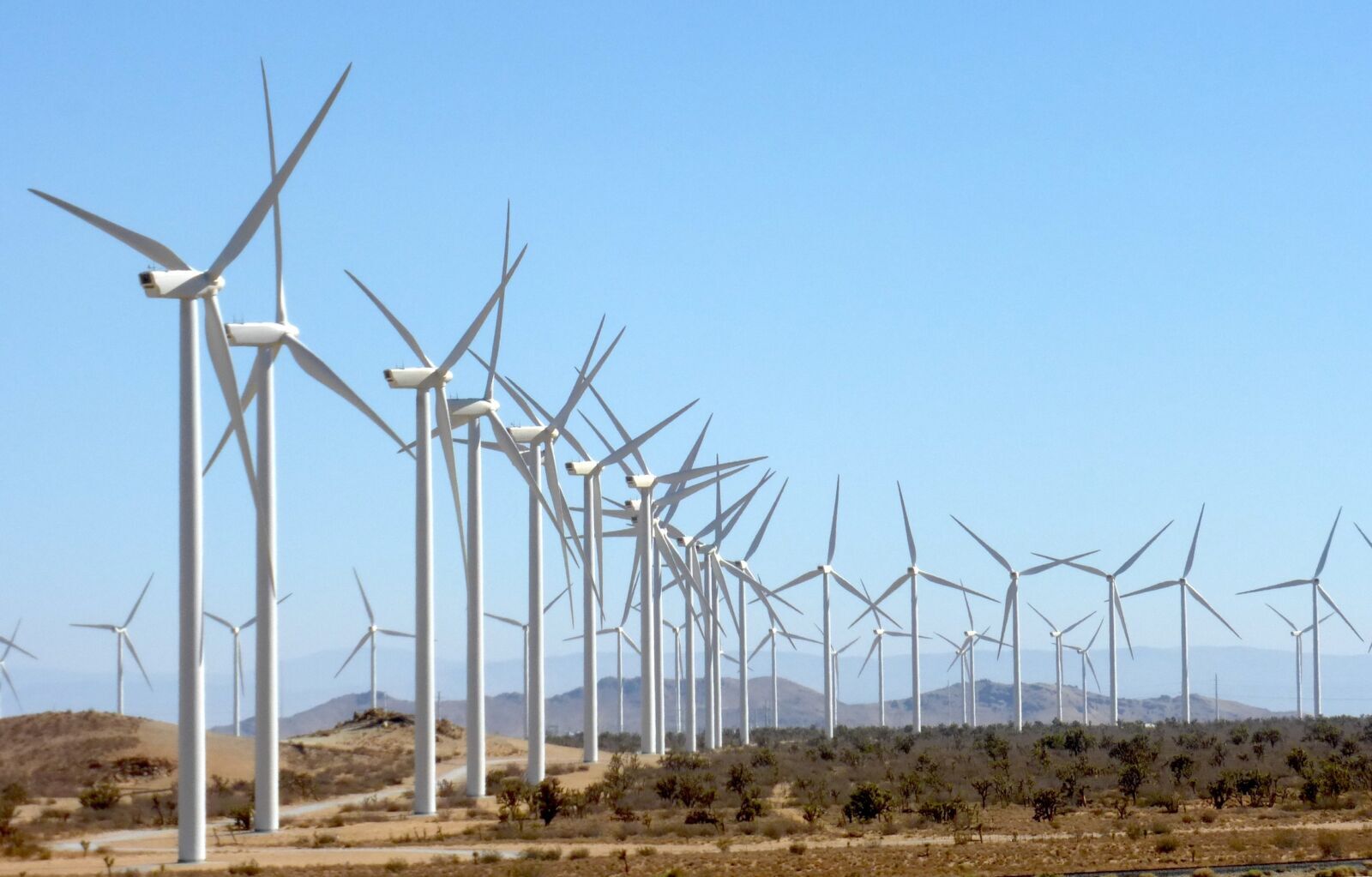
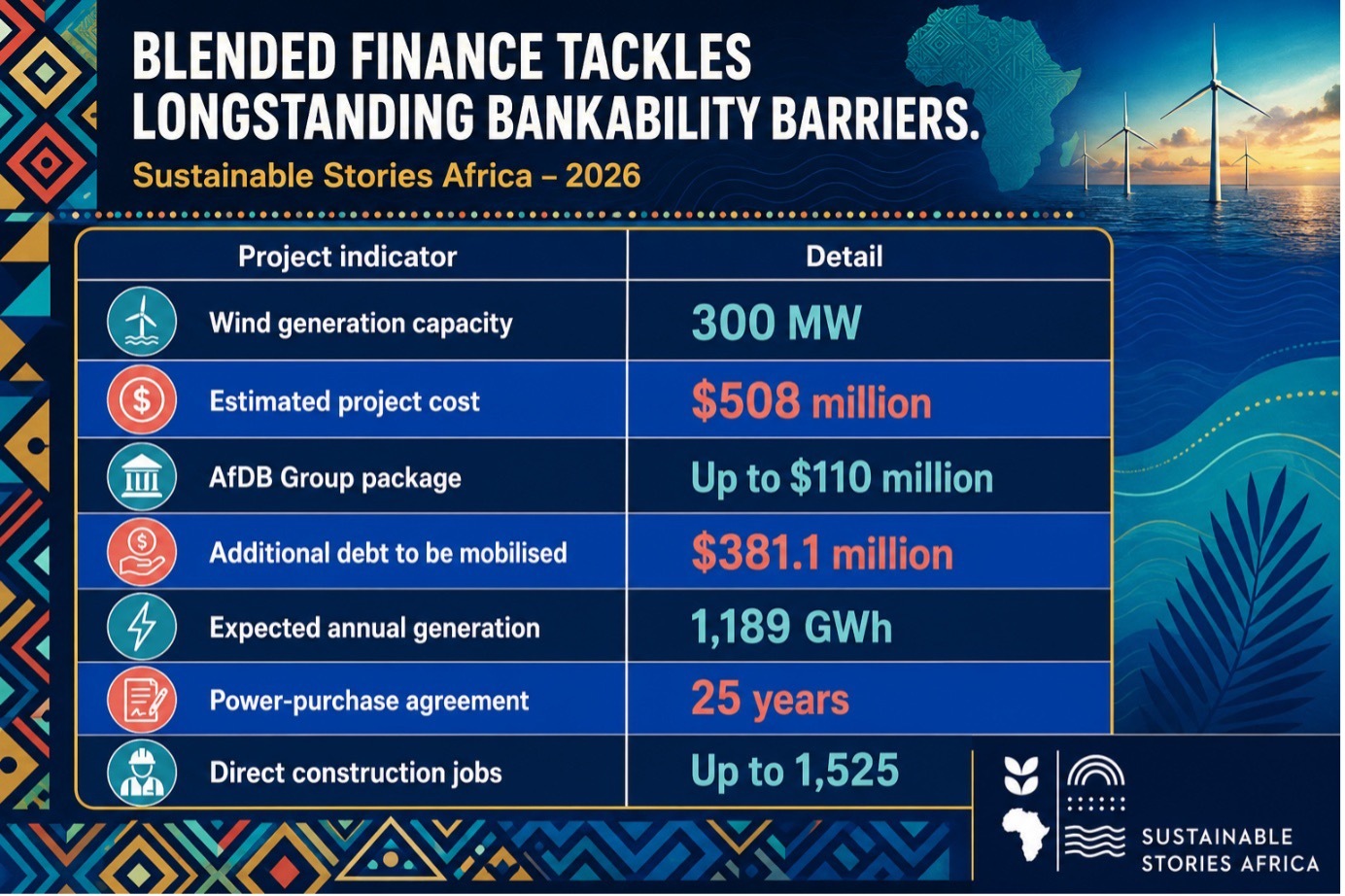
The African Development Bank Group has approved up to $110 million in financing for Ethiopia's first wind-based independent power producer, clearing a key hurdle for the 300-megawatt Aysha Wind Project.
Approved by the Bank's board on July 15, the $508 million project will be developed, owned and operated by Dubai-based AMEA Power near Aysha in Ethiopia's Somali Region—set to become the country's largest wind farm once completed.
Financing includes up to $80 million from the AfDB, $20 million from the Clean Technology Fund and $10 million from the Sustainable Energy Fund for Africa, with the Bank helping mobilise a further $381.1 million in development finance institution debt.
Beyond turbines, Aysha tests whether private developers can build large-scale renewable assets in a market historically led by public investment. "Aysha shows what is possible when governments, development partners and private sponsors work together to solve bankability challenges head-on," said Wale Shonibare, AfDB's Director for Energy Financial Solutions, Policy and Regulation.
Blended Finance Tackles Longstanding Bankability Barriers
The project comprises a greenfield wind farm, a five-kilometre transmission line and upgrades to the existing Aysha II substation.
Under a 25-year power-purchase agreement, state-owned Ethiopian Electric Power will buy the electricity generated and take ownership of the transmission infrastructure after construction.
The financing structure combines senior debt, concessional capital and risk-mitigation mechanisms, designed to make the project commercially viable while giving lenders confidence in payment, regulatory and construction risks.
Such arrangements are central to Africa's energy transition, where abundant renewable resources often stall due to weak utility balance sheets, cost-recovery gaps and limited affordable long-term finance.
A successful Aysha could offer a template, proving Ethiopia can negotiate bankable contracts, manage private operators and integrate independent power into its national grid.
However, financing approval is not financial closure; the project must still meet remaining conditions, mobilise other lenders and avoid construction delays or cost overruns.
Wind Power Diversifies A Hydro-Heavy Grid
Aysha is expected to generate roughly 1,189 gigawatt-hours of clean electricity annually, supporting homes, schools, hospitals and businesses while advancing Ethiopia's target of universal electricity access by 2030.
The project will also diversify a grid that currently depends on hydropower for about 96% of electricity, a resource vulnerable to drought and hydrological variability.
Wind power, governed by different weather patterns, can complement hydroelectricity, giving grid operators greater flexibility and reducing exposure to simultaneous climate shocks.
The Bank estimates Aysha could prevent approximately 1.39 million tonnes of carbon dioxide emissions over its 25-year agreement period.
Construction is projected to create up to 1,525 direct jobs, with 30 permanent positions during operations and as many as 35,645 indirect jobs through supply chains.
Realising these benefits depends on local participation, training and procurement policies that must ensure Ethiopian workers and companies retain capabilities after construction ends.
Must Match The Financing Ambition
AMEA Power, Ethiopian Electric Power and government institutions must now translate financing commitments into transparent project delivery.
Environmental and social safeguards require particular attention.
- Land access, pastoral livelihoods, biodiversity, community safety and benefit-sharing must be managed through continued consultation, rather than treated as one-time approval requirements.
The government should also use Aysha to improve the greater independent power framework.
- Clear procurement rules, credible payment arrangements, transparent tariffs and predictable foreign-exchange access will determine whether the project becomes a market-opening precedent or remains an isolated transaction.
For development financiers, success means mobilising capital beyond their own balance sheets.
- Every dollar of concessional support should strengthen project governance and attract investors that might finance the next Ethiopian renewable project with less public-risk protection.
Part Forward – Turning One Wind Project Into Market
Aysha’s immediate priorities are reaching financial close, protecting affected communities, developing local skills and completing transmission works alongside the wind farm.
Ethiopia must then convert the project’s lessons into a repeatable independent-power framework. If contractual discipline, ESG safeguards and grid planning remain credible, the investment can diversify electricity supply while opening a durable private-capital pathway for the country’s clean-energy transition.
Culled From: African Development Bank Group approves $110 million for Ethiopia’s first 300MW independent wind power project