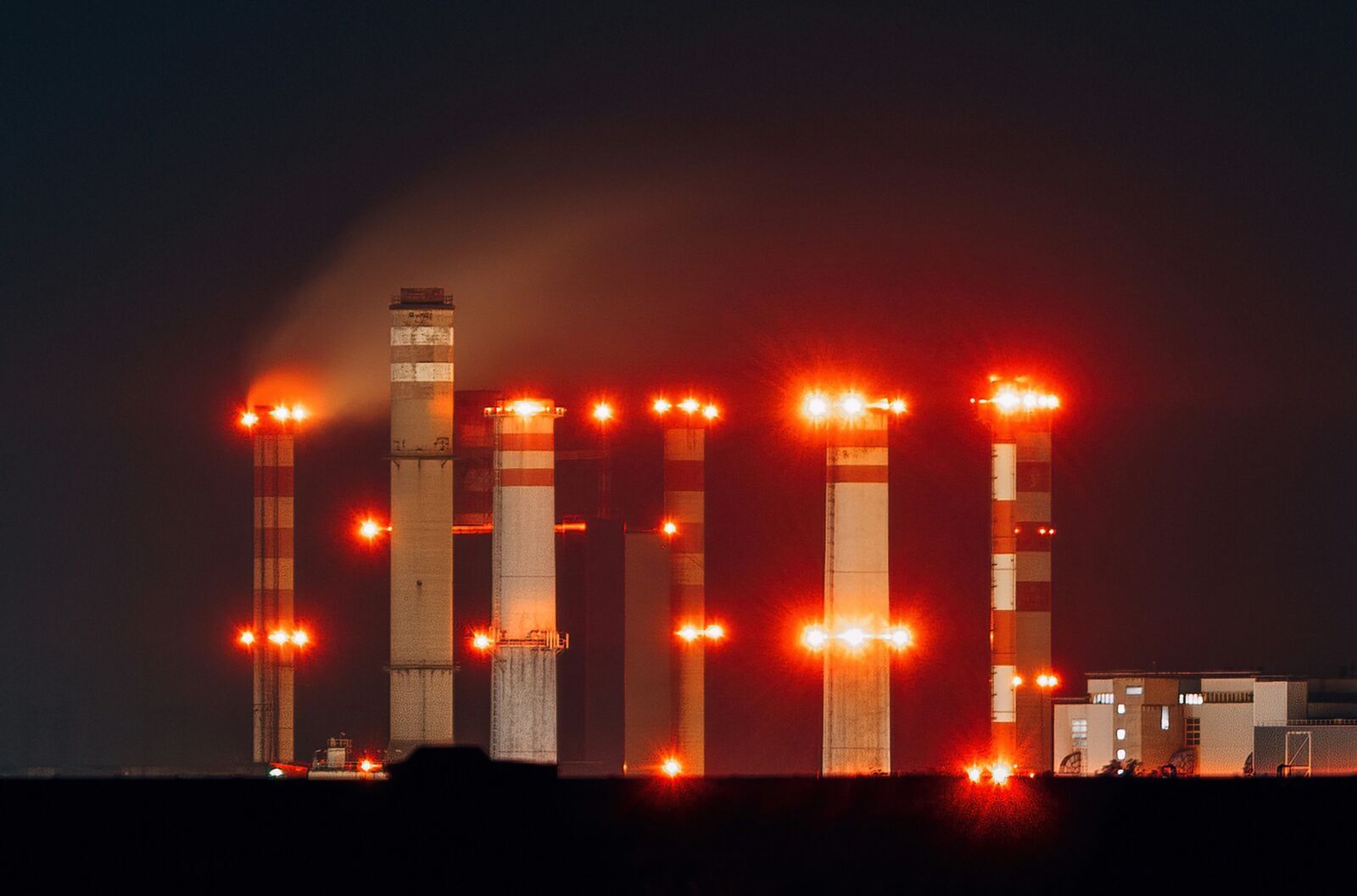
Electricity alone will not transform Africa. Power must translate into productivity.
Power Isn't Enough: Why Electricity Alone Won't Deliver Africa's Energy Promise – Access Without Transformation Risks Stagnation
As governments accelerate grid expansion and renewable deployment, a growing policy debate argues that megawatts without industrial ecosystems, transmission reform and productive-use integration will fall short of Africa's development promise.
The energy conversation is shifting from access to impact.
The Access-Productivity Disconnect
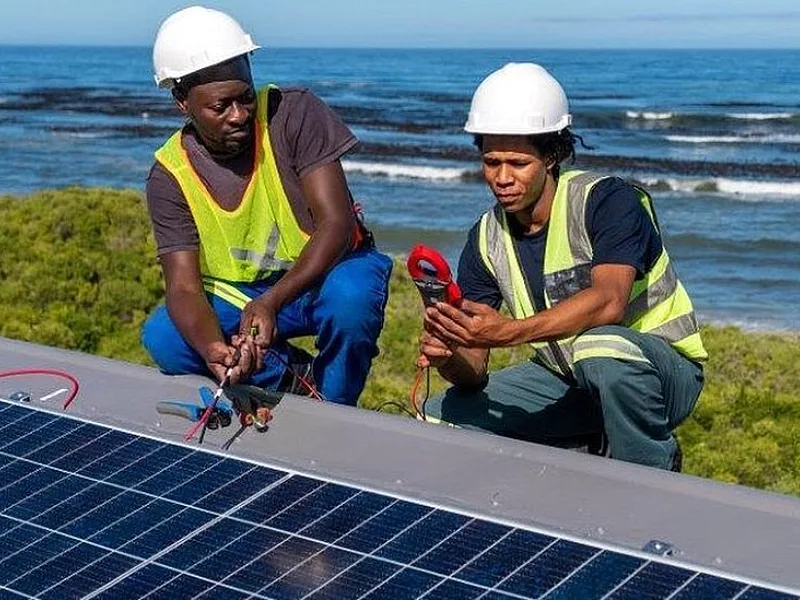
Africa has made measurable progress in expanding electricity access. Grid connections are increasing. Renewable projects are multiplying. Investment commitments are growing.
However, a critical warning is emerging electricity access, on its own, does not guarantee economic transformation.
Energy must power factories, agro-processing hubs, digital infrastructure and small enterprises, not merely households.
Without productive integration, expanded generation capacity risks underutilisation and fiscal strain.
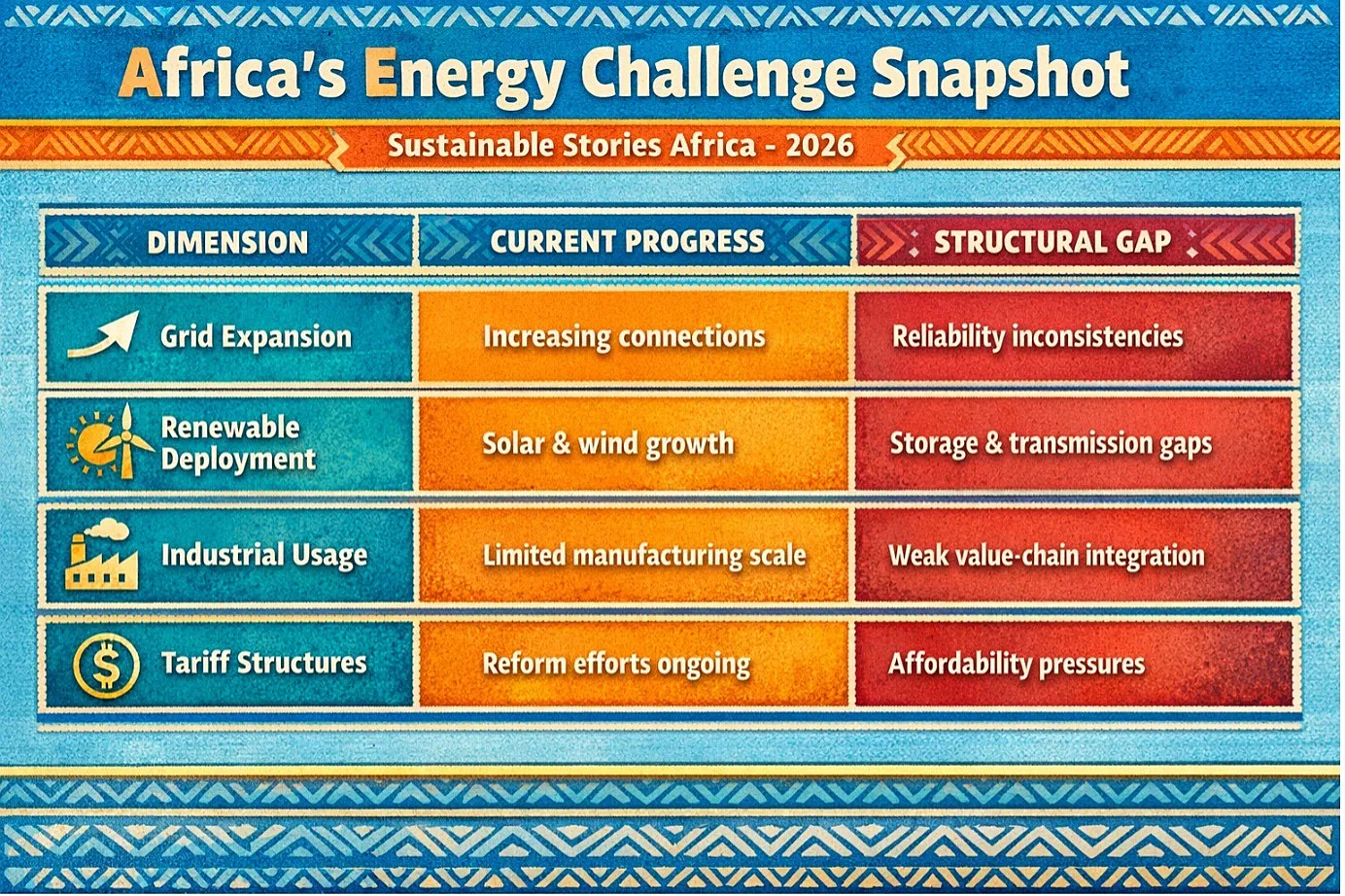
Africa's Energy Challenge Snapshot
| Dimension | Current Progress | Structural Gap |
|---|---|---|
| Grid Expansion | Increasing connections | Reliability inconsistencies |
| Renewable Deployment | Solar & wind growth | Storage & transmission gaps |
| Industrial Usage | Limited manufacturing scale | Weak value-chain integration |
| Tariff Structures | Reform efforts ongoing | Affordability pressures |
Many economies have prioritised electrification targets measured by connection rates. However, industrial clusters often face high tariffs and unstable supply. Small businesses struggle to convert access into growth due to cost barriers.
The debate is evolving toward "productive use of energy", ensuring that power fuels manufacturing, agribusiness, cold chains and digital services.
Power as Economic Multiplier
When electricity is embedded into productive systems, its developmental impact multiplies.
Reliable power enables agro processing, reducing post-harvest losses. It supports SMEs in scaling operations. It enhances healthcare delivery and access to education through digitalisation.
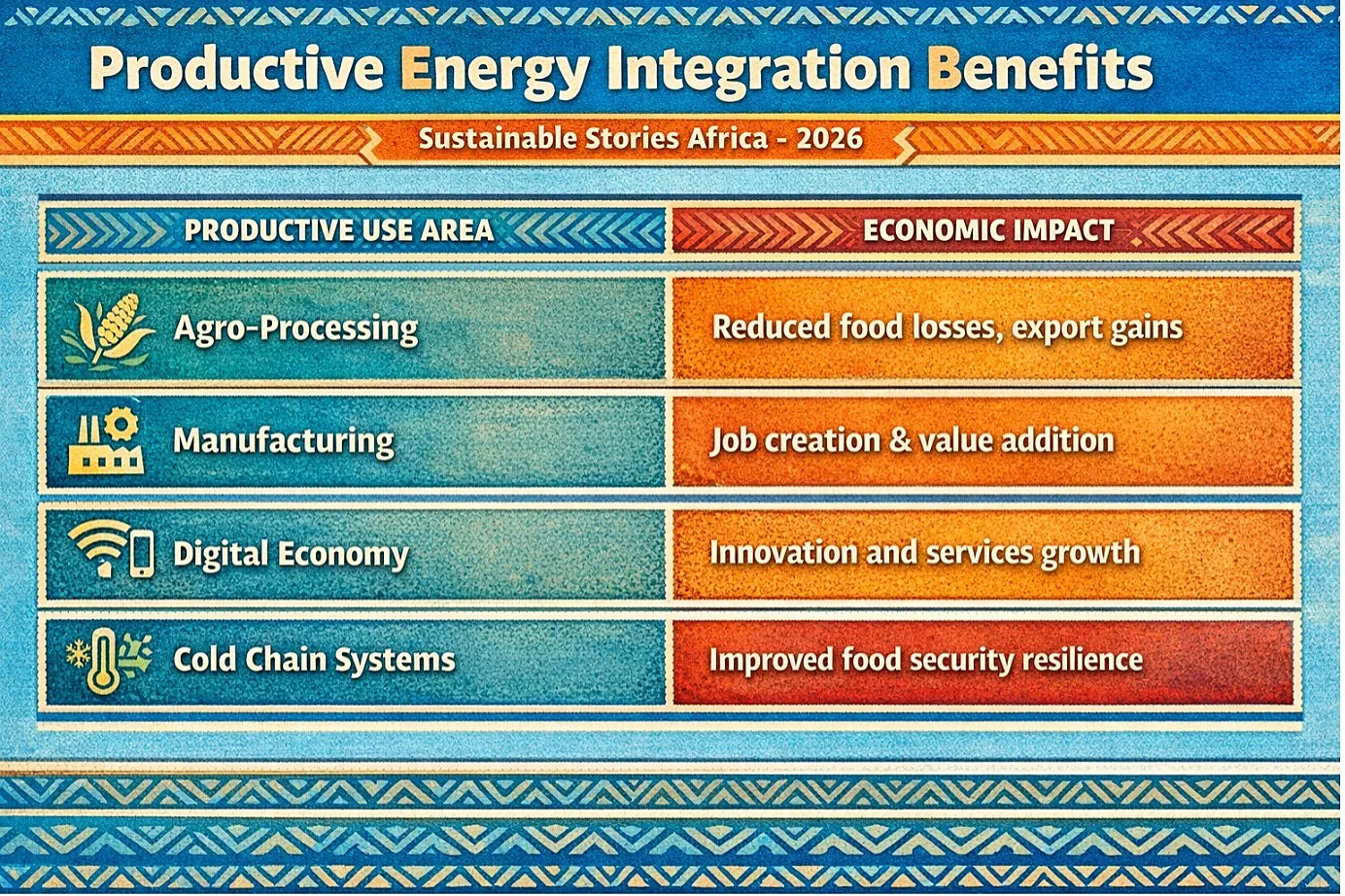
Productive Energy Integration Benefits
| Productive Use Area | Economic Impact |
|---|---|
| Agro-Processing | Reduced food losses, export gains |
| Manufacturing | Job creation & value addition |
| Digital Economy | Innovation and services growth |
| Cold Chain Systems | Improved food security resilience |
The transition toward renewable energy further presents an opportunity. Africa's solar and wind potential is among the highest globally.
Harnessed effectively, it could lower long-term generation costs and reduce dependence on imports, enabling stability towards increasing electricity supply.
However, infrastructure coordination is essential. Transmission networks, storage solutions and industrial policy alignment must evolve in tandem.
Align Energy With Industrial Policy
Experts emphasise three priorities:
- Integrated Planning – Align energy expansion with industrial clusters and economic zones.
- Transmission Investment – Strengthen grid reliability and regional interconnections.
- Tariff Reform – It would balance cost recovery with industrial competitiveness.
Governments are encouraged to implement energy planning into broader economic strategies rather than treating electrification as a standalone target.
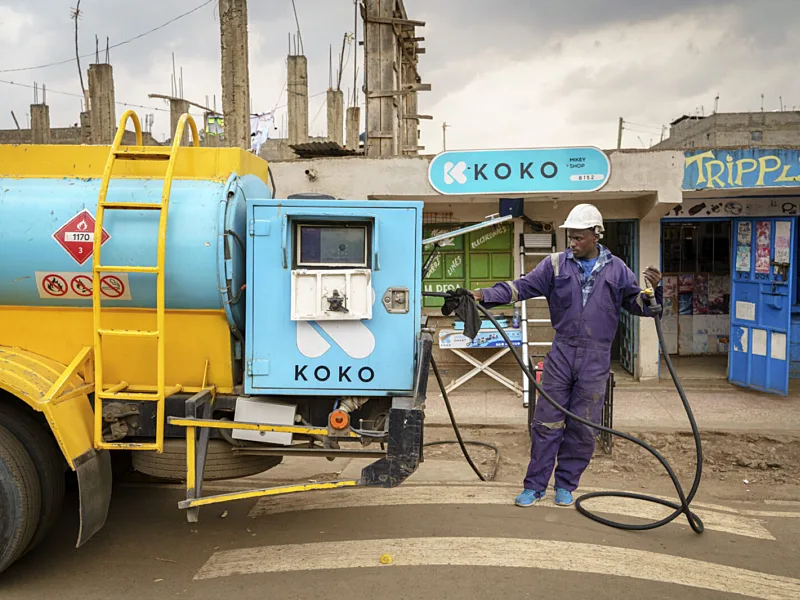
Private investors are increasingly exploring mini-grids, battery storage and distributed generation models tailored to productive users.
Africa's energy promise lies not merely in megawatts installed, but in megawatts deployed productively.
Path Forward – Integrate Energy Planning With Industrial Strategy
Africa's energy transition must align generation, transmission and industrial policy to convert access into productivity.
Productive-use integration will determine whether electrification drives structural transformation.
Scaling renewable capacity alongside industrial clusters and SME support systems provides the clearest pathway toward sustainable economic impact.
Culled From: https://sdgnews.com/power-isnt-enough-why-electricity-alone-wont-deliver-africas-energy-promise/