Africa's climate ambitions are no longer short on vision. What remains uncertain is execution.
In 2026, the continent faces a defining moment to convert bold climate pledges into measurable action.
From energy reform to climate finance and adaptation, Africa's response will shape its development pathway for decades.
A Defining Year for Climate Action
Africa's climate ambitions have never been clearer or more urgent. In 2026, the continent is expected to demonstrate whether years of policy commitments, net-zero targets and climate strategies can translate into real-world impact.
Across energy systems, food security, urban resilience and climate finance, the pressure is mounting for African governments to move from declarations to delivery. Rising climate shocks, fiscal constraints and growing investor scrutiny mean the next two years will test not just political will, but institutional capacity.
According to the Institute for Security Studies (ISS Africa), 2026 represents a critical inflexion point where climate ambition must be matched by credible implementation pathways to protect growth, stability and livelihoods.
From Promises to Practical Systems
Over the past decade, most African countries have adopted Nationally Determined Contributions (NDCs), net-zero pledges and climate adaptation plans. However, implementation gaps remain wide.
Many governments face limited fiscal space, weak project pipelines and fragmented coordination among climate, finance and energy ministries. Climate strategies often exist on paper, while execution struggles to keep pace with rising risks from floods, droughts, heatwaves and food insecurity.
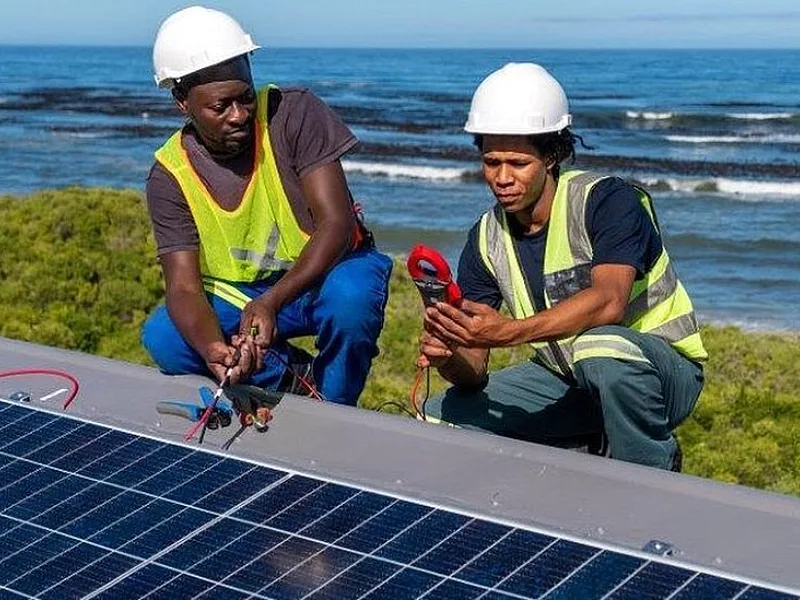
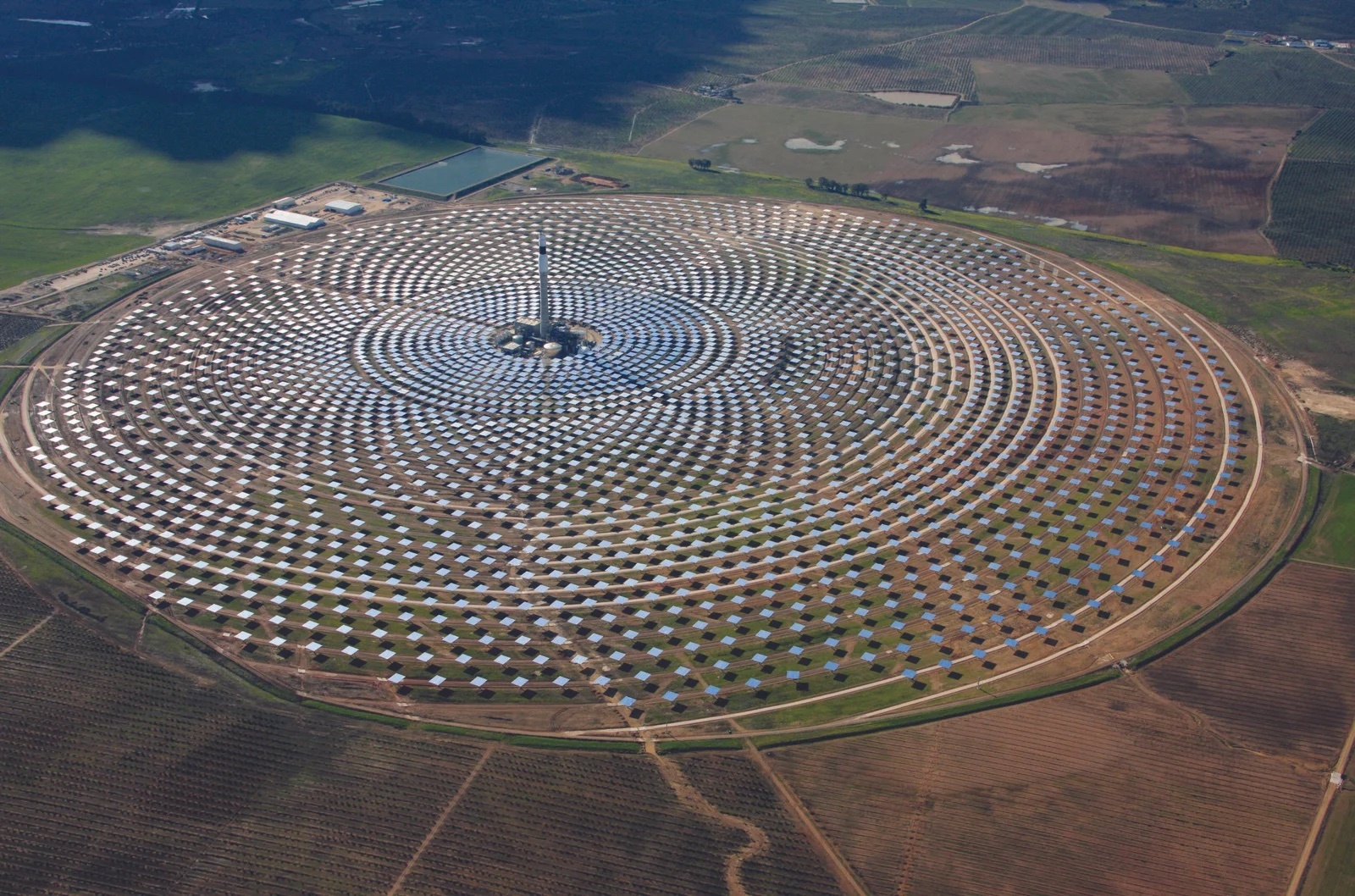
Energy transition remains central. Africa holds vast renewable potential, yet fossil fuels still dominate power generation in many economies. Grid instability, limited storage, and slow regulatory reform continue to slow the deployment of renewables.
At the same time, climate finance flows remain misaligned with needs. While Africa requires tens of billions of dollars annually for mitigation and adaptation, funding remains skewed toward mitigation projects, with adaptation being critical for vulnerable communities which remain underfunded.
Africa's Climate Implementation Gaps (Illustrative)
| Area | Policy Commitments | Implementation Reality |
|---|---|---|
| Energy Transition | Net-zero targets, renewable strategies | Grid constraints, fossil reliance |
| Climate Finance | Green finance frameworks | Limited adaptation funding |
| Adaptation | National plans | Weak local execution |
| Governance | Climate laws | Fragmented coordination |
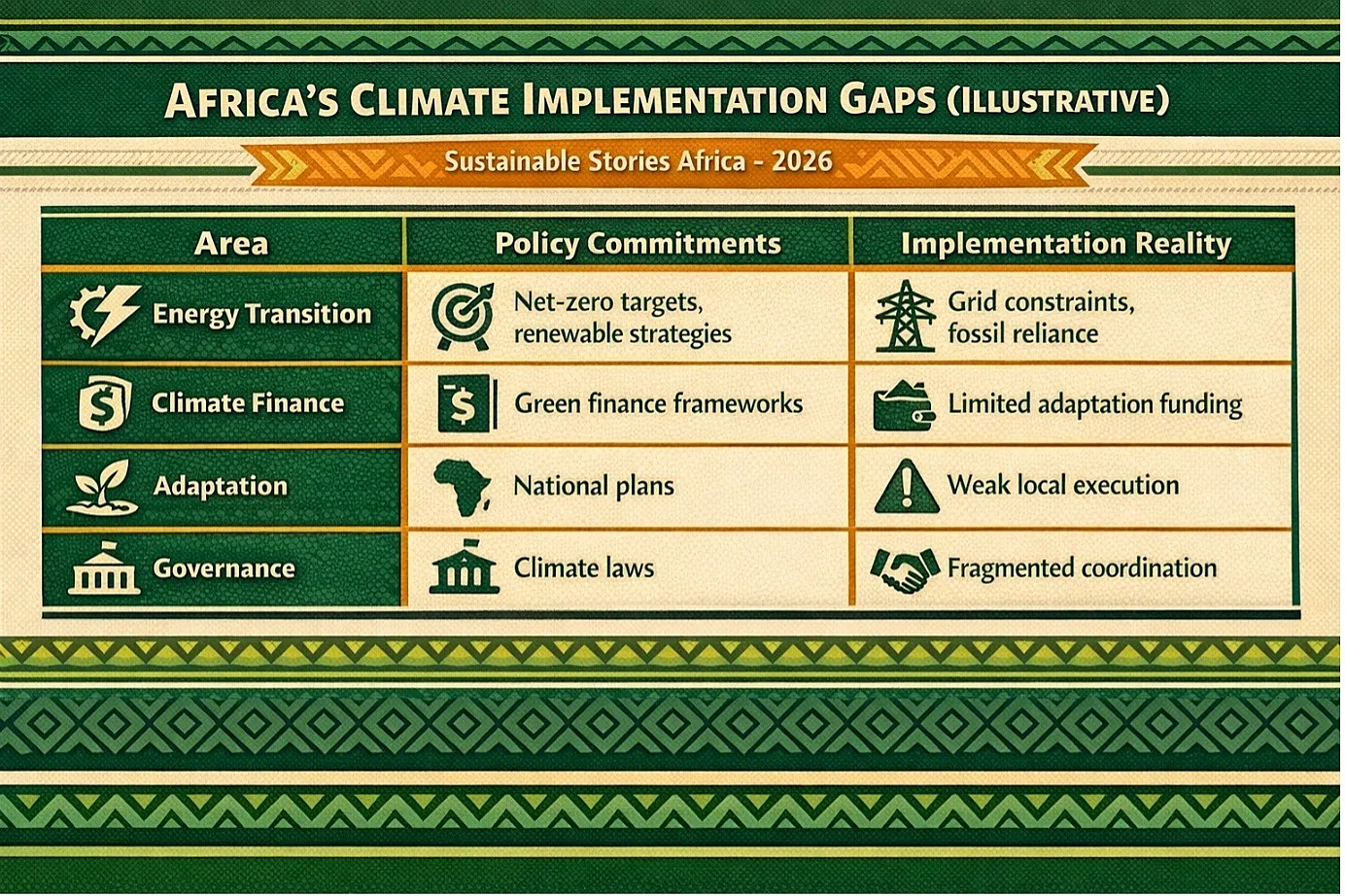
ISS Africa warns that without stronger institutions, integrated planning, and financing reforms, climate goals risk becoming symbolic rather than transformational.
What Effective Action Could Unlock
If Africa succeeds in aligning ambition with execution by 2026, the dividends could be significant.
A well-managed energy transition could expand electricity access, reduce fuel import costs, and stimulate green jobs.
Climate-resilient agriculture could protect food systems and rural incomes. Urban adaptation projects help reduce flood damage and health risks in fast-growing cities.
Crucially, credible climate action can also unlock global capital. Investors are increasingly demanding clear governance structures, transparent climate reporting and bankable project pipelines.
Countries that demonstrate implementation readiness will attract green bonds, blended finance and private investment.
ISS Africa highlights the importance of aligning climate goals with development priorities – ensuring that climate action supports industrialisation, infrastructure expansion and job creation, rather than competing with them.
This integration is what transforms climate policy from a compliance exercise into a growth strategy.
What Must Change in 2026
To move from ambition to action, African governments face four urgent priorities:
- Strengthen climate governance – Climate policies must be embedded across finance, energy, agriculture and infrastructure ministries, not isolated in environment departments.
- Build project pipelines – Bankable, well-structured climate projects are essential to attract funding.
- Scale adaptation finance – Resilience investments must match Africa's vulnerability profile.
- Improve transparency – Credible data, reporting and monitoring systems are key to accountability.
ISS Africa stresses that leadership, coordination and institutional capacity will determine whether 2026 becomes a turning point or a missed opportunity.
2026 Climate Action Priorities
| Priority | Strategic Focus |
|---|---|
| Governance | Cross-ministerial coordination |
| Finance | Bankable green projects |
| Adaptation | Community resilience |
| Transparency | Climate data systems |
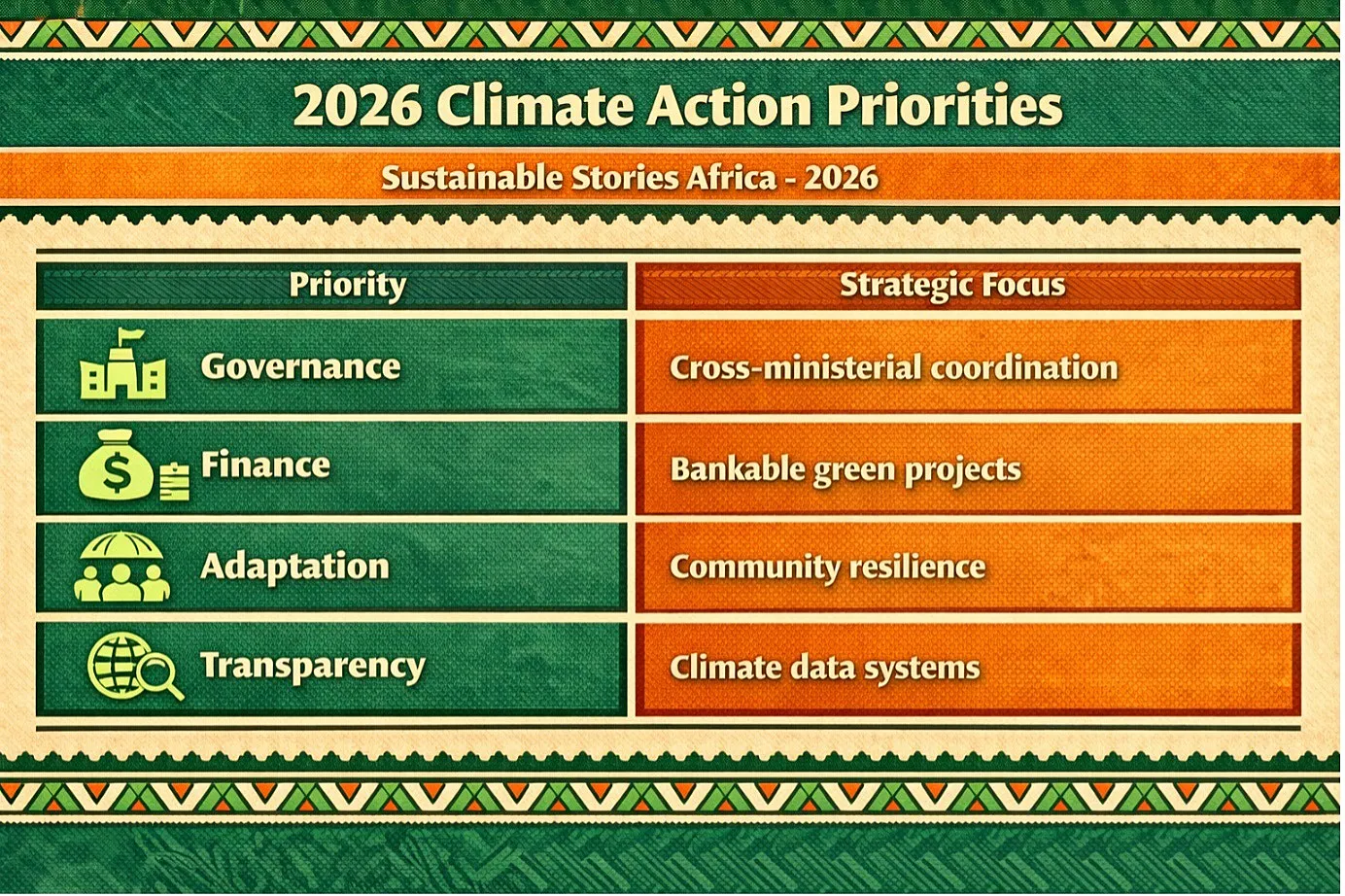
Without these shifts, climate ambition risks remaining aspirational rather than operational.
PATH FORWARD – Turning Momentum into Measurable Results
Africa's climate future hinges on execution. In 2026, governments must demonstrate that climate strategies are not just policy documents, but delivery frameworks driving energy reform, resilience and inclusive growth.
With stronger institutions, better financing models and integrated planning, Africa can turn climate ambition into a development advantage rather than a fiscal burden.
Why This Matters for Africa's 2026 Agenda
The continent's credibility in global climate negotiations now depends less on promises and more on proof. Implementation, not ambition, will define Africa's climate leadership.
Culled From: https://issafrica.org/iss-today/2026-africa-s-year-to-turn-climate-ambition-into-action