African leaders and development partners used COP30 to call for major new financing to accelerate the Great Green Wall Initiative, warning that underfunding risks undermining one of the continent's most ambitious climate resilience programmes.
Backed by the African Development Bank, the appeal seeks to close persistent funding gaps across the Sahel.
Without scaled finance, land restoration and livelihoods targets may slip further behind schedule.
COP30 Renews Call to Fund Africa's Green Wall
At the 30th United Nations Climate Conference (COP30), African leaders, the African Development Bank (AfDB), and development partners issued a renewed call for substantial new financing to accelerate the Great Green Wall Initiative, a flagship African-led response to desertification, climate change, and rural poverty.
Speaking on the sidelines of COP30, stakeholders warned that while political commitment remains strong, financing has lagged ambition, threatening progress across the 8,000-kilometre belt stretching from Senegal to Djibouti.
Why the Great Green Wall Matters
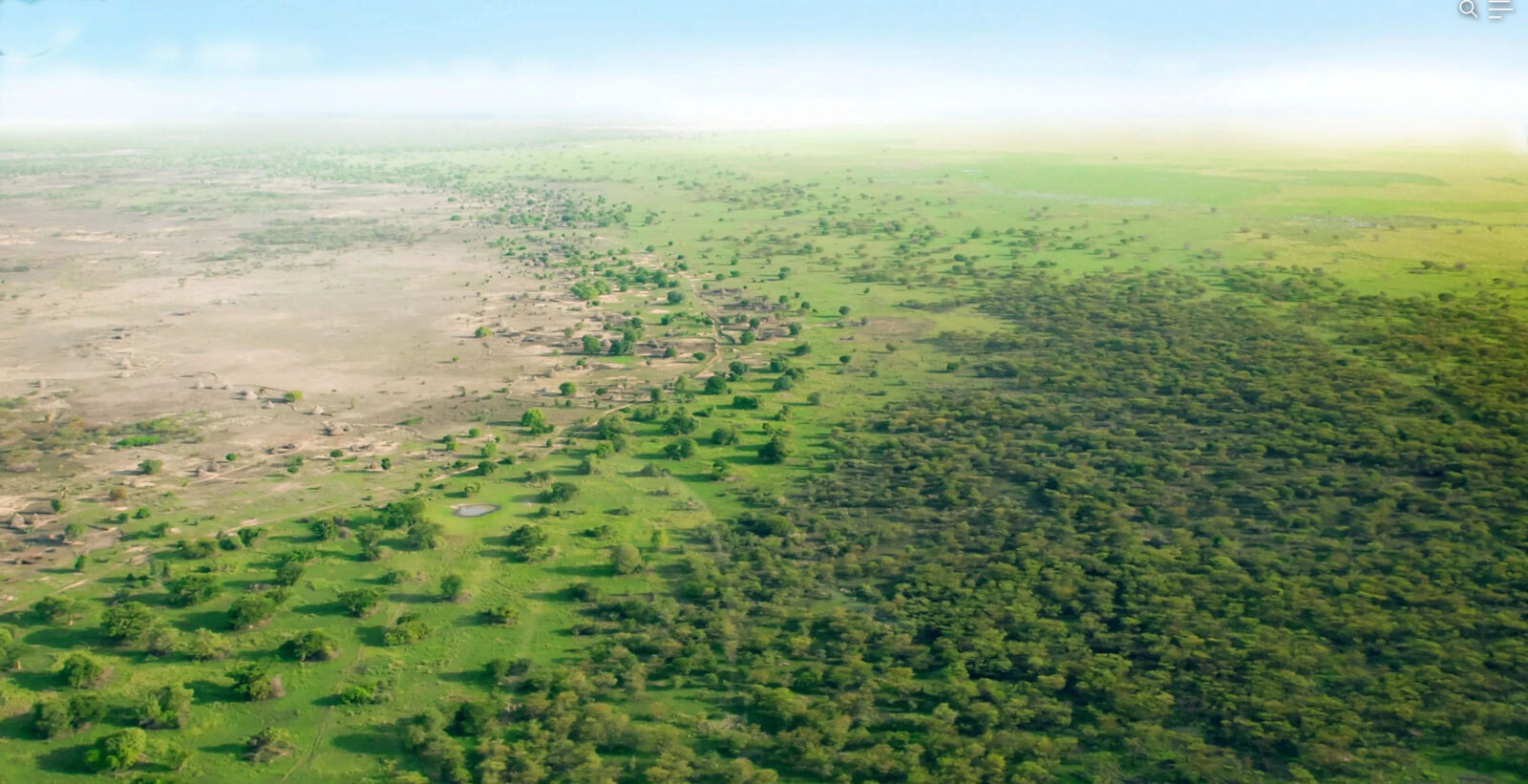
Launched to restore degraded land, sequester carbon, and support livelihoods in the Sahel and Horn of Africa, the Great Green Wall is widely regarded as one of the world's most ambitious nature-based solutions.
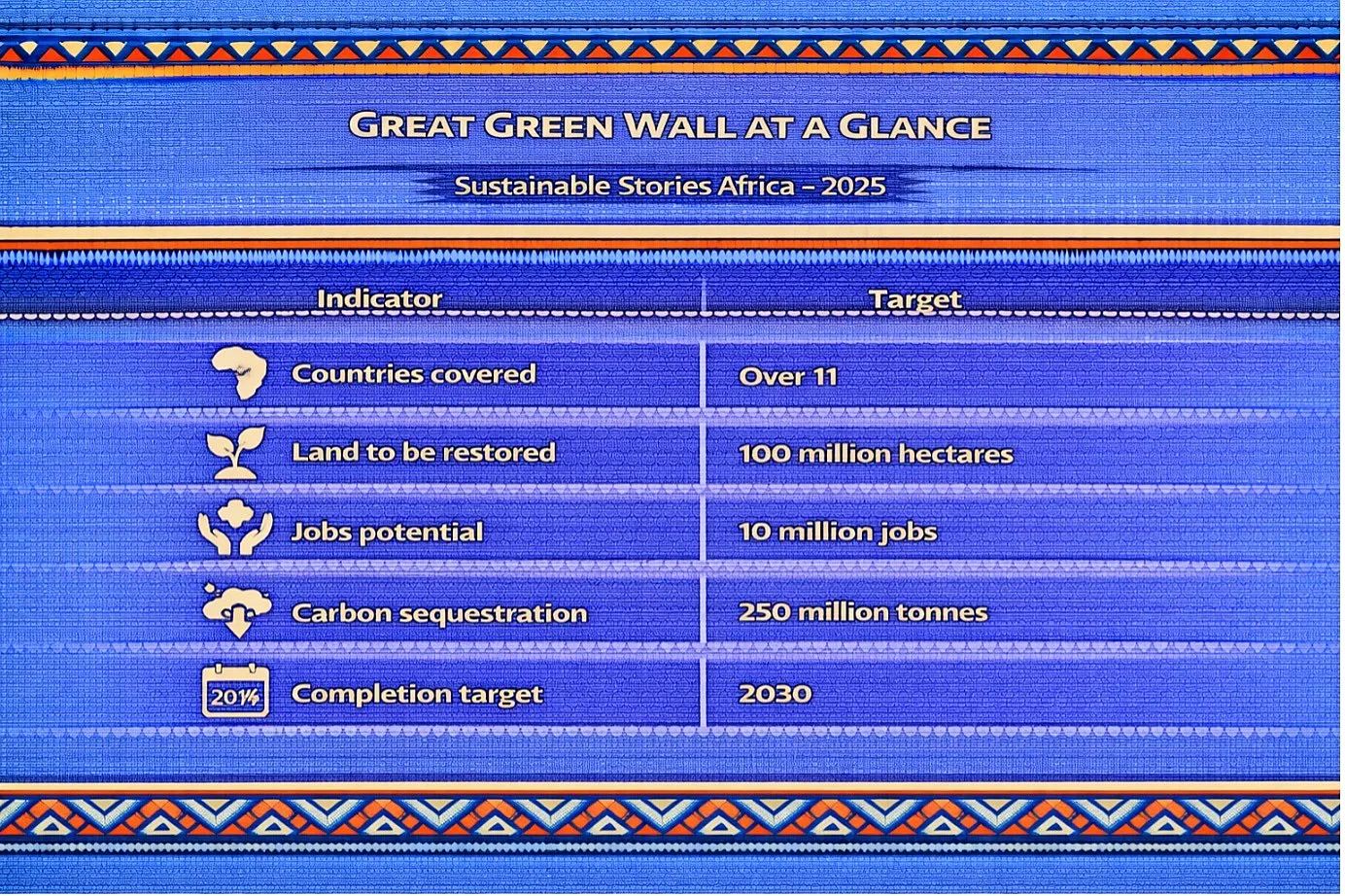
The initiative spans 11 core countries and targets 100 million hectares of restored land, 250 million tonnes of carbon sequestration, and 10 million green jobs by 2030.
Great Green Wall at a Glance
| Indicator | Target |
|---|---|
| Countries covered | Over 11 |
| Land to be restored | 100 million hectares |
| Jobs potential | 10 million jobs |
| Carbon sequestration | 250 million tonnes |
| Completion target | 2030 |
Despite its scale and global relevance, implementation has been uneven, largely due to fragmented funding, limited private-sector participation, and slow project preparation pipelines.
The Financing Gap Holding Progress Back
At COP30, AfDB officials and partners highlighted a significant financing gap that continues to delay land restoration, water access, and community livelihood programmes.
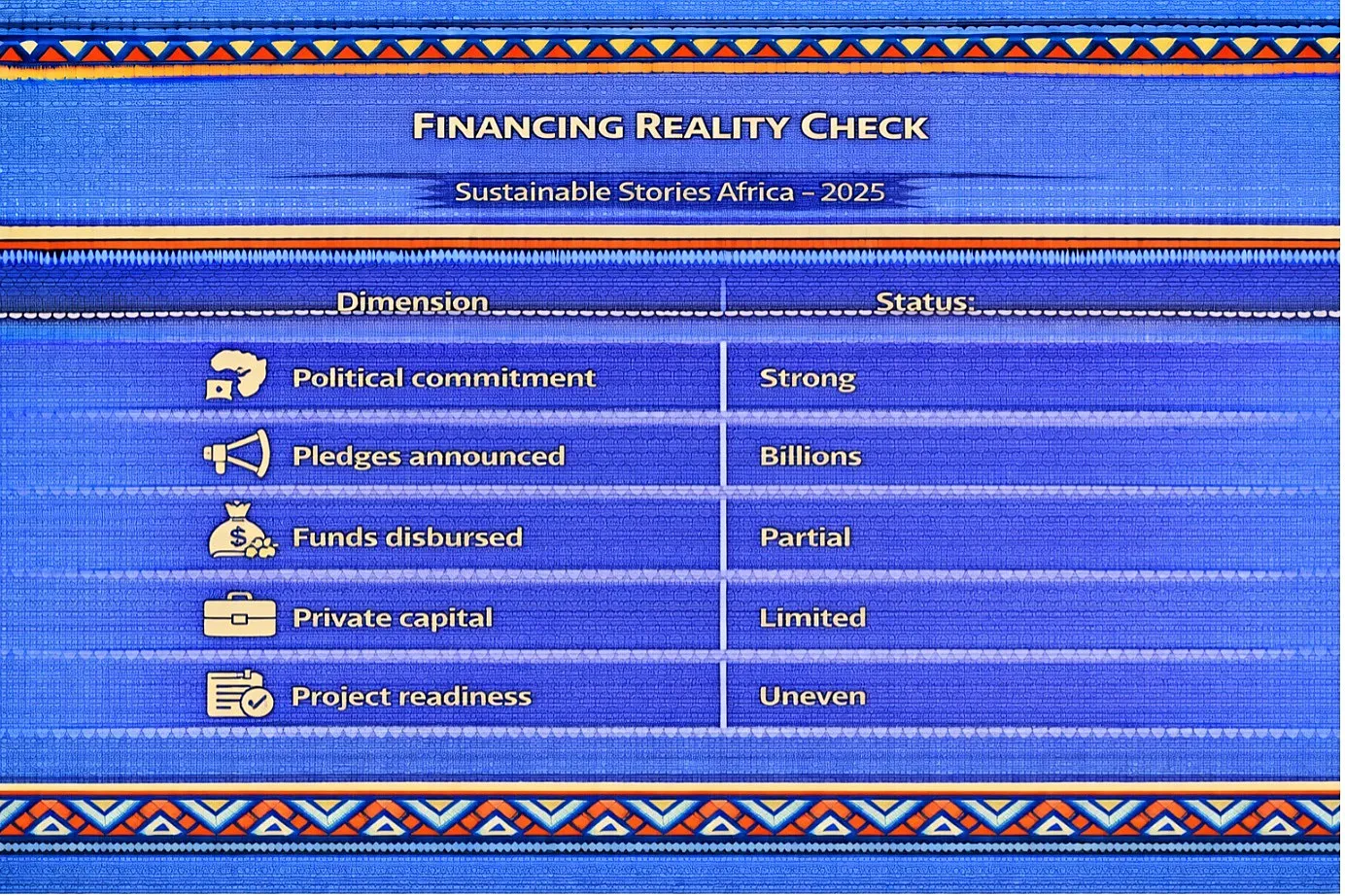
While billions have been pledged over the years, disbursement and project-level funding remain insufficient relative to targets.
Financing Reality Check
| Dimension | Status |
|---|---|
| Political commitment | Strong |
| Pledges announced | Billions |
| Funds disbursed | Partial |
| Private capital | Limited |
| Project readiness | Uneven |
Speakers emphasised that without predictable, long-term financing, the initiative risks falling short of its climate, biodiversity, and socio-economic goals, especially as climate impacts intensify across dryland regions.
Mobilising Capital Beyond Pledges
The COP30 dialogue focused on moving from pledges to deployable finance, with calls for blended finance, guarantees, and stronger public–private partnerships.
Development partners urged multilateral banks and donors to simplify access to funding and support project preparation at scale.
Priority actions identified include:
- Scaling concessional and grant finance for land restoration
- Crowding in private capital through risk-sharing instruments
- Strengthening local institutions and implementation capacity
- Aligning climate, biodiversity, and development finance
The AfDB reaffirmed its role as a lead financier and coordinator, positioning the Great Green Wall as a cornerstone of Africa's climate adaptation strategy.
Path Forward: Financing Africa's Living Climate Shield
The COP30 call underscored that the Great Green Wall is not only an environmental project but a development imperative. Closing its financing gap will require coordinated action from governments, development banks, and private investors to translate ambition into delivery.
If adequately funded, the initiative could anchor climate resilience, food security, and green jobs across Africa's most climate-vulnerable regions—turning a bold vision into a lasting continental legacy.
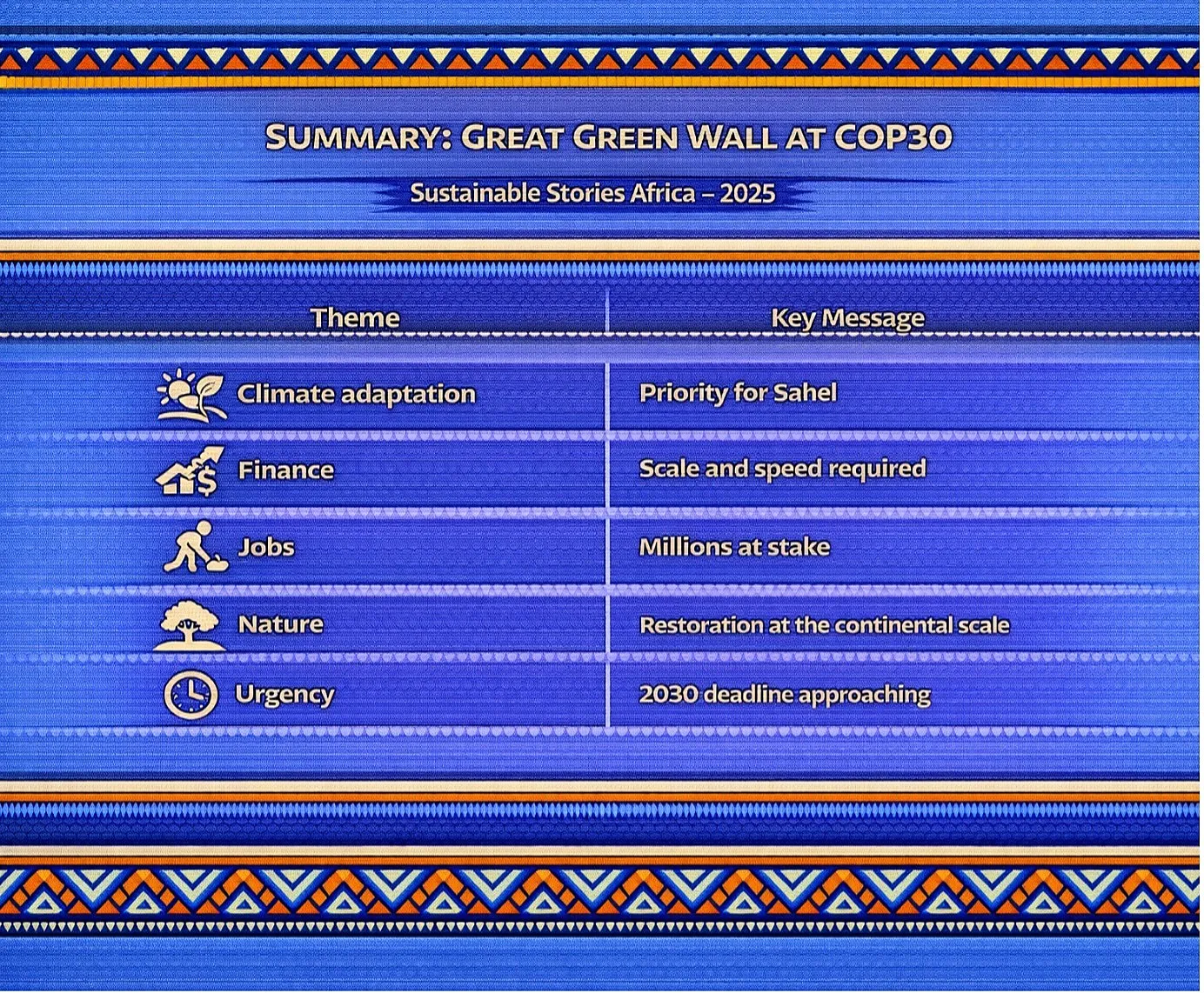
Summary: Great Green Wall at COP30
| Theme | Key Message |
|---|---|
| Climate adaptation | Priority for Sahel |
| Finance | Scale and speed required |
| Jobs | Millions at stake |
| Nature | Restoration at the continental scale |
| Urgency | 2030 deadline approaching |