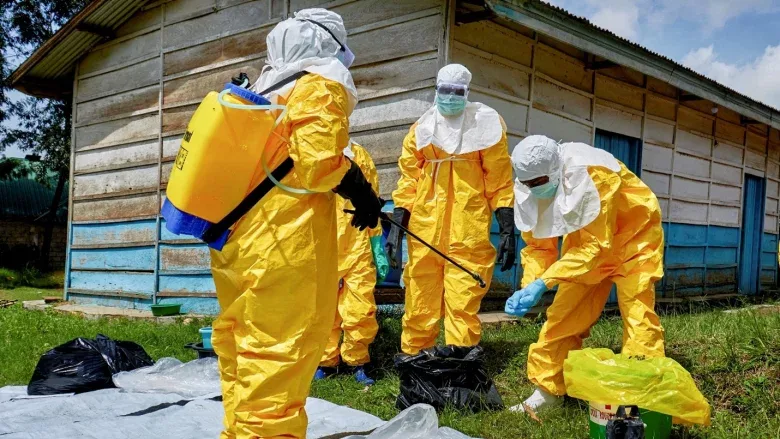
Uganda has discharged its last Ebola patient while African health teams intensify cross-border support for the Democratic Republic of Congo’s worsening outbreak.
The contrast demonstrates how preparedness and African-led coordination can contain deadly pathogens; however, it also shows how conflict, weak financing and fragile institutions can undermine progress.
The emerging lesson for global health is clear: invest in local systems before emergencies, not only after diseases cross borders.
Uganda’s Last Patient Changes The Story
Uganda’s discharge of its last confirmed Ebola patient has begun a 42-day countdown towards declaring the country virus-free, offering a powerful example of how African preparedness can shape the future of global health security.
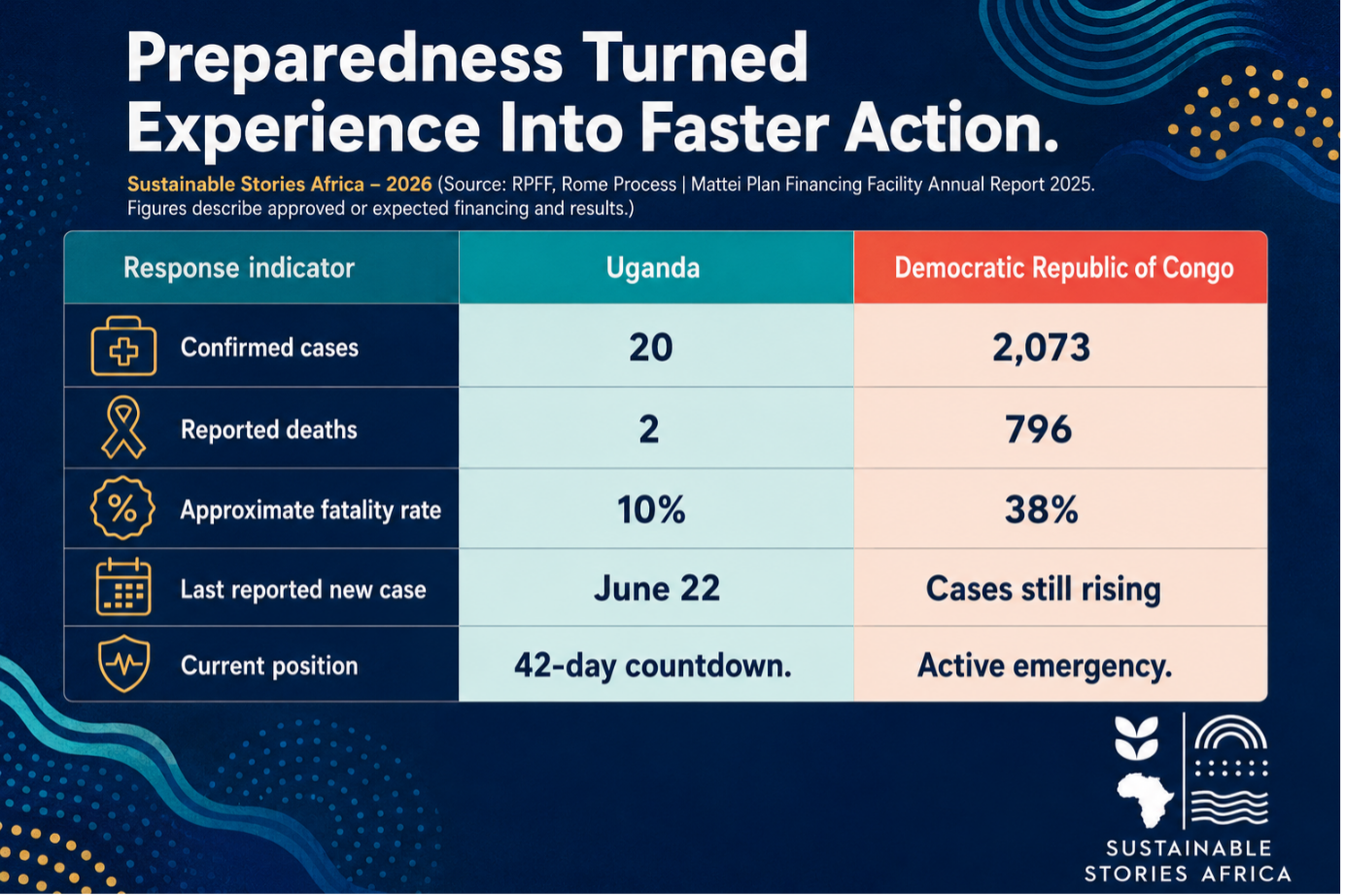
The milestone came as the Democratic Republic of Congo recorded 2,073 confirmed cases and 796 deaths from the same Bundibugyo strain, according to figures reported on July 16.
Congo registered 62 new cases that day, while Uganda had not recorded a new infection since June 22.
Uganda reported 20 infections and two deaths. Fifteen of those infected were believed to have contracted the virus in Congo before entering Uganda.
The country’s fatality rate remained below 10%, compared with approximately 38% in Congo.
The difference is not simply geographical luck. Uganda’s early investments in isolation facilities, trained responders, laboratory capacity and medical supplies allowed authorities to find, treat and monitor patients quickly.
Its last patient, a Congolese national, recovered at Mulago National Referral Hospital in Kampala.
Preparedness Turned Experience Into Faster Action
Uganda’s response drew on hard lessons from previous outbreaks. Instead of constructing an emergency system from scratch, authorities activated existing surveillance networks, trained personnel and treatment infrastructure.
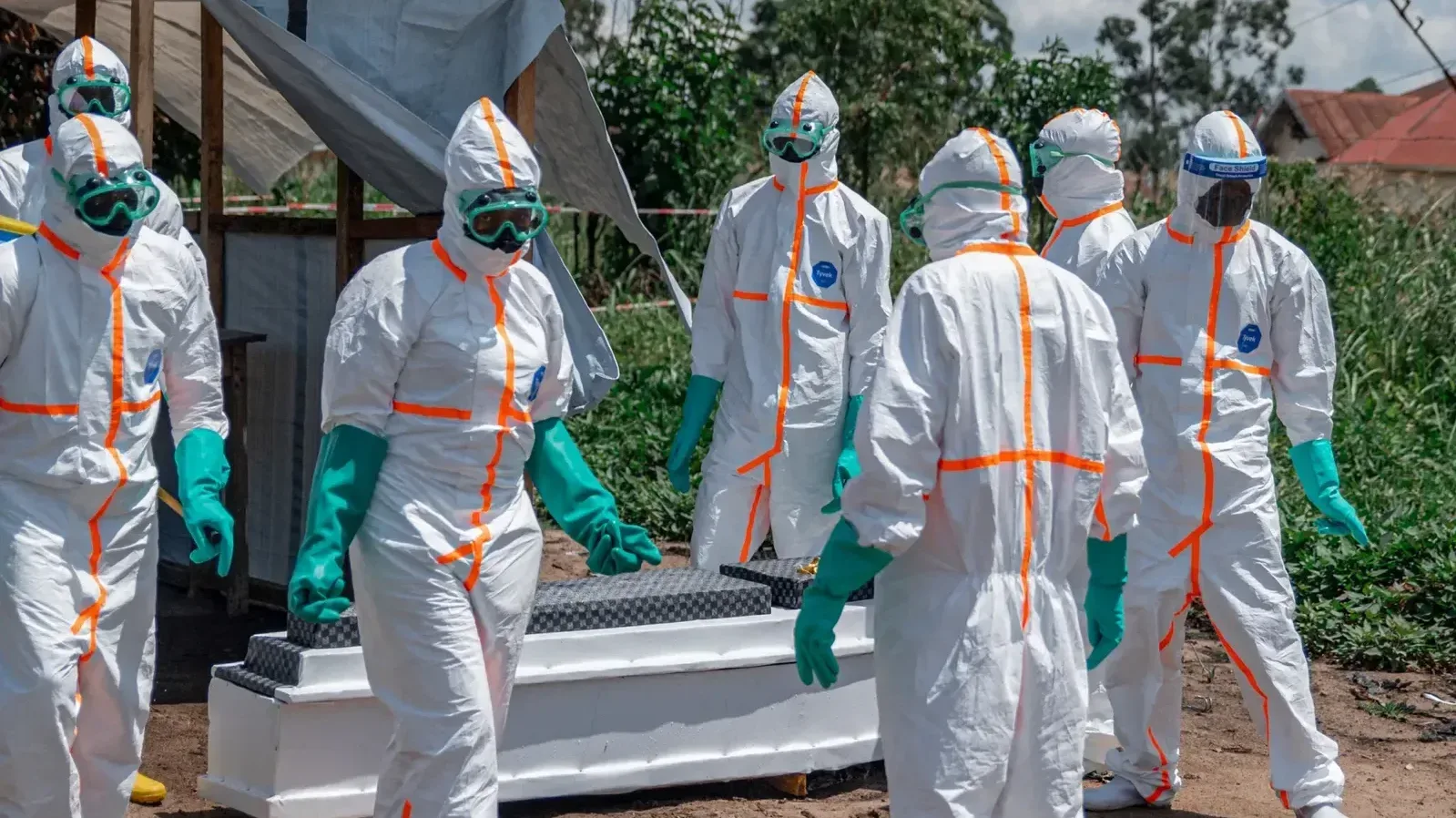
The comparison requires context. Congo’s epidemic is concentrated in conflict-affected eastern provinces where armed violence, displacement, inaccessible communities and mistrust complicate every stage of containment.
More than 80% of recent cases have emerged from unknown transmission chains, while many people are believed to have died at home without entering the formal health system.
Unpaid health workers have also gone on strike at treatment facilities. Epidemiologists, drivers, cleaners and burial teams say they have worked in hazardous conditions without receiving promised salaries and risk allowances.
However, the continental response is producing important innovations. Uganda has deployed health teams and laboratory support to Congo, recognising that national protection depends on stopping transmission across the region.
Africa CDC is coordinating with Congolese authorities, neighbouring countries and international agencies rather than waiting for external institutions to define the response.
This is the shift that matters: African countries are becoming producers of health security, not merely recipients of emergency assistance.
African Leadership Can Strengthen Global Security
The outbreak has accelerated research into a virus strain for which no approved vaccine or treatment currently exists.
The University of Oxford has launched the first Phase I human trial of a Bundibugyo Ebola vaccine.
- The trial will assess safety and immune response in 50 healthy adults aged between 18 and 55.
- The Serum Institute of India manufactured approximately 620,000 doses of the candidate vaccine within two weeks and supplied 4,000 investigational doses for research.
Experimental treatment trials involving remdesivir and the antibody therapy MBP134 have also begun in Congo.
These programmes connect African patients, clinicians, laboratories and regulators with global research networks.
If designed equitably, that collaboration can create lasting value: stronger African research institutions, faster regulatory pathways, locally managed data and manufacturing capacity closer to communities at risk.
The alternative is familiar. The world mobilises after an outbreak becomes internationally threatening, deploys temporary infrastructure and withdraws when headlines fade.
That model leaves countries rebuilding the same capabilities during every emergency.
Funding Must Match African Responsibility
Africa CDC estimates that containing the outbreak and addressing related humanitarian pressures will require $1.4 billion, up from an earlier estimate of $518 million.
Although partners had pledged about $910 million by late June, only 13% had reportedly been disbursed.
Meanwhile, the World Health Organisation had received only about 40% of the $115 million it required for its response.
Pledges cannot trace contacts, pay health workers or transport laboratory samples. Disbursement speed is itself a public-health intervention.
African governments must also increase domestic investment. Emergency payroll systems, community health networks, genomic surveillance, regional laboratories and protected contingency funds should be treated as essential infrastructure.
Global partners should support Africa CDC and national public health institutes as decision-making institutions, rather than merely implementing channels. Research agreements must also guarantee African scientists’ leadership, equitable access to resulting products and transparent ownership of outbreak data.
Path Forward – Building Health Security From African Institutions
The immediate priority is to stop transmission in Congo through reliable worker payments, surveillance, community engagement, access to treatment, and cross-border coordination.
Uganda must maintain vigilance throughout its 42-day countdown while restrictions are reviewed using evidence rather than fear.
Longer-term, governments and partners must fund African institutions between outbreaks, expand local manufacturing and embed accountability in emergency finance.
That approach advances social protection, institutional governance and regional resilience, while giving the world a stronger, fairer defence against future health emergencies.
Culled From: Africa’s response to this Ebola outbreak shows how to shape global health