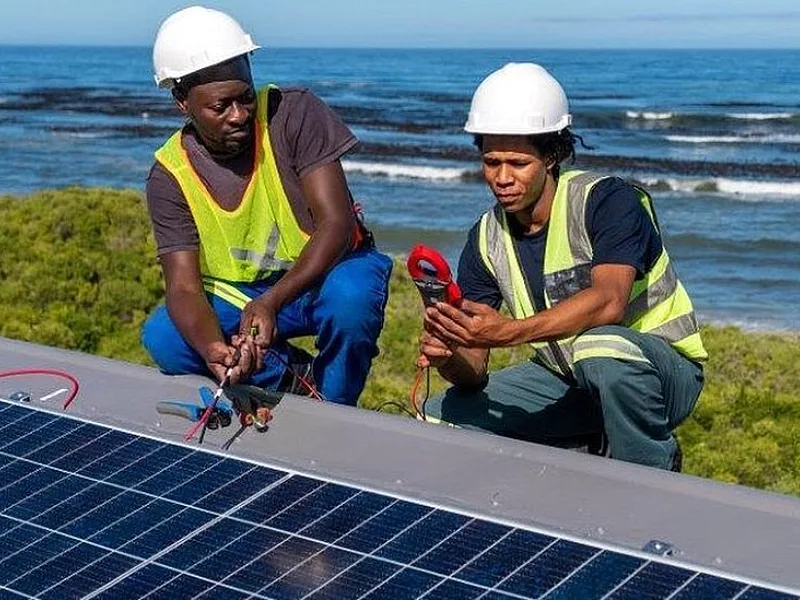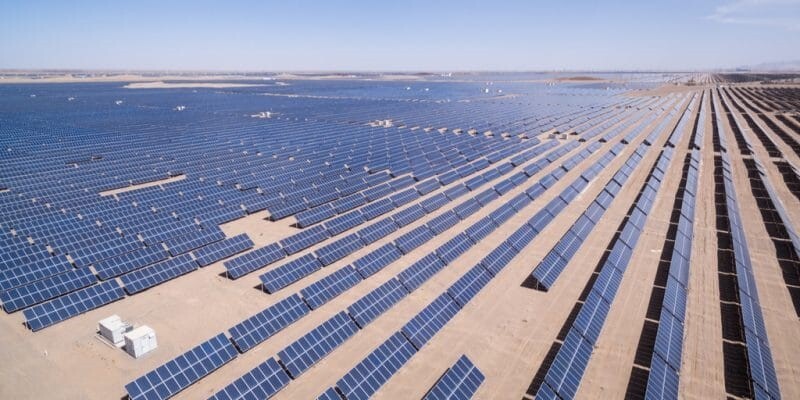
Tunisia has switched on a major solar power project in Kairouan.
The 120MW plant is reshaping the country's electricity mix and reducing its dependence on energy imports.
For North Africa's energy transition, the project marks a decisive step toward cleaner, more secure power systems.
A Landmark Solar Commissioning
Tunisia has commissioned a 120-megawatt solar power plant in Kairouan, marking one of the country's most significant renewable-energy milestones to date.
The project strengthens national energy security, reduces reliance on imported fossil fuels, and reinforces Tunisia's commitment to a cleaner, more resilient power system.
For a country navigating rising energy costs and climate pressures, Kairouan's solar facility represents both an economic and strategic breakthrough.
Why Kairouan Matters for Tunisia
Tunisia has long relied on energy imports to meet its domestic energy needs, leaving the economy exposed to global price volatility and supply disruptions. Electricity generation has historically relied on gas, with renewables playing a limited role.
The Kairouan solar plant changes that equation. With 120MW of installed capacity, the facility injects large-scale clean power into the national grid, supporting daytime demand and easing pressure on conventional generation.
Energy officials say the plant will supply electricity to thousands of households, reduce carbon emissions, and improve grid stability in central Tunisia.
The project also aligns with the country's renewable-energy targets, which aim to y increase solar and wind capacity over the coming decade.
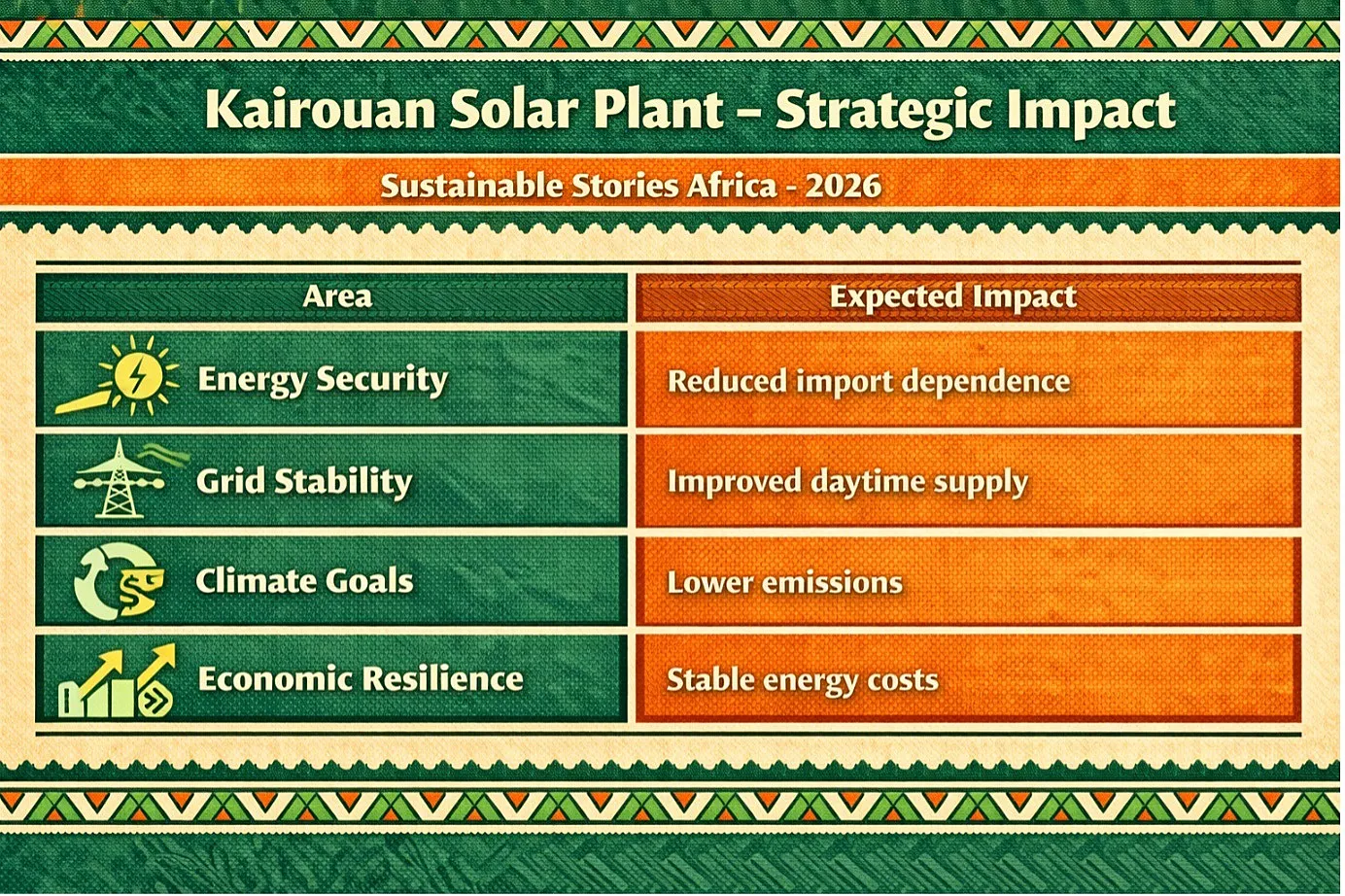
Kairouan Solar Plant – Strategic Impact
| Area | Expected Impact |
|---|---|
| Energy Security | Reduced import dependence |
| Grid Stability | Improved daytime supply |
| Climate Goals | Lower emissions |
| Economic Resilience | Stable energy costs |
For industries, public services, and households, the project offers greater reliability in a market where power shortages can disrupt productivity.
What Solar Power Unlocks
Beyond electricity generation, Kairouan's solar plant delivers wider economic and social benefits.
By reducing fuel imports, Tunisia can conserve foreign exchange and redirect resources toward infrastructure, healthcare, and education.
A stable power supply also supports business confidence, encouraging investment in manufacturing, agribusiness, and digital services.
Renewable energy expansion creates jobs across construction, operations, and maintenance, strengthening local value chains.
It also positions Tunisia as a regional leader in the deployment of clean energy, enhancing its credibility with international investors and climate finance institutions.
Crucially, solar power reduces exposure to fossil-fuel price shocks, offering long-term cost stability for both the government and consumers.
Scaling Tunisia's Renewable Ambitions
Tunisia's energy strategy now focuses on three priorities:
- Expanding solar and wind capacity to diversify the energy mix.
- Upgrading grid infrastructure to integrate renewables efficiently.
- Attracting private investment through clear regulatory frameworks.
The Kairouan project demonstrates how public-private collaboration and international financing can deliver large-scale renewable infrastructure.
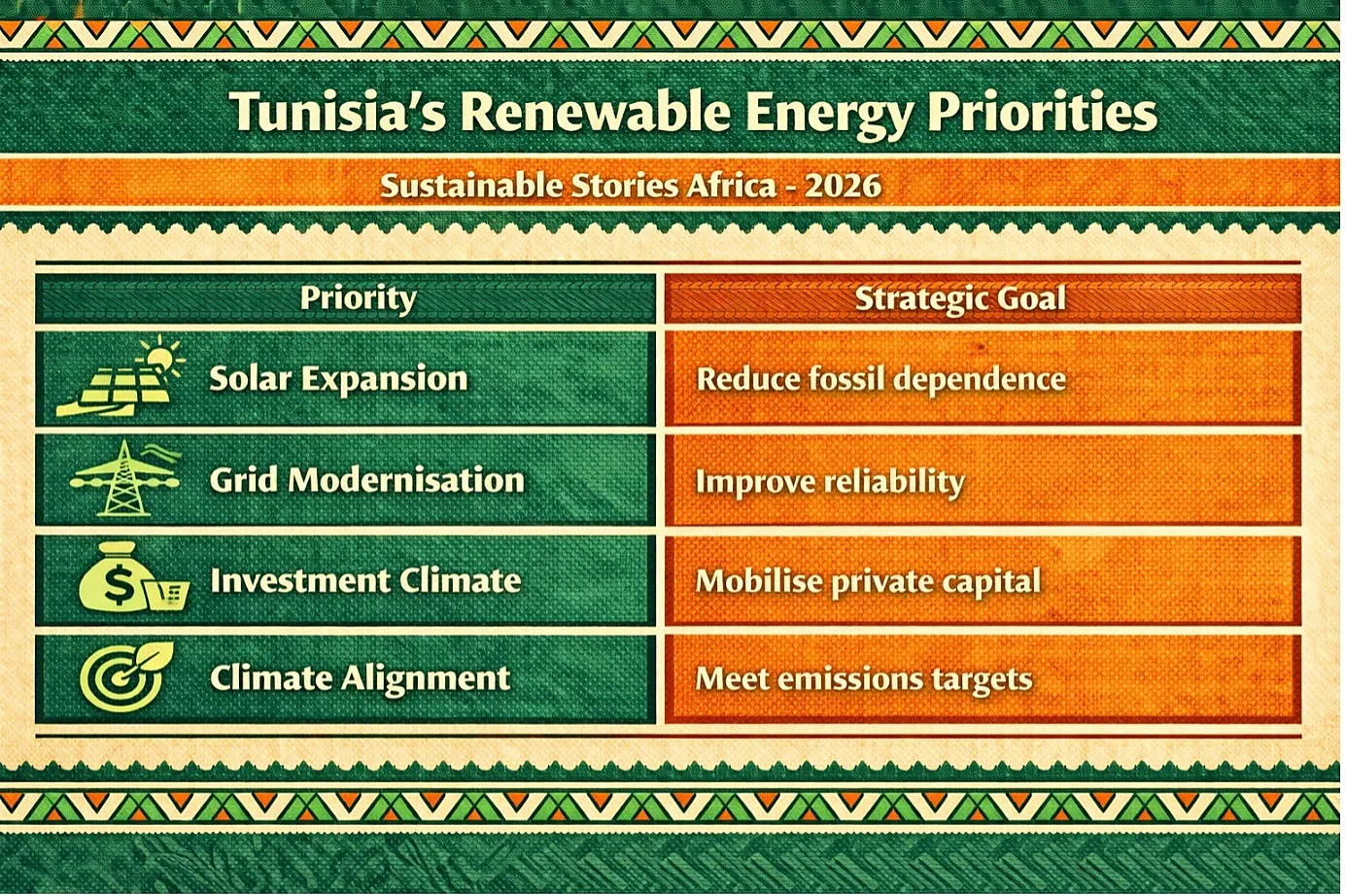
Tunisia's Renewable Energy Priorities
| Priority | Strategic Goal |
|---|---|
| Solar Expansion | Reduce fossil dependence |
| Grid Modernisation | Improve reliability |
| Investment Climate | Mobilise private capital |
| Climate Alignment | Meet emissions targets |
Energy planners say replicating Kairouan's success across other regions will be key to meeting their energy targets.
PATH FORWARD – Building a Solar-Powered Future
The Kairouan solar plant increases Tunisia's energy security while accelerating its transition to clean power.
By scaling renewable projects, modernising the grid, and sustaining investor confidence, Tunisia can secure affordable, low-carbon electricity to support growth, resilience, and climate commitments.
Why Kairouan Signals a Strategic Shift
Kairouan's commissioning is more than an infrastructure milestone; it reflects Tunisia's broader shift toward energy independence and climate-aligned development.
With rising global energy uncertainty, solar power offers a stable, domestic solution that protects the economy, strengthens resilience, and supports sustainable growth.
For Tunisia, the message is clear: renewable energy is no longer a future ambition; it is now a central pillar of national strategy.