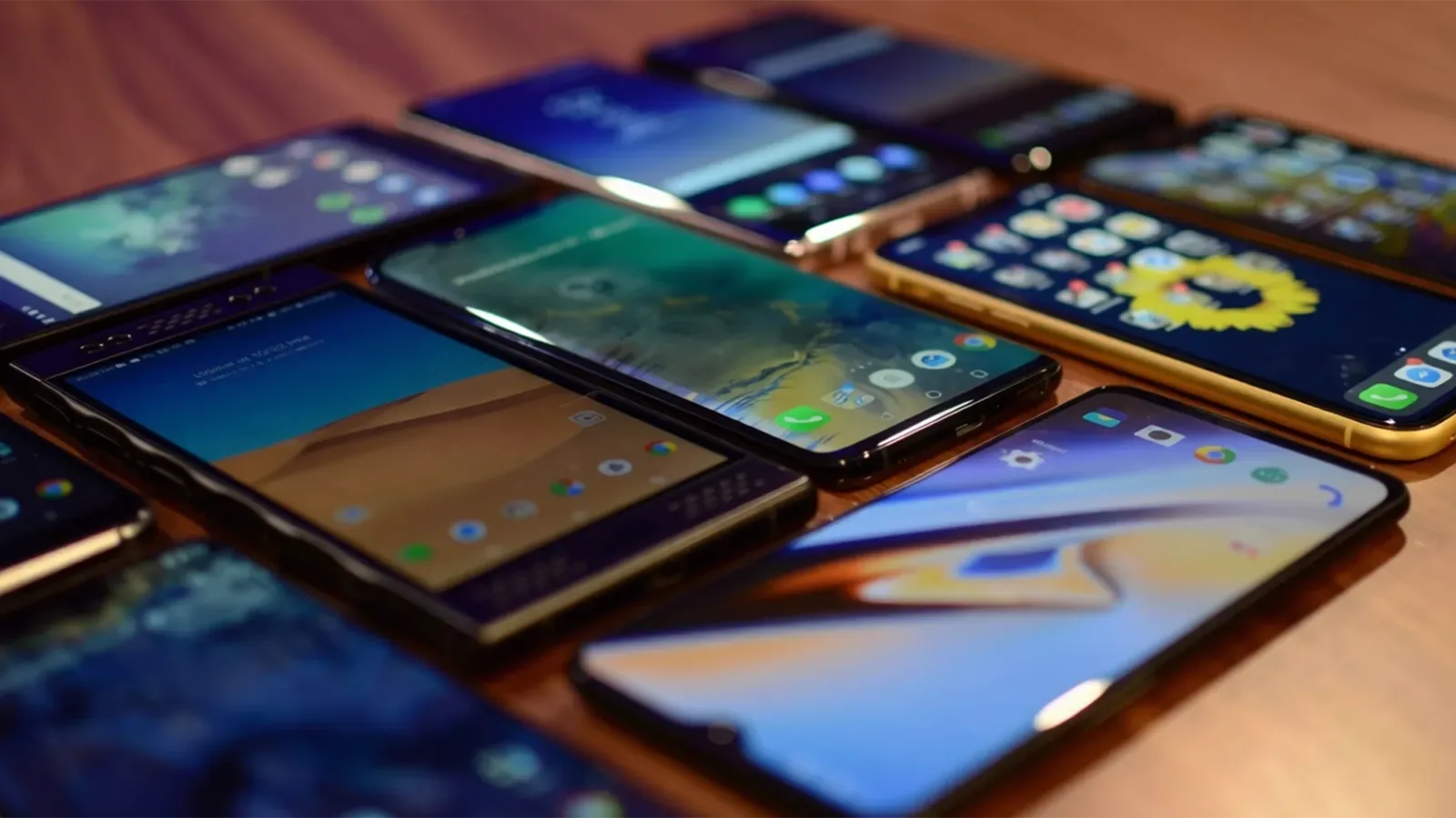
Nigeria’s communications regulator is directing buyers to verify mobile devices using *315# and its official online checker.
The service reports type approval and device verification status, rather than guaranteeing every component or the phone condition.
Its consumer value depends on clear results, responsible sellers and accessible help when a check fails.
Device checks bring compliance into purchasing decisions
Nigerian consumers can check their mobile devices' regulatory status by typing *315# or using the Nigerian Communications Commission’s official Device Checker.
NCC guidance says buyers should confirm type approval and verification before paying, including when purchasing second-hand phones.
The distinction matters:
- A successful check is not a complete examination of a device’s repair history, condition or every component.
- The regulator’s guidance also says an unsuccessful verification does not make a phone counterfeit.
For consumers, the practical development is access to a check at the point of purchase.
SSA’s analysis is that this can be useful only if buyers understand the result and sellers remain responsible for resolving problems.
Consumers need clear steps and reliable assistance
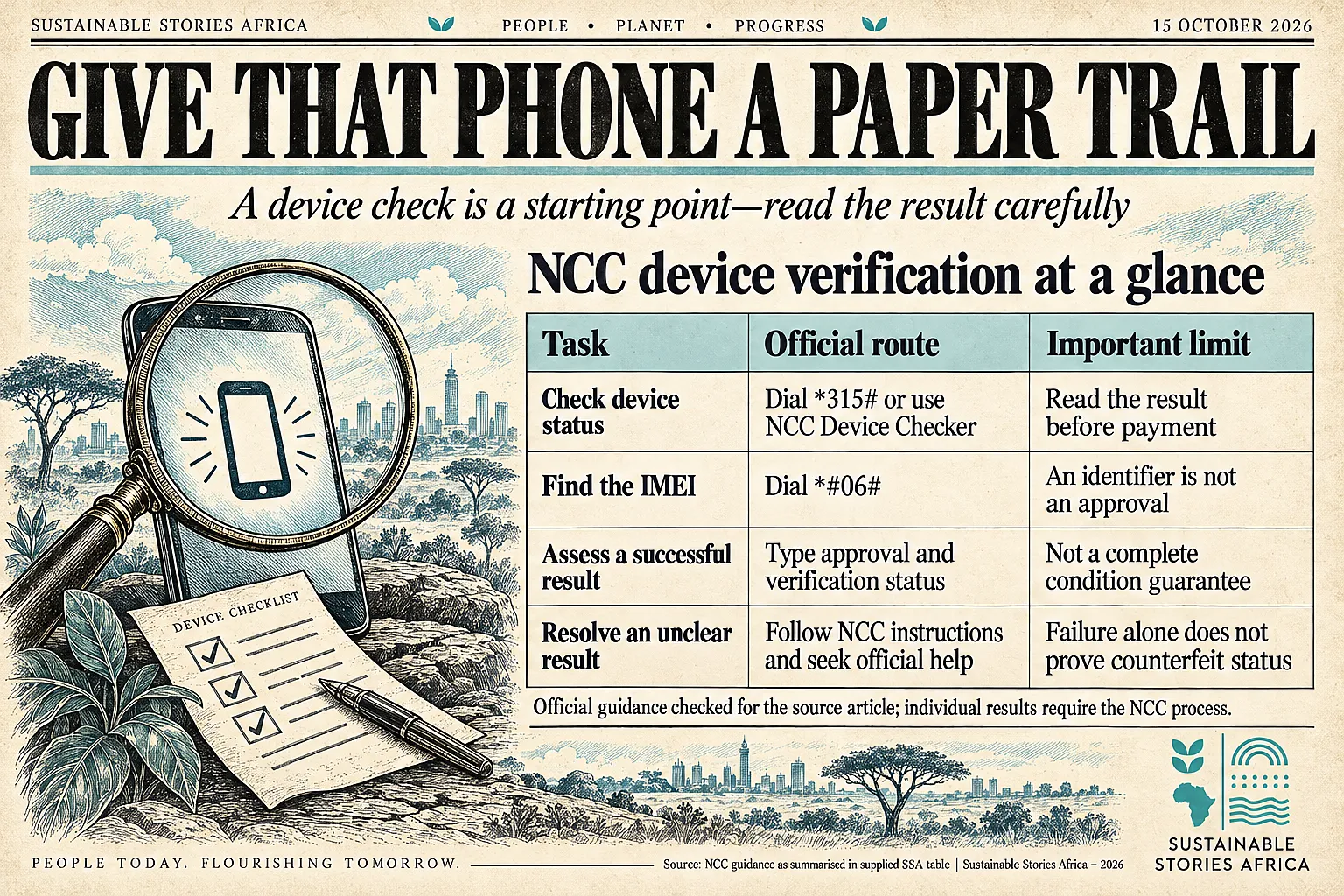
NCC guidance directs users to follow the official prompts and, where required, supply a device’s 15-digit IMEI.
- The identifier can be displayed by dialling *#06#.
- Consumers seeking assistance can use the regulator’s published support channels.
SSA assesses that public communication should explain the difference between the service code and the identifier retrieval code.
- Confusing those functions could prevent a buyer from completing a check or understanding what has been verified.
The table provides a concise summary of the official process.
- It does not add an enforcement deadline or predict that a particular handset will be disconnected.
Buyers should rely on results and instructions shown through official channels when assessing their own device.
Affordable access requires a trustworthy device market
For a trader purchasing a phone for business, the device may be essential to customer communication and payments.
- A low initial price offers little reassurance if a purchase later becomes unusable or the seller cannot be reached.
- This is an illustrative scenario, not a complaint investigated for this article.
SSA’s analysis is that compliance checks should complement other basic purchasing protections:
- A receipt, clear seller information and an explanation of the device’s condition.
- These records can help clarify what was promised if a dispute arises.
Second-hand devices also deserve careful treatment.
- Responsible reuse can extend a product’s useful life, but buyers need accurate information, not an assumption that previous use proves compliance or quality.
- A verification system should support informed reuse and retain a way to challenge mistakes.
- Judge effectiveness through consumer outcomes, not simply the number of checks completed.
Seller accountability must accompany consumer awareness efforts
Retailers and suppliers should make verification part of the sales process and explain unsuccessful results before asking customers to pay.
- A check should not become a reason to shift every problem onto the buyer.
- Public messages need to identify the responsibilities of businesses placing devices on the market.
SSA recommends that consumer education use straightforward examples showing the steps a buyer can take and the limits of the result.
- Regulators should also make it easy to find an official source of assistance, especially when a person has already paid for a device.
Privacy communication should be equally precise.
- Users need to understand what information is required and how to distinguish an official verification process from a request made by an unknown caller or website.
- Clear instructions reduce the opportunity for confusion to be exploited.
For the wider market, the sustainability opportunity lies in greater confidence in products that can be used reliably and kept in service.
- That outcome requires fair enforcement, credible sellers and accessible complaint handling.
Launching a checker is one step;
- Evidence of fewer unresolved purchasing problems would inform a stronger measure of public benefit.
Path Forward – Make device verification understandable before purchase
Consumers should use official NCC channels before paying and ask sellers to resolve unclear results.
A successful check should be understood within its stated limits.
Regulators and retailers should prioritise understandable guidance and effective assistance so that device compliance strengthens trust, access and responsible reuse.
Culled from: NCC Moves Against Fake Phones With *315# Device Checker