Women in Malawi’s Zomba District are moving from climate vulnerability to leadership through solar-powered water, storage, savings groups and decision-making forums.
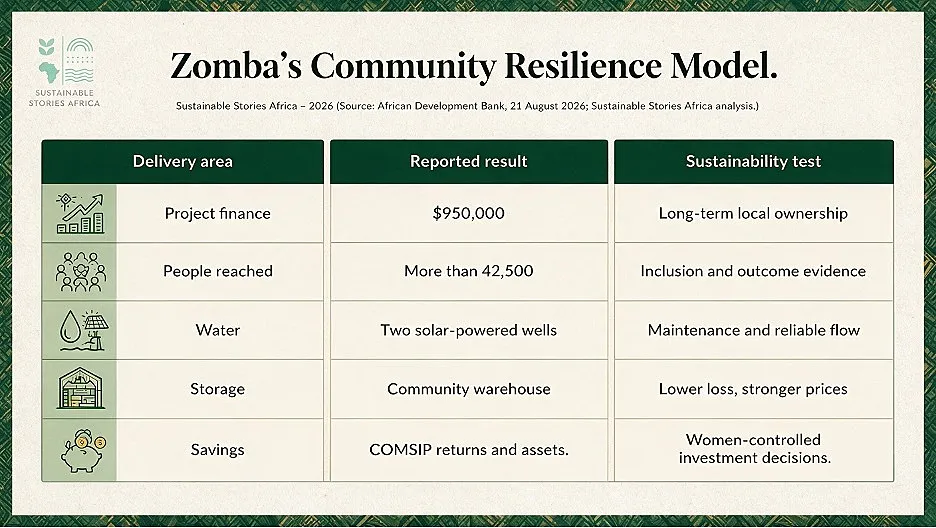
A $950,000 regional project has reached more than 42,500 people in Malawi since 2023.
The model shows that infrastructure lasts longer when communities, especially women carrying the heaviest climate burdens, help design and govern it.
Women Move From Burden Leadership
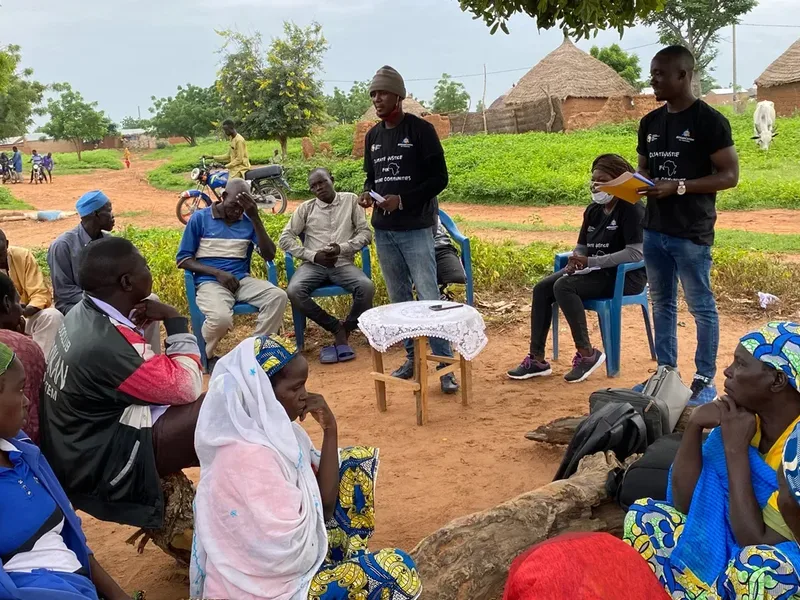
Women in southern Malawi’s Zomba District are taking a larger role in climate decisions after a three-year programme combined solar-powered water systems, crop storage, savings groups and women-led governance in communities exposed to droughts, flash floods and unpredictable rainfall.
The $950,000 Gender-Transformative Climate Resilience Project is funded by the Africa Climate Change Fund, hosted by the African Development Bank, and implemented by Oxfam.
Since 2023, it has benefited more than 42,500 people in Malawi as part of a wider initiative that includes Mozambique.
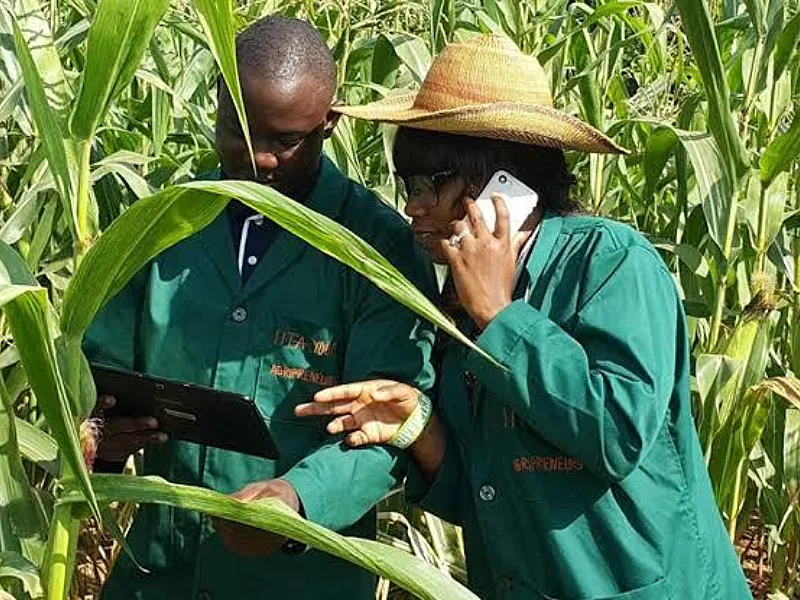
For farmer Everlista Fabiano, reliable irrigation replaced exhausting manual work constrained by water scarcity.
“The irrigation system changed everything. We’re now self-sufficient,” she said.
Solar Water Stabilises Food Production
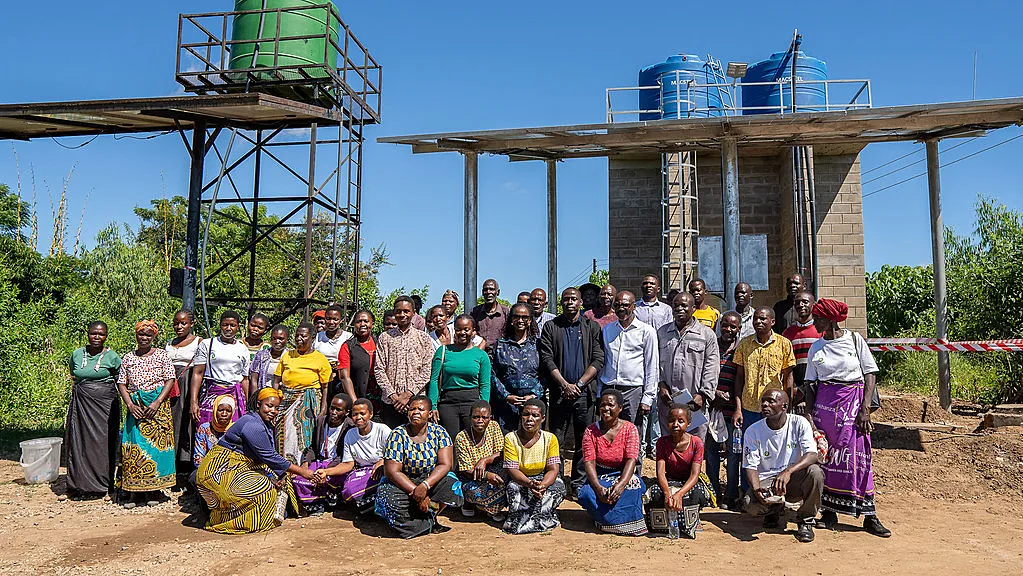
Technical studies identified groundwater that could produce 3.5 litres per second.
Two wells were drilled and linked to reservoirs powered by solar energy rather than diesel, giving farmers water across seasons while reducing fuel dependence.
A community warehouse allows farmers to store harvests and sell collectively.
- This reduces post-harvest damage and weakens the pressure to accept low prices immediately after harvest, when many producers enter the market at once.
The intervention also created Village Savings and Loan-style groups known as COMSIPs.
- Gertrude Saidi’s group earned about 4.3 million Malawian kwacha in 2025.
- Her share, about 420,000 kwacha, helped her family buy land and livestock.
Voice Makes Infrastructure More Durable
The project’s most consequential change may be institutional.
- Women once excluded from meetings now sit on the Women’s Forum on Climate Change and Rural Women’s Assemblies, helping decide how communities will prepare for droughts and floods. Men are engaged as allies so change is supported across households.
This governance layer can protect physical investments after project teams leave.
- Community decisions determine whether pumps are maintained, storage rules remain fair, and savings serve members’ priorities.
The model also aligns adaptation with economic agency.
- Reliable water improves production; storage improves bargaining power; savings help convert income into land, livestock and household security.
Climate resilience becomes a pathway to autonomy rather than only protection from loss.
Climate Finance Should Follow Agency
Malawi and its partners should expand gender-responsive climate programmes that link infrastructure, finance and decision-making.
- New projects should budget for maintenance, local technicians and transparent management of water and storage assets.
Outcome reporting should track women’s control over income, time saved, yields, post-harvest loss and representation, rather than only beneficiary totals.
Climate funds should channel resources through accountable local institutions and replicate the model without stripping away community ownership.
Path Forward – Put Women Inside Community Climate Decisions
Zomba shows that adaptation becomes stronger when women shape the systems they use. Solar water and storage matter, but leadership and financial agency keep those assets productive.
Malawi should scale this integrated approach through district plans and national climate finance, with evidence on equity, maintenance and livelihood gains guiding future investment.
Culled from: In Malawi’s Zomba, Women Are on the Front Lines of the Fight Against Climate Change