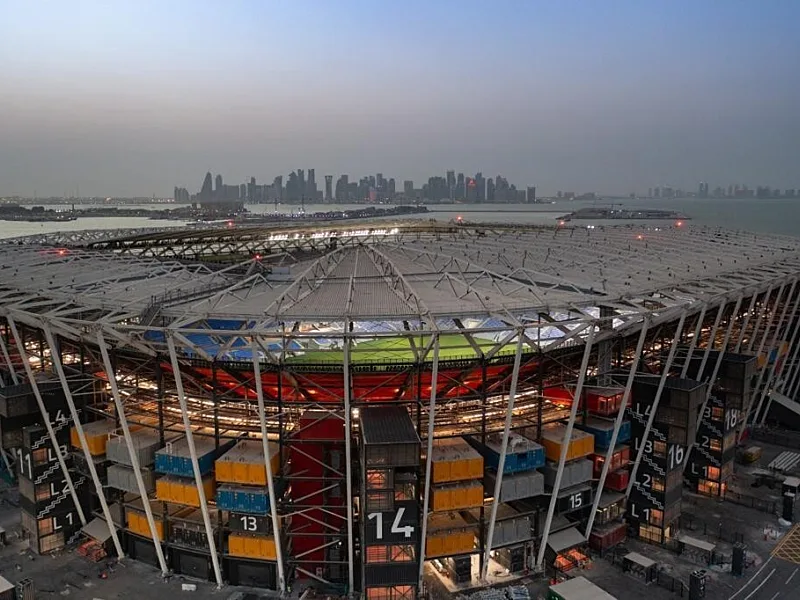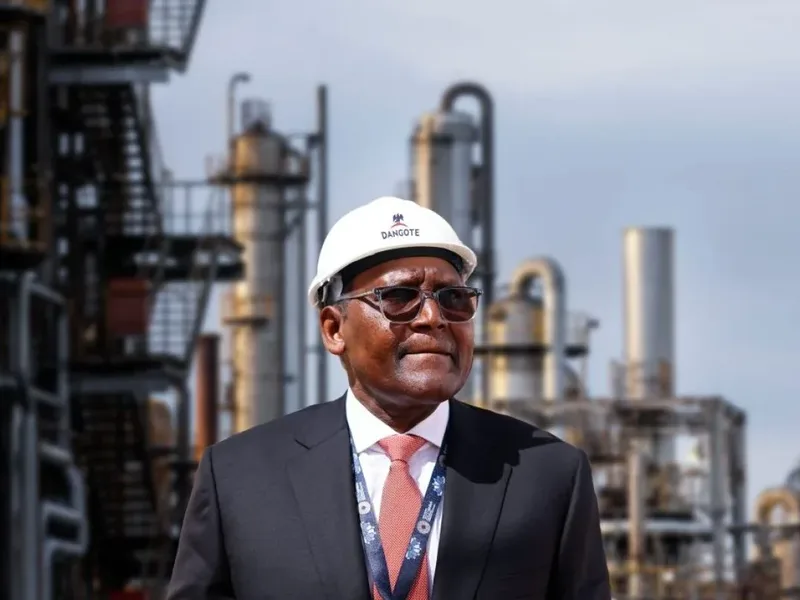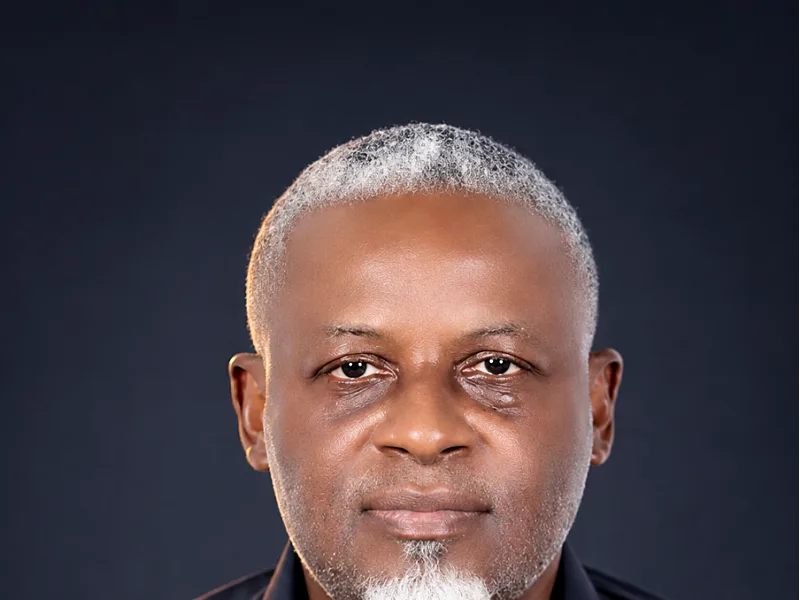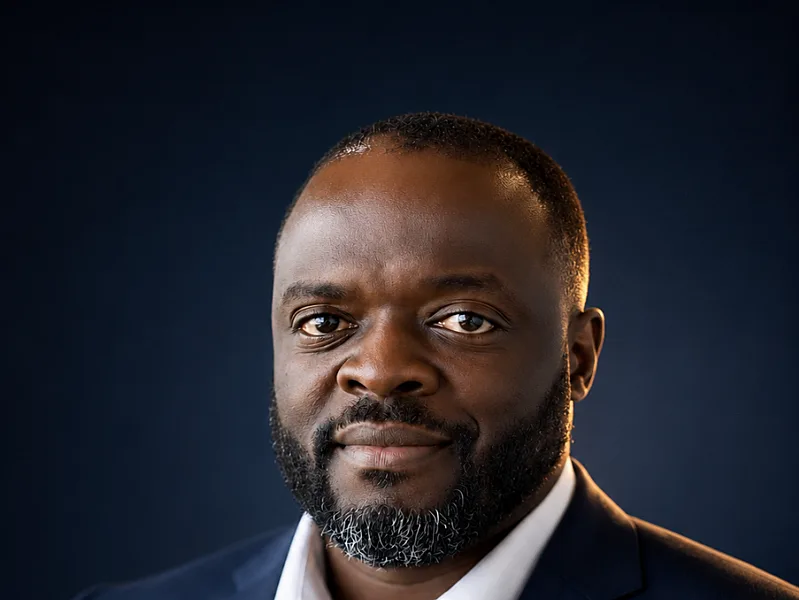
A motorcycle built for African roads.
A robot translating lessons into sign language.
A platform helping farmers reach finance and buyers.
Africa’s sustainable future is taking shape through businesses responding to practical needs.
The 2026 Africa Sustainable Futures Awards recognised five winners across six honours, celebrating solutions that connect commercial ambition with cleaner energy, financial protection, stronger livelihoods and more inclusive education.
African Innovation Moves From Promise Into Practice
When Lersha’s Abrhame Endrias Butta accepted the Agribusiness award, he recalled his mother’s question: “If not you, then who?”
It was a personal reflection with a wider resonance: the evening celebrated businesses taking responsibility for problems their communities know well.
Presented by the Financial Times and the World Bank Group’s Multilateral Investment Guarantee Agency, MIGA, the third Africa Sustainable Futures Awards attracted nearly 600 entries.
The Winners were announced at the awards dinner in London on 22 October 2026, following the FT Africa Summit.
Five distinct winners received six honours:
- CrossBoundary Energy
- Heirs Insurance Group
- Lersha
- Roam Air
- Zerobionic.
Lersha won both Agribusiness and the Judges’ Award for Excellence.
Their stories connect technology with the less visible work of financing, distribution, local manufacturing and trust, the foundations that make an innovation an everyday service.
CrossBoundary Energy Is Rewriting The Power Story Behind Africa’s Copper Mining Future

Award: Access to Energy
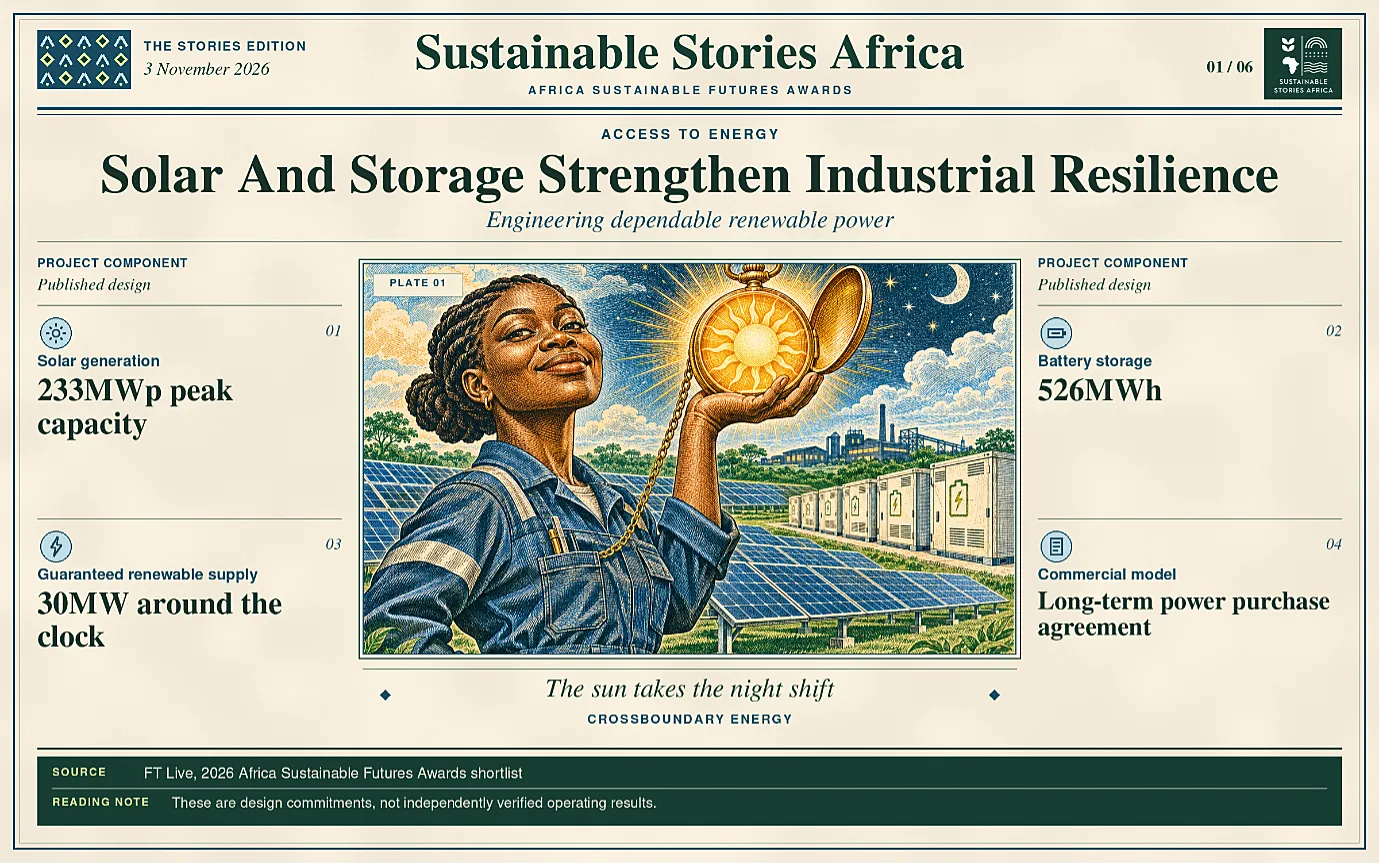
At Congo’s Kamoa-Kakula copper mine, CrossBoundary Energy is tackling a demanding question: can solar power serve industry around the clock?
Its award-winning project combines generation, storage and financing to make cleaner industrial electricity more dependable.
A Mining Power Challenge Meets Recognition
On the awards stage, CrossBoundary’s Jake Cusack acknowledged that building these solutions “can be a slog at times”.
The company’s recognised project serves the Democratic Republic of the Congo’s Kamoa-Kakula copper mine.
Its human significance goes beyond machinery:
- Reliable power underpins productive businesses, and the livelihoods link them.
Financing Makes Cleaner Industrial Electricity Accessible
Under a long-term power purchase agreement, the project helps the mine access renewable electricity without upfront installation funding.
- The model brings financing and engineering into the same solution.
Recognition Rewards A Different Energy Model
Judges recognised the project for “pioneering renewable energy in a critical sector”.
- Its expected benefits include lower diesel consumption and emissions.
Cleaner Industry Needs Proof And Replication
The wider opportunity is replication: showing that African industry can secure dependable renewable electricity through a commercially structured model.
Delivery against the project’s commitments will determine how persuasive that example becomes.
Heirs Insurance Brings Financial Protection Closer To Nigerians Too Often Left Behind

Award: Critical Infrastructure – Non-Energy
For Heirs Insurance Group, financial protection should not depend on navigating complicated processes or always having internet access.
Its recognised Nigerian initiative combines digital tools with a promise to make insurance simpler and more trusted.
Insurance Becomes Infrastructure For Everyday Security
“Insurance is a vital protection infrastructure,” Niyi Onifade told the awards audience.
- That conviction anchors Heirs Insurance Group’s approach to reaching underserved Nigerians.
The challenge is not simply selling policies. It is making protection understandable, accessible and credible when customers need help.
Different Channels Bring Protection Within Reach
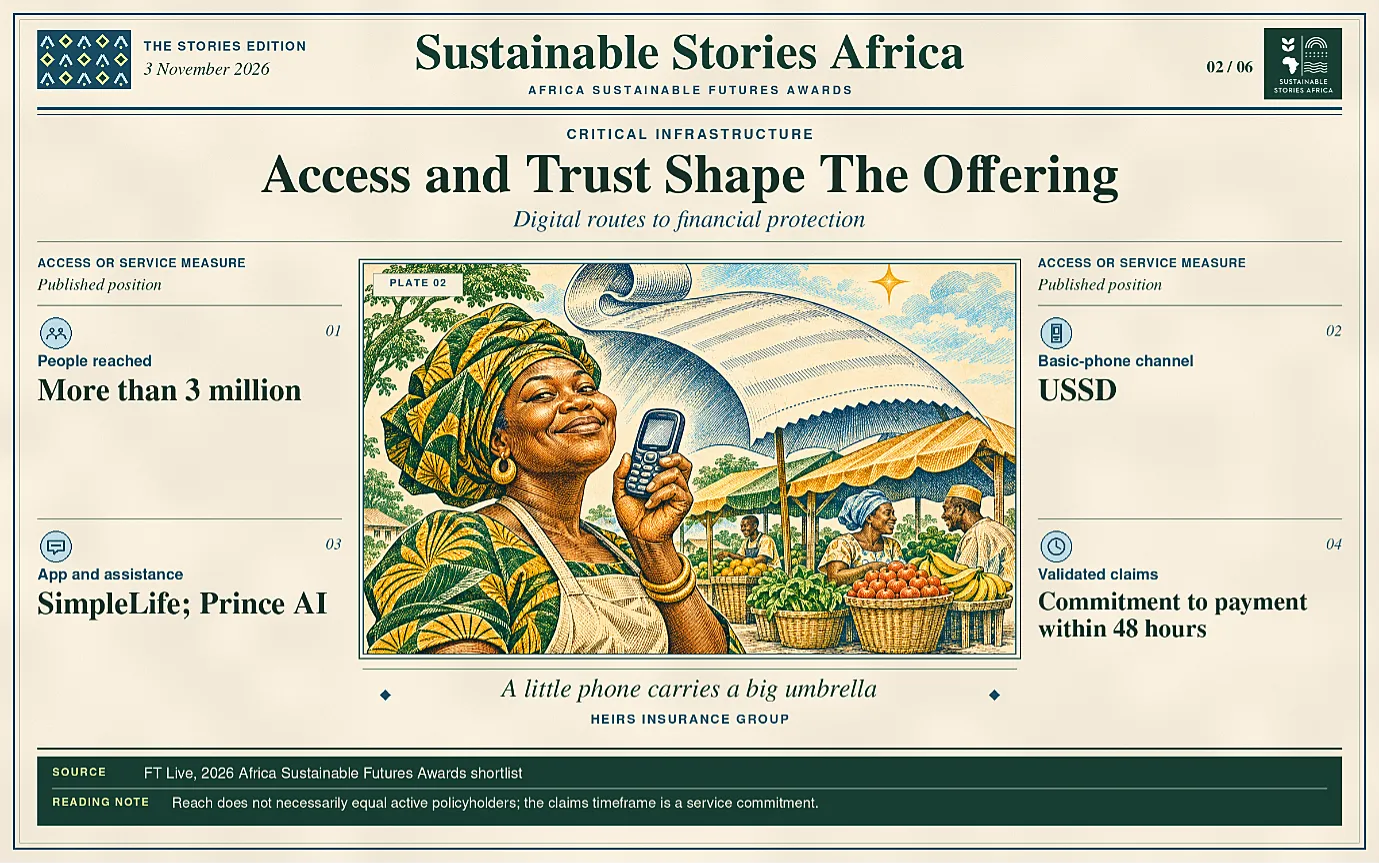
The initiative combines USSD, which works without internet access, the SimpleLife app and Prince AI, a multilingual insurance assistant.
- Digital and bank distribution channels extend its reach.
Judges Recognise Affordable And Scalable Protection
Judges praised an “affordable, scalable solution” serving underserved communities in a largely untapped market.
- The recognition connects insurance inclusion with the infrastructure of household and business resilience.
Wider Reach Must Deepen Customer Confidence
The model’s promise rests on turning easier access into lasting trust.
Clear information and delivery on claims commitments remain central to the protection Heirs says it wants to provide.
Lersha Connects African Farmers To Finance Markets And A More Secure Future
Awards: Agribusiness; Judges’ Award for Excellence
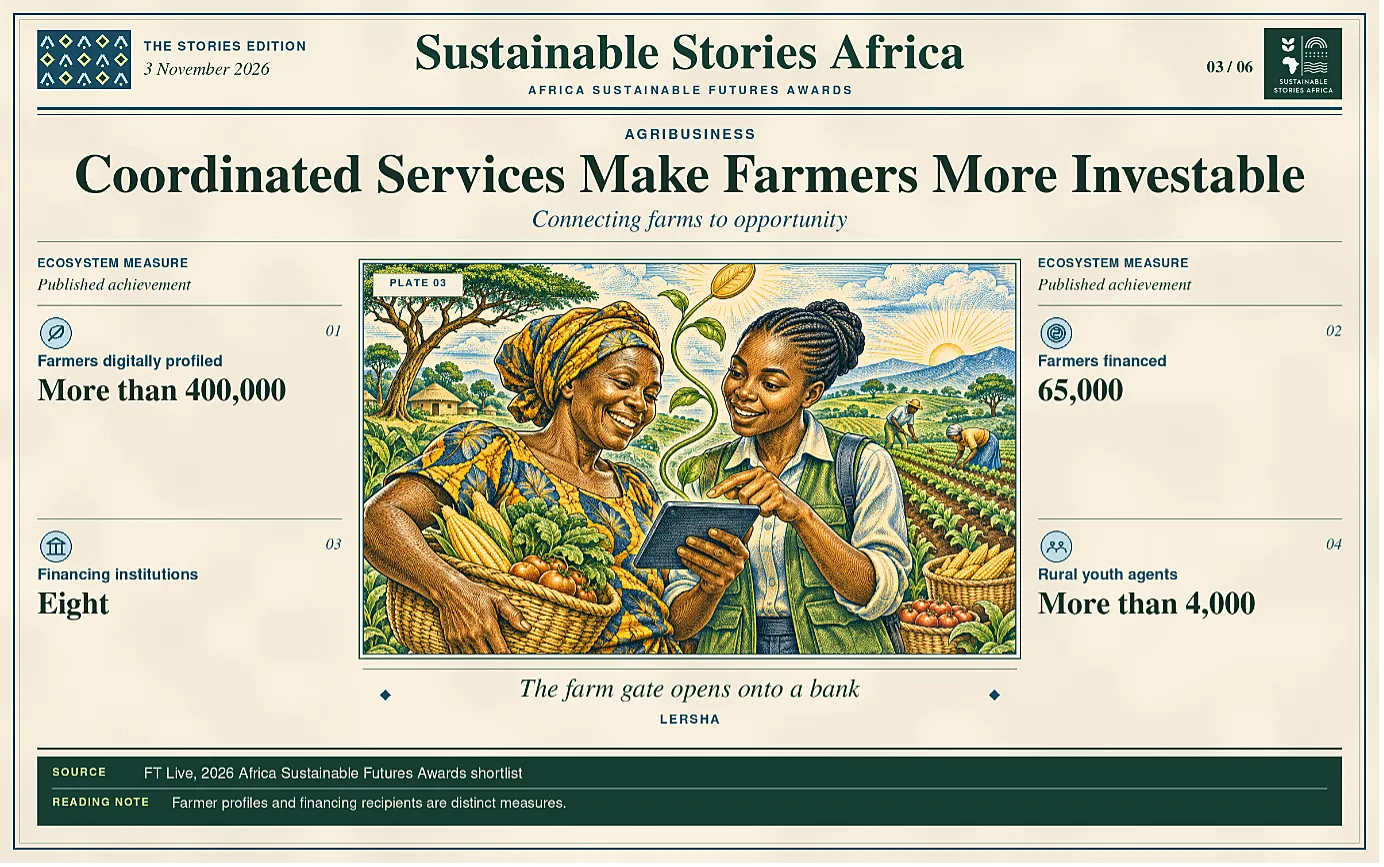
A farmer needs more than an app to build a stronger livelihood. Finance, advice and a dependable buyer must connect.
Lersha’s response brings those services together, earning both the Agribusiness award and the evening’s highest judges’ honour.
A Mother’s Question Becomes Shared Purpose
“If not you, then who?” Abrhame Endrias Butta recalled his mother asking.
- That challenge helped motivate the work behind Lersha, Green Agro Solution’s agricultural ecosystem.
At the ceremony, he thanked the smallholder farmers whose trust had helped build it.
Digital Connections Meet Local Human Relationships
Operating across Ethiopia, Kenya and Uganda, Lersha combines digital tools with rural agents.
- This physical-and-digital model links farmers to financial institutions, agricultural services and buyers.
Two Awards Recognise One Connected Ecosystem
Judges recognised Lersha’s integration of finance and markets, then selected it for overall excellence.
- Its model combines alternative credit assessment, non-cash financing, climate-smart advice and guaranteed buyers.
Rural Prosperity Remains The Larger Ambition
Lersha aims to finance one million smallholder farmers by 2030.
Its challenge is to expand coordinated support without losing the local relationships that give digital services meaning.
As Butta put it: “African future is built in African fields.”
Roam Air Builds Cleaner Journeys And Stronger Livelihoods Through Kenyan Manufacturing Innovation

Award: Manufacturing Champions
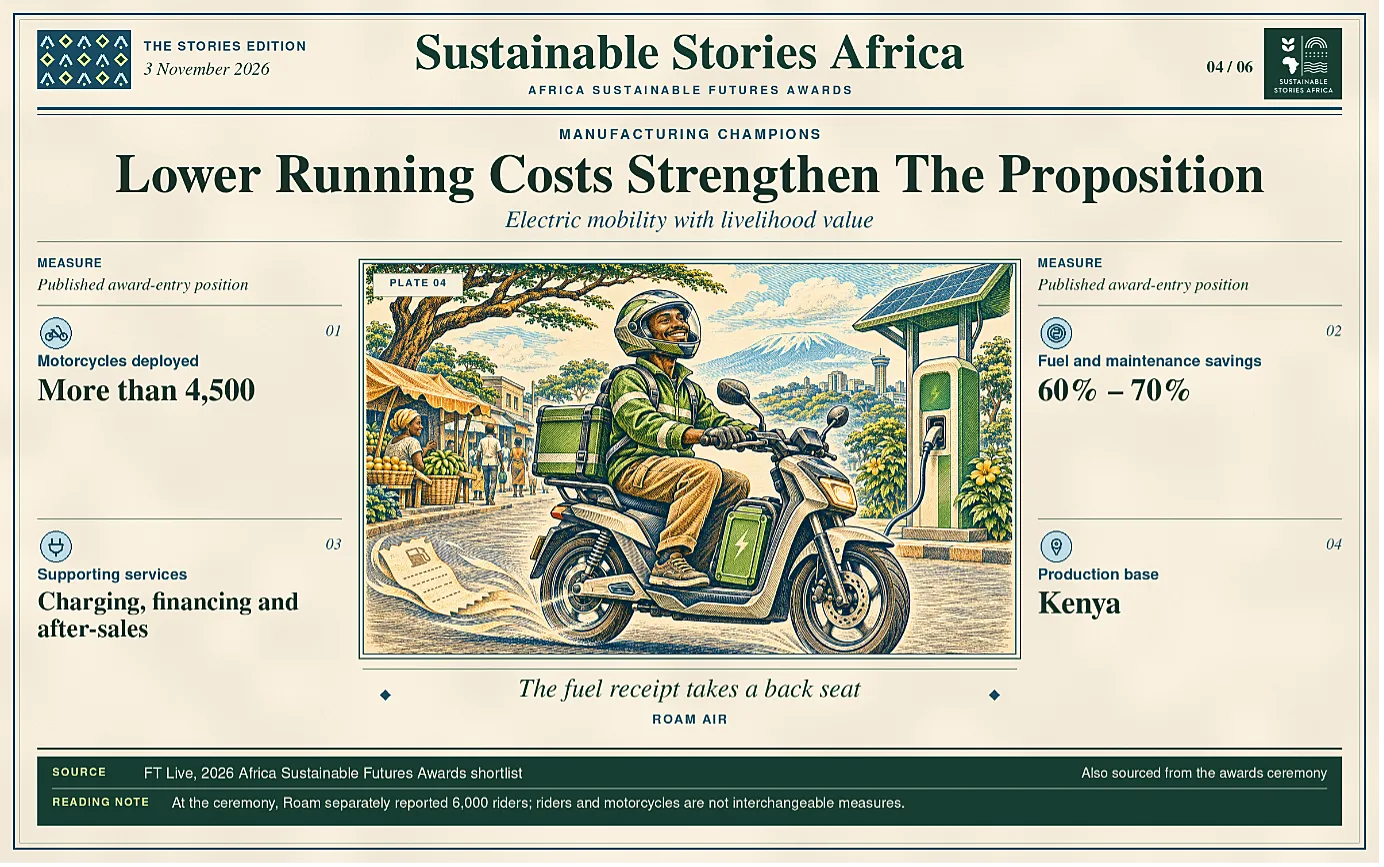
For commercial motorcycle riders, running costs shape what remains at the end of a working day.
Roam Air puts that concern at the centre of electric mobility.
Designed and manufactured in Kenya, the motorcycle connects cleaner transport with local industrial capability.
Recognition Begins With Riders Earning More
Accepting the award, Roam’s Rajal Upadhyaya first thanked the people who use its motorcycles.
- Roam Air is designed for African conditions and commercial riders.
Its practical appeal lies in reducing fuel and maintenance expenses, rather than asking riders to embrace technology for its own sake.
Local Manufacturing Supports A Wider Ecosystem
Roam combines motorcycle production with charging infrastructure, flexible financing and after-sales support.
- The approach treats adoption as both a service challenge and a manufacturing opportunity.
Judges Connect Greener Mobility With Resilience
The judges recognised Roam Air for “driving greener mobility and greater resilience to energy insecurity”.
Its locally manufactured product also supports skills and wider value-chain activity.
Expansion Must Keep Riders At Centre
Roam aims to expand electric mobility across East Africa.
Its longer-term significance lies in making cleaner transport commercially useful for riders while strengthening the region’s manufacturing capacity.
Zerobionic Opens Science Classrooms To Deaf Learners Through African-Designed Robotics Innovation
Award: Innovation Showcase
A lesson cannot fulfil its promise when a learner cannot access it.
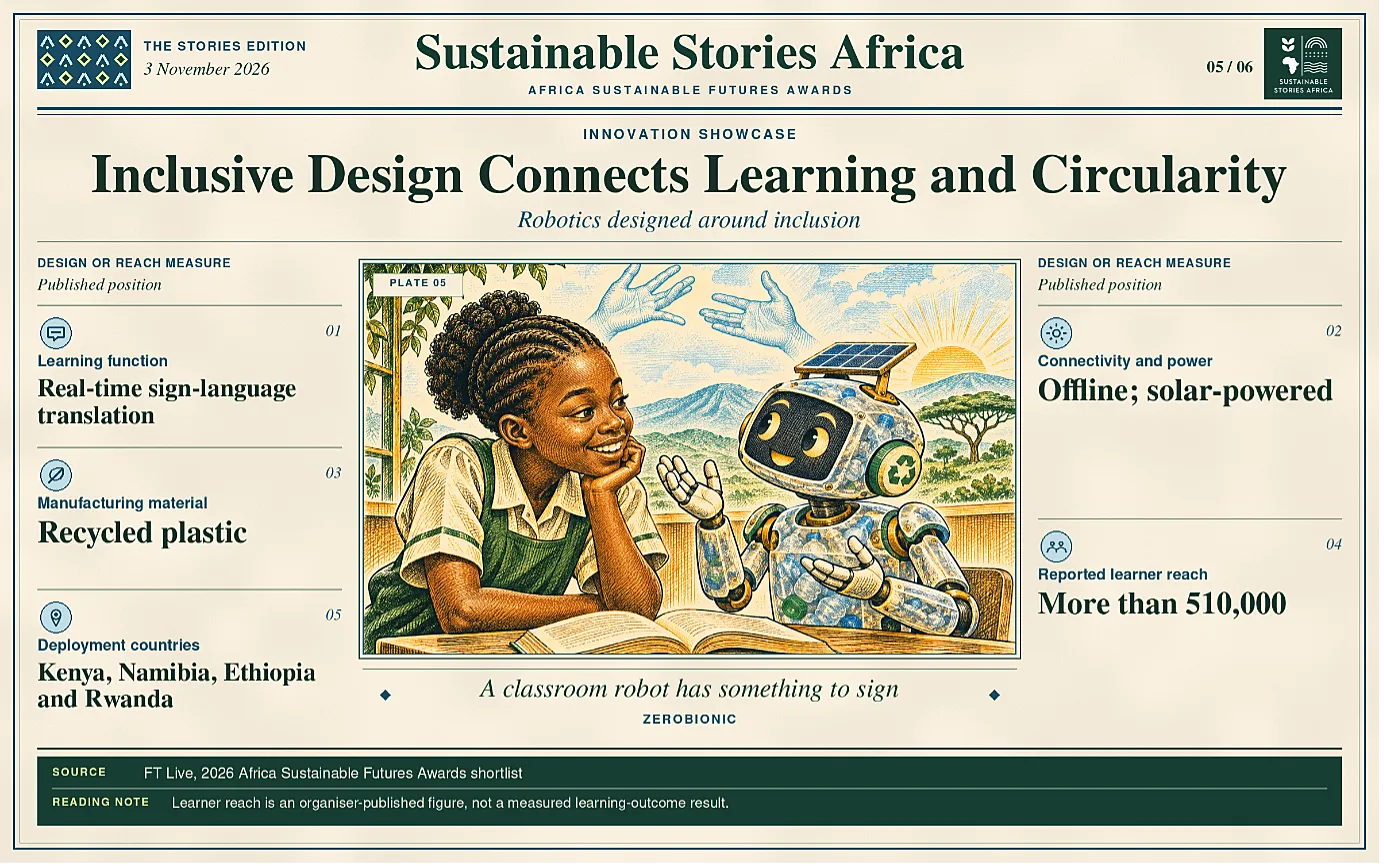
Zerobionic is addressing that exclusion through robots that translate teaching into sign language.
Its award-winning approach brings inclusive education together with locally manufactured, solar-powered technology.
A Robotic Arm Carries Bigger Possibilities
Norah Kimathi presented a robotic arm at the ceremony; customs difficulties had prevented the full humanoid robot from attending.
- The demonstration highlights Zerobionic’s work on accessible science, technology, engineering and mathematics education.
Its purpose goes beyond a striking machine: helping deaf learners participate in subjects they have been excluded from.
Technology Responds To Real Classroom Constraints
Zerobionic’s robots translate lessons into sign language in real time.
- Operations offline and solar power are designed for schools without dependable internet or electricity.
Judges Reward Education Through Inclusive Innovation
Innovation Showcase judges praised technology addressing a major educational inclusion challenge.
The initiative also trains teachers and supports local green employment.
Opportunity Must Extend Beyond The Demonstration
“We are building humanoid robots,” Kimathi said.
The larger ambition is participation: enabling deaf learners to pursue scientific and technical futures that inaccessible classrooms can place beyond reach.
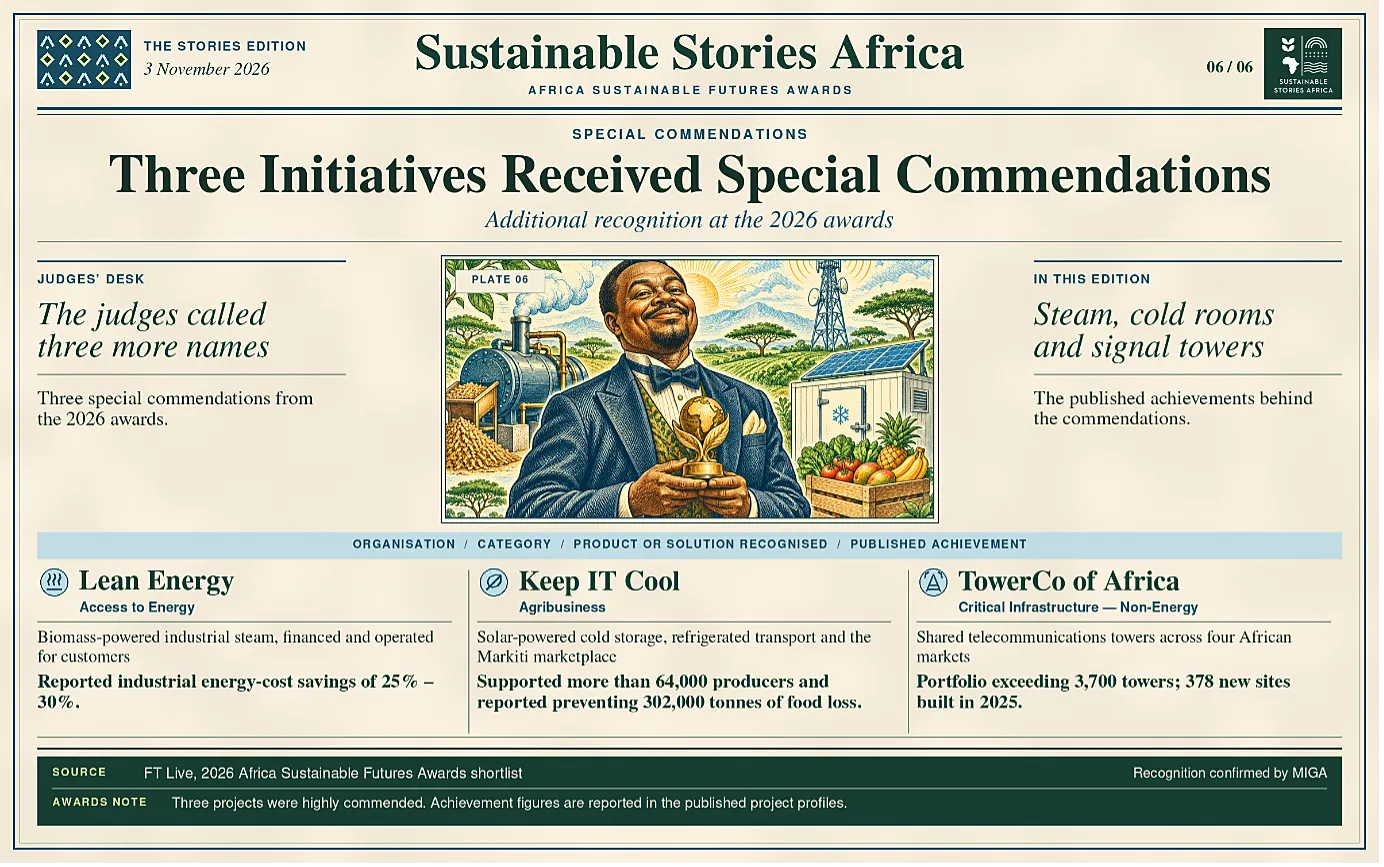
Additional Recognition: Three Initiatives Received Special Commendations
These organisations received special commendations, not only the category winner awards profiled above.
Keeping that distinction clear preserves the organisers’ award classifications.
Path Forward – Recognition Must Translate Into Lasting Opportunity
The awards highlight businesses that link products with the financing, distribution and local relationships needed to make them useful.
Their next test is sustained delivery: dependable electricity, trusted insurance, productive farms, viable transport and accessible classrooms.
As MIGA’s Tsutomu Yamamoto emphasised, promising solutions already exist.
Investment, partnerships and market confidence will help determine how far their benefits reach.