Battery storage is gaining attention as African electricity systems add more solar and wind generation.
Renewables Rising reports a growing project pipeline and procurement activity in South Africa and Malawi.
The opportunity is to move renewable electricity into more useful hours, while ensuring that costs, safety and eventual disposal receive equal attention.
Storage becomes central to renewable expansion
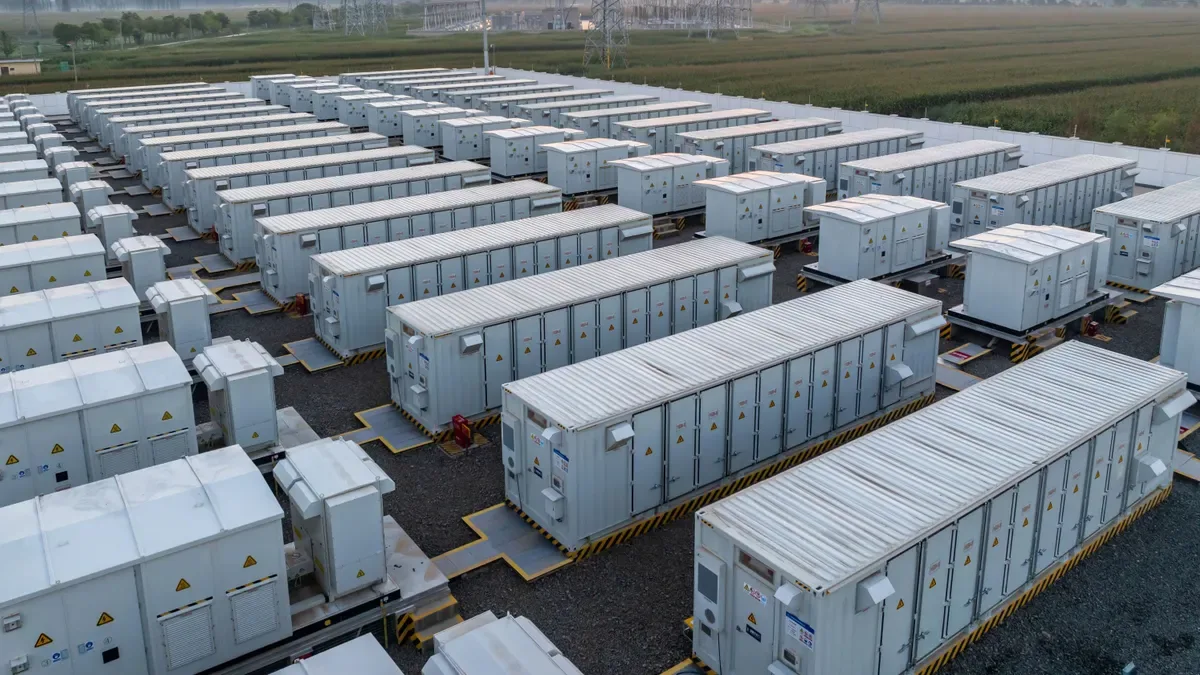
African utilities and industrial users are turning to battery storage as renewable generation expands, according to an October 13 briefing from Renewables Rising.
Its project tracking identifies more than 21.5 gigawatt-hours across utility and private installations in 2026, although that figure should not be treated as an independently verified total of operating capacity.
The change addresses a practical limitation: electricity is valuable when people need it, not simply when a plant produces it.
- A solar installation may generate strongly during the day while households and businesses require power later.
Batteries can help bridge that timing gap.
- Their contribution depends on the amount of energy available, the rate at which it can be delivered and the wider system’s operating conditions.
Procurement numbers describe different storage capabilities
The briefing says South Africa has announced procurement of 5.6 gigawatts of batteries and Malawi has issued a tender for another 20-megawatt plant.
It also identifies mining companies as important adopters.
- These reported procurement figures are not evidence that all the capacity is installed.
Comparing the numbers requires care.
- Gigawatts and megawatts measure power, or the rate of delivery.
- Gigawatt-hours and megawatt-hours measure energy, or how much can be stored and discharged.
A project’s duration connects the two.
- For example, a 100-megawatt battery with 400 megawatt-hours of usable energy could supply its rated power for roughly four hours before allowing for operating constraints.
That is an explanation of the units, not a description of a project in the reported pipeline.

Better timing can improve electricity services
SSA assesses that storage should be evaluated through the service it provides.
- A utility may need support during evening peaks; an industrial user may seek continuity through short interruptions.
- Different problems call for different designs and operating strategies.
The potential social benefits depend on where systems are deployed.
- Storage supporting a public facility or local distribution network may address different needs from a dedicated industrial installation
- Neither use should be assumed to serve all customers equally.
There are also trade-offs.
- Charging requires available electricity, and every cycle involves losses.
- Batteries do not create an independent source of energy.
A project therefore needs a credible account of how it will charge and what generation or demand it will serve.
Good procurement would compare alternatives, including network improvements, demand management and other sources of flexibility.
The aim should be dependable service at an appropriate lifetime cost.
Finance should reward performance and stewardship
SSA recommends that contracts specify usable capacity, expected availability, safety responsibilities and how declining performance will be managed.
- Payment arrangements should reflect the services actually required, rather than rewarding a headline capacity number alone.
End-of-life planning should begin before equipment arrives.
- Buyers should establish who owns the batteries, who is responsible for safe collection and which organisations will handle recycling or disposal.
- Those responsibilities need to survive changes in ownership and build alternative use for end-of-life.
For communities;
- Accessible information on site safety and emergency arrangements would help make infrastructure development accountable.
For workers;
- Training should cover operations and maintenance as well as installation.
The investment opportunity is therefore wider than purchasing equipment.
- It includes building the skills, rules and operating discipline that make storage useful over time.
- That is where the reliability promise becomes testable.
A further reporting question concerns who carries performance risk.
- Public buyers should understand whether warranties cover the services they need and what happens if a supplier cannot meet them.
- Allocating responsibilities transparently helps protect electricity customers from paying for capacity that fails to perform as expected.
Path Forward – Make Storage Deliver Affordable, Reliable Electricity
The expanding pipeline signals interest in flexibility alongside renewable generation.
Assess delivery through operating projects and measured performance.
Clear procurement, appropriate duration, safety planning and lifecycle responsibility can help batteries support a fairer transition.
The objective is electricity that users can depend on when they need it.