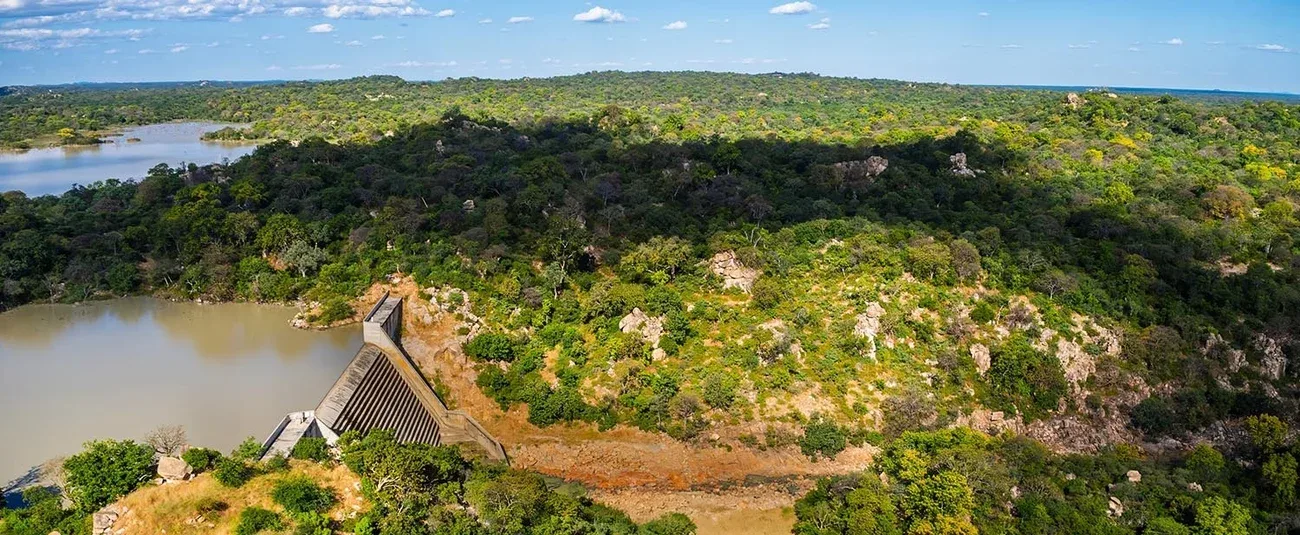
The African Development Bank has approved €81.2 million to expand agro-industrial development in northern Cameroon through climate-resilient water infrastructure.
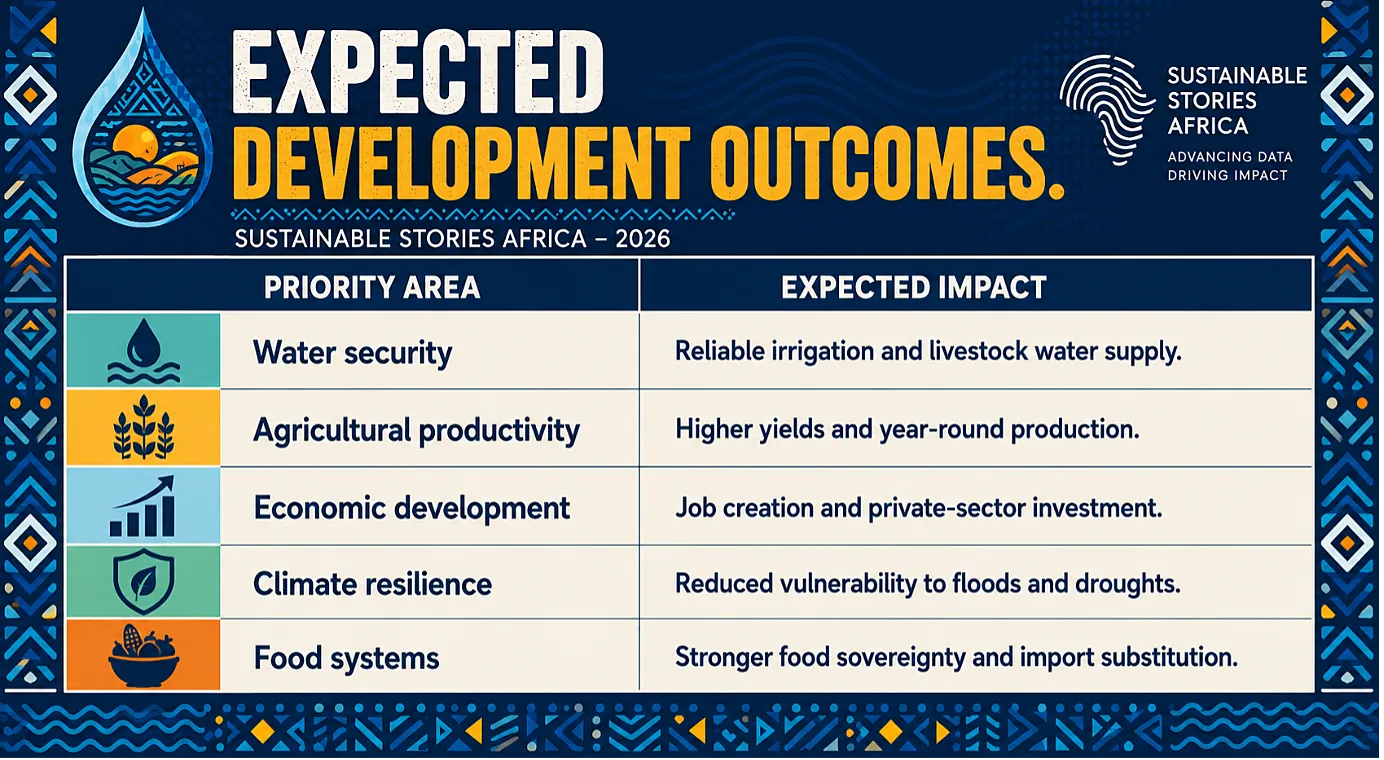
The investment aims to improve food production, strengthen climate resilience and attract private investment into agriculture.
For communities facing growing water insecurity, the programme could transform livelihoods while advancing food sovereignty and inclusive economic growth.
Water Investment Becomes A Catalyst For Agricultural Transformation
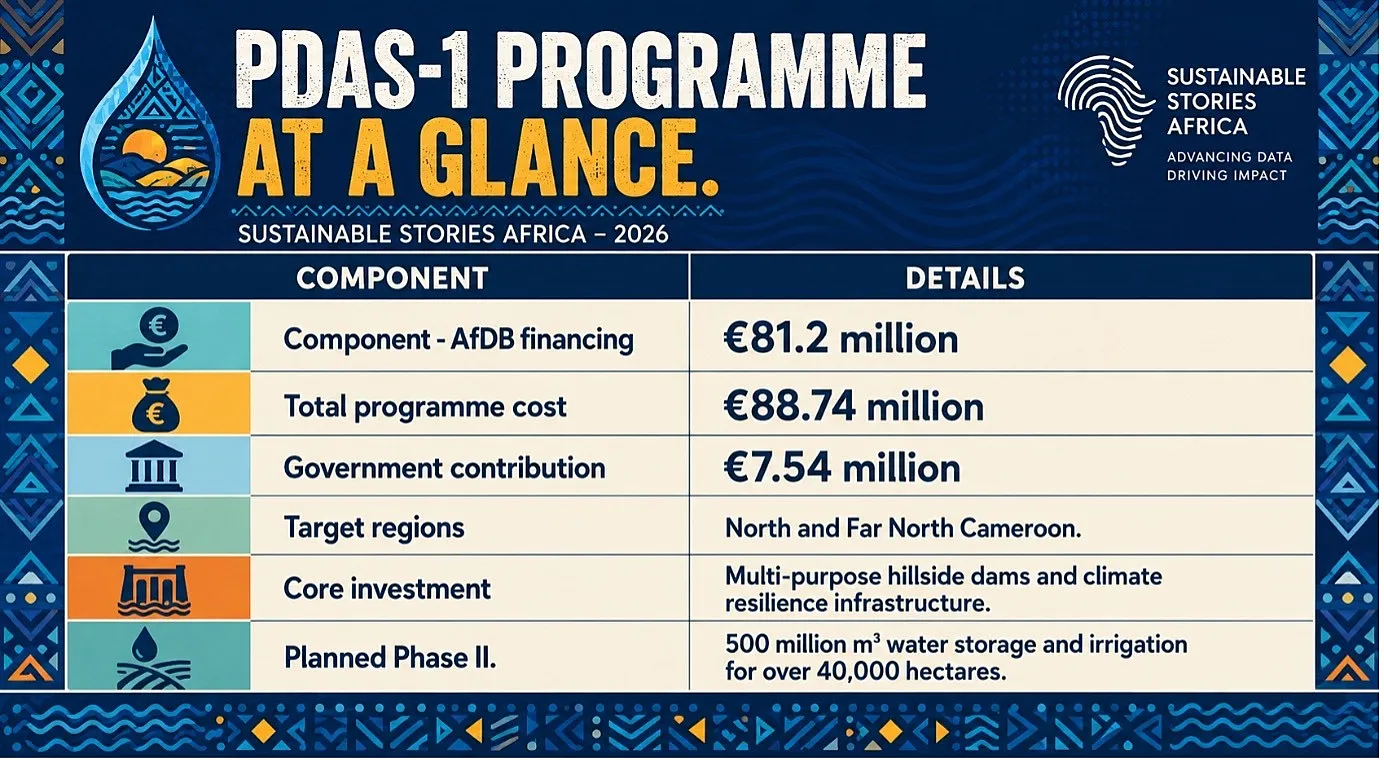
Northern Cameroon is preparing for one of its most significant agricultural infrastructure investments in recent years following the Board of Directors of the African Development Bank (AfDB) approval of €81.2 million to support agro-industrial development across the country's North and Far North regions.
The financing will fund the Programme for the Development of Agro-Industry in the North: Construction of Multi-purpose Hillside Dams (PDAS-1), a flagship initiative designed to improve sustainable water access for agriculture and livestock while strengthening communities' resilience to climate change.
The programme has a total value of €88.74 million, with the Government of Cameroon contributing €7.54 million.
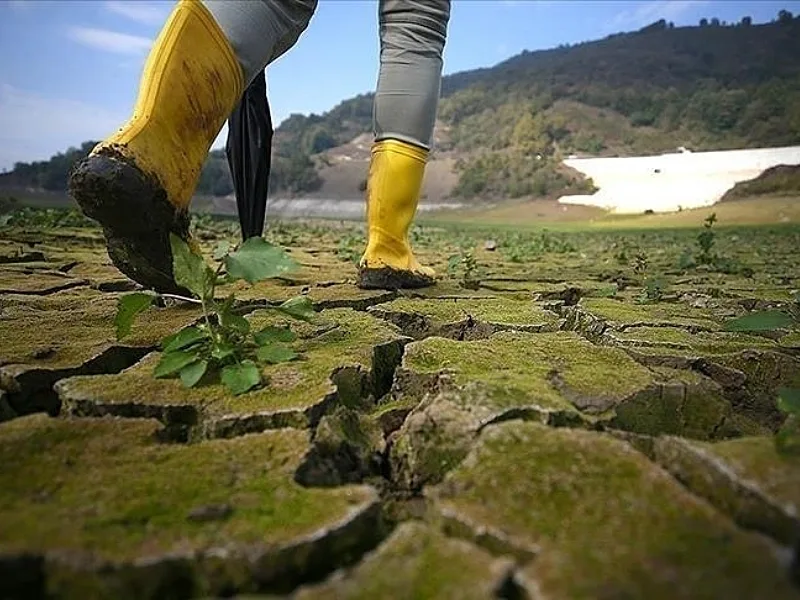
At a time when climate shocks, food insecurity and water scarcity are increasingly threatening agricultural productivity across the Lake Chad Basin, the project signals a strategic shift from emergency response towards long-term resilience and economic transformation.
Building Infrastructure That Supports Farms And Communities
The centrepiece of the programme is the construction of multifunctional hillside dams capable of providing reliable year-round water for farming and livestock production.
For thousands of farmers and pastoralists, dependable access to water could mean longer growing seasons, improved crop yields and more stable household incomes.
Beyond agriculture, the investment is expected to reduce conflicts over scarce natural resources, improve access to socio-economic services and create new employment opportunities across northern Cameroon.
The project also integrates climate adaptation measures that extend beyond irrigation.
These include hydrometeorological monitoring stations, community forests, and large-scale tree planting designed to improve environmental sustainability while helping communities adapt to increasingly unpredictable weather patterns.
According to the African Development Bank, the programme represents the first phase of a broader regional development strategy.
A planned second phase will construct larger multipurpose dams with a combined storage capacity of approximately 500 million cubic metres, enabling irrigation across more than 40,000 hectares of agricultural land.
The programme comes as northern Cameroon continues to experience growing climate pressures.
Recent flooding across the Lake Chad Basin has displaced more than 275,000 people, while floods during 2024 affected over three million people, disrupting livelihoods, damaging infrastructure and worsening food insecurity.
Stronger Agriculture Means Stronger Economic Resilience
The significance of the investment extends well beyond irrigation infrastructure.
A more resilient agricultural sector can reduce food imports, strengthen domestic agro-processing industries and create opportunities for private investment across agricultural value chains.
Reliable water supplies also improve investor confidence by reducing production risks that have historically constrained commercial agriculture in northern Cameroon.
Leaders at the African Development Bank see the programme as a foundation for wider economic transformation.
"Through this programme, the African Development Bank is supporting Cameroon in realising its agro-industrial potential, creating jobs, strengthening communities' climate resilience, and attracting private investment to advance import substitution and strengthen the country's food sovereignty," said Léandre Bassolé, the Bank's Director General for Central Africa and Country Manager for Cameroon.
Without sustained investment, however, climate variability could continue to undermine productivity, increasing rural poverty and intensifying pressure on already fragile food systems.
Turn Infrastructure Into Inclusive Agricultural Growth
The approval marks an important financing milestone, but implementation will determine its long-term success.
- Government agencies, development partners, local authorities and private investors must coordinate to ensure the infrastructure is delivered efficiently and maintained sustainably.
- Expanding agro-processing, improving market access and supporting farmers with finance and modern technologies will be equally important to maximise the programme's impact.
For African policymakers, the initiative demonstrates that climate adaptation, agricultural productivity and industrial development need not be separate priorities.
Strategic investments in water infrastructure can simultaneously strengthen resilience, create jobs and accelerate sustainable economic transformation.
Path Forward – Climate-Smart Agriculture Must Drive Inclusive Prosperity
Northern Cameroon now has an opportunity to convert climate resilience into long-term economic growth.
Delivering the programme successfully will require strong governance, community participation and continued investment in agricultural value chains.
By combining water security with agro-industrial development, Cameroon can strengthen food sovereignty, attract private capital and advance ESG objectives that promote inclusive growth, environmental resilience and sustainable livelihoods across the region.