An OAS technical outlook warns that a potentially very strong 2026 – 2027 El Niño could bring drought and flooding to different parts of Latin America and the Caribbean.
The organisation is urging preparation before projected impacts intensify in 2027.
For Africa, the relevant lesson is coordinated planning, not transferring the report’s regional forecasts to African countries.
Act before hazards become emergencies
A potentially very strong El Niño could disrupt water supplies, food production and electricity in Latin America and the Caribbean in 2027, according to an Organisation of American States technical outlook summarised on October 27.
- The organisation urges governments to use the final months of 2026 for preventive action.
The brief, El Niño 2026 – 2027: Outlook, Potential Impacts, and Anticipatory Action, was prepared by the OAS Department of Sustainable Development with the World Meteorological Organisation and the International Research Centre on El Niño.
- It describes possible consequences, not observed 2027 losses.
The African relevance lies in the planning architecture.
- Water utilities, food agencies, power companies and health authorities face different responsibilities.
- However, the outlook shows how one climate hazard can create interacting pressures.
Its numerical projections apply to the regions named in the source; they are not forecasts for Africa.
Different places face different hazards
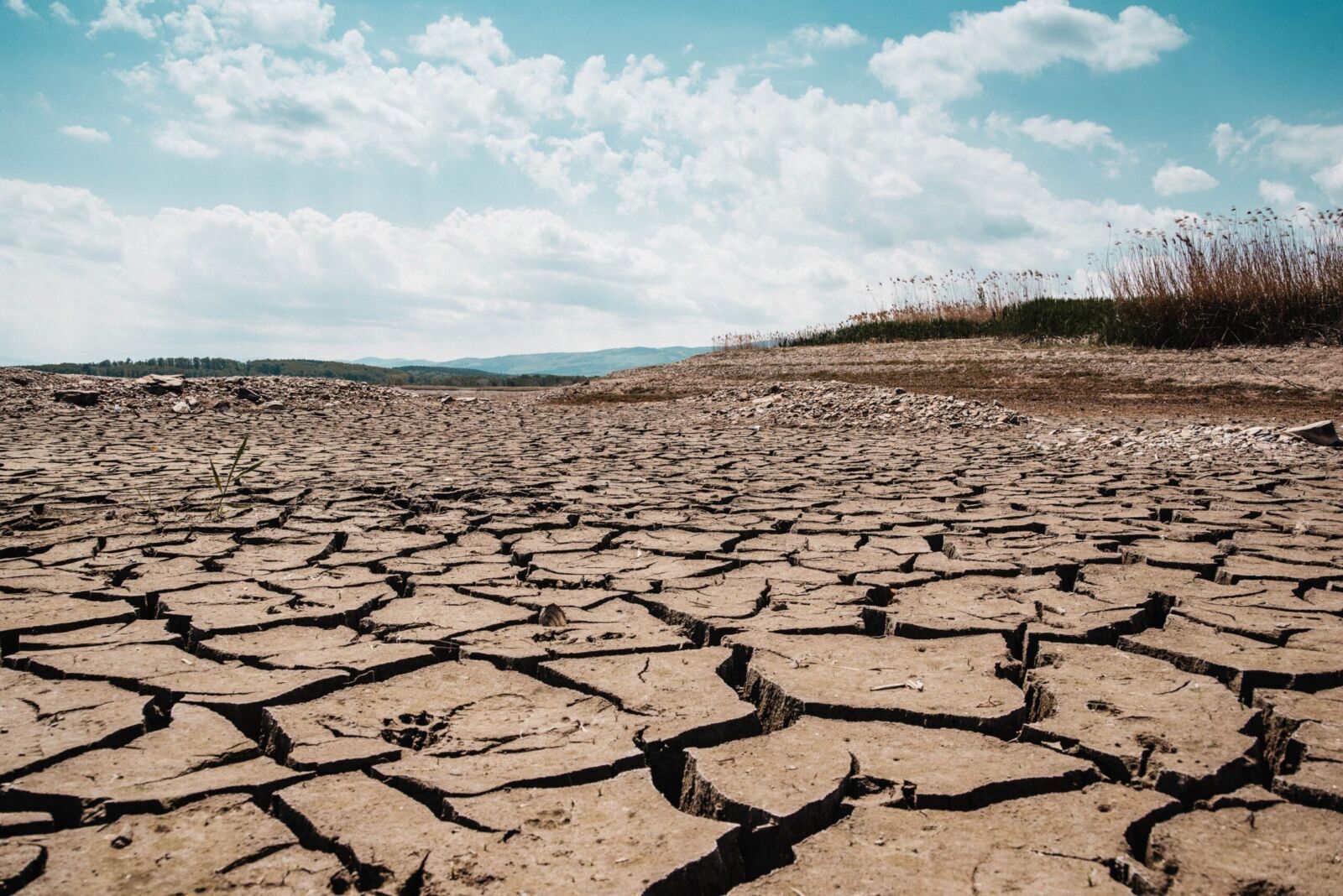
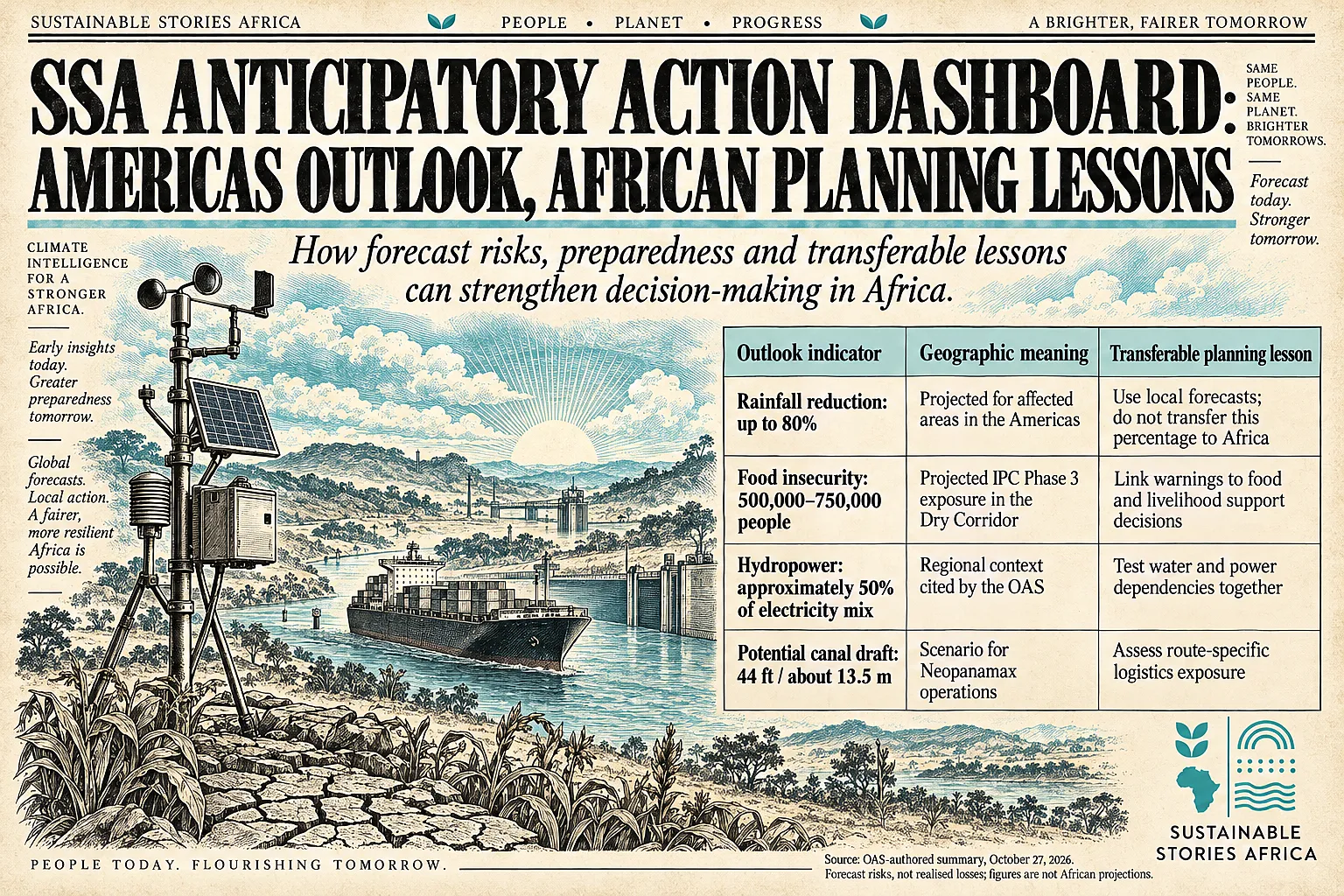
The OAS summary warns of rainfall reductions of up to 80% in affected areas, alongside excessive precipitation elsewhere.
- It identifies potential drought exposure across the Central American Dry Corridor, the insular Caribbean, parts of Colombia and Venezuela, and the Amazon Basin.
- Coastal Ecuador, northern Peru, central-southern Chile and the La Plata Basin face projected surplus rainfall and flood or landslide risks.
These contrasts matter.
- A single regional label does not mean every location faces the same hazard, and preparedness measures should follow the local exposure rather than a uniform assumption of drought.
The summary projects that rainfall scarcity could push 500,000 – 750,000 people in the Dry Corridor into IPC Phase 3 food insecurity, described as crisis.
- It also identifies pressure on hydroelectric generation in a region where half the electricity mix relies on hydropower.
- These are source-specific risk estimates, not outcomes that have already occurred.
Potential transport disruption adds another link.
- Falling lake levels in the Panama Canal could restrict the operating draft of Neopanamax vessels to 44 feet, or about 13.5 metres, according to the outlook
- Public health concerns include mosquito risks associated with heat and unprotected water storage during rationing.
Coordinate plans around shared dependencies
“El Niño cannot be avoided, but a large part of its consequences can,” Andrés Sánchez, head of the OAS Water Section, said in the organisation’s summary.
- The point is preparedness, not a claim that prevention can remove every loss or that each forecast impact will materialise.
For African institutions, a useful exercise would connect a specific seasonal outlook with operational decisions across sectors.
- If a locally supported scenario indicates water stress, planners can ask how municipal supply, irrigation and electricity assumptions interact.
- If it indicates heavy rainfall, the relevant questions change to drainage, infrastructure and emergency access.
That approach can expose conflicting plans before an emergency.
- An electricity response may depend on water that another agency has already allocated, or an agricultural measure may require financing before a planting decision.
- These are planning examples, not findings from the OAS assessment about African systems.
The potential gain is clarity: earlier decisions, assigned responsibilities and a better understanding of which services depend on one another.
Fund decisions that forecasts can trigger
The OAS roadmap recommends stronger early warning, alternative power supply planning, contingent funding, drought-resistant seeds and reinforced health surveillance.
- For islands and very dry territories, it also highlights backup desalination, lower distribution losses, alternative groundwater sources and monitoring of aquifer recharge.
African policymakers should adapt the method, not copy the measures indiscriminately.
- Every option requires local technical, financial and environmental assessment.
- It starts with an authoritative regional or national forecast, followed by a decision about which action is justified at which warning level.
Institutions can operationalise that process by naming a responsible agency, a funding source and a trigger for each agreed response.
- Shared river basins and power connections also require cross-border coordination.
- The OAS emphasises cooperation in the Americas; the broader governance lesson is to align information and responsibilities wherever dependencies cross administrative boundaries.
Preparedness should also include a process for revising decisions when forecasts change.
- A warning system needs room for uncertainty without leaving agencies unclear about their responsibilities.
Path Forward – Prepare Across Sectors Before Shocks Escalate
The outlook calls for preparation during late 2026 to reduce potential disruption in the Americas in 2027.
Its projections remain conditional and geographically specific. [web:32]
Africa’s lesson is to connect local forecasts with funded, accountable decisions across water, food, power and health.
Early warning becomes useful when institutions know what to do, who must act and how the response will be financed.