ECB executive board member Frank Elderson says climate and nature risks belong within central banks’ existing responsibilities because they affect growth, inflation and financial resilience.
His October 19 speech links adaptation and cleaner energy with economic competitiveness.
For African monetary authorities, the lesson is to trace environmental shocks into familiar economic variables while respecting national mandates.
Environmental risk becomes economic risk
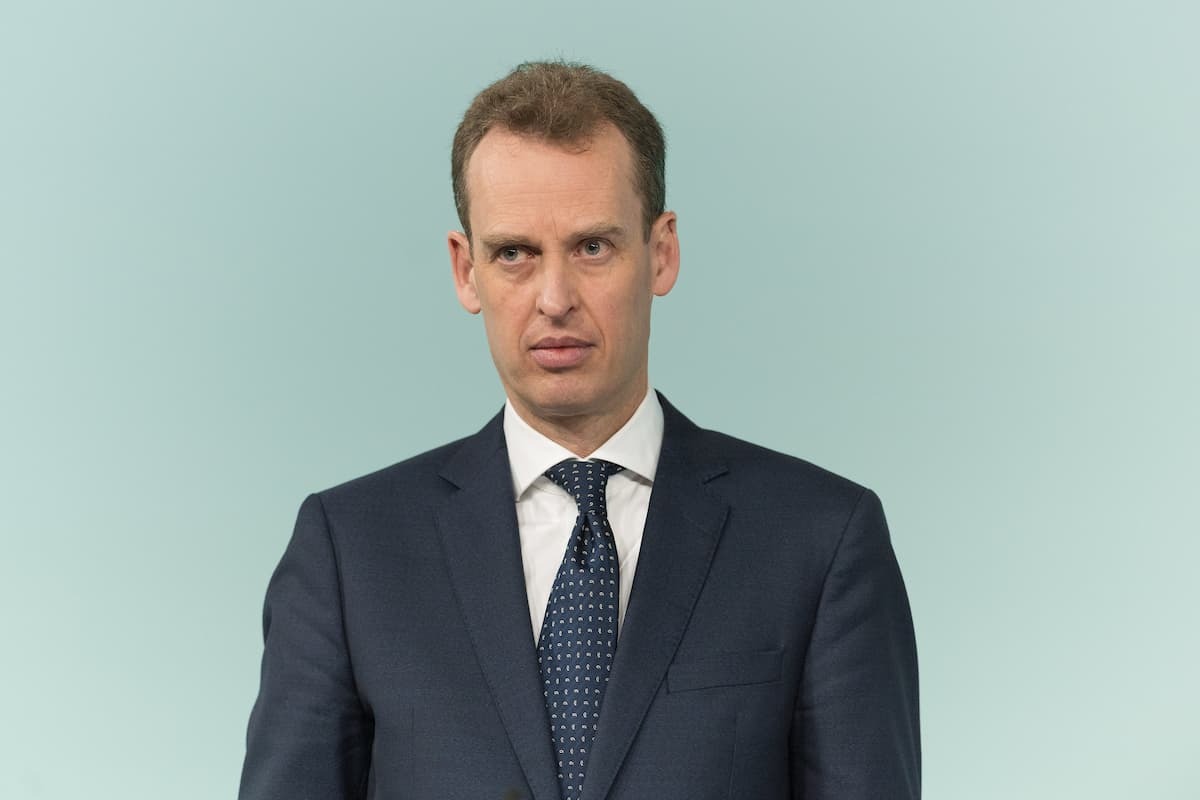
Central banks cannot treat climate change and nature degradation as externalities when those pressures influence inflation, productivity and financial resilience, European Central Bank executive board member Frank Elderson said in Manila on October 19.
- His argument places environmental risk inside established economic analysis rather than outside it.
“As climate and nature risks increasingly affect productivity, growth, inflation and the resilience of the financial system, taking them into account falls squarely within our mandate,” he told the Green Swan 2026 Conference.
- Elderson is also vice-chair of the ECB’s supervisory board.
According to Green Central Banking on October 21, it offers a framework relevant to African economic debate.
- It does not create new obligations for African central banks, whose statutory mandates and institutional arrangements must be assessed separately.
- The transferable point is analytical: identify how physical and ecological pressures reach the economy and the banking system.
Follow the channels into prices and credit
Elderson identifies a chain of economic effects.
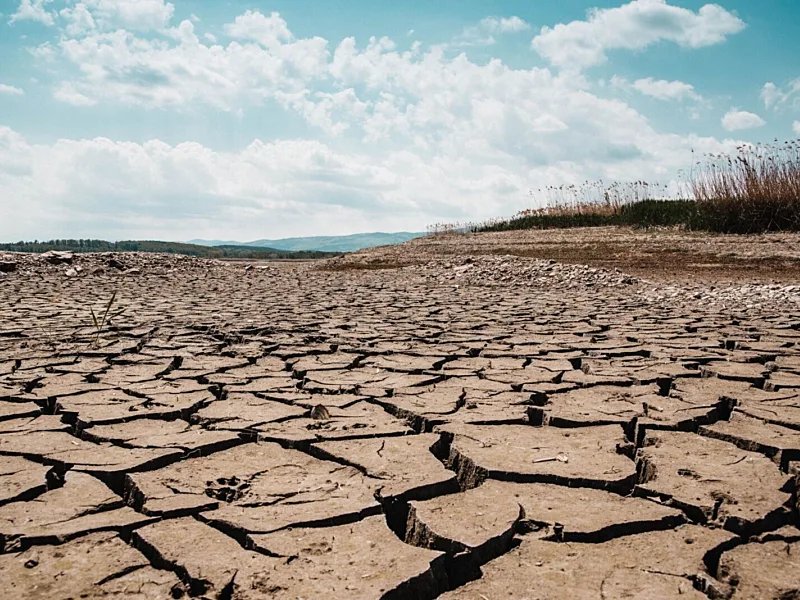
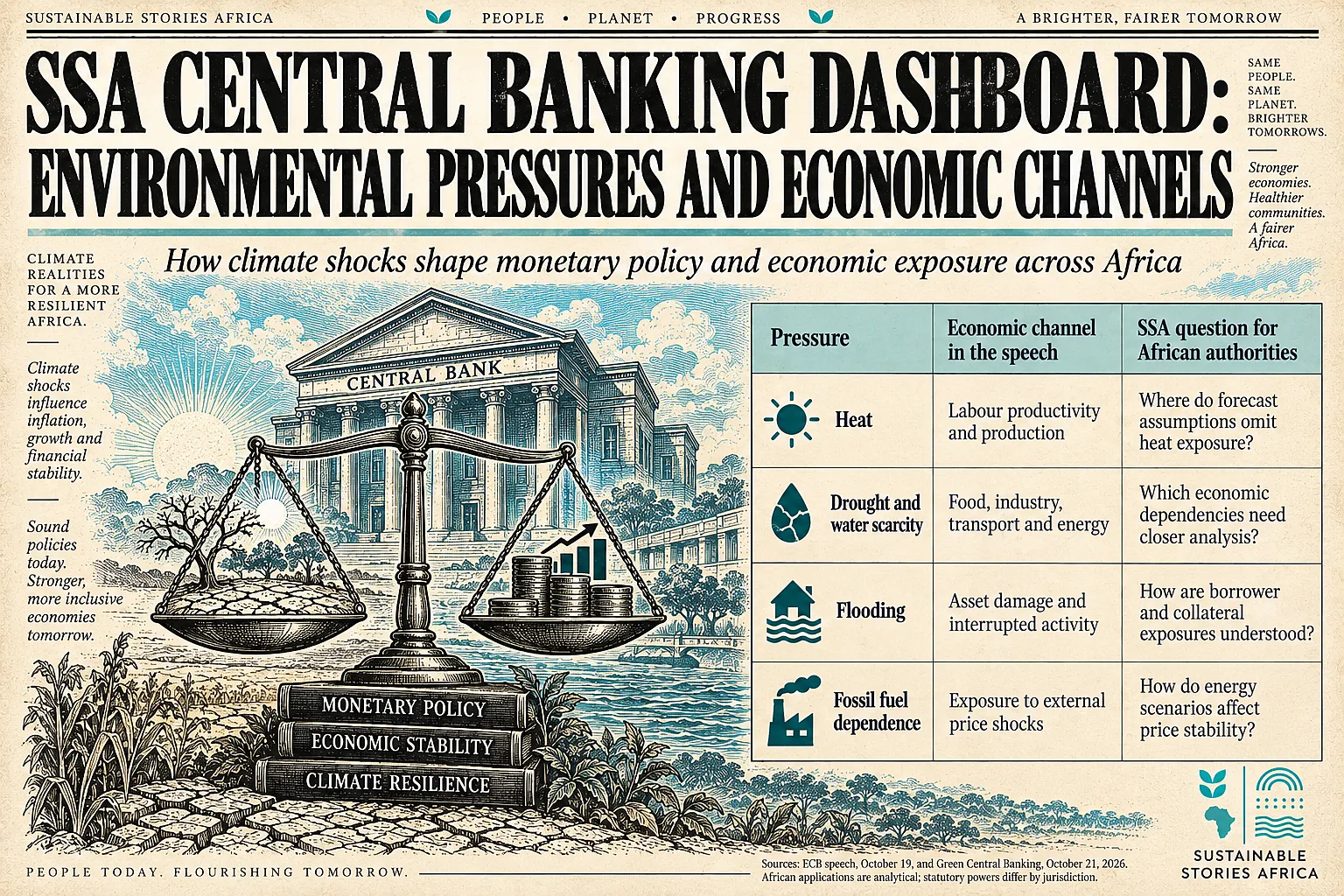
- Heat can reduce labour productivity, drought can disrupt farming, industry and transport, and floods can damage infrastructure and interrupt production.
- These shocks may affect investment, output and prices, while repeated events can have consequences beyond the initial emergency.
Nature-related pressures operate through comparable dependencies.
- Firms need reliable water, healthy soils and other ecosystem services.
- When these inputs are impaired, an environmental disruption can become a production problem and, through borrowers and lenders, a financial concern.
- The speech argues that central bank models and forecasting procedures should reflect such changing conditions.
Importantly, Elderson does not claim that every isolated flood or drought triggers a macroeconomic crisis.
- His concern is how risks accumulate, interact and become structural drivers of economic outcomes.
- He calls for better information, careful assessment and proportionate responses rather than certainty about every future event.
He also links energy choices to resilience.
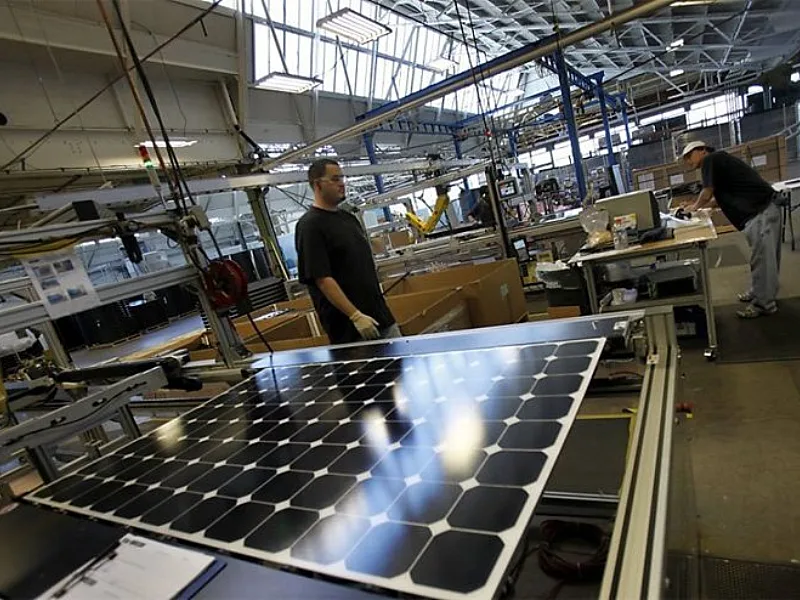
- Lower dependence on imported fossil fuels can reduce exposure to volatile external prices, while adaptation helps infrastructure and businesses withstand physical shocks.
- These are connected economic arguments, not a promise that any single technology or policy will eliminate inflation.
Resilience can support competitiveness
For African policymakers, the practical question is how to incorporate these transmission channels into existing work.
- An inflation forecast can test exposure to a weather-sensitive supply assumption.
- A banking supervisor can ask how an institution understands concentrations of physical risk.
- Neither exercise requires claiming that the ECB’s institutional powers apply elsewhere.
Elderson argues that adaptation and mitigation reinforce each other: adaptation manages consequences already unfolding, while mitigation limits the scale of future damage.
- He presents resilience, energy security and competitiveness as potentially complementary objectives when the transition is managed well.
The framing is a more coherent conversation between economic and environmental policy.
- For example, a water investment can be examined through service continuity and production reliability rather than through environmental language alone.
- This is an application of the speech’s reasoning, not a quantified estimate for an African economy.
It also makes distributional choices more visible.
- Decision-makers still need to ask who pays, which institutions carry responsibility and how households and businesses experience the costs of change.
Build capability within clear responsibilities
African monetary authorities can start by identifying material data gaps, documenting assumptions and developing scenarios that link environmental conditions with economic and financial outcomes.
- Any supervisory expectations should remain proportionate to the institution’s legal powers and the risks under examination.
Governments retain responsibility for public investment and many policies shaping adaptation and transition.
- Elderson also emphasises predictable rules and access to finance, warning that uncertainty can deter investment and tighten financing conditions.
Central banks cannot resolve those barriers alone.
The immediate opportunity is cooperation: economic forecasters, supervisors, statistical agencies and relevant technical institutions can align the information needed for decisions.
- The standard should be useful analysis with transparent limitations, not an environmental label added to a model that otherwise leaves its assumptions unchanged.
A transparent account should also distinguish the risk being measured from the proposed policy response.
- Agreement that an exposure matters does not, by itself, establish which institution should act or which instrument is appropriate.
Path Forward – Bring Environmental Risks Into Economic Decisions
The priority is to connect climate and nature pressures with inflation, productive capacity and financial resilience, while keeping institutional responsibilities clear.
For Africa, Elderson’s argument supports better data, proportionate supervision and cooperation with fiscal and sectoral authorities.
It is a framework for strengthening analysis within local mandates, not a new mandate imposed from Europe.
Culled from: Climate and nature fall ‘squarely within’ central bank mandates, says ECB’s Elderson - Green Central Banking