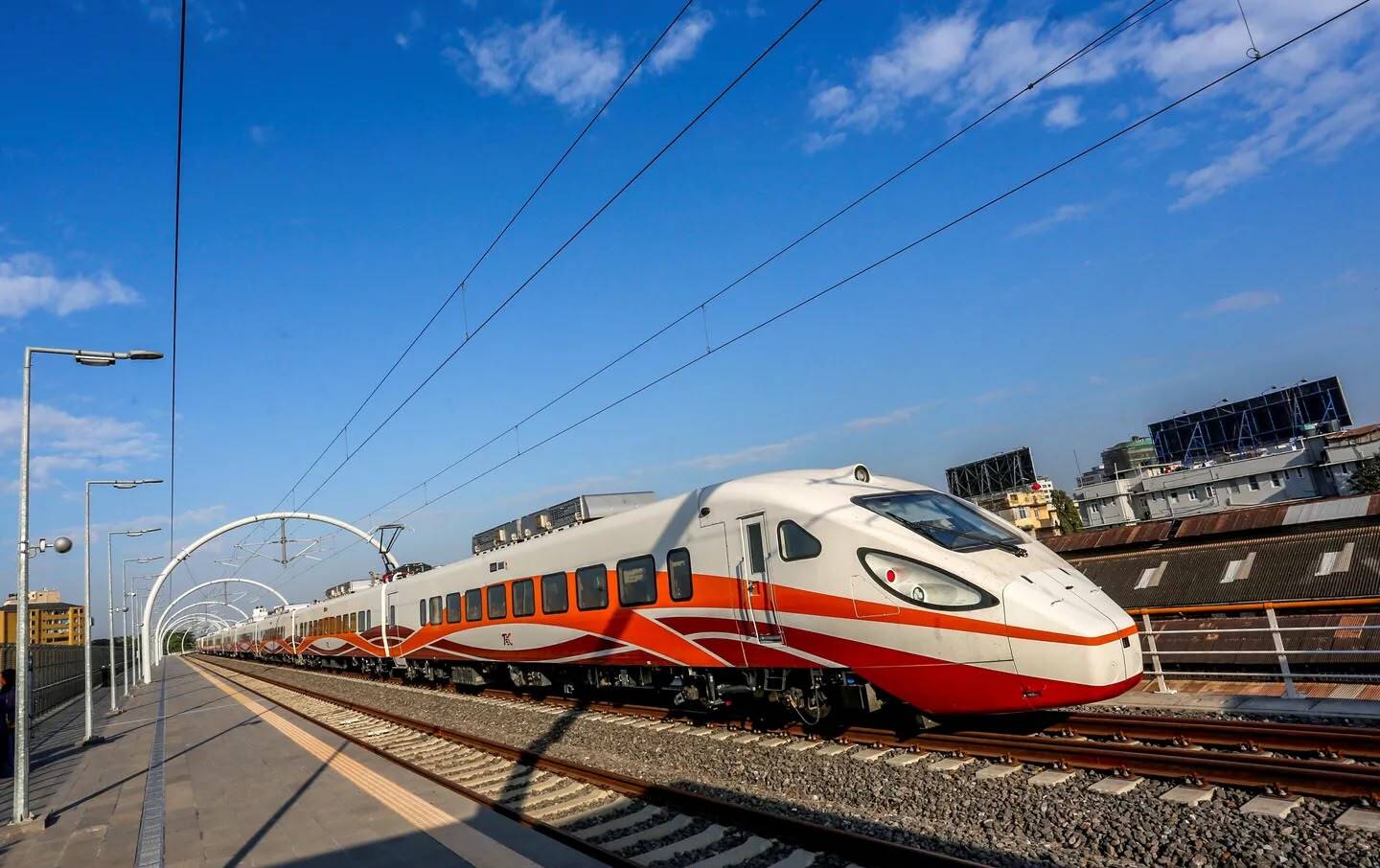
Tanzania and Angola have agreed to connect their Indian Ocean and Atlantic Ocean transport corridors through a railway network spanning Zambia and the Democratic Republic of Congo.
The proposed link could improve access to regional and international markets while strengthening trade integration across Central, Eastern and Southern Africa.
However, its long-term benefits will depend on financing, coordinated infrastructure investment and the environmental sustainability of the planned transport network.
A Railway Connecting Africa’s Two Oceans
Tanzania and Angola have announced plans to link their respective Indian Ocean and Atlantic Ocean transport corridors through a transcontinental railway network, signalling a potentially significant development for African trade, regional integration and infrastructure connectivity.
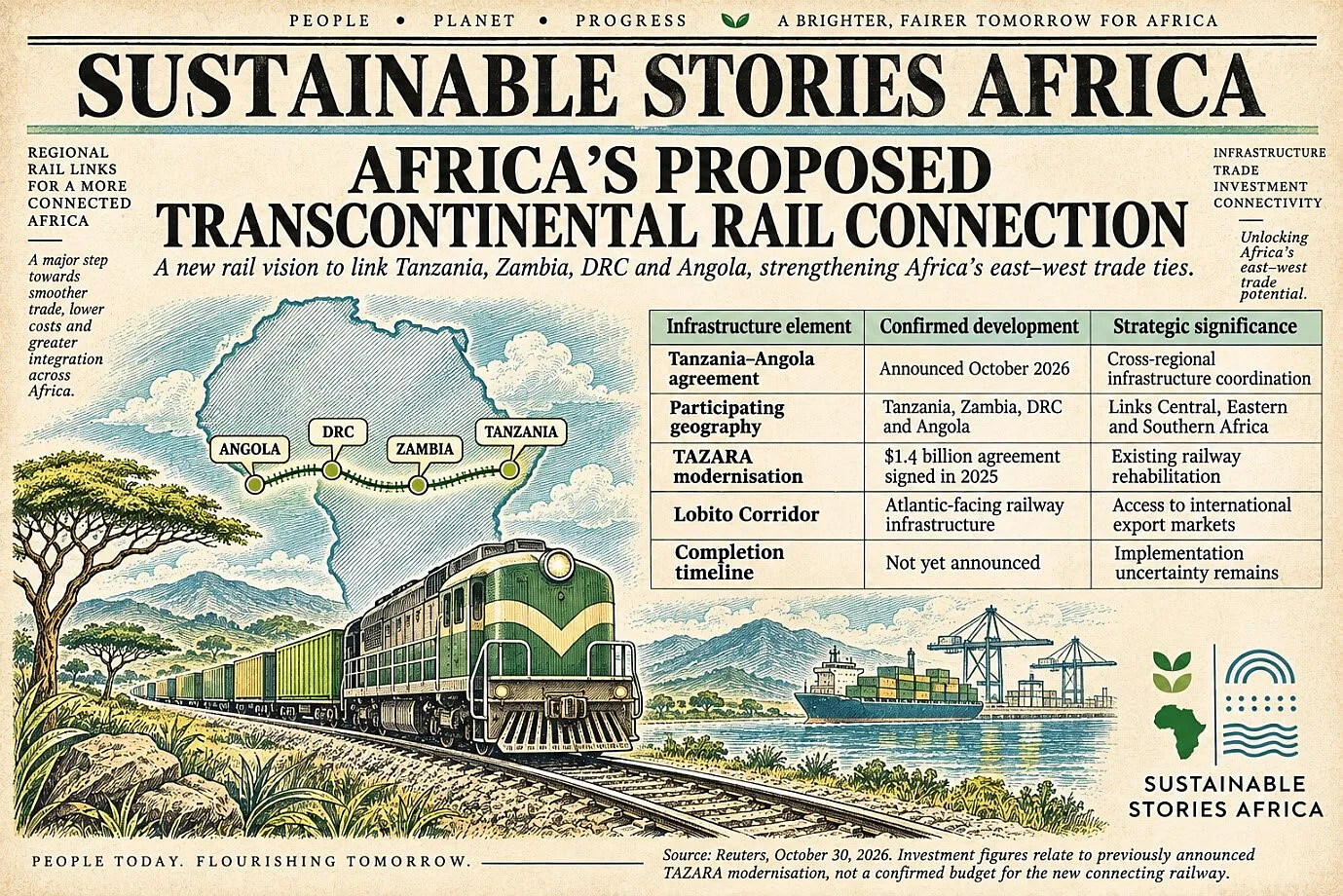
The agreement, announced by Tanzanian President Samia Suluhu Hassan on October 30, 2026, aims to connect the Tanzania-Zambia Railway Authority (TAZARA) network with Angola's Benguela railway through Zambia and the Democratic Republic of Congo (DRC).
The proposed connection would link Tanzania's Dar es Salaam port on the Indian Ocean with Angola's Lobito Corridor on the Atlantic coast, creating a more integrated transport network across mineral-producing and agricultural economies.
Although no completion date has been announced, the initiative reflects growing interest in improving Africa's cross-border logistics systems and reducing transport bottlenecks that constrain regional trade.
Connecting Trade, Minerals and Regional Markets
Africa's transport infrastructure remains fragmented, with many corridors designed historically to move raw materials from inland production centres to export terminals.
The proposed Tanzania–Angola connection could address this structural challenge by linking existing rail infrastructure across 4 countries rather than treating individual national corridors as isolated investments.
TAZARA, originally financed and developed with Chinese financing in the 1970s, provides Zambia with access to Tanzania's coastal transport network.
- In 2025, China signed a $1.4 billion agreement with Tanzania and Zambia to support the railway's modernisation.
Meanwhile, the Lobito Corridor, backed by the United States and European Union, has emerged as an important infrastructure initiative connecting Angola with mineral-producing regions of Zambia and the DRC.
The two initiatives have frequently been viewed as competing routes for international trade.
- Their proposed integration could create opportunities for complementary infrastructure development, although actual interoperability will depend on technical, financial and operational agreements.
Italian construction company Webuild has also reported securing work on a section of the Zambia–Lobito railway corridor, underscoring the increasing involvement of international infrastructure contractors.
Creating Sustainable Economic Opportunities Beyond Mineral Exports
A coordinated transcontinental railway could generate economic opportunities extending beyond copper, cobalt and other mineral exports.
- More reliable freight transport can improve agricultural supply chains, expand access to regional markets and create opportunities for manufacturing businesses that depend on predictable logistics.
- For farmers and small businesses in landlocked regions, efficient rail freight could offer alternatives to lengthy road transportation, reducing exposure to congestion, poor road conditions and unpredictable delivery costs.
Rail infrastructure also presents potential environmental advantages.
- Where rail services efficiently replace diesel-powered heavy-road freight, they can reduce emissions per tonne of cargo transported.
- However, the actual benefits depend on locomotive technology, utilisation, electricity sources and construction impacts.
The planned route could also support Africa's broader ambition under the African Continental Free Trade Area by addressing physical trade barriers.
The opportunity is therefore not simply to build another export corridor, but to create infrastructure that enables African producers to participate more competitively in regional value chains.
Infrastructure Investment Must Deliver Inclusive and Sustainable Growth
Turning the agreement into operational infrastructure will require more than diplomatic cooperation.
- Participating governments must establish financing arrangements, clarify construction responsibilities and develop interoperable railway systems.
- Coordinated customs procedures, transparent freight pricing and effective border administration will also be essential.
Environmental and social impact assessments should address potential ecosystem disruption, land acquisition, community displacement and the protection of vulnerable settlements along proposed routes.
Development finance institutions and private investors can support implementation through long-term financing structures linked to measurable economic, environmental and community outcomes.
Importantly, local businesses and communities should benefit through procurement opportunities, employment, skills development and improved access to transport services.
Path Forward – Building Trade Links That Benefit Communities
The proposed railway connection could strengthen Africa's internal economic integration if governments translate their agreement into a financially viable and environmentally responsible infrastructure programme.
Next priorities are detailed feasibility studies, financing commitments, regional coordination and safeguards that ensure new transport infrastructure benefits African businesses and communities alongside international commodity markets.
Culled from: Tanzania and Angola agree to link ocean corridors by rail | Reuters