A new wave of jobs is emerging across Africa’s green and digital economy.
Employers are seeking skills in renewable energy, data, communications, ESG, finance and operations.
For young professionals, the opportunity is clear: apply early, upskill fast and follow where the economy is moving.
The Jobs Are Changing Fast
Africa’s next jobs story is no longer only about vacancies. It is about skills, timing and readiness.
Across the continent, employers are looking for workers who can support the transition to cleaner energy, stronger digital systems, better governance and more resilient businesses.
From solar technicians and data analysts to ESG officers, communications leads, and project finance associates, the labour market is quietly changing.
The message for job seekers is direct: apply for these jobs; however, you must apply prepared.
This shift matters because Africa’s youth population is growing faster than formal job creation.
Millions of young people are entering the labour market each year, while companies increasingly need skills that were once considered specialised.
Where the Demand Is Rising
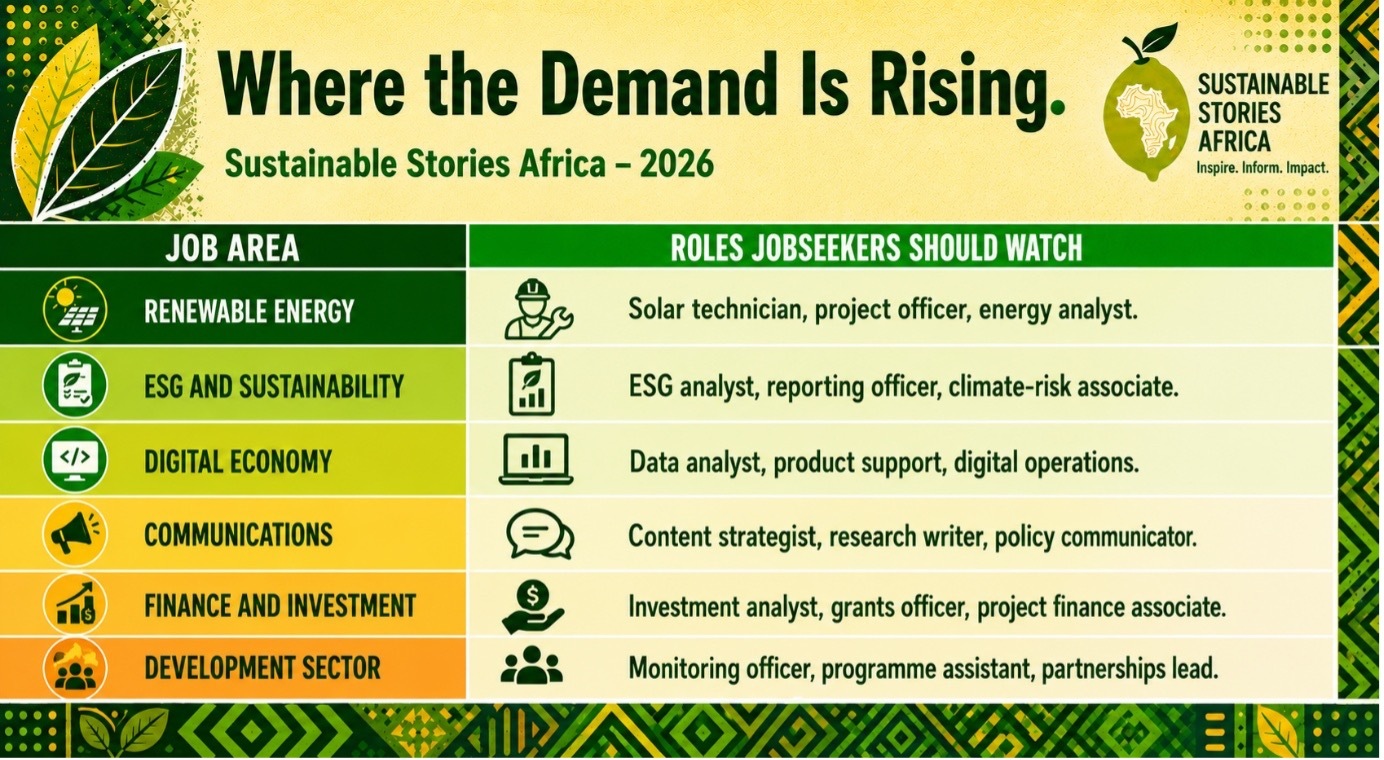
The strongest hiring signals are coming from sectors linked to climate action, technology, infrastructure, financial services and development.
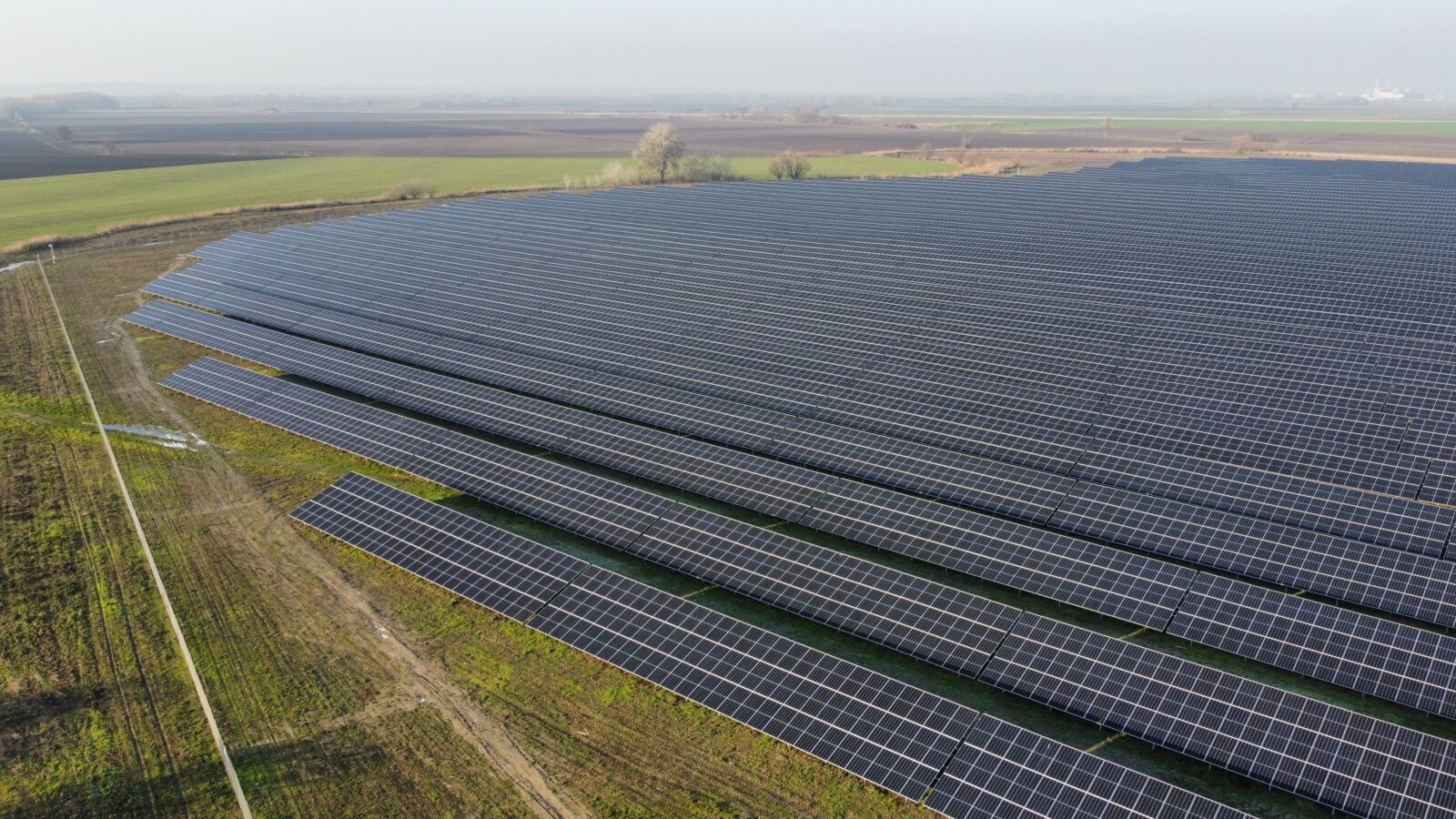
- Renewable energy companies need engineers, installers, sales teams, project managers and operations officers.
- Banks and consulting firms are hiring sustainability analysts, ESG associates and climate-risk professionals.
- Media and communications teams need writers who can translate complex economic and sustainability issues for the public.
- Digital skills are also becoming essential across almost every role.
Even non-technical jobs now require comfort with spreadsheets, dashboards, online collaboration tools, research platforms and data presentation.
For a graduate in Lagos, Nairobi or Accra, the opportunity may not look like the traditional corporate ladder.
It may be a fellowship, a project role, a remote contract, a clean-energy startup opening, or a development programme with a tight application deadline.
That is why application discipline matters. The best candidates are not always the most qualified on paper.
Often, they are the ones who understand the role, tailor their CVs, provide evidence of work and apply before the window closes.
Better Skills Can Unlock Better Work
The upside is significant.
If young Africans align their skills with market demand, they can move closer to better-paid, more meaningful and more resilient careers.
- A role in solar can lead to a career in energy project management.
- A writing role can become climate communications.
- A finance role can evolve into a sustainable investment.
- A data role can open doors across banking, health, agriculture and public policy.
On the other hand;
- For employers, stronger talent pipelines mean faster execution.
- For economies, better skills mean more productive work, stronger enterprises and less dependence on informal survival jobs.
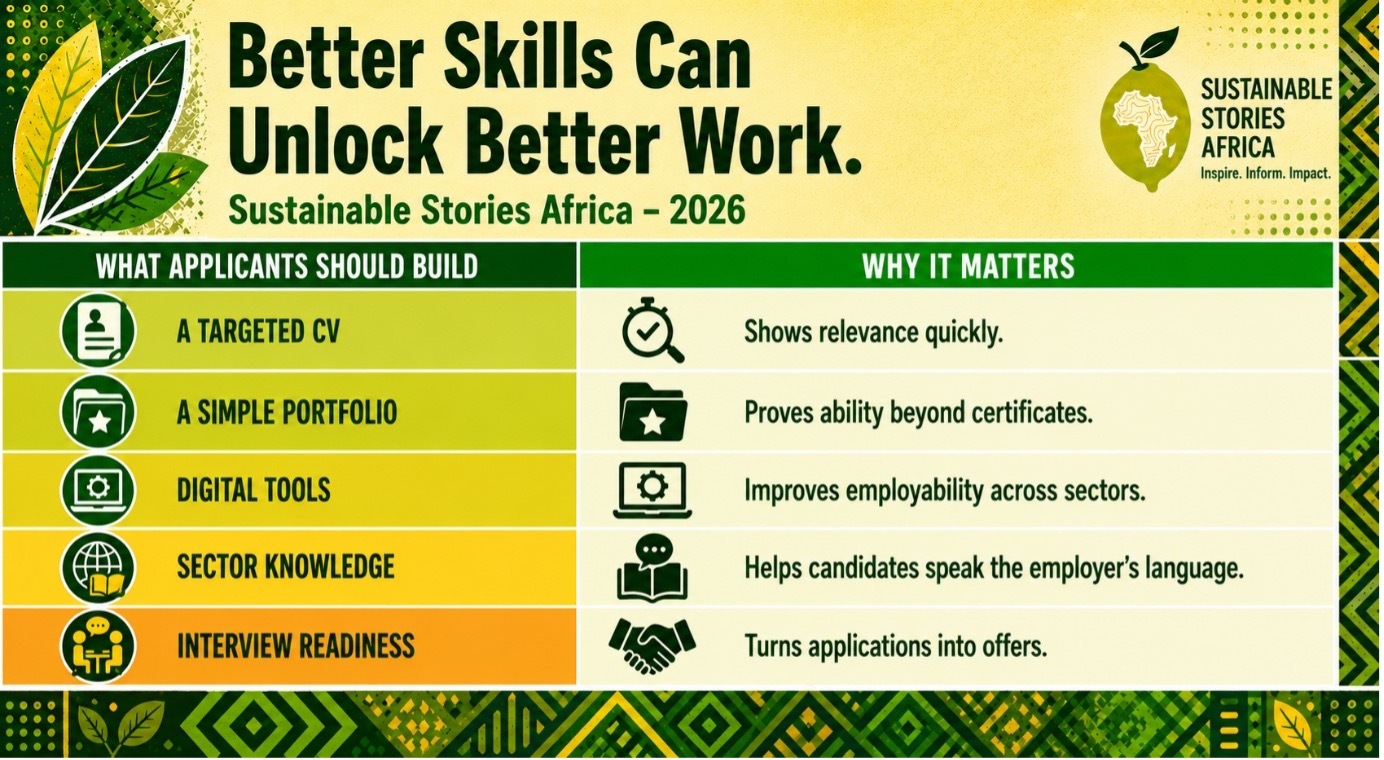
However, there is a warning. Job seekers who wait for perfect conditions may miss the market.
The new economy rewards people who learn continuously, document their work and apply consistently.
A candidate may not need ten certifications. Sometimes, one strong CV, two relevant samples and a clear understanding of the company’s mission can make the difference.
Apply Early, Learn Fast, Stay Visible
Jobseekers should treat applications as a strategy, not an emergency response.
- The first step is to identify roles aligned with current skills and growth interests.
- The second is to tailor each application. Generic CVs are easy to ignore. Specific CVs show effort, judgement and fit.
Applicants should also build visibility.
- Share short insights on LinkedIn.
- Publish a sample article.
- Create a simple data dashboard. Volunteer on a project.
- Document field experience.
- Employers increasingly want proof that candidates can think, communicate and deliver.
Universities, training providers and policymakers also have work to do.
- They must connect learning to labour market demand, especially in clean energy, data, communications, agriculture, health, finance and sustainability.
Employers should make entry-level opportunities clearer and reduce unrealistic requirements for young candidates.
Development partners should fund practical training that leads to real work, not only certificates.
The jobs are emerging. The bigger question is whether Africa’s talent systems can prepare people fast enough to take them.
Path Forward – Turn Skills Into Real Opportunities
Africa needs a stronger bridge between training, hiring and enterprise growth.
Job seekers should apply with focus, employers should hire for potential, and institutions should build practical pathways into green, digital and sustainability-linked careers.
Culled From: Apply for these Jobs