Africa’s continental free-trade framework could help green businesses reach larger markets and create work across manufacturing, installation, maintenance and digital services.
However, tariff preferences alone will not deliver that dividend.
An APRI policy paper argues for linking trade reform with skills, infrastructure, finance and Indigenous knowledge, while recognising that employment gains depend on the transition pathway countries actually implement.
Trade Integration Needs A Jobs Strategy
Africa can use the African Continental Free Trade Area to expand green livelihoods, but the result depends on whether firms and workers can move from policy opportunity to commercially viable activity.
- Market access needs to be matched by reliable power, recognised qualifications and finance.
That argument runs through Teniola T. Tayo’s APRI policy paper, Sustainable Progress: The AfCFTA and Green Job Opportunities in Africa, published on 27 October 2025.
- This article revisits its evidence for the 29 October 2026 edition; it does not present the paper as newly published.
The paper links renewable energy with a wider green economy spanning resource management, waste, agriculture and services.
- Its most useful message is that Africa’s transition should generate regional productive capacity, rather than expand the market for imported equipment.
A Small Trade Share Signals Opportunity
For a selected basket of green goods;
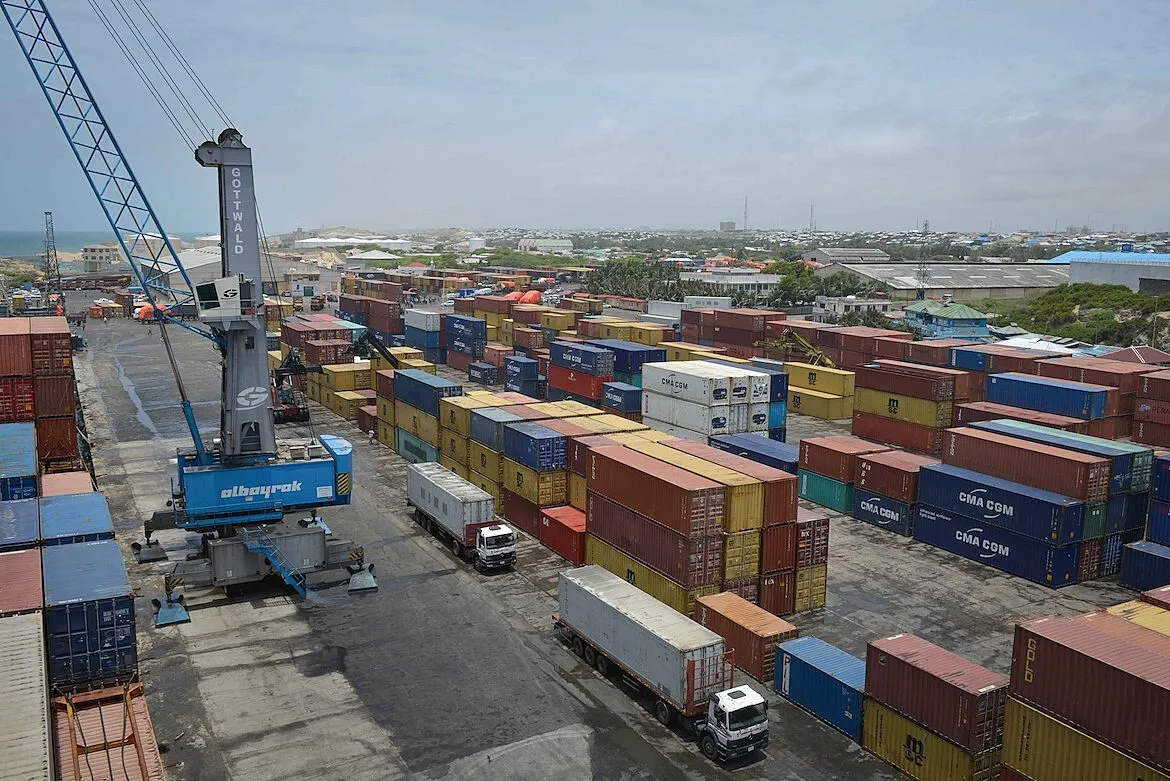
- Tayo reports that intra-African exports represented only 2.04% of African imports worth $2.931 billion in 2023.
- In 2024, that share rose to 3.47% of imports worth $2.278 billion.
These are basket-specific figures, not the value of all African green-technology trade.
The comparison points to a regional supply opportunity, but it does not prove that every imported item should be manufactured locally.
A commercially credible localisation strategy must consider input costs, power reliability, technology access, production scale and buyers' requirements.
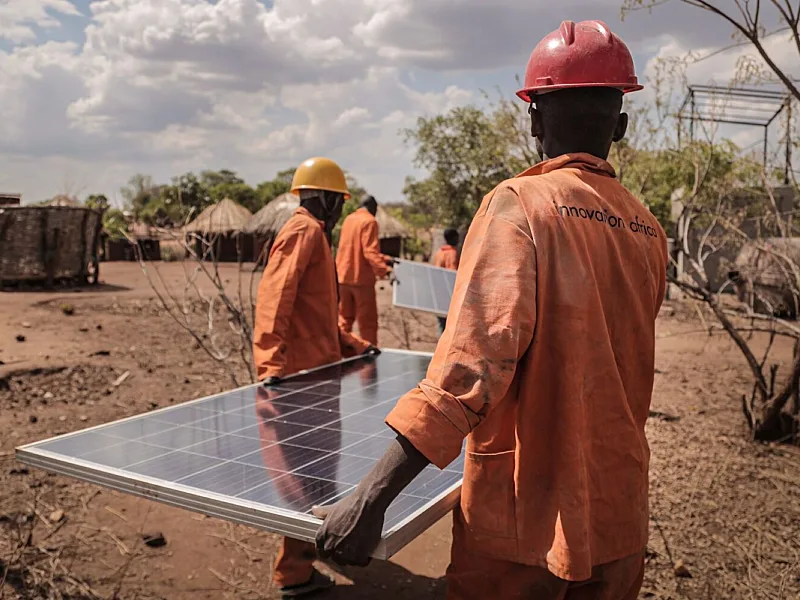
- For a young engineer establishing a solar-maintenance business, the immediate opportunity may lie in services rather than module manufacturing.
- For a component supplier, regional demand may make investment more attractive than a fragmented set of small national markets.
The policy challenge is to identify where firms can compete and remove the obstacles that prevent them from doing so.
Jobs Projections Need Their Scenario Labels
The paper cites an IRENA-aligned 1.5°C scenario in which renewable-energy employment in Africa reaches about four million by 2030 and eight million by 2050, compared with roughly 350,000 in 2020.
- These are scenario outcomes associated with stronger policies and investment, not jobs already created or guaranteed by the AfCFTA.
The distinction is fundamental.
- Trade liberalisation can enlarge a market, but it cannot by itself ensure that training matches employers’ needs, that investment reaches production, or that workers leaving carbon-intensive activities move directly into new occupations.
Tayo’s paper identifies opportunities in engineering, consulting, finance, software, installation, research, and in the production of physical goods.
- It also discusses different ways services cross borders, including remote supply and the movement of professionals.
That wider perspective matters because the employment footprints of a clean-energy system extend beyond its factory gate.
- Quality assurance, distribution, maintenance and customer support can provide durable activity when firms have access to skills and predictable rules.
The job counts that matter are therefore not only gross recruitment.
- Policymakers should examine duration, wages, safety, inclusion and whether workers acquire transferable capabilities.
- A short construction contract and a sustained technical career are both employment, but they do not offer the same livelihood security.

Regional Services Can Spread Local Value
Tayo highlights Gennex Technologies’ solar academy in Lagos as an example of training with regional reach.
- Participants from elsewhere in West Africa travel to Nigeria for instruction, and some have helped establish solar-product distribution networks in their home markets.
- The example shows how educational services can contribute to regional value chains.
Mutual recognition of appropriate professional qualifications could make such skills more portable.
- Harmonised technical standards could help firms sell compliant equipment and services across markets without duplicating every assessment.
- Neither measure should mean lowering safety or competence requirements.
The paper also argues for incorporating Indigenous green technologies, including water harvesting, natural building methods and traditional food preservation.
- These practices can broaden the definition of innovation and create opportunities outside major industrial centres.
- Their relevance should be evaluated against local needs and evidence of performance.
Community knowledge should not become an unprotected input into someone else’s business model.
- Programmes should recognise its custodians, establish consent and ensure fair participation in value creation.
- Regional trade can support these enterprises without requiring every solution to resemble a capital-intensive imported technology.
The broader opportunity is an economy in which rural innovators, technicians, digital entrepreneurs and manufacturers participate in connected markets.
- This requires deliberate design: larger markets can otherwise concentrate gains among the firms already best equipped to trade.
The electricity link is particularly important.
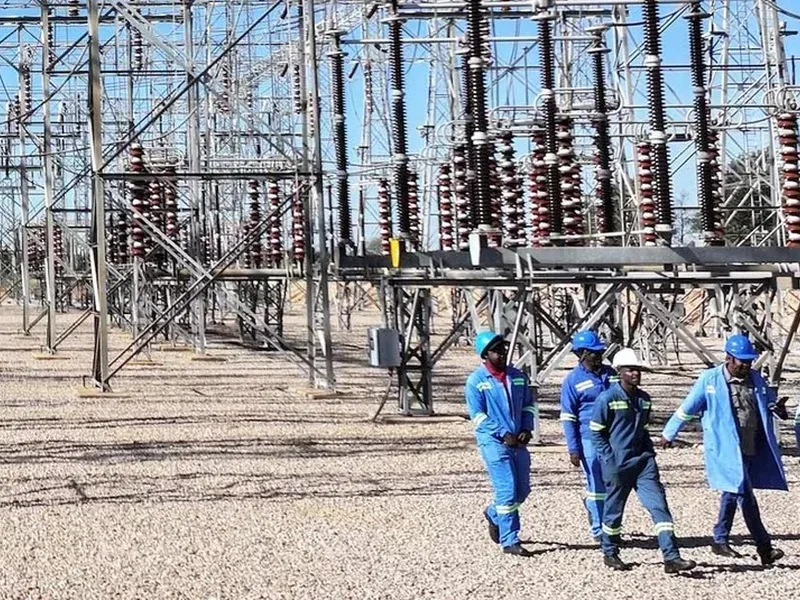
Tayo reports intra-African electricity imports worth $1.93 billion in 2022, using Trade Map data.
- That is a historical trade value, not a measure of physical capacity or a forecast of future clean-power exports.
- It illustrates that regional energy exchange already forms part of the economic landscape the AfCFTA seeks to deepen.
A regional green enterprise strategy can build on such interdependence.
- Training providers, engineering firms and maintenance businesses may serve projects across several markets when procurement rules and professional requirements are predictable.
- The opportunity is to retain more of the service value associated with infrastructure, even where some hardware continues to be imported.
Public agencies should make smaller firms’ participation commercially practical.
- Requirements for experience, insurance and working capital should reflect the contract’s real risks rather than automatically reproduce terms designed for much larger companies.
- Prompt payment and transparent tender information can matter as much as a nominal preference for local suppliers.
This approach treats entrepreneurship as a business proposition, not simply a youth-employment slogan.
Firms need paying customers and repeat demand if new skills are to become durable livelihoods.
Join Trade Reform With Industrial Delivery
Governments should begin with a limited number of viable regional value chains and map their real constraints.
- For renewable equipment, these may include customs delays, inconsistent certification, working-capital shortages or unreliable industrial electricity.
- The appropriate policy depends on the constraint, not on a general preference for incentives.
Tayo recommends investment facilitation, skills development, improved trade infrastructure and support for youth-led businesses.
The paper also identifies mutual recognition arrangements and platforms for cross-border green services as practical priorities.
- Training institutions should work with employers to update curricula and publish placement outcomes.
- Financiers should assess the demand and cash-flow prospects of smaller service businesses as well as large manufacturing projects.
- Public procurement can support market development when quality requirements, payment terms and competition are clear.
Trade authorities need compatible customs classifications and more consistent data.
- The paper itself notes that varying definitions make green-technology trade difficult to measure.
- An employment strategy built on incomparable categories risks rewarding activity that looks green without demonstrating environmental or livelihood benefits.
Governments should also test whether proposed incentives create additional capability or merely subsidise existing imports.
- Time limits, performance conditions and public reporting can help distinguish productive support from permanent protection.
Finally, transition planning must include workers at risk of displacement.
- Skills funding should be linked to plausible vacancies and local economic opportunities, with support for affected communities.
AfCFTA’s role is to amplify a coherent development strategy, not substitute for one.
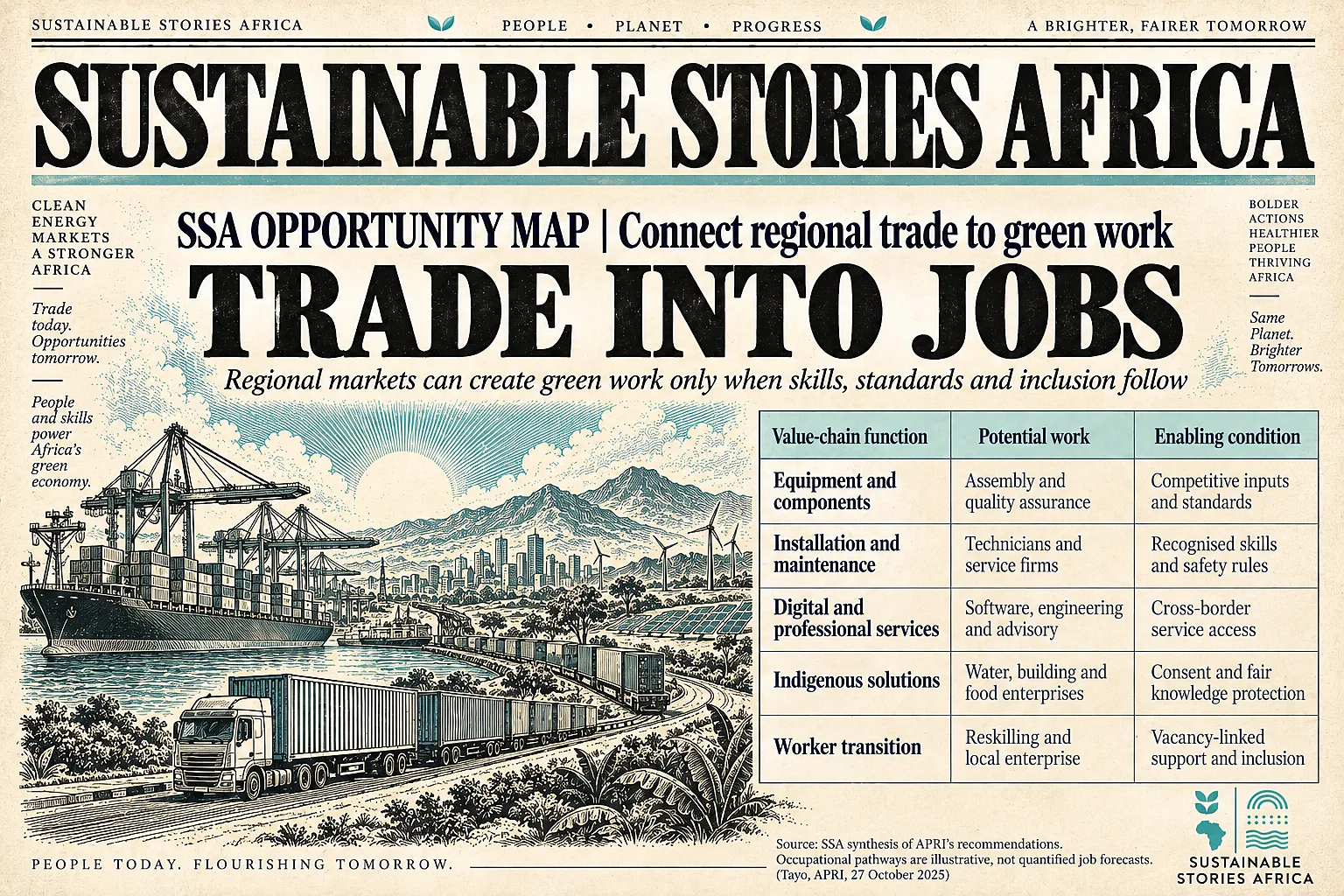
Path Forward – Turn Regional Markets Into Durable Livelihoods
AfCFTA implementation should link selected green value chains with reliable infrastructure, recognised skills, accessible finance and measurable employment standards.
Support for Indigenous innovation should protect community participation and knowledge.
The test is not how many green sectors appear in a policy document.
It is whether African firms become more competitive and workers gain safe, lasting and fairly rewarded opportunities.