Nigeria’s economic ambitions and emissions commitments cannot be delivered through separate planning systems.
Industrial growth, electricity access and climate resilience compete for the same capital, institutions and infrastructure.
An APRI analysis argues for aligning budgets and investment decisions.
The central test is whether projects improve productivity while remaining consistent with the country’s absolute emissions targets and protecting households from transition costs.
One Economy Needs Joined-Up Delivery
Nigeria needs a common delivery framework for economic expansion and climate action, rather than parallel targets assessed in isolation.
- New industrial assets, energy networks and public budgets will determine whether development raises living standards without locking the country into avoidable emissions.
The APRI paper, Where are we heading: Can Nigeria achieve economic and climate targets simultaneously?, by David O. Omata, examines this coordination challenge.
- It places the $1 trillion GDP ambition alongside Nigeria’s NDC 3.0 commitments and the roles of economic, climate and transition institutions.
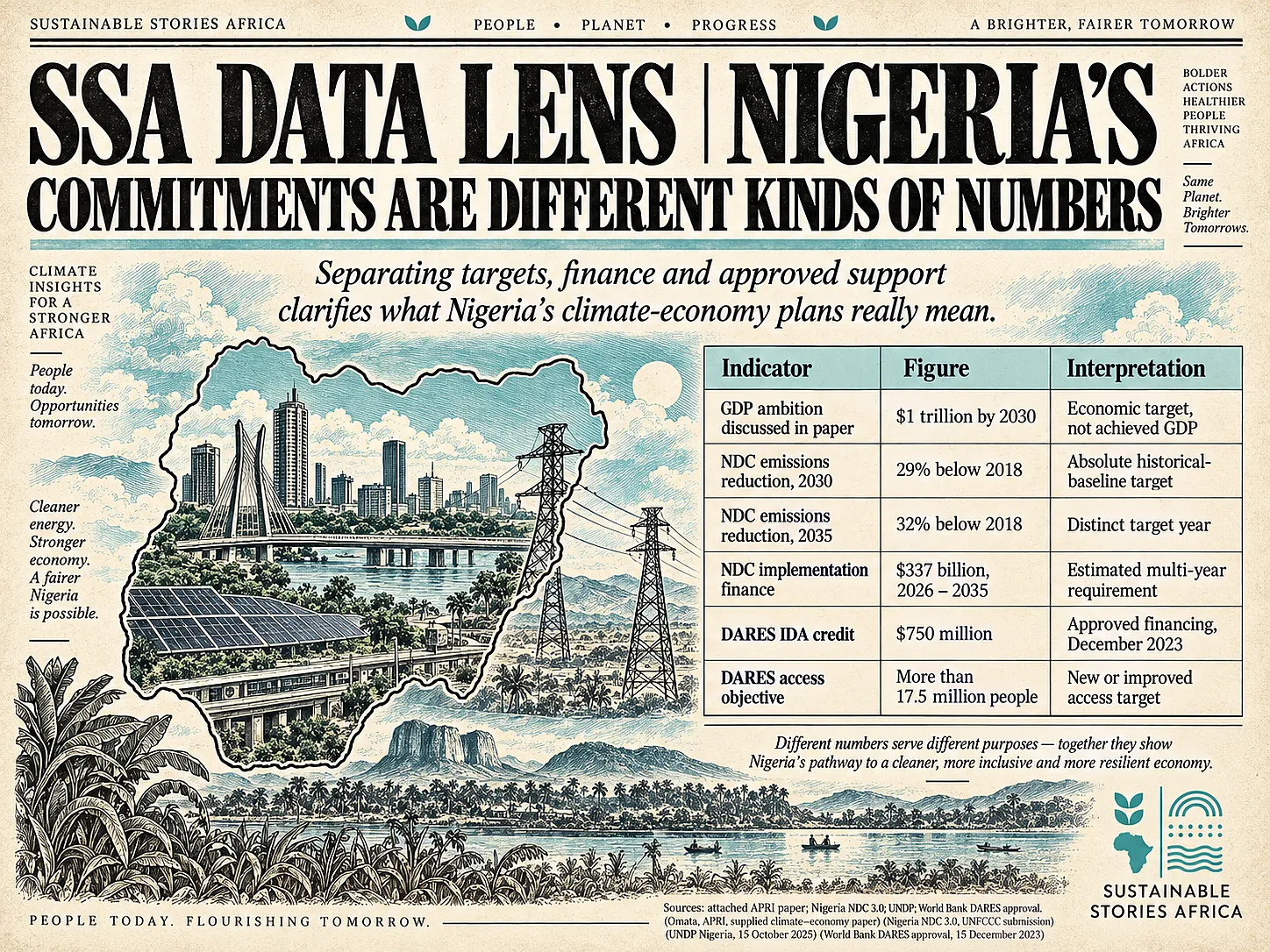
The emissions targets themselves are clear: Nigeria commits to reductions of 29% by 2030 and 32% by 2035 against 2018 levels.
These are absolute reductions from a historical baseline, not merely improvements relative to a hypothetical growth pathway.
Ambitious Targets Share The Same Infrastructure
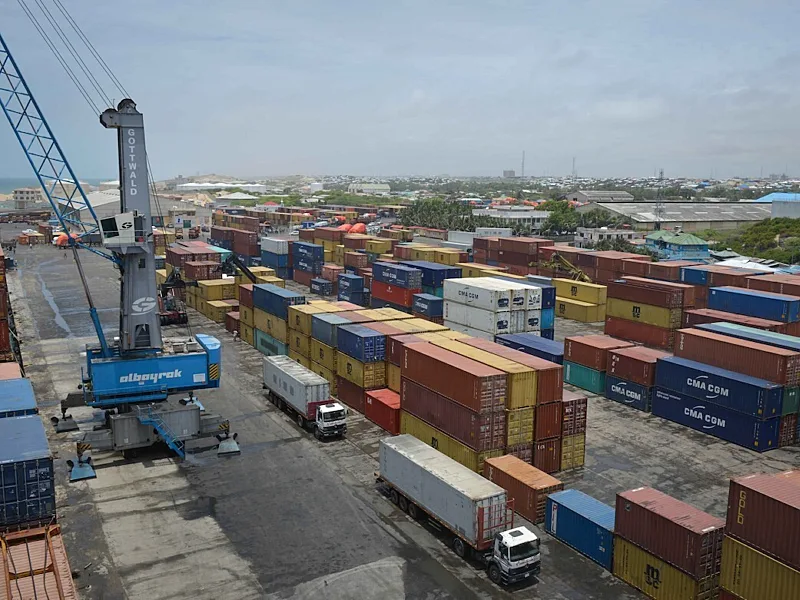
An industrial expansion strategy needs dependable electricity, transport and materials.
- A climate strategy needs cleaner technologies, efficient assets and resilience to physical shocks.
- These objectives can reinforce each other, but only if investment decisions recognise both from the beginning.
Omata’s paper identifies the Federal Ministry of Budget and Economic Planning, the National Council on Climate Change and the Energy Transition Office as central actors.
- Their mandates differ, creating a need for aligned indicators and coordinated implementation rather than assuming institutional proximity guarantees delivery.
The practical risk is sequencing.
- A factory designed around inefficient processes can operate for decades.
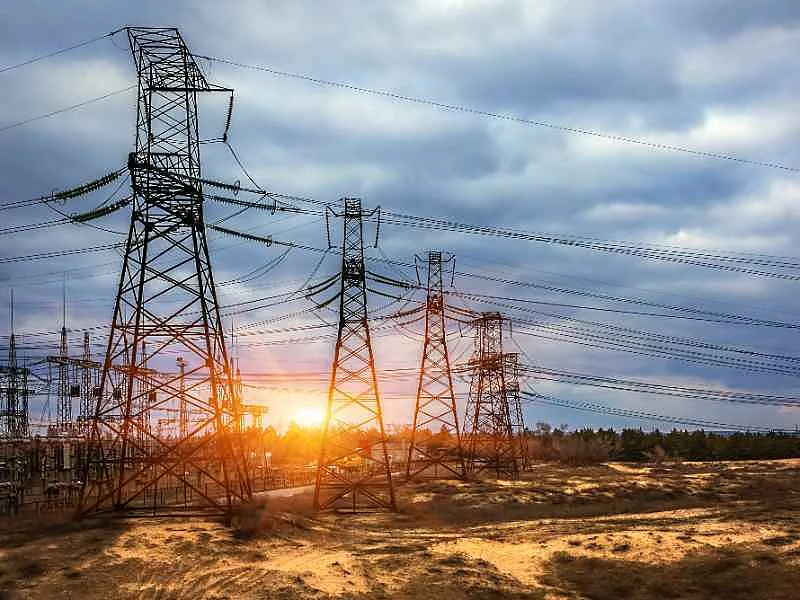
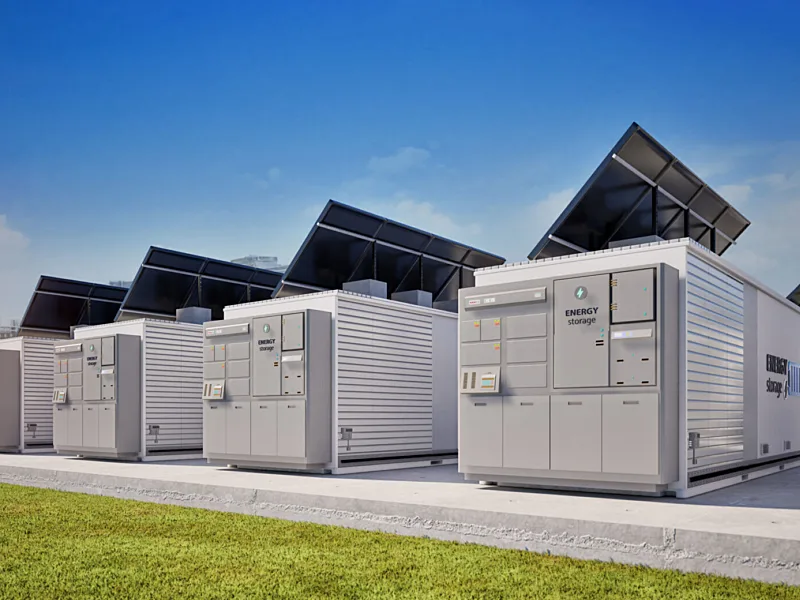
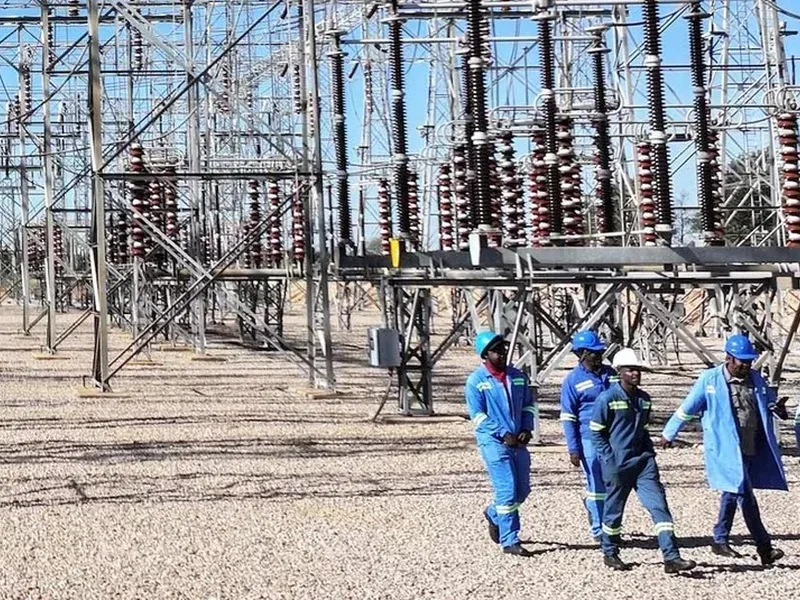
- A power network built without accounting for distributed generation can become expensive to adapt.
- A budget that funds expansion without maintenance may add assets while weakening actual service.
Nigeria’s challenge is therefore not a philosophical choice between growth and climate action.
- It is how to select, finance and operate the infrastructure that supports growth under an increasingly explicit carbon constraint.
Finance Figures Need Comparable Time Horizons
Nigeria estimates that delivering NDC 3.0 will require about $337 billion between 2026 and 2035, according to UNDP’s account of the submission.
- That is a multi-year implementation requirement, not annual expenditure already secured.
The analysis also discusses historic climate-finance flows and an annual financing gap.
- These figures should not be subtracted mechanically from the NDC total: their reference periods, sector coverage and methodologies differ.
- The useful policy question is which priority investments lack suitable financing and why.
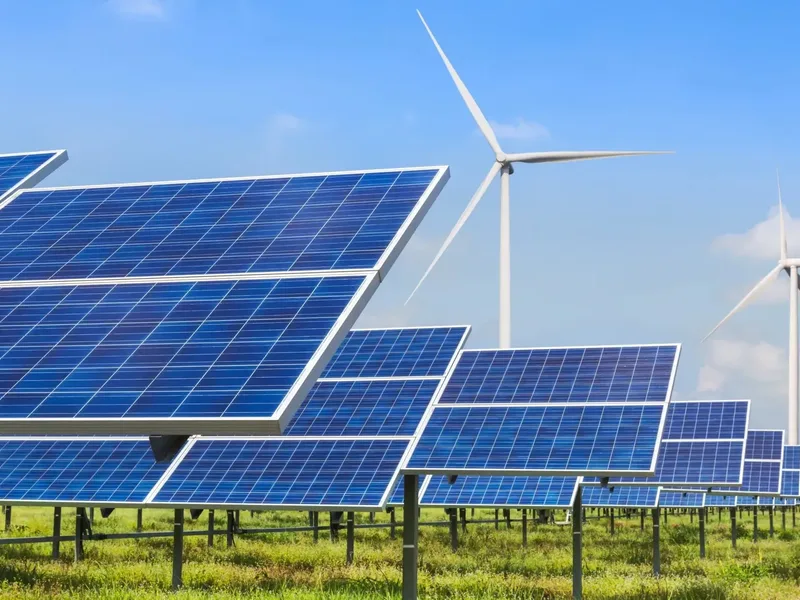
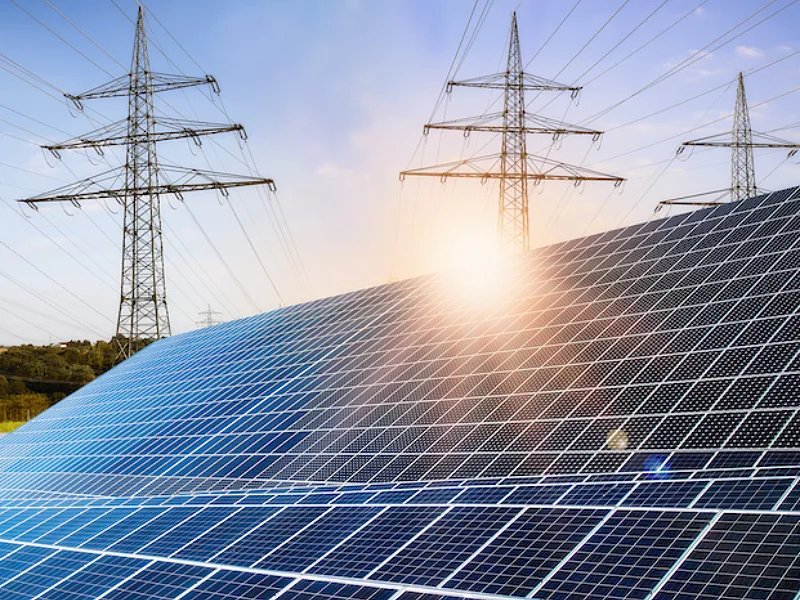
Distributed electricity offers one concrete interface between access and mitigation.
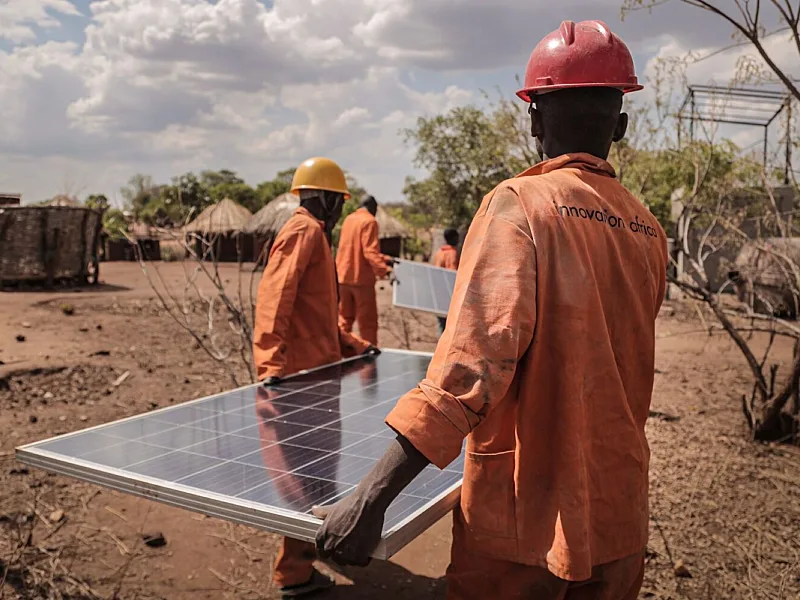
- The World Bank approved the $750 million DARES credit in December 2023, targeting new or improved electricity access for more than 17.5 million Nigerians through distributed renewable solutions.
- Its announcement also envisaged mobilising over $1 billion in private capital.
These are programme objectives, not confirmation that all intended beneficiaries have been reached.
- DARES should also be distinguished from Mission 300, the wider African access initiative discussed in the paper.
- DARES predates that initiative and can contribute to its objectives; it was not newly created by it.
These distinctions protect the story from a familiar policy-reporting problem: counting financing announcements as disbursements, projected beneficiaries as delivered services and overlapping initiatives as separate achievements.
Cleaner Services Can Support Productive Growth
The strongest synergies emerge where better energy services directly improve economic activity.
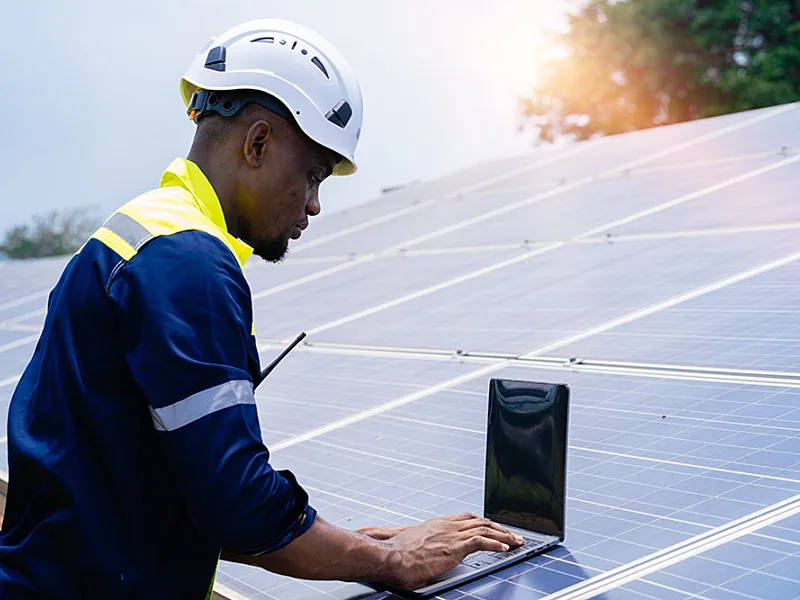
- Reliable power can support cold storage, processing, digital services and small businesses.
- Cleaner and more efficient equipment can reduce exposure to fuel costs while avoiding part of the emissions associated with expansion.
The analysis links distributed renewables to community-level productivity and identifies transition employment as a potential benefit.
- These opportunities need delivery conditions: affordable finance, functioning equipment, maintenance capacity and demand sufficient to support viable operations.
- A connection without useful service is an incomplete development outcome.
Industrial decarbonisation also requires technology-specific analysis.
- High-temperature processes cannot be assessed through a simple claim that renewables either solve everything immediately or are inherently unsuitable.
- Electricity, efficiency, material choices, process redesign and appropriate fuels have different roles across facilities.
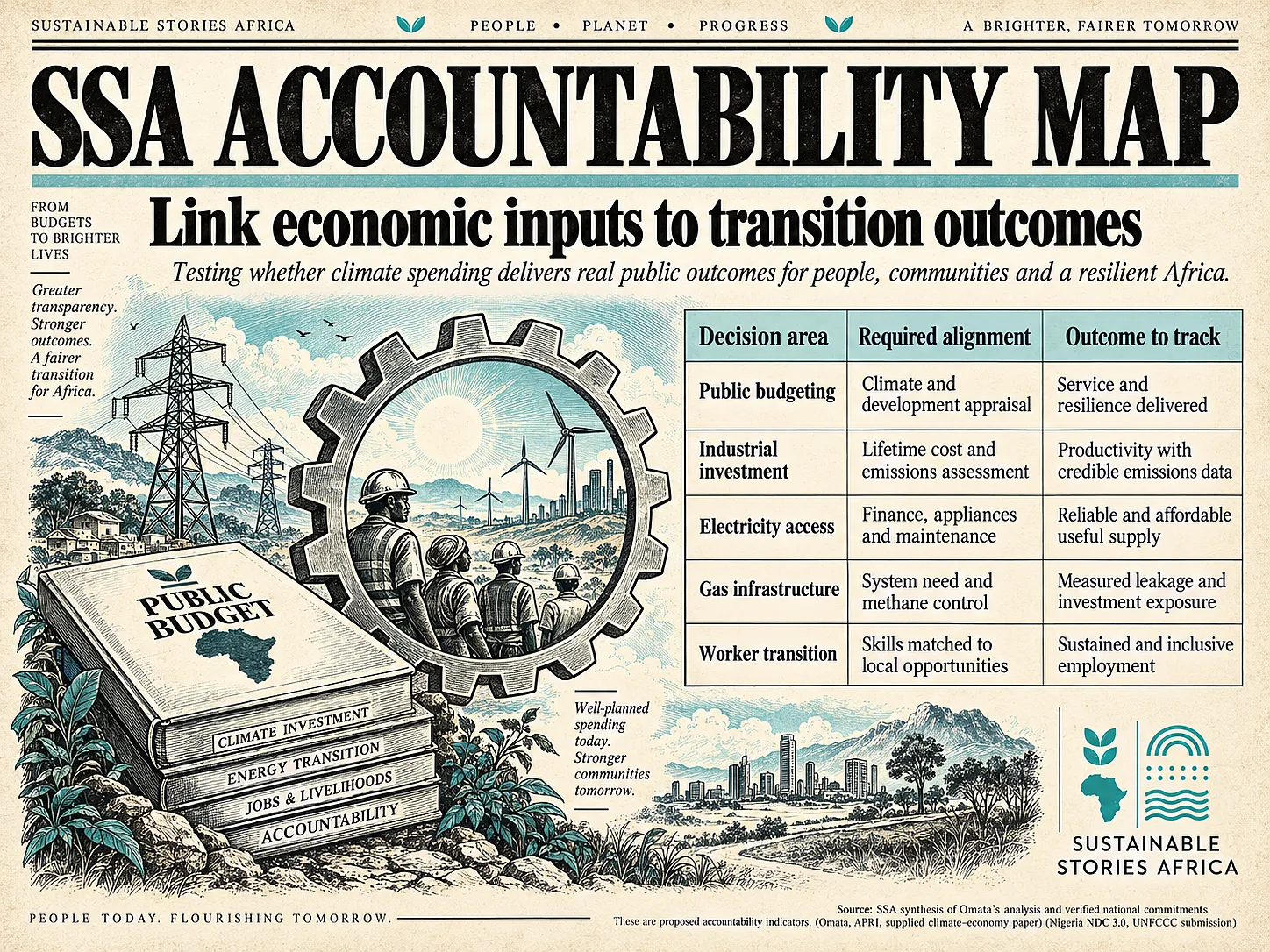
A credible strategy would assess the lifetime cost and emissions of each major investment, including the risk that an asset becomes uncompetitive before its financing is repaid.
- Climate resilience should be included as well: flood exposure, water availability and heat can affect the reliability of economic infrastructure.
The social dimension is equally important.
- Employment gains in new sectors do not automatically compensate workers or communities facing losses elsewhere.
- Transition policy needs practical reskilling and local economic support, not just a national net-jobs narrative.
The absolute emissions framework changes the meaning of success.
- An economy can become less emissions-intensive while total emissions still rise.
- Nigeria’s historical-baseline commitments require attention to the total as well as the emissions associated with each unit of output.
That does not mean every new enterprise must offset its footprint independently.
- It means sector plans need to fit within a coherent national pathway, with transparent assumptions about where reductions and growth occur.
- Efficiency gains in one area should not be counted as sufficient if another source expands beyond the planned trajectory.
Economic targets also require careful presentation.
- A dollar-denominated GDP ambition is affected by prices, exchange rates and national accounting as well as real productive activity.
- This article therefore treats the $1 trillion figure as a policy ambition in the supplied analysis, not as proof of a particular future growth rate.
The shared objective should be improvements citizens can recognise: reliable electricity, productive employment and infrastructure that remains useful under changing climate conditions.
These outcomes give coordination a practical purpose beyond reconciling official documents.
Connect Budget Decisions To Measurable Outcomes
Nigeria should make climate and economic appraisal part of the same project-selection process.
- Budget proposals should identify development benefits, expected emissions effects, resilience requirements and financing risks.
- Climate budget tagging can improve visibility, but a label is not proof of impact.
Omata recommends clearer climate-finance investment windows, stronger local-currency credit enhancement, industrial performance standards and carbon indicators in ministry dashboards.
- These are proposals in the paper, not completed reforms established by this article.
A practical dashboard should distinguish inputs from outcomes.
- Spending, installed capacity and training places are inputs or intermediate measures.
- Reliable service, productive use, verified emissions reductions and sustained employment show whether the intervention is working.
Gas-related decisions require explicit boundaries.
- The analysis discusses natural gas as a transition fuel while acknowledging methane risks, carbon lock-in and possible stranded assets.
- Projects should be assessed against alternatives and system needs rather than receiving automatic approval or rejection based on a transition label.
Where gas is used, methane measurement and enforcement are necessary; they do not turn fossil combustion into a zero-emissions activity.
- Public finance should disclose the duration of commitments and the circumstances under which taxpayers carry additional risk.
Finally, coordination needs an operational mechanism: named responsibilities, shared data, scheduled reviews and authority to resolve inconsistent plans.
- Without those arrangements, one institution can report growth progress while another records an expanding emissions challenge.
- Joint delivery requires a common decision process, not another layer of aspirational targets.
Path Forward – Make Every Development Investment Climate Accountable
Nigeria should align economic planning, climate governance and energy-transition implementation through shared project appraisal, transparent budgets and outcome-based reporting.
Access investments must deliver useful services, while industrial projects need credible lifetime emissions and resilience assessments.
The objective is productive growth within a clear national climate framework.
That requires financing and institutional discipline, not a choice between prosperity and environmental responsibility.