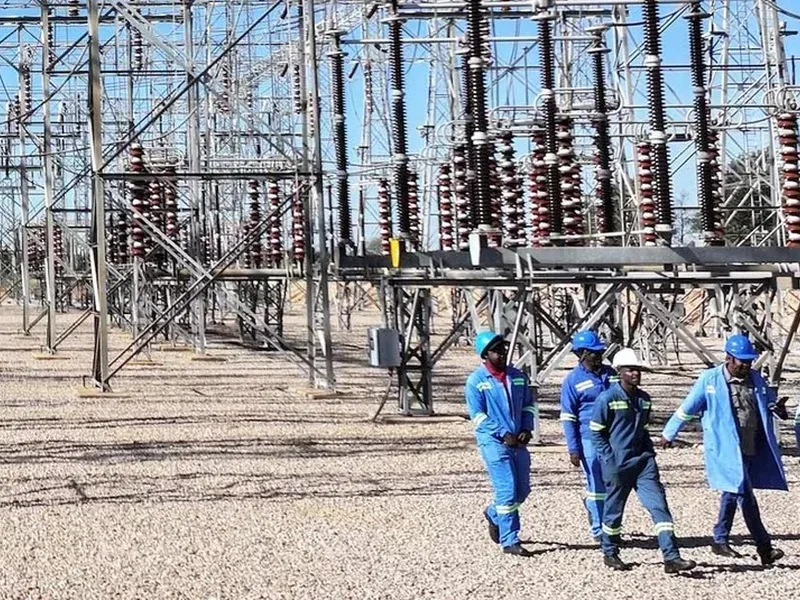
Africa’s climate debate cannot end with a choice between development and decarbonisation.
Clean Air Task Force’s 2026 strategy argues for a broader portfolio of solutions, connected through policies, infrastructure and investment that reflect local realities.
For African markets, the challenge is practical: cut avoidable pollution now while building the reliable energy systems that businesses, communities and future industries need.
Africa Needs Systems That Deliver Progress
Africa’s energy transition will succeed only if it expands economic opportunity while reducing harmful emissions.
That is the central African implication of CATF Forward, Clean Air Task Force’s 2026 strategy document, which places pollution prevention, clean power and the transformation of complex economic systems within one framework. (CATF Forward, 2026)
The organisation argues that climate strategies must contend with fiscal constraints, fragmented markets and rising energy demand rather than assume these pressures will disappear.
- Its African agenda links electricity access and market development with local innovation, institutional capacity and methane reduction.
For policymakers and investors, this reframes the question.
- The priority is not simply which technology attracts the strongest advocacy, but which combination can deliver affordable, reliable services, measurable emissions reductions and durable economic benefits in a particular market.
More Climate Options Can Reduce Risk
“There is no single solution to address climate change,” CATF states.
- Its argument is not that every technology belongs in every country.
- It is that restricting the available solutions too early can increase dependence on pathways that may prove difficult to finance, scale or integrate.
That distinction matters for Africa.
- A technology portfolio should widen the field of credible choices without becoming a shopping list of expensive projects.
- National authorities still need to assess resource availability, grid conditions, delivery timelines, technical capabilities and the cost borne by consumers.
CATF describes its approach through three principles:
- More options
- Integrated solutions
- Innovation for the future.
The development test is whether these principles help countries meet real energy needs rather than merely expand the number of technologies appearing in national plans.
Pollution Cuts Must Support Energy Expansion
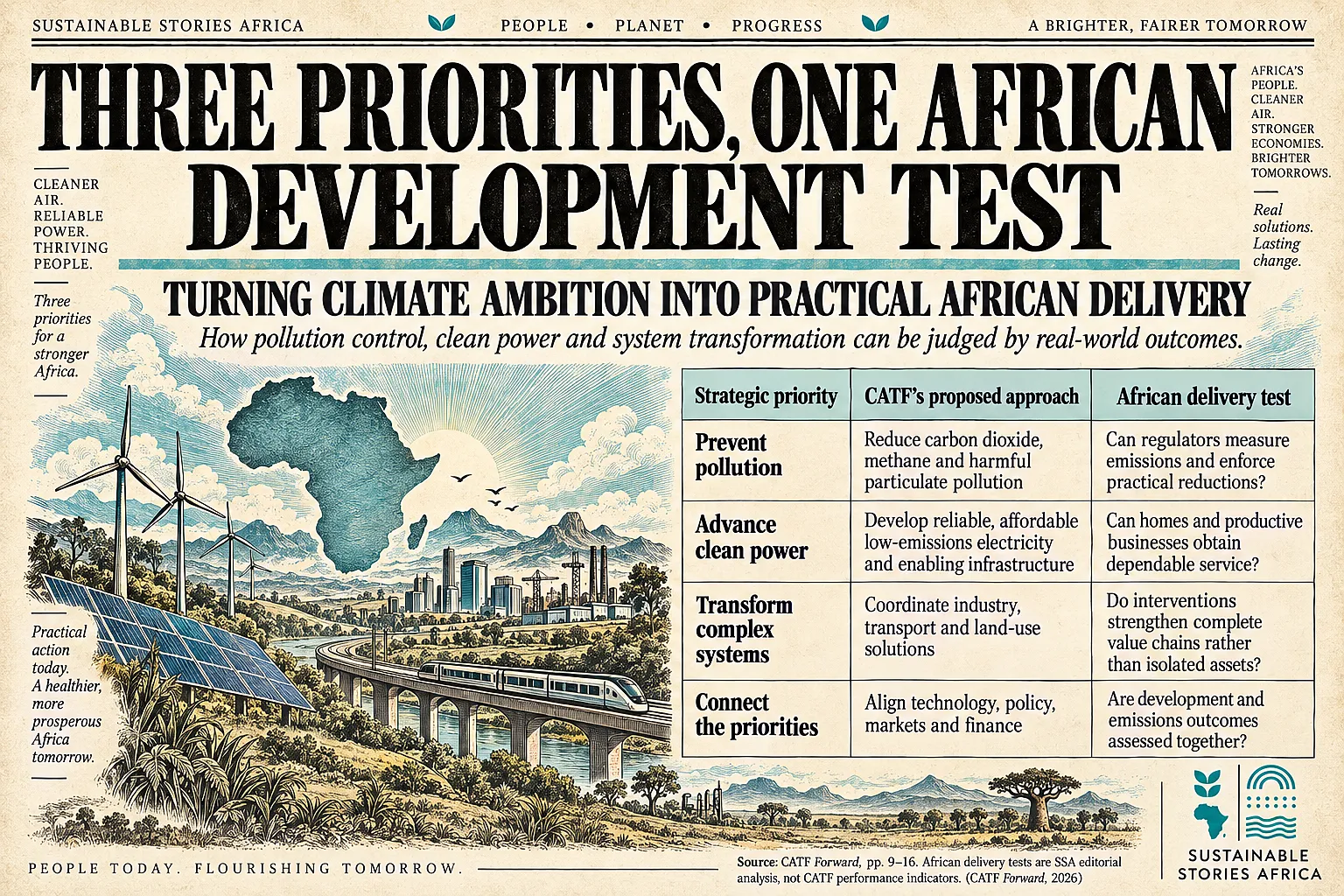
CATF’s first priority offers a near-term entry point: reduce pollution from systems already operating.
- Its strategy identifies energy, waste and agriculture as sectors where technical evidence, regulation and implementation can work together to address overlooked emissions.
The organisation reports that it helped initiate the Global Methane Pledge, under which more than 150 countries have committed to a collective reduction of at least 30% in global methane emissions by 2030 from 2020 levels.
- The pledge is a commitment, not evidence that the reduction has already occurred.
In Africa, CATF says its support contributed to the continent’s first oil-and-gas methane regulations in 2022.
- The wider lesson is institutional: a rule becomes valuable when monitoring, technical capacity and enforcement turn it into operating practice.
Its second priority tackles a different timescale.
- The strategy calls for abundant clean electricity capable of supporting rising demand from development, industrial growth and electrification.
- It emphasises technologies and market arrangements that can provide dependable power alongside the infrastructure needed to integrate them.
CATF highlights nuclear, advanced geothermal and fusion within its wider portfolio.
- These options should not be treated as equally mature or equally suitable for African deployment.
- A future innovation programme is different from an immediately financeable electricity project; preserving that distinction protects both public resources and investor confidence.
A portfolio approach also changes how projects should be compared.
- The cheapest unit of generation is not necessarily the lowest-cost way to provide dependable service at a particular location.
- Policymakers need to consider the associated network, operating arrangements and complementary resources.
This is a whole-system comparison, not an argument for selecting a particular technology before the analysis begins.
The same discipline applies to innovation.
- Public research, demonstration support and commercial procurement serve different purposes.
- A demonstration can legitimately seek technical learning even when it is not yet competitive, but that objective should be explicit.
- A service-procurement programme, by contrast, should not quietly transfer open-ended experimental risk to consumers who need dependable electricity now.
Reliable Power Can Multiply Development Benefits
The most useful feature of the strategy is its insistence that power, industry, transport and land systems interact.
- Cleaner electricity can support the electrification of existing activities, while industrial investment can create demand that strengthens the commercial case for power infrastructure.
That relationship also exposes the limits of project-by-project planning.
- A new factory cannot rely on a clean-power announcement if transmission, connections and operating arrangements remain unresolved.
- Equally, a generating asset may struggle if the anticipated industrial customers never materialise.
CATF’s Growth Regions chapter argues that Africa can combine energy abundance, economic growth and climate ambition through locally tailored models.
- It proposes working with national governments, regional institutions and industry groups to improve electricity markets, strengthen technology readiness and develop local capacity.
The opportunity is a transition judged by useful services:
- Dependable refrigeration, cleaner industrial operations, functioning businesses and improved community conditions.
- These are proposed outcomes, not impact results quantified by the strategy document.
Local tailoring should include local accountability.
- Communities need understandable information about proposed benefits, costs and environmental effects, while institutions need mechanisms for responding to concerns
- A solution described as technically credible can still fail its development purpose if the services are unaffordable or the burdens fall disproportionately on people who have little influence over the decision.
For investors, the opportunity is to distinguish optionality from indecision.
- Maintaining several credible pathways can protect against uncertainty, but repeatedly changing rules after contracts are signed can undermine delivery.
Governments can preserve room for technological evolution while providing stable processes, transparent selection criteria and clear conditions under which investment decisions will be revisited.
Match Technology Choices With Institutional Readiness
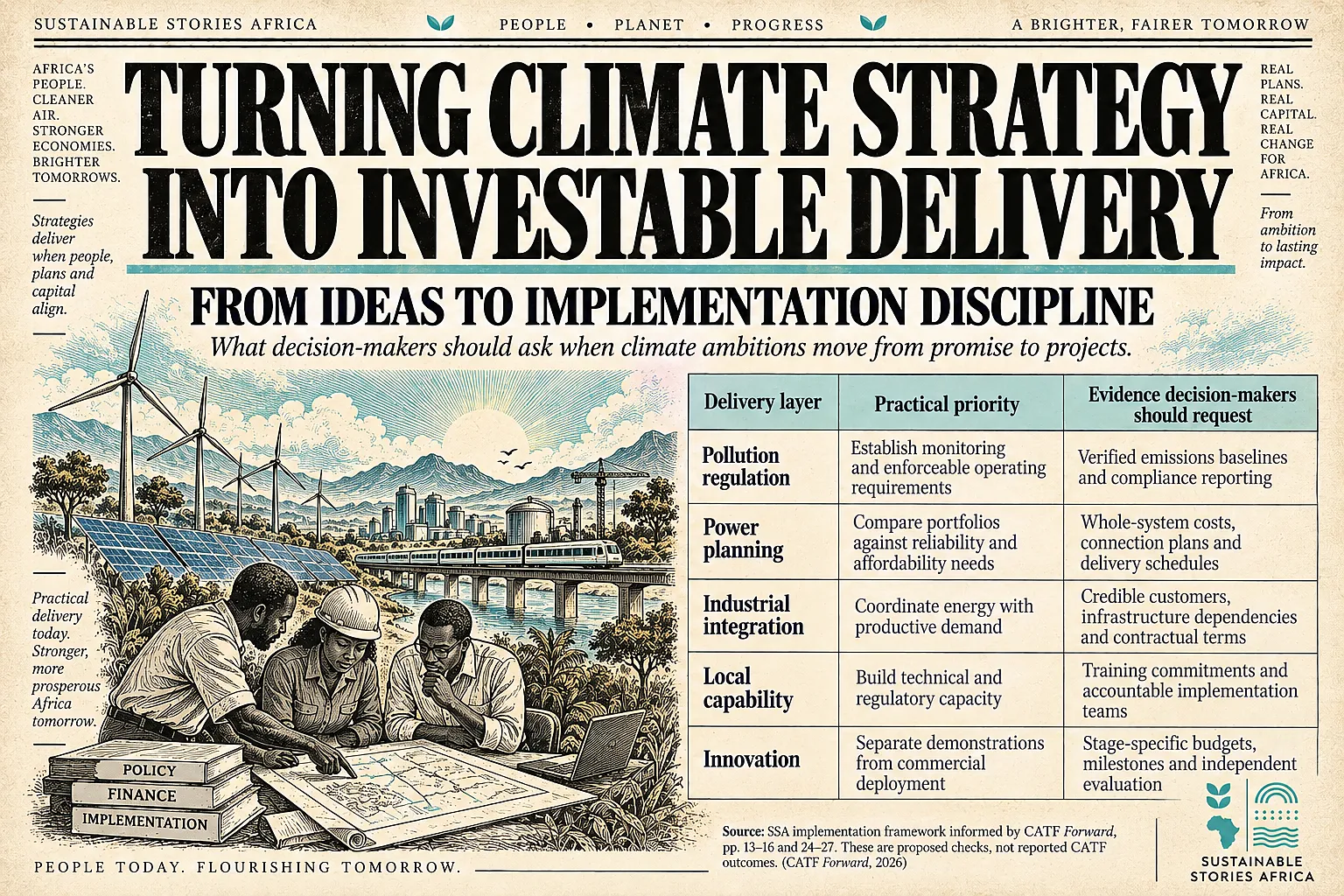
Governments should begin with a clear assessment of the services their economies require and the constraints preventing delivery.
- That assessment should guide technology selection, rather than follow it.
- Procurement can then compare realistic portfolios against affordability, reliability and environmental objectives.
Regulators need resources as well as mandates.
- Methane rules, electricity-market reforms and industrial standards all require staff able to interpret data, oversee operators and correct non-compliance.
- Development finance should therefore support institutional delivery alongside physical infrastructure.
Businesses and financiers should distinguish avoidable uncertainty from unavoidable technological risk.
- Clear permitting, transparent connection processes and credible contracting can improve investment conditions.
- They cannot remove the need to evaluate technology performance, construction exposure and demand assumptions.
The sequencing matters.
- Immediate pollution prevention should not wait for a future breakthrough, while long-term research should not displace investment in proven services that communities need today.
- Equally, present-day deployment should not lock countries out of better options as they become commercially credible.
CATF identifies 2030 – 2040 as a consequential period when long-lived infrastructure and industrial choices will be established.
For African institutions, that makes the current task one of disciplined preparation: strengthen information, compare alternatives and build implementation capacity before major commitments harden into expensive constraints.
Path Forward – Build Climate Progress Around African Priorities
African governments should link pollution reduction, reliable power and industrial development through country-specific plans with measurable delivery milestones.
Financiers should fund the institutional capabilities that make these plans executable.
The objective is neither technology exclusion nor technology enthusiasm.
It is a broader, evidence-led set of choices that expands useful energy services, protects communities and reduces emissions without sacrificing financial discipline.