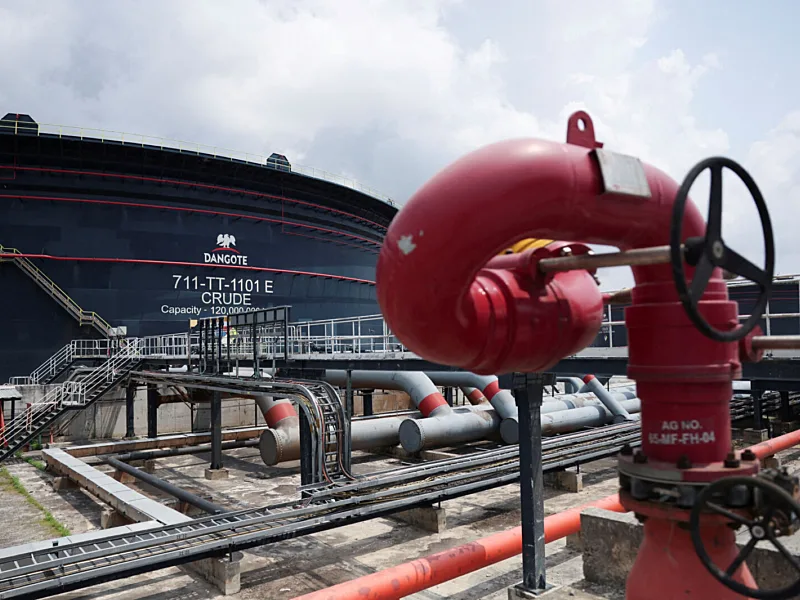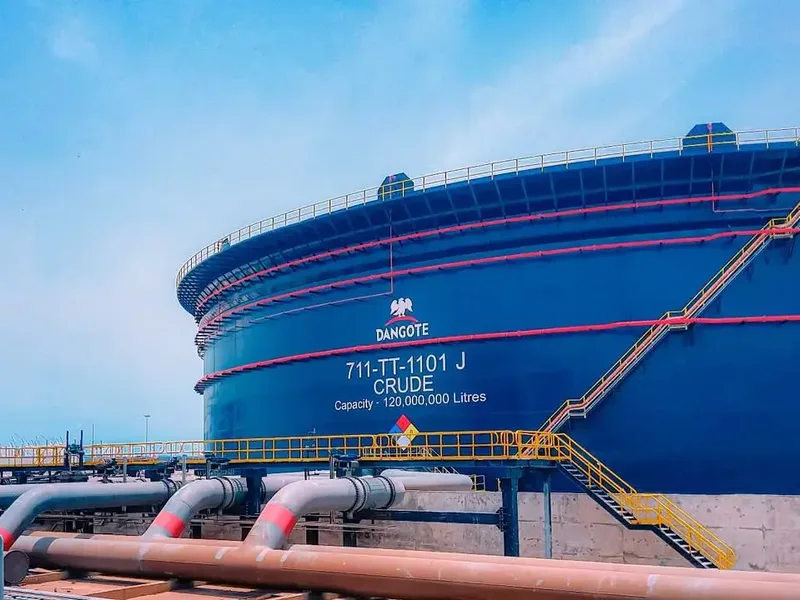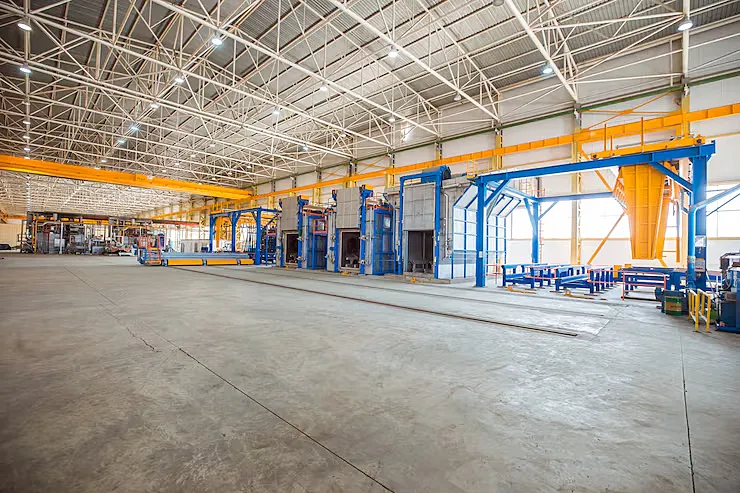
China’s role in Africa is diversifying beyond sovereign lending and landmark infrastructure. But roads, ports and retail networks do not automatically become industrial capacity, better jobs or stronger local firms.
At an ACCPA webinar, Dr Elisa Gambino argued that African policy must turn investment relationships into measurable domestic value: local procurement, technology transfer, fair work and regional production links.
Beyond Roads, Towards Productive Economies
On July 16, the Africa–China Centre for Policy & Advisory (ACCPA) hosted Dr Elisa Gambino, a lecturer at the University of Manchester and researcher at the University of Ghana, for a webinar examining how China’s engagement is reshaping African industrial development.
The central proposition was clear: infrastructure is necessary; however, it is not sufficient.
Drawing on more than 17 months of fieldwork in Ghana and Togo, Gambino examined Chinese participation across infrastructure, trade and manufacturing—and asked whether these connections are generating durable industrial spillovers for African economies.
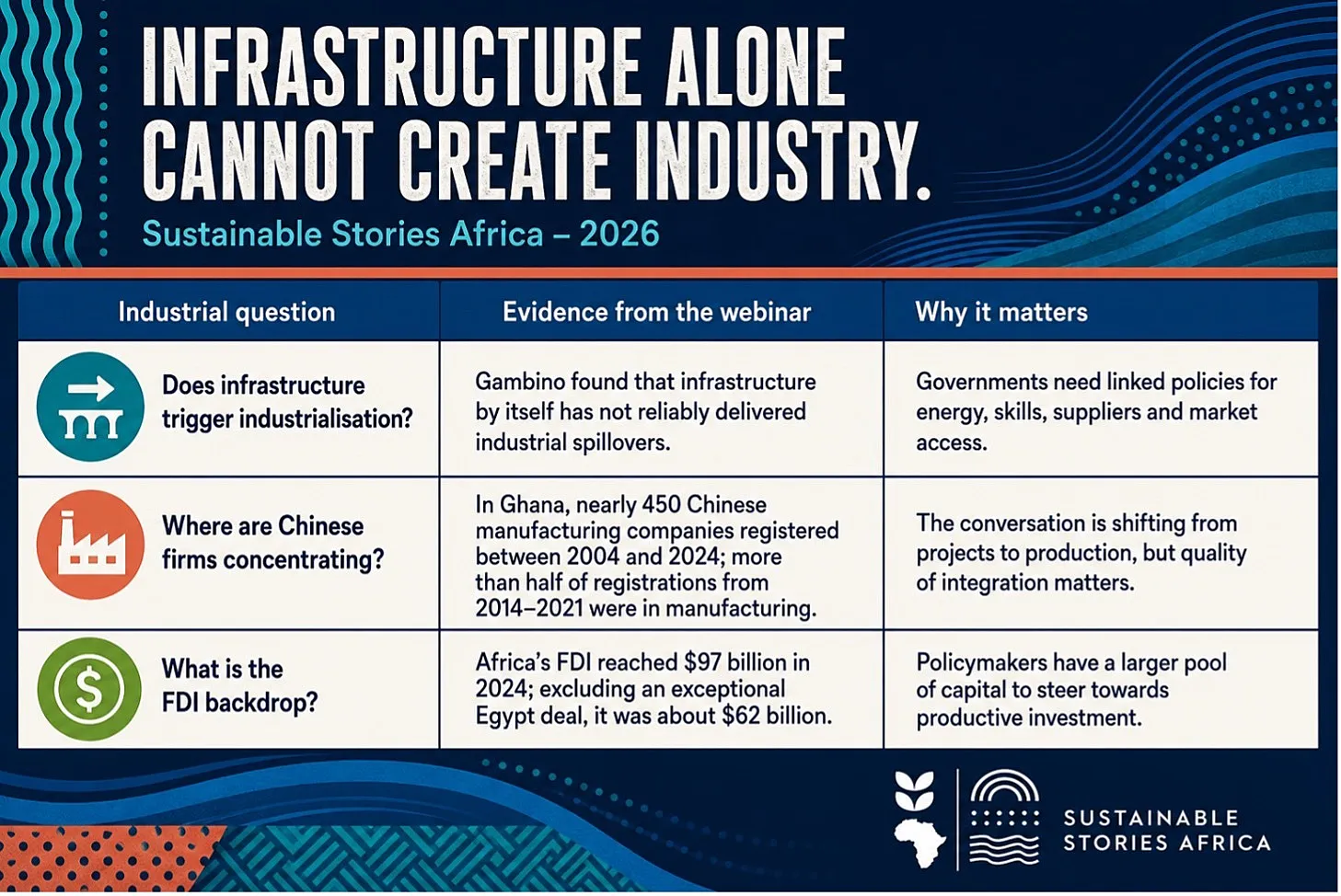
The question arrives at a consequential moment. Africa recorded $97 billion in foreign direct investment in 2024, although a large Egypt urban-development financing deal amplified that headline figure; excluding it, inflows still rose 12% to about $62 billion. The policy challenge is to ensure incoming capital builds local productive capabilities rather than simply enlarging markets for imports, contractors and externally controlled value chains.
Infrastructure Alone Cannot Create Industry
“Building infrastructure alone doesn’t really lead to spillovers in the industrial sector,” Gambino said, challenging the longstanding assumption that a new road, port or power project will naturally draw factories, suppliers and higher-value employment in its wake.
Her argument reframes a familiar Africa–China story. Chinese finance for African infrastructure has declined steadily since before the pandemic, she noted; however, revenues earned by Chinese companies from projects in Africa have not fallen at the same pace.
This suggests that established firms, networks and operational capacity can outlast the original financing cycle and can continue to shape who wins contracts and captures value.
The immediate ESG relevance lies in the gap between assets and outcomes. A transport corridor may improve connectivity; however, its development value depends on procurement rules, labour standards, local supplier participation, environmental safeguards and the industrial policies around it.
Gambino described the political and policy context, not concrete alone, as the principal determinant of whether infrastructure supports production, industrialisation and trade.
Trade Networks Reshape Everyday Markets
Gambino's field evidence gives the macroeconomic debate a human scale. In Ghana and Togo, Chinese private capital is increasingly embedded in trade, distribution and consumer-facing manufacturing, often through entrepreneur-built networks rather than state-owned enterprises.
The gains are visible: more product choice, accessible goods and employment in factories and logistics, yet uneven, benefiting some African counterparts while displacing smaller traders facing competition and rising rents.
Makola Market illustrates this tension. Shoes account for roughly 4% of Ghana's imports from China, offering customers savings while compressing margins for local artisans reliant on tailoring or repair work.
Policy has entered the marketplace: Ghana's rules impose a $1 million minimum investment for foreign retailers, while trade associations pursue closures and wholesale-only conversions. Market access is never neutral; regulation determines who participates and how.
Manufacturing shows a promising but incomplete picture. Chinese-linked factories, including a PVC producer employing 300 workers, have broadened Ghana's industrial base, though uneven labour conditions and limited technology transfer persist.
Jobs count, but job quality and supplier integration determine whether growth becomes self-sustaining.
Make Investment Work For Communities
There is a practical upside to getting this relationship right.
- Chinese investment in Africa reached $42 billion in 2024 and is diversifying into pharmaceuticals and food processing, according to UN Trade and Development, sectors where local sourcing, quality standards and workforce development could generate wider social returns.
Gambino's research shows African firms are not passive recipients.
- Local distributors, workers, unions and public agencies shape how companies adapt, citing Tecno's battery life and camera adjustments for African users as evidence that local knowledge influences product design.
The opportunity lies in converting that knowledge into ownership and resilient enterprise. Ghana's Twyford Ceramics joint venture became the first Ghana-based Chinese company to export tiles under AfCFTA's 2022 guided-trade initiative, showing production hubs can reach regional markets if rules of origin and standards work in practice.
- For citizens, success means safer jobs and stable supply chains.
- For investors and governments, it means deeper industrial ecosystems; factories supporting local recyclers, toolmakers and exporters rather than functioning as isolated enclaves.
Action: Set Conditions For Shared Value
African governments should treat investment attraction and industrial policy as a single agenda, tying incentives for infrastructure and manufacturing licences to measurable commitments on local procurement, training, workplace protections and supplier development.
Five actions stand out from Gambino's evidence:
- Build performance-based investment agreements, tracking jobs, wage quality, local input use and skills transfer—not just headline investment value.
- Support African firms entering supply chains through supplier databases, quality certification and affordable trade finance.
- Govern clusters as ecosystems, not real estate, since proximity alone doesn't guarantee technology transfer; zones should publish local-content outcomes and link investors with universities and unions.
- Protect fair competition through predictable enforcement that shields domestic enterprise without arbitrary barriers.
- Use regional integration deliberately, leveraging AfCFTA to help firms scale across markets, as Twyford's experience shows.
Financiers matter too. International project-finance deals rose 15% in value in 2024 despite a 3% drop in project numbers
Lenders should ask: what local capability survives after construction ends?
Path Forward – Partnership Must Build Capabilities
China’s engagement can help widen Africa’s industrial base; however, the measure of success cannot be kilometres built or capital announced.
It must be whether African workers gain skills, local firms win contracts, communities see responsible production and regional markets absorb more African-made goods.
The path forward is an African-led compact for productive investment: transparent rules, enforceable local-value commitments and institutions capable of monitoring results.
That is how infrastructure, trade and manufacturing can support a more inclusive, climate-conscious and economically durable industrial future.