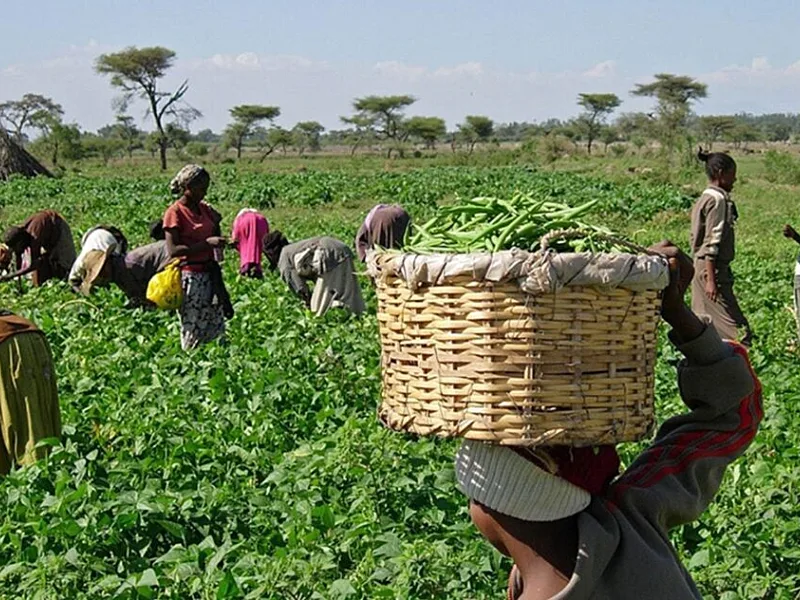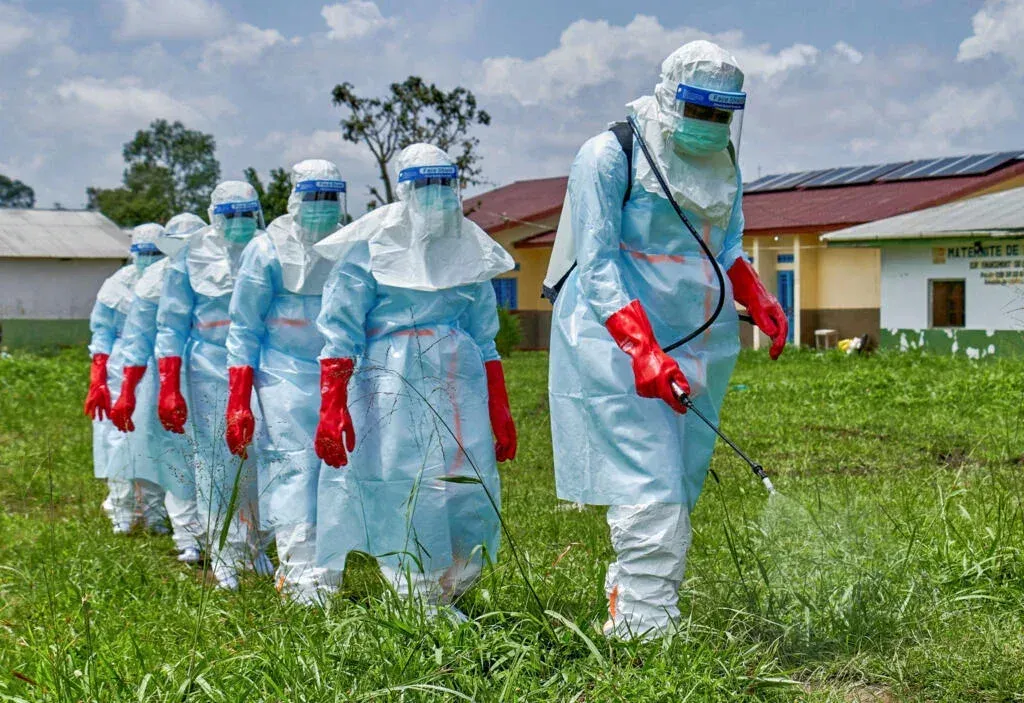
A FAO assessment finds that Ebola has deepened agricultural hardship in eastern Democratic Republic of the Congo, but the mechanisms vary sharply by province.
Conflict and disrupted markets were already weakening livelihoods before the outbreak.
The response needs to protect food access while restoring production.
Treating every affected area as the same emergency risks missing both the cause of losses and the agricultural calendar.
One Emergency Contains Several Different Crises
Agricultural recovery in eastern Democratic Republic of the Congo requires more than a single Ebola response model.
A September assessment by the Food and Agriculture Organisation of the United Nations finds that disease, insecurity and market disruption interact differently across Ituri, North Kivu and South Kivu, changing what assistance is needed and how it can reach people.
The DIEM-Impact study, by Filippo Fossi and Patrick Minyangu, draws on interviews with 224 key informants conducted in August 2026.
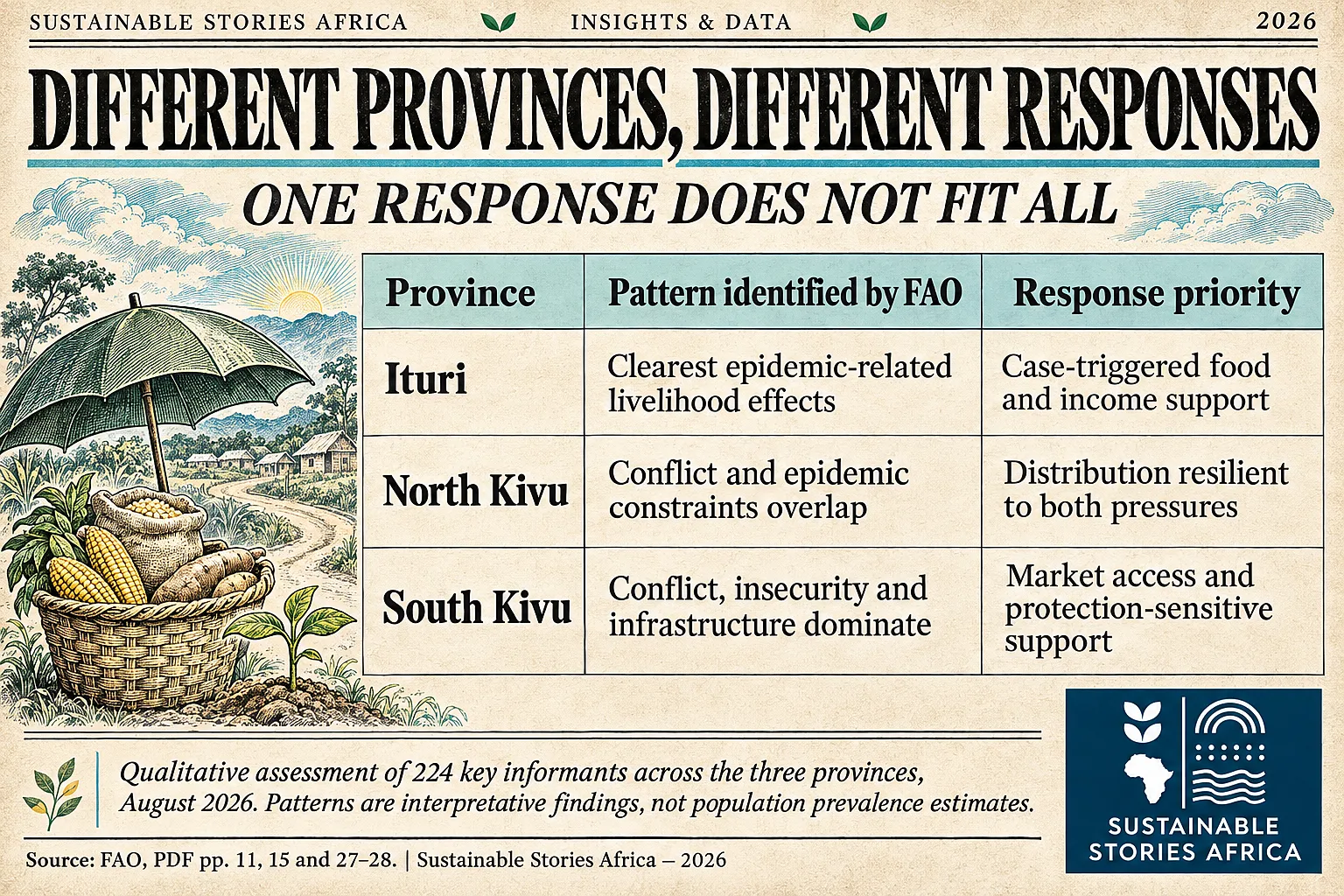
- It describes the epidemic's clearest livelihood effects in Ituri, predominantly conflict-driven constraints in South Kivu, and overlapping pressures in North Kivu.
For humanitarian agencies and development financiers, the implication is immediate: sustaining agricultural livelihoods belongs inside emergency response.
- When households lose the means to plant, sell produce or keep animals healthy, the next season's food supply weakens alongside today's incomes.
Assistance must reflect local conditions rather than a uniform crisis label.
Production Losses Began Before Ebola Arrived
The report's most important analytical warning concerns attribution.
- Before the outbreak, conflict already restricted land access, reduced productive assets and weakened trade.
- Any subsequent deterioration therefore needs to be understood against that baseline, rather than measured against an imagined period of stability.
Earlier DIEM monitoring cited in the report shows field access problems rising from 3% in January 2024 to 17% in March 2026.
- Livestock theft increased from 15% to 28% over the same period.
- These are historical survey indicators, distinct from the August key informant interviews.
The newer interviews reveal additional pressure, particularly where confirmed Ebola cases and containment measures affected labour or trading activity.
- However, the assessment cannot assign a precise share of total agricultural loss to the epidemic.
Its contribution is to identify plausible pathways and priorities, not produce a representative count of affected households.
Functioning Markets Can Still Exclude Farmers
Trade had not stopped.
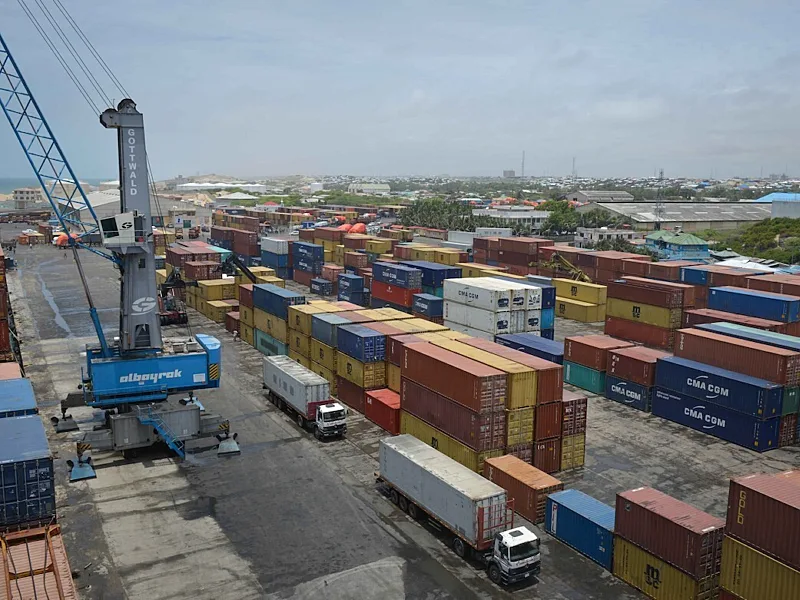
- Cross-border exchanges with Burundi, Rwanda and Uganda continued.
- Transport constraints, checkpoints and other transaction costs made them harder and more expensive.
- This distinction matters because a market can remain open while failing the people who depend on it.
Producers and consumers can experience the same disruption differently.
- A farmer may face lower selling prices because buyers no longer reach the village, while a household elsewhere pays more for food delivered along a difficult route.
- Counting goods in a market would miss this deterioration in income and purchasing power.
The report cites separate REACH monitoring showing the minimum expenditure basket rising 24% between June and July in Bunia, 18% in Bukavu and 10% in Goma.
- These figures affect the cost of a defined basket; they are not provincial inflation rates or estimates from the key informant interviews.
Labour provides another channel.
- Restrictions on movement and gatherings can interrupt collective farm work and casual employment.
- In Ituri, approximately 83% of key informants cited constraints on labour movement as a driver of declining income.
This describes respondents' assessments, not the percentage of households that lost work.
Food access also deteriorated where supply remained available.
- Informants described reduced meals, smaller portions and less varied diets.
- Some locations reported unsold agricultural produce and weak household purchasing power.
The problem is therefore partly how markets connect people, rather than the volume of food produced.
Protecting Production Also Protects Future Recovery
Agricultural assistance can address more than a single harvest.
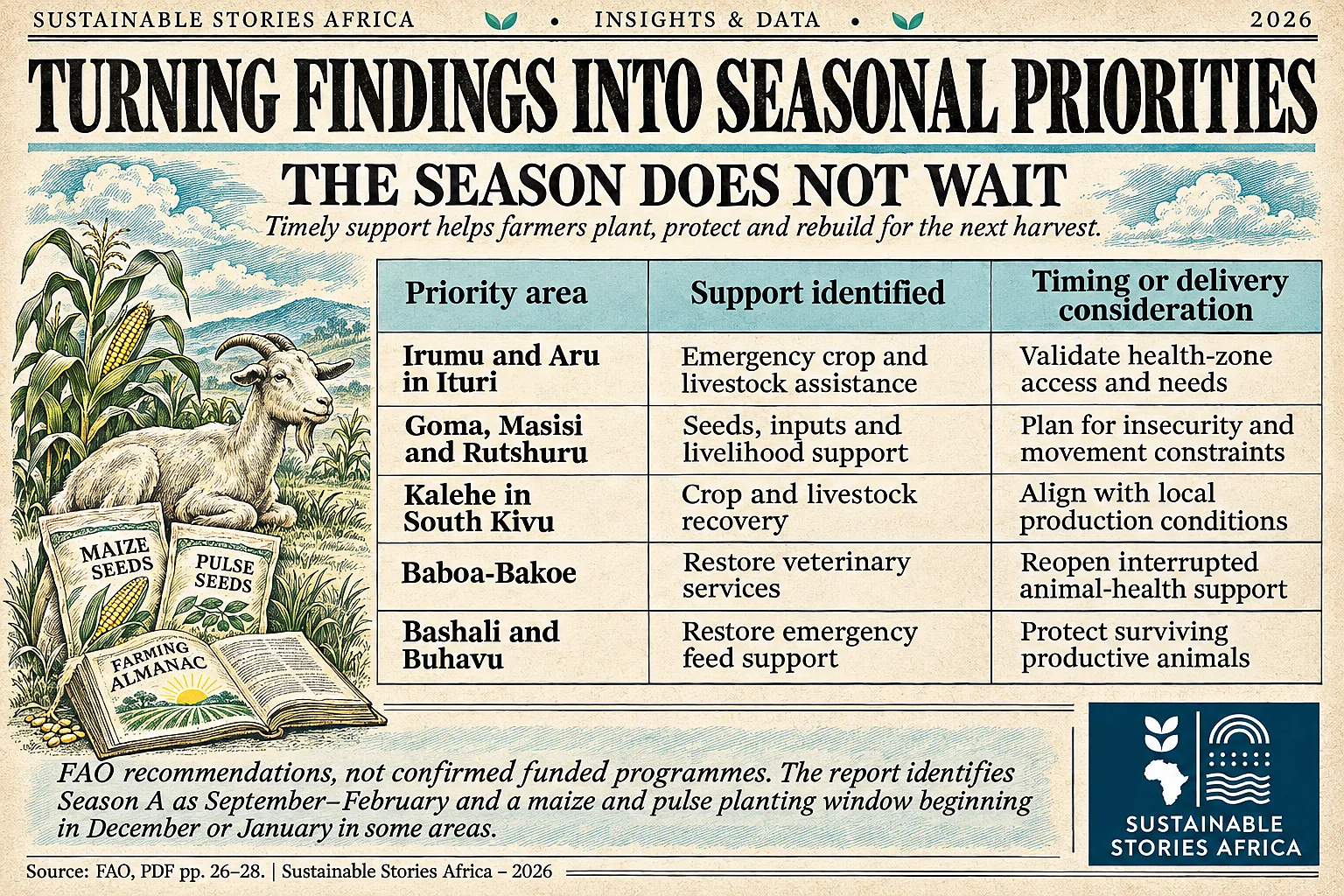
- Timely seeds, functioning veterinary services and market access can help households retain productive assets and preserve future earning capacity.
- The alternative is an emergency response that meets consumption needs while the basis for recovery continues to shrink.
The assessment describes a troubling imbalance: food and cash assistance generally continued, but agricultural support narrowed coverage and was more frequently disrupted.
- The services most directly linked to the next production cycle were therefore vulnerable at precisely the wrong moment.
Recovery also requires attention to dietary substitution.
- Reduced bushmeat consumption may lower exposure to some zoonotic risks, but communities need affordable alternative protein and income sources.
Otherwise, short-term behavioural change may be difficult to sustain once emergency conditions ease.
Match Assistance To Place And Season
- FAO recommends that support in Ituri respond directly to confirmed cases in health zones, while South Kivu programming prioritises market access, infrastructure and protection.
- North Kivu needs arrangements that can operate through both insecurity and disease-related restrictions.
Update these recommendations against current access and health information before delivery.
As of November 2, Season A is already underway.
- Agencies should therefore check local planting windows and remaining opportunities rather than repeat September recommendations as if no time had passed.
- Where December or January planting is relevant, procurement and last-mile delivery need to be organised before that window closes.
Choose cash and in-kind support based on market function, safety and purchasing power.
- Cash may preserve choice where supplies and access remain adequate; physical inputs may be needed where supply chains are unreliable.
- Neither modality should be treated as universally suitable across all assessed territories.
Programme monitoring should follow households beyond distribution.
- Relevant questions include whether inputs arrived on time, land was reached safely, veterinary services resumed, and distress asset sales slowed.
- Delivering a package is not the same as restoring productive capacity.
The evidence also requires restraint.
- Key informants include traders, authorities, health workers and representatives of community organisations, whose perspectives differ.
- Their observations are valuable for rapid decisions but cannot substitute for household-level estimates.
- Household evidence is needed to quantify these patterns and refine targeting.
The practical governance task is coordination across agriculture, public health, logistics and protection.
- Decisions about movement, distribution or market access can affect several sectors at once.
Making those trade-offs explicit would help agencies support disease control and livelihoods together, and adapt to delivery constraints faced by each community.
Path Forward – For Locally Grounded Recovery
Agencies should combine immediate food access with agricultural support matched to health-zone conditions and planting calendars.
Ituri, North Kivu and South Kivu require differentiated delivery.
Funding should protect productive assets, restore interrupted services and track whether households can farm and trade again.
Updated household evidence should refine targeting as it becomes available.