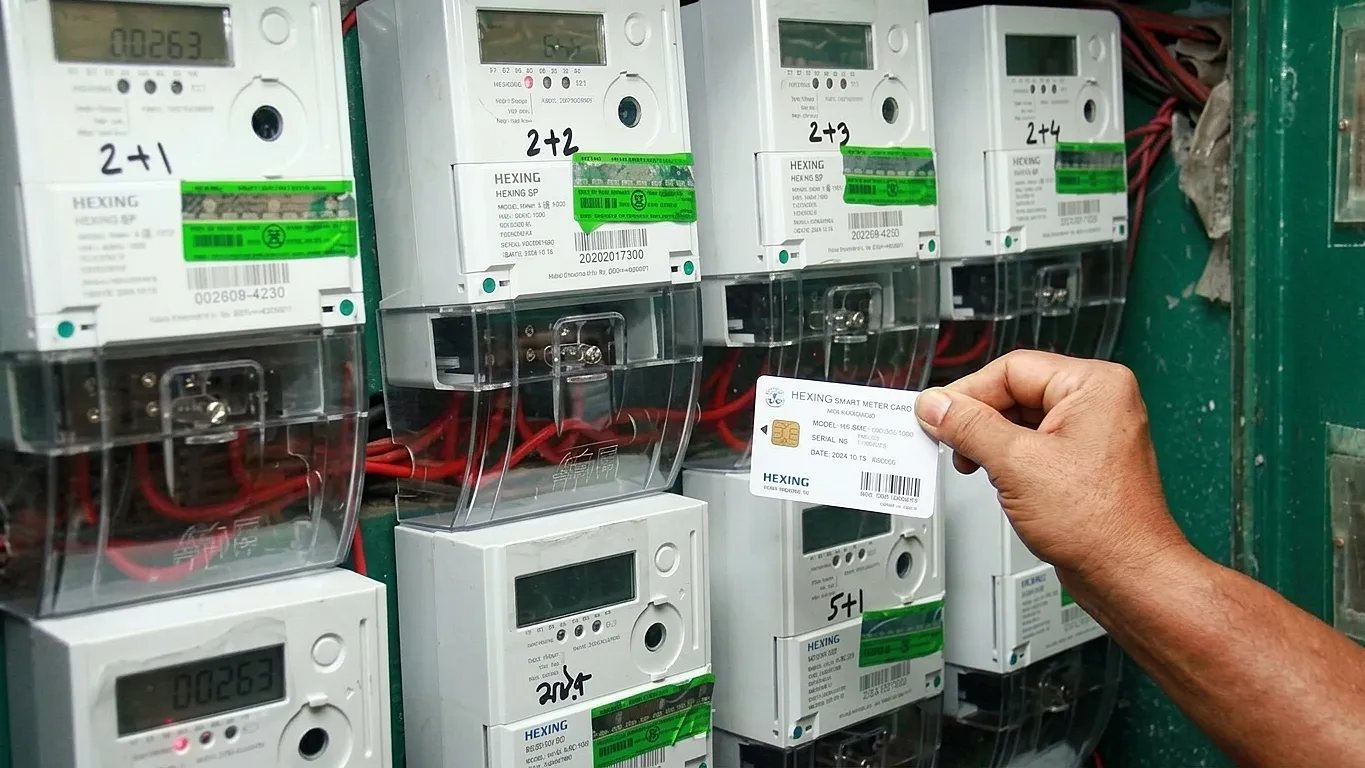
Electricity and internet disruptions can leave customers paying twice: first for a service, then through the time and resources spent trying to restore it.
Oladele Ogunlana’s commentary examines that burden through his own experience.
His argument raises a wider governance question: how should organisations measure responsibility when customers repeatedly have to compensate for failures in paid services?
When Paid Services Require Unpaid Labour
Oladele Ogunlana is calling for stronger service accountability after describing electricity meter problems and an internet outage that left him spending hours trying to restore services he had already paid for.
In his commentary, “When the Ordinary Business of Living Becomes an Extraordinary Burden”, he argues that repeated personal workarounds can conceal institutional weaknesses.
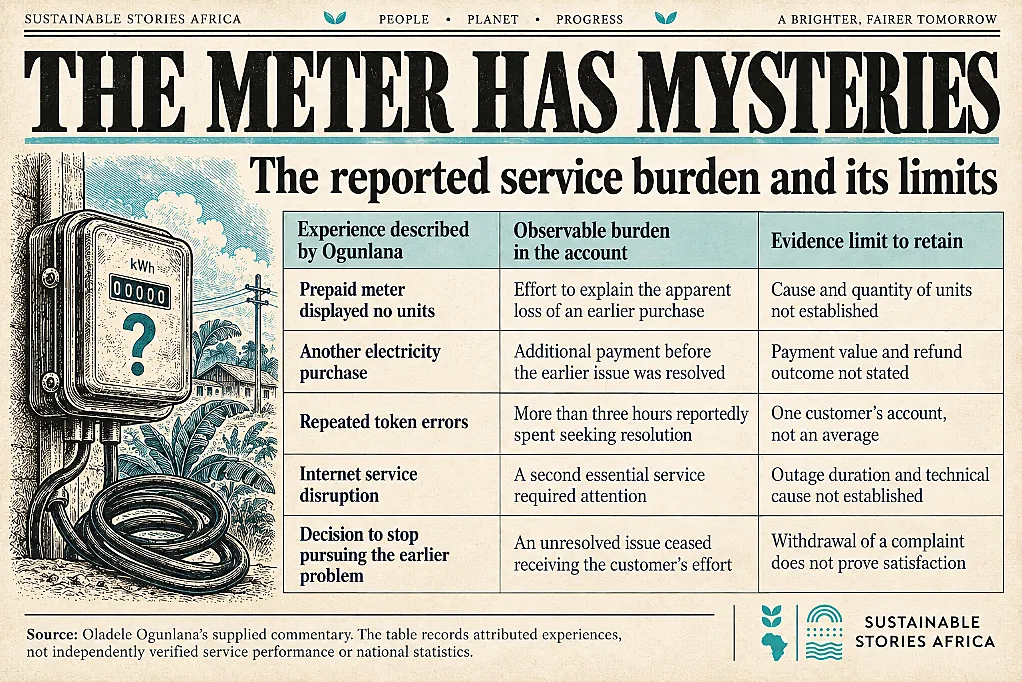
Ogunlana reports that his prepaid electricity meter unexpectedly showed no remaining units, followed by unsuccessful attempts to load a newly purchased token.
He also describes a disruption to the internet service he identifies as MTN FiberX. His account does not establish the technical causes, the amounts lost or either provider’s overall performance.
For African markets seeking more productive and inclusive development, the commentary raises an important question about time.
When customers repeatedly investigate faults, pursue support and purchase alternatives, the burden extends beyond the service bill.
The quality of recovery becomes part of the value a provider delivers.
One Customer Describes A Compounding Burden
More than three hours spent trying to resolve repeated token errors is the clearest time measure in Ogunlana’s account.
- It concerns one reported episode, rather than a national average.
- Even within that limited scope, it illustrates how an ordinary transaction can become a substantial demand on a customer’s day.
The sequence matters.
- Ogunlana says he first tried to understand why previously purchased electricity units were no longer available.
- He then decided to buy more units without resolving the earlier issue.
- The replacement purchase did not bring immediate relief because attempts to load the new token produced further errors.
The internet disruption added another problem to the same day.
The commentary provides no independently verified outage duration or diagnosis for either service.
- Its evidence is the customer’s description of repeated effort and uncertainty.
- That distinction allows the account to inform a discussion of service recovery without turning an individual complaint into an unsupported sector-wide finding.
Private Workarounds Can Conceal Institutional Weakness
Ogunlana’s wider argument concerns the way people adapt.
- A replacement payment, a generator or an alternative connection may help an individual continue with daily life.
- The original weakness can remain unresolved, however, while the customer absorbs the expense and administrative work.
- Coping can therefore reduce the visibility of a failure without correcting it.
The costs take several forms.
- A direct payment is relatively easy to record.
- Time spent contacting support or repeating a technical process is less visible in company accounts.
- Emotional strain is harder still to price.
The commentary does not quantify these costs, but it explains why a service bill alone may understate the burden experienced by a customer.
- For a household, restoration work can displace time intended for employment, care or rest.
- For a small enterprise, an interruption may delay communication or an ordinary transaction.
- These are possible channels of impact, not outcomes established for businesses by Ogunlana’s experience.
His discussion of silence also deserves attention.
- A complaint can indicate that a customer still expects the organisation to respond.
- A customer who stops complaining may have found a solution, switched providers or abandoned the effort.
An organisation cannot reliably infer satisfaction simply from the absence of another message.
Reliable Recovery Can Rebuild Customer Confidence
Service failures do not all have the same cause, and even well-run systems experience interruptions.
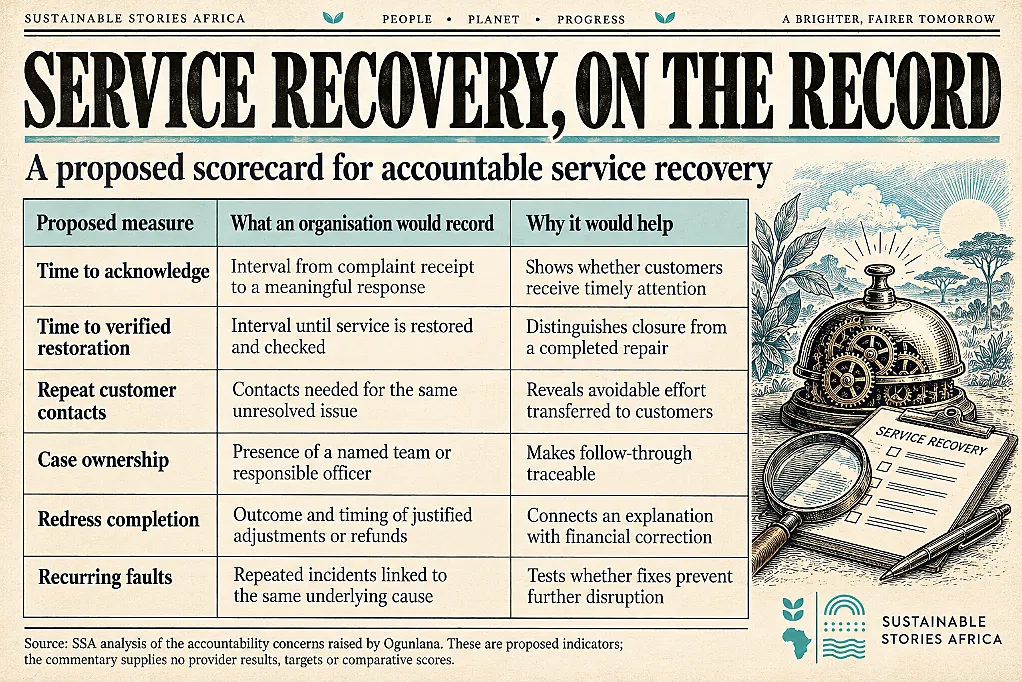
- The practical distinction is how an organisation identifies a fault, communicates what is known and follows the matter through to a supported outcome.
- Recovery can give a customer reasons to trust the provider again.
Ownership is central to Ogunlana’s argument.
- Customers should not have to reconstruct the history of an unresolved issue each time they contact a different representative.
- A shared record and a responsible case owner can reduce repeated explanation and help the provider distinguish a new problem from a continuing one.
The environmental and social dimensions also merit examination.
- Backup equipment may restore essential services while adding operating costs and, where fuel-powered, emissions. The commentary does not measure those effects.
- It nevertheless suggests that sustainability assessments should consider the work and resources customers use to compensate for unreliable delivery, alongside the provider’s own operations.
Measure Responsibility Across The Complaint Journey
Service providers should examine the entire route from payment to delivery and recovery.
- A successful payment should be traceable to the service purchased.
- Where delivery fails, the customer needs an understandable explanation of the next step and a record that can support investigation or an appropriate adjustment.
Executives should review reopened cases and repeated contacts alongside the number of tickets closed.
- Teams should verify restoration where possible and explain any remaining uncertainty.
- Customer feedback can help establish whether an outcome worked in practice, while technical evidence remains necessary to identify causes and prevent recurrence.
Regulators, industry bodies and consumer organisations can encourage comparable reporting and accessible escalation routes.
Customers can retain payment references, error messages and complaint records to make individual cases easier to examine.
Collective evidence can support a stronger assessment of recurring problems than isolated frustration, without requiring every customer to become a technical investigator.
Path Forward – Make Ordinary Services Dependable Once Again
Ogunlana’s commentary calls for responsibility to be visible in everyday service delivery.
Providers should measure customer effort, verify restoration and address justified financial corrections rather than treating a closed complaint as sufficient evidence of success.
The wider development objective is dependable access to essential services, with less household time and money spent compensating for unresolved failures.