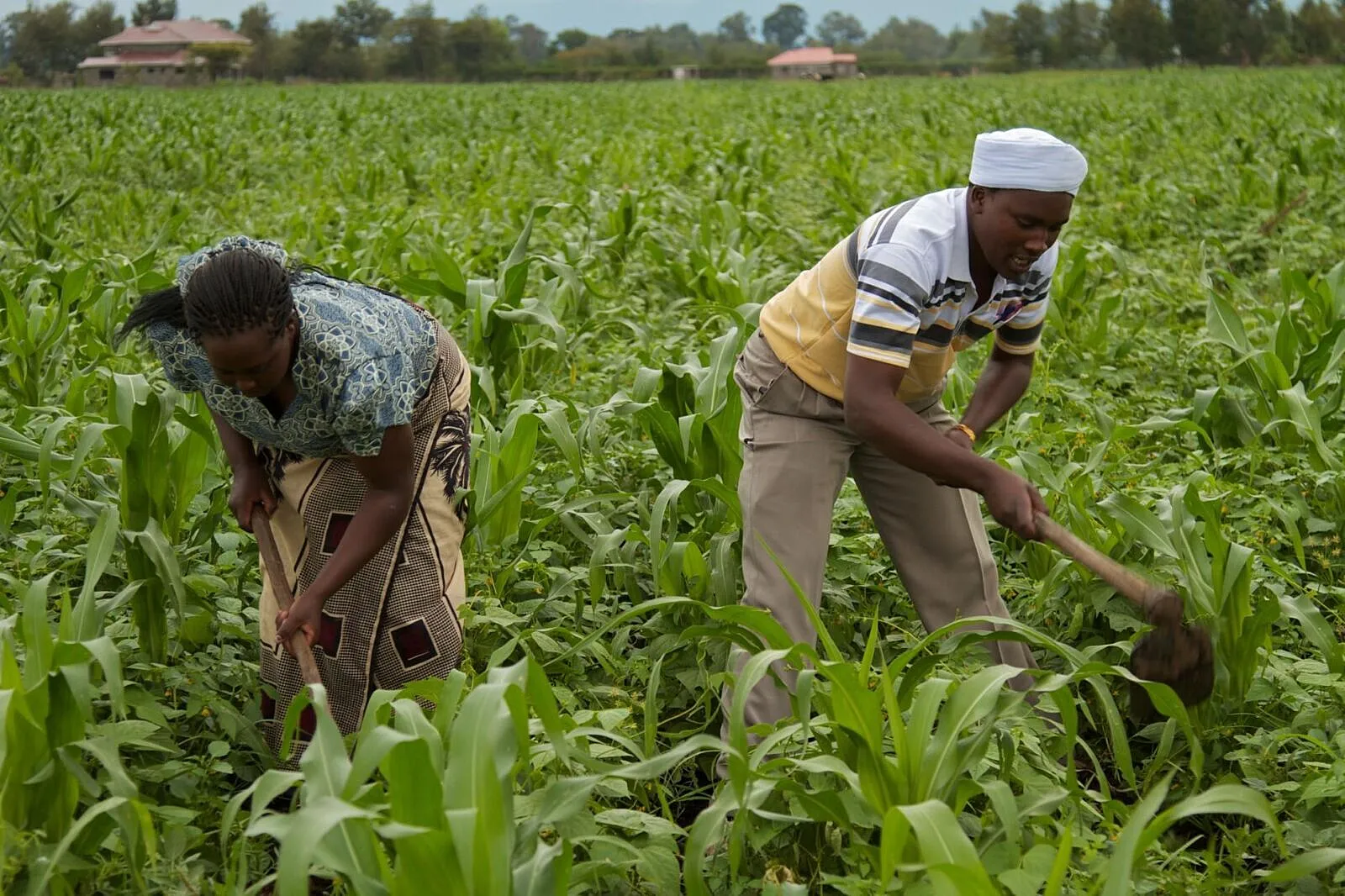
In "2025 in Review and Look Ahead: Getting Development Done, the World Bank is unequivocal: poverty reduction hinges on jobs, productivity, and institutional delivery, rather than intentions. Growth alone is insufficient without employment.
The review stresses that labour income remains the strongest and most durable pathway out of poverty, outperforming transfers and short-term interventions.
For Africa, the signal is clear: development success will be judged by jobs created, productivity raised, and institutions that deliver at scale.
Jobs As Core Poverty Instrument
Jobs are the most effective poverty-reduction tool. The World Bank's 2025 review places employment at the centre of development strategy, arguing that labour income, not redistribution, drives durable poverty reduction. Countries that translate growth into jobs, reduce poverty faster and more sustainably than those reliant on transfers.
For Africa, where working-age populations are expanding rapidly, the cost of inaction is rising. Without job-rich growth, demographic opportunities become economic risk.
Jobs are no longer a social outcome; they are the primary developmental instrument.
Productivity Defines Job Quality
Not all jobs reduce poverty; only the productive jobs do. The review highlights a central challenge: most Africans work, but too many remain trapped in low-productivity informal employment.
This limits earnings, fiscal capacity, and resilience. Productivity gaps between informal and formal sectors remain wide, constraining income growth.
World Bank Lens on Africa's Jobs Challenge
| Dimension | World Bank Insight |
|---|---|
| Employment | High participation, low productivity |
| Informality | Dominant, persistent |
| Youth jobs | Entry without skills alignment |
| Women | Barriers to formal work |
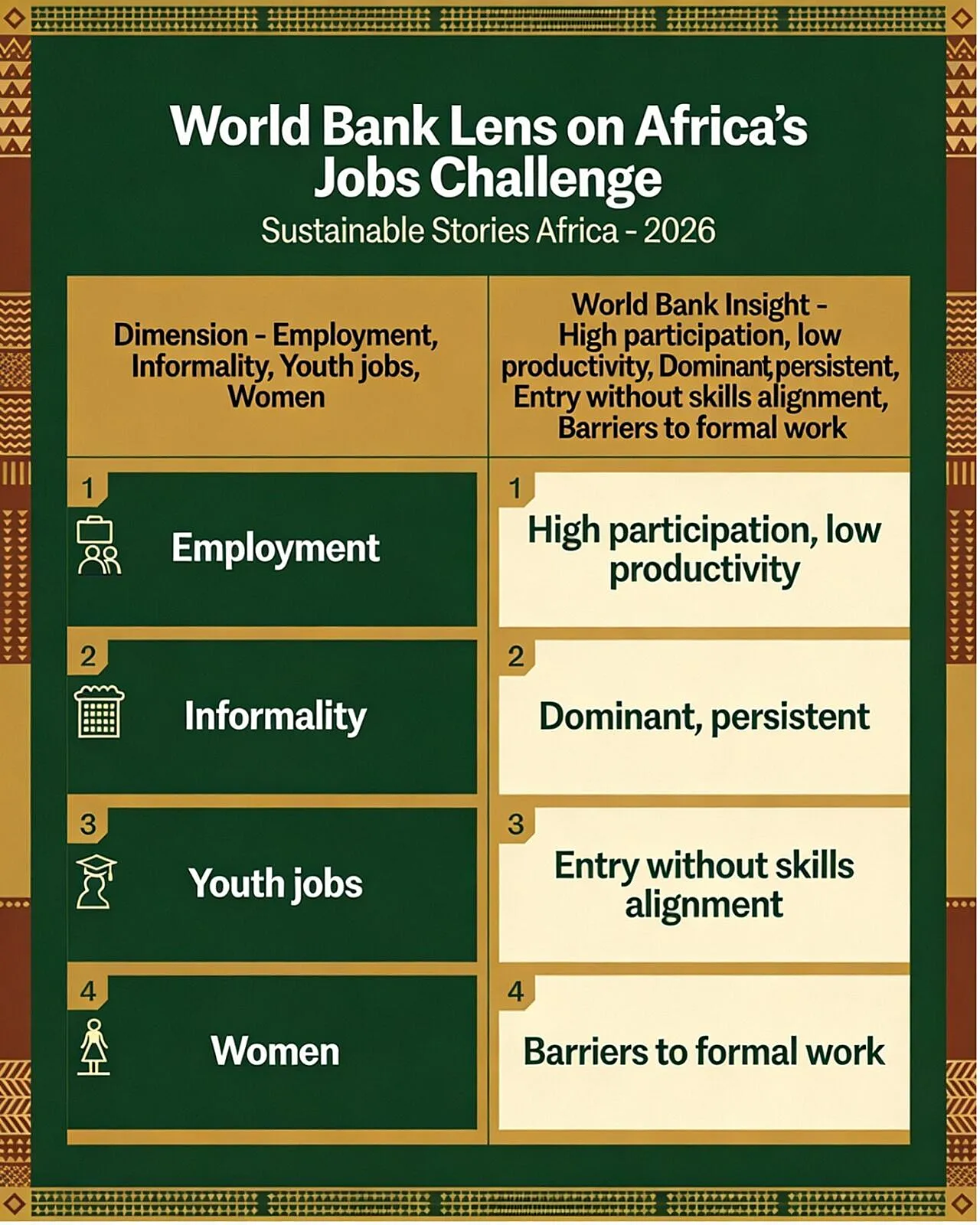
The implication is structural: job creation without productivity gains will not deliver prosperity.
Delivery Turns Policy Into Outcomes
Development fails when delivery systems fail. A core message of Getting Development Done is in the execution. Policies matter only when institutions can implement them.
The review emphasises infrastructure delivery, skills systems, and business-environment reforms as decisive enablers of productive employment.
Where power, transport, and logistics work, firms scale and hire. Where education systems align with labour demand, productivity rises.
Delivery, not ambition, determines whether jobs materialise.
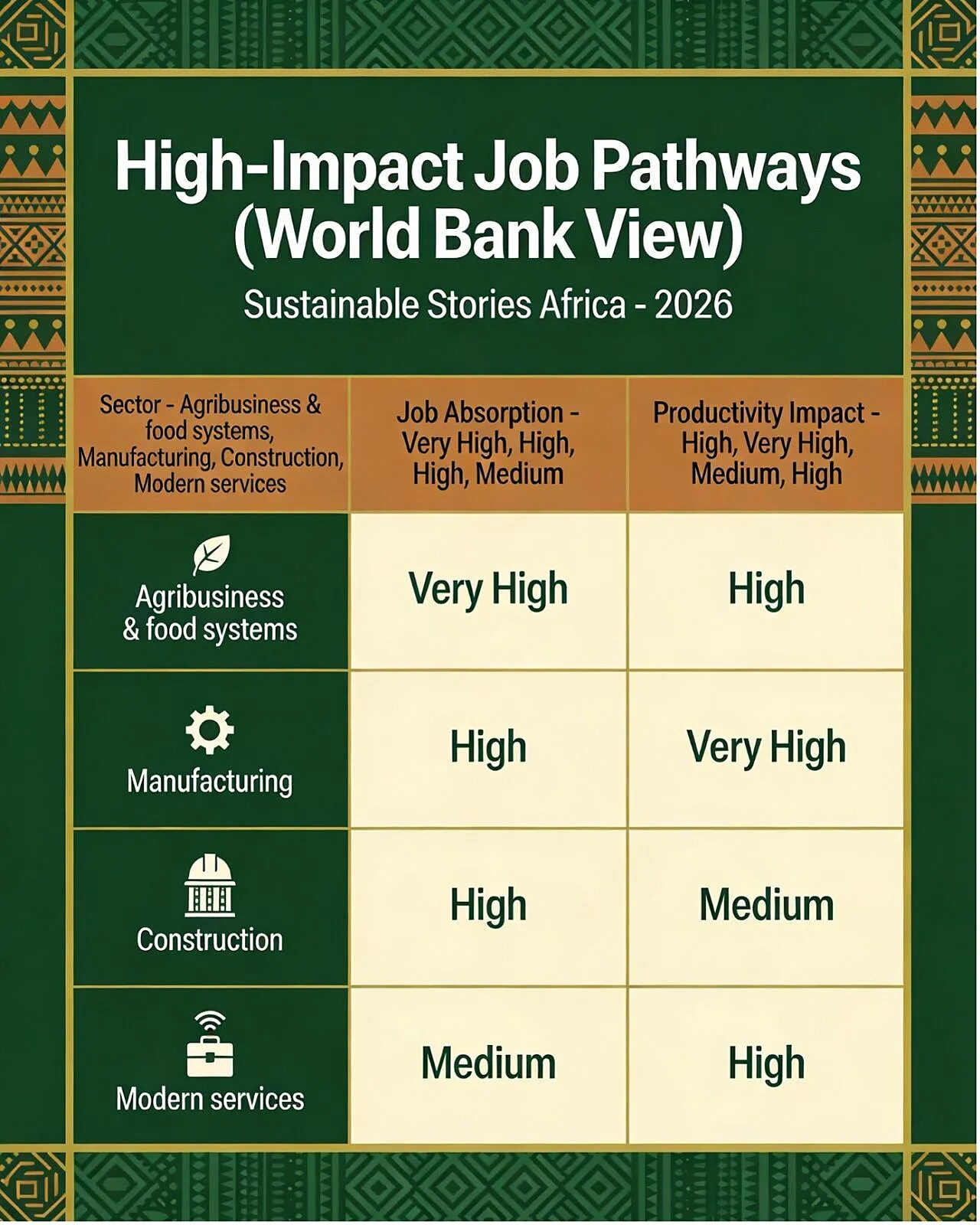
High-Impact Job Pathways (World Bank View)
| Sector | Job Absorption | Productivity Impact |
|---|---|---|
| Agribusiness & food systems | Very High | High |
| Manufacturing | High | Very High |
| Construction | High | Medium |
| Modern services | Medium | High |
Institutions That Make Jobs Happen
Strong institutions convert investment into jobs. The 2025 review completely underscores that institutional quality, such as regulation, fiscal systems, and implementation capacity, determines employment outcomes.
Countries that simplify business rules, support SMEs, and stabilise macroeconomic conditions generated more jobs per dollar invested.
For Africa, this means:
- Prioritising job-rich sectors in industrial policy
- Aligning skills, infrastructure, and finance
- Strengthening public delivery institutions
- Measuring success in jobs and productivity, not spending
Developmental effectiveness is institutional effectiveness.
PATH FORWARD – Jobs, Productivity, Institutions Aligned
The World Bank's 2025 outlook converges on a single thesis: jobs reduce poverty when productivity rises, and institutions deliver. Africa's opportunity lies in aligning these three pillars.
As governments and partners recalibrate strategies, employment is becoming the benchmark of development credibility.
What matters now is not plans announced, but jobs delivered at scale, sustainably, and inclusively.