The African Development Bank Group has approved $487 million in financing to accelerate economic reforms, strengthen climate resilience and support inclusive growth in Morocco.
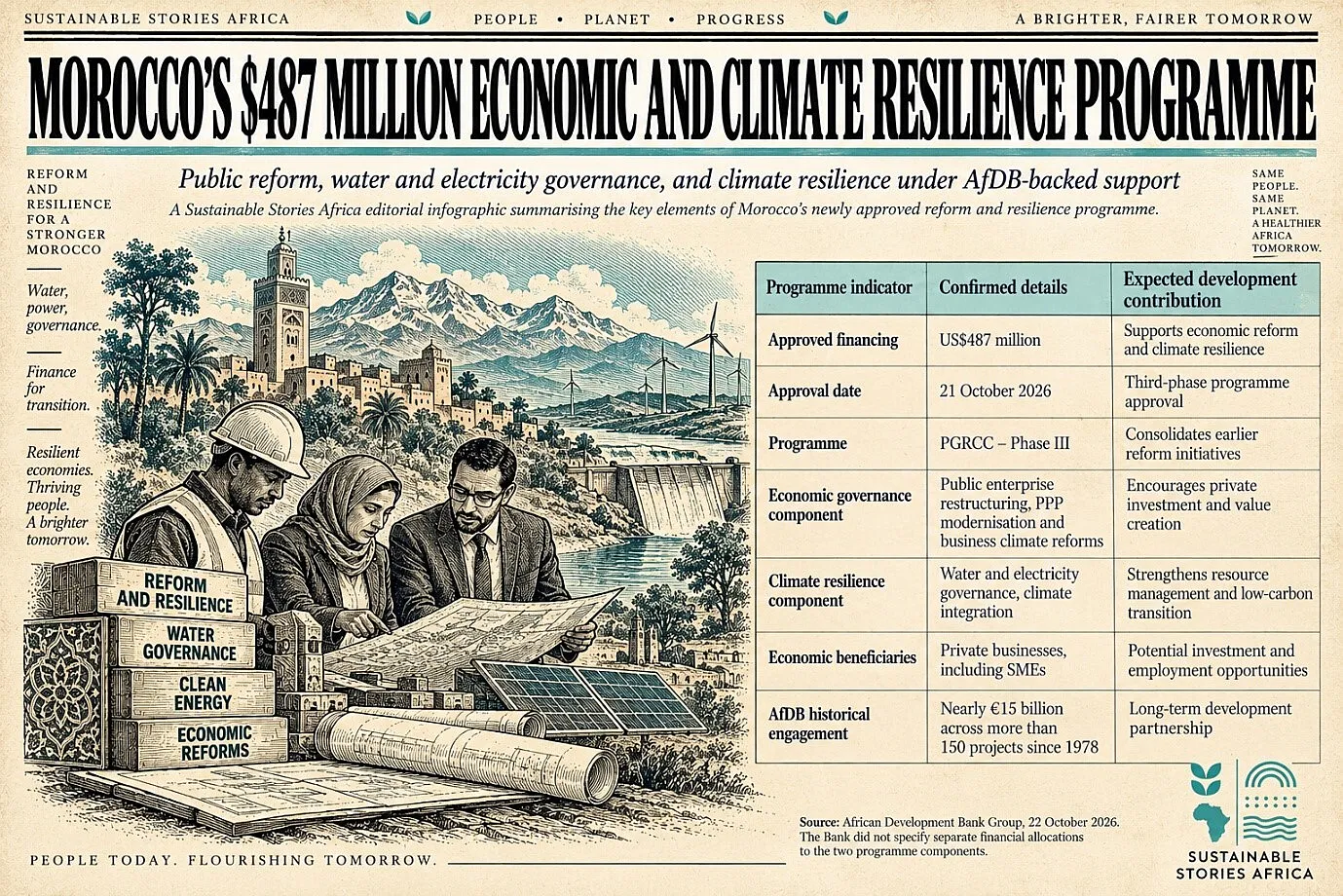
Approved on 21 October 2026, the package will support private investment, public enterprise restructuring and improvements in water and electricity sector governance.
The initiative aims to cushion economic and climate-related shocks while creating stronger foundations for employment, low-carbon development and long-term economic stability.
Morocco Secures Major Economic Resilience Investment
The African Development Bank Group (AfDB) has approved $487 million in financing for Morocco, reinforcing the country's efforts to strengthen economic governance, attract private investment and improve resilience against climate-related and external economic shocks.
The financing was approved by the Bank Group's Board of Directors on 21 October 2026 and announced the following day. It forms the third phase of the Programme to Support the Strengthening of Economic Governance and Resilience to Climate Change (PGRCC-Phase III).
The programme seeks to accelerate structural reforms, improve the investment climate and strengthen Morocco's capacity to withstand economic, energy and environmental disruptions.
- A central objective is to increase the private sector's contribution to investment and value creation while allowing the government to concentrate on its strategic responsibilities.
Abdoulaye Coulibaly, the AfDB's Director for Governance and Economic Reforms, explained that the programme aims to cushion external shocks while consolidating reforms that strengthen economic resilience and encourage private investment.
The intervention reflects a broader development challenge across Africa: how to maintain economic growth, support essential public services and advance climate commitments amid increasing financial and environmental uncertainty.
Structural Reforms Target Investment And Growth
The $487 million package is organised around two principal components addressing economic governance and climate resilience.
The first focuses on improving public institutions and creating stronger conditions for private investment.
- It will support restructuring state-owned enterprises, modernising public-private partnership arrangements and improving the business environment.
- These reforms will make investment opportunities more attractive, particularly for small and medium-sized enterprises, innovative businesses and companies seeking integration into global value chains.
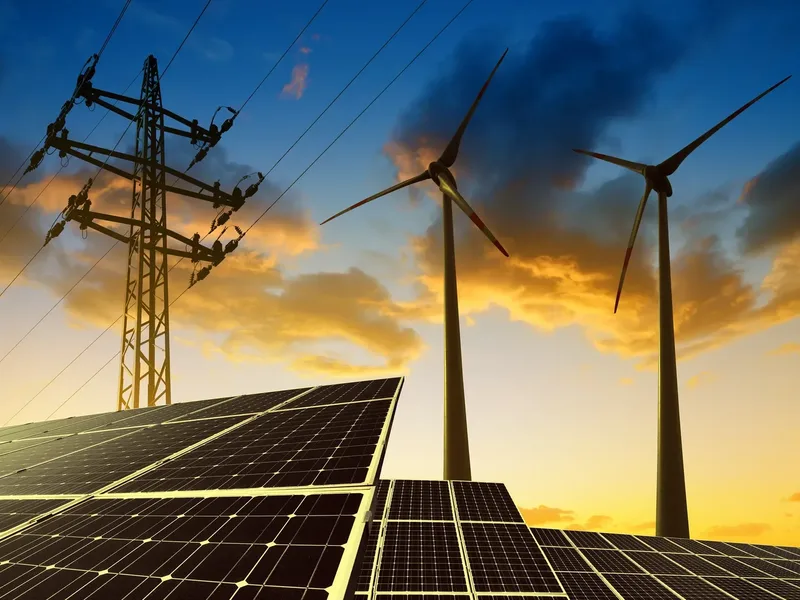
The second component addresses climate and energy resilience by improving governance in the water and electricity sectors and integrating climate considerations into public policy.
- This approach recognises that economic competitiveness increasingly depends on reliable infrastructure, efficient resource management and the ability to respond to environmental risks.
For Morocco, where water availability and energy costs are important development concerns, improving governance in these sectors could strengthen the conditions for sustainable investment.
Reforms Could Strengthen Inclusive Green Development
The programme offers opportunities to link economic reform with environmental sustainability and social development.
- Stronger public enterprise governance could improve service delivery and enable strengthening the efficiency of public spending.
- Modernised public-private partnerships could also create opportunities for businesses to participate in infrastructure development and other productive activities.
For smaller enterprises, improvements in the investment climate may encourage business expansion, innovation and employment creation.
The climate component matters because environmental disruption can undermine economic progress through infrastructure damage, resource shortages and higher production costs.
- Improved management of water and electricity systems could help Morocco respond more effectively to these pressures while supporting its low-carbon transition.
However, the expected benefits will depend on implementation, institutional coordination and how the reforms deliver measurable improvements for businesses and communities.
The announcement does not establish specific employment targets, emissions reductions or quantified water-efficiency outcomes.
Morocco Must Translate Financing Into Results
The AfDB programme also enables Morocco to manage external pressures from instability in the Middle East, particularly rising energy and transport costs.
- It falls within the Bank Group's Global Energy and Fertiliser Crisis Response Framework, which combines responses to immediate economic pressures with longer-term resilience-building.
- The financing is expected to help protect fiscal capacity and priority public spending while maintaining reform and investment momentum.
Achraf Tarsim, the Bank Group's Country Manager in Morocco, emphasised the country's continued commitment to structural reforms despite external shocks.
- For implementation to succeed, Morocco will need sustained coordination between government institutions, private investors and development partners.
- Clear implementation milestones, transparent reporting and effective monitoring will be key to evaluating progress.
Priority indicators could include improvements in public enterprise performance, private investment mobilisation, SME participation and governance outcomes across the water and electricity sectors.
Tracking these measures would help demonstrate whether approved financing is translating into meaningful economic and environmental results.
Path Forward – Strengthening Economic Governance And Climate Resilience
Morocco's $487 million financing package provides an opportunity to advance structural reforms while improving the country's ability to withstand economic and climate-related shocks.
The priority now is effective implementation, transparent monitoring and sustained private-sector participation.
By linking public sector reform with climate-responsive investment, Morocco could strengthen economic competitiveness, protect development spending and create a more resilient foundation for inclusive growth.