Global greenhouse gas emissions may have stabilised in 2025, but the world remains on a trajectory toward dangerous levels of warming.
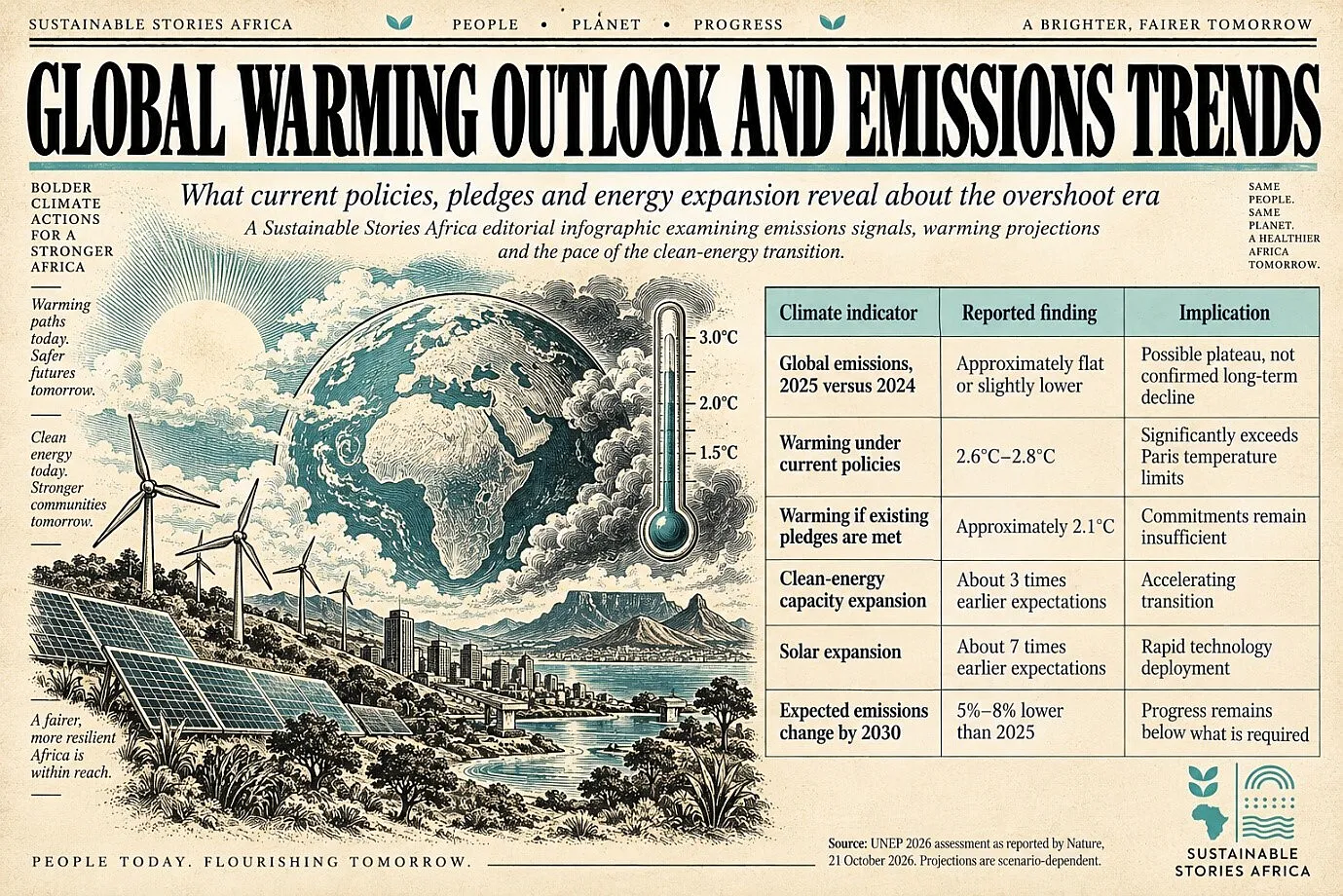
A new United Nations Environment Programme assessment projects warming of 2.6°C to 2.8°C under current policies.
The findings sharpen pressure on governments to accelerate emissions reductions while strengthening adaptation for vulnerable economies.
Global Emissions Plateau Masks Climate Danger
Global greenhouse gas emissions showed signs of stabilising in 2025, offering a possible turning point in the world's climate trajectory.
However, the United Nations has warned that this emerging progress remains insufficient to prevent warming well beyond the Paris Agreement's temperature objectives.
According to a Nature report published on 21 October 2026, the United Nations Environment Programme's latest climate assessment indicates that global emissions in 2025 were approximately unchanged or slightly lower than in 2024.
Despite this development, the assessment projects global warming of approximately 2.6°C to 2.8°C above pre-industrial levels during this century under current policies.
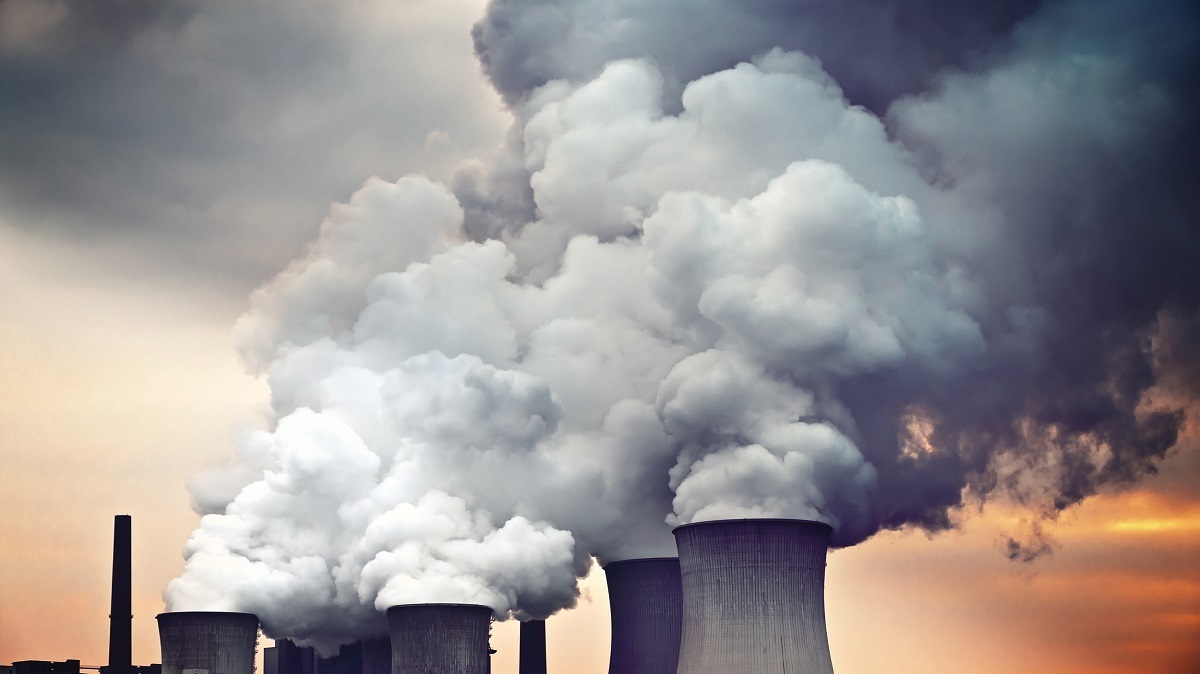
Even full implementation of existing national emissions pledges would leave projected warming at around 2.1°C.
The findings illustrate the difference between slowing emissions growth and achieving reductions large enough to stabilise the climate.
Current Climate Commitments Remain Insufficient Globally
The report attributes part of the possible emissions plateau to reduced land-use emissions, including a decline in wildfire-related emissions following unusually severe fires in 2024.
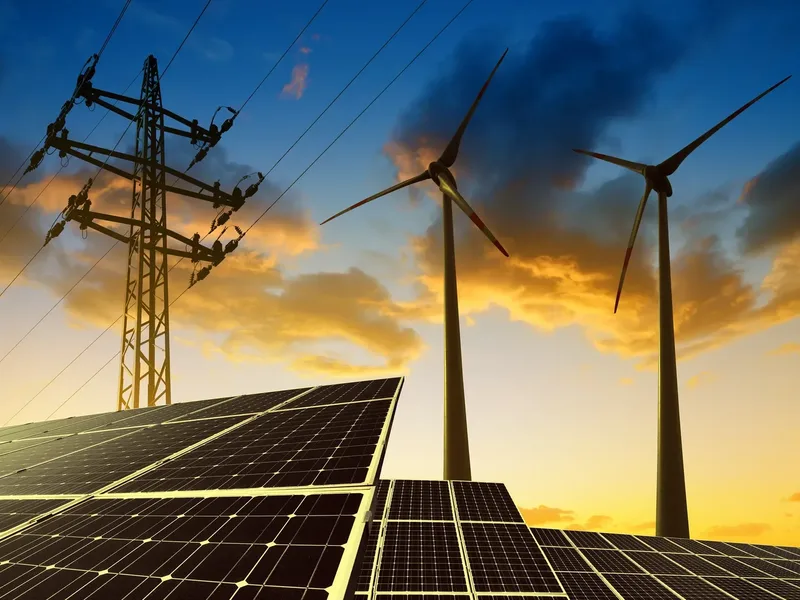
Clean energy deployment has also accelerated substantially.
- According to the assessment, clean-energy capacity has grown around three times faster than expected in 2015, while solar expansion has occurred at approximately seven times the anticipated pace.
These developments indicate that technological and market changes are increasingly contributing to climate mitigation.
However, researchers caution that a single year of stable emissions does not establish a permanent peak.
- Year-to-year changes in land use, weather and economic activity can temporarily influence emissions totals.
The distinction matters because climate stabilisation requires sustained substantial reductions, not preventing emissions from rising further.
Accelerated Climate Action Could Reduce Losses
For African countries, the findings are particularly consequential.
- Much of the continent faces substantial exposure to rising temperatures, changing rainfall patterns, flooding and agricultural disruption, despite its relatively small historical contribution to global greenhouse gas emissions.
- Higher global temperatures could increase pressure on food systems, electricity infrastructure, healthcare services and water resources.
The emerging emissions plateau nevertheless offers a basis for cautious optimism.
Expanding renewable energy, improving industrial efficiency, protecting forests and investing in low-carbon infrastructure could help deliver more substantial reductions.
In African economies, clean-energy investment could also improve electricity access, reduce fuel-import exposure and support local economic development.
However, adaptation financing remains essential because some climate impacts are already unavoidable.
Governments Must Strengthen Climate Implementation Plans
The assessment increases pressure on governments ahead of the COP31 climate summit scheduled for November 2026 in Antalya, Türkiye.
Countries will need to demonstrate how their policies can translate into measurable emissions reductions.
- Priorities include accelerated deployment of clean electricity, improvements in energy efficiency, reductions in fossil fuel dependence and stronger protection of forests and other carbon sinks.
Developed economies also face continued demands to strengthen international climate finance and support vulnerable countries in building resilience.
For African governments, the challenge involves aligning mitigation and adaptation with national development strategies.
Climate commitments must be supported by credible investment programmes, institutional capacity and transparent reporting systems.
Path Forward – Closing Emissions Gaps Requires Stronger Leadership
The possible stabilisation of global emissions represents progress, but it does not signal that the climate crisis has been resolved.
Governments must turn the expansion of clean technologies into sustained emissions reductions while strengthening adaptation finance.
For Africa, the priority is to secure a transition that protects vulnerable communities, expands economic opportunity and improves resilience to intensifying climate risks.
Culled from: Global emissions slow — but world hurtles towards 2 °C of warming | Nature