Nigeria confirmed an imported Ebola case in Abuja on 20 October and activated a coordinated public health response.
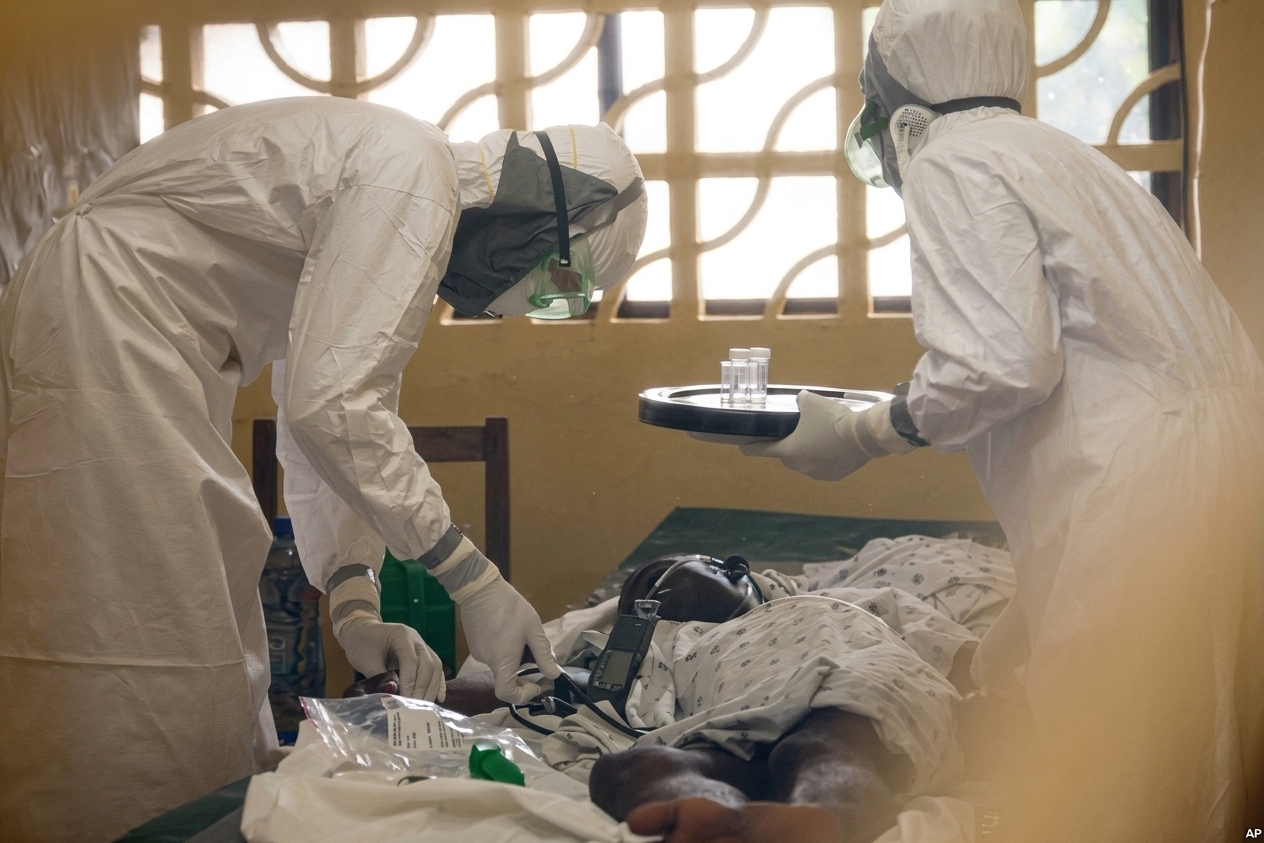
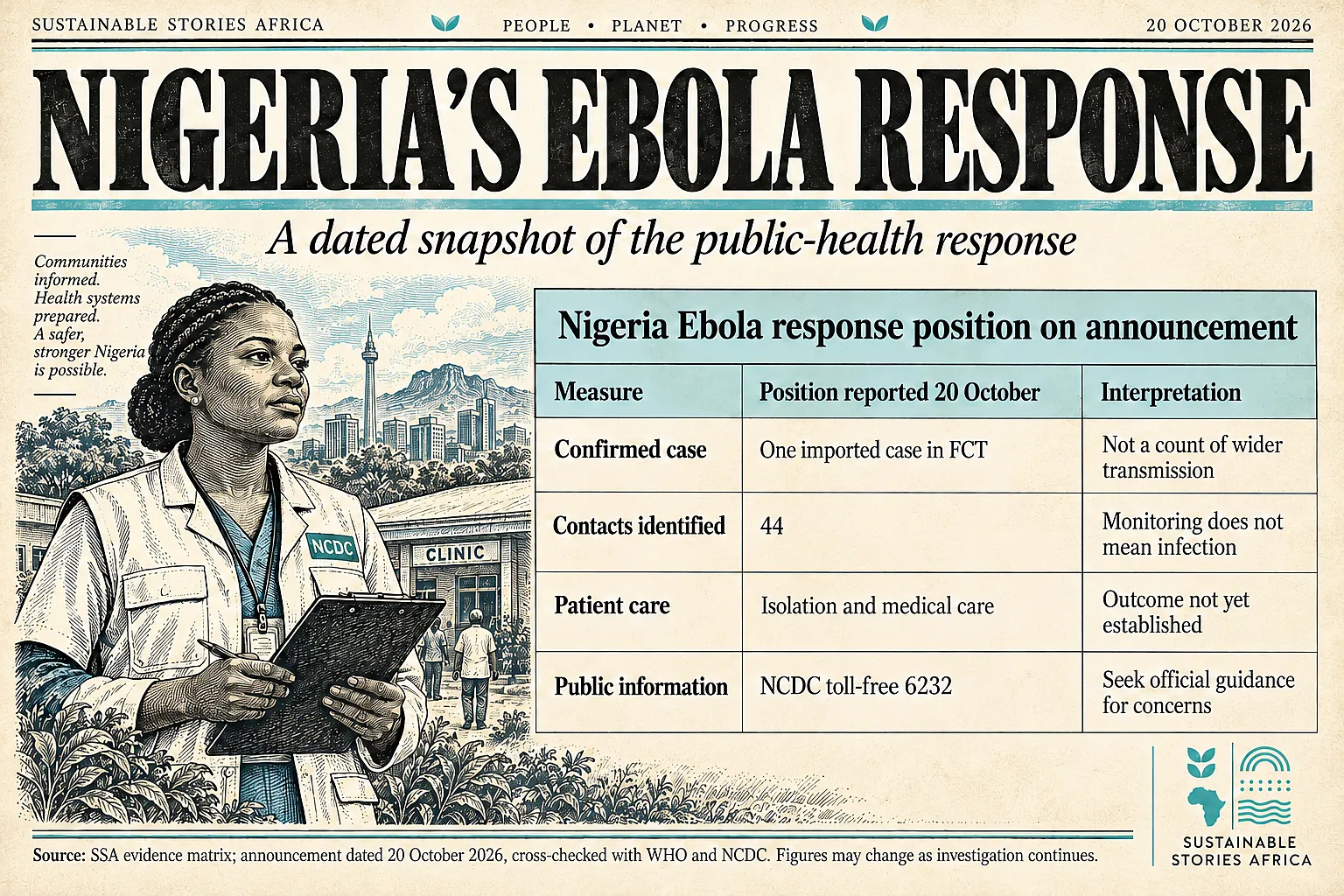
Authorities identified 44 contacts for monitoring, while the patient remained in isolation and received care.
Immediate priorities include rapid investigation, protecting health workers, and clear communication that helps people cooperate without fuelling rumours, stigma or unsupported assumptions about where infection occurred.
Confirmed case activates coordinated outbreak response
Nigeria confirmed one imported case of Ebola Bundibugyo virus disease in the Federal Capital Territory on 20 October, according to the World Health Organisation and a federal government statement published by Nigeria Health Watch.
- The patient is in isolation and receiving care, while authorities investigate possible exposures.
WHO reports that NCDC activated its incident management system and identified 44 contacts for monitoring.
- A contact is a person assessed for possible exposure; that number does not mean that 44 additional infections must be reported.
The announcement makes early detection and cooperation the immediate priorities.
- It does not establish widespread community transmission.
- Public reporting should distinguish confirmed findings, people being monitored and questions still under investigation, while preserving the patient’s privacy and avoiding details that do not contribute to an accurate understanding of the response.
Investigation must establish exposure and transmission
WHO’s 20 October release says the patient had recent travel history to Uganda, developed symptoms on 7 October and sought care at a private facility on 11 October.
- It says investigations are ongoing into the likely source of infection and full travel history.
Travel through a country should not be presented as proof that infection occurred there.
- The available official account leaves the source under investigation, and this article does not infer a nationality or precise acquisition location.
The federal statement directs health facilities to identify and promptly isolate suspected cases, reinforce infection prevention and control, and report concerns to public health authorities.
- These instructions place private and public facilities within the response.
- A coordinated system must recognise a possible case wherever a patient first seeks help and connect that facility with testing, advice and appropriate clinical support.
Trust helps people cooperate with response
The government statement explains that Ebola can spread through direct contact with infectious blood or body fluids and contaminated materials, and that people do not transmit it before symptoms begin.
- It asks people with possible exposure to seek advice, and those who become symptomatic to call for guidance before visiting a facility.
These messages must reach people in language they understand.
- Communication should help recognise what to do without implying that everyone with a common symptom has Ebola.
- Symptoms alone do not establish a diagnosis; assessment and testing belong within the public health response.
SSA’s analysis is that trust has an operational value.
- A person who fears being shamed may be less willing to describe travel, contacts or symptoms.
- Respectful communication and protection of confidential information can support investigation.
- Employers, community leaders and media organisations should avoid identifying or blaming people based on unverified connection to the case.
Preparedness needs supplies and consistent information
Health authorities and facility managers should ensure that response instructions can be implemented.
- A request for vigilance must be matched by practical reporting routes, appropriate protective equipment and staff who understand the escalation process.
- Essential care for other patients also needs continuity during the response.
WHO urges strong surveillance, laboratory readiness, rapid response capacity and infection prevention in public and private facilities.
- Its release advises against travel or trade restrictions with affected countries.
- The response should therefore follow official risk assessments rather than assumptions that broad restrictions are automatically required.
The public can support the work by cooperating when contacted, providing accurate information and using verified channels
Nigeria Health Watch’s published federal statement lists NCDC’s toll-free number, 6232, for information or suspected-case reporting.
Future updates will explain what has been confirmed, what has changed and what actions people should take.
Our approach supports vigilance while limiting uncertainty from rumours and stigma spreading.
- Facilities should communicate changes to patients and staff clearly, and avoid unnecessary disruption to routine services.
- Reliable explanations of what is being done and why can help maintain confidence while response teams carry out the investigation.
Support early reporting and trusted response
Nigeria’s immediate task is to care for the patient, complete contact investigation and prevent onward transmission.
Communities and health facilities can support that work through prompt reporting and cooperation.
Clear, dated updates and respectful handling of personal information are essential.
Discuss suspected exposure or symptoms through official public health channels, including NCDC on 6232.