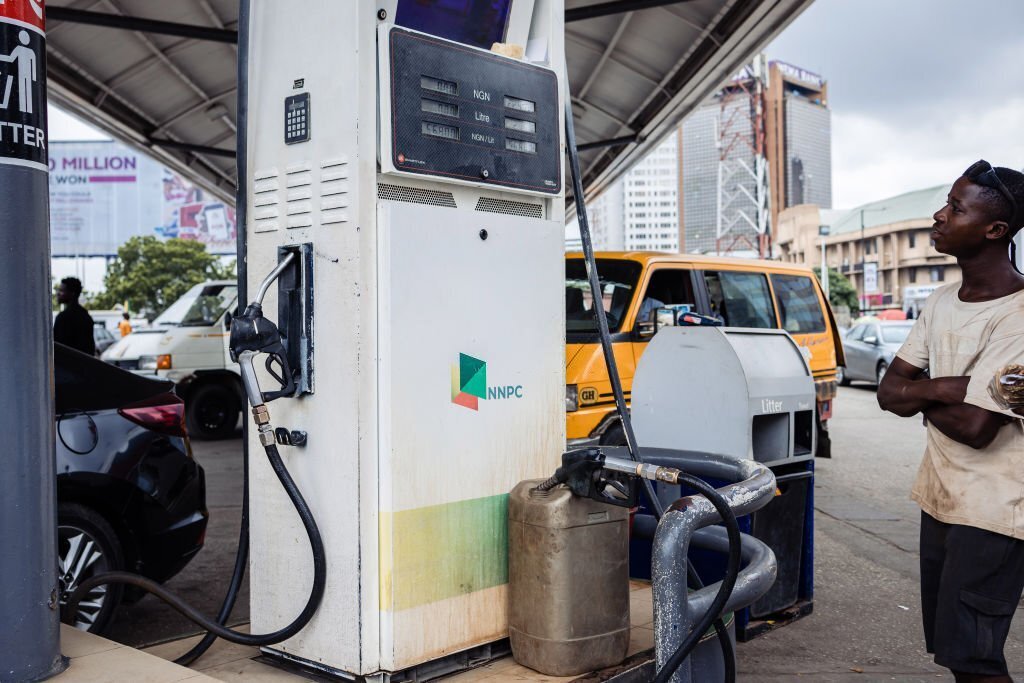
Nigeria’s temporary petrol relief debate is turning on how prices are calculated and who can verify the benefit.
In a News Central interview, energy expert Jide Pratt argues that a workable pricing system possesses transparent benchmarks and digital monitoring.
The challenge is to support transport operators and households while preventing opaque compensation arrangements from recreating earlier weaknesses.
Pratt puts transparency before price intervention
Nigeria’s proposed fuel price modulation system could work only with a transparent pricing window and reliable tracking of distribution and sales, energy expert Jide Pratt has argued in a News Central interview.
His intervention brings accountability into a debate often dominated by the pump price alone.
Pratt’s central point is practical.
- A mechanism that asks market participants to adjust prices over time needs an agreed starting price and evidence of actual transactions.
- Without those records, neither the public nor the parties financing relief can judge whether the promised benefit has reached consumers.
Relief proposal raises questions about implementation
News Central separately reported a proposed 30-day NNPC retail discount and priority for commercial transport operators.
Its reporting also describes government plans to set a ceiling on ex-gantry or landing costs.
- Pratt proposes identifying the margins along the supply chain and using a defined pricing window.
- He also discusses monitoring batches and retail sales to prevent participants from exploiting different price arrangements.
His proposed window is an analytical suggestion, not an announced government rule.
The distinction between a retailer accepting a smaller margin and a government financing the difference between market and controlled prices is important.
They create different obligations.
- A public explanation should show who absorbs the cost, how it is recorded and what happens when the arrangement ends.
- That is an implication of the debate, rather than a claim that a new subsidy liability has already been established.
Consumer benefits depend on measurable delivery
For a commercial driver, a lower advertised price matters only if the relevant outlet has stock and the saving outweighs the cost of reaching it.
For a passenger, the next question is whether reduced operating costs affect the fare.
- These examples illustrate the delivery chain; they are not findings from a new transport survey.
A credible assessment would therefore look beyond an announcement.
- It would compare actual prices and availability at participating outlets, examine eligibility rules and explain whether transport operators are expected to pass on savings.
- Different operators face different costs, so a pump-price adjustment cannot automatically be translated into an equivalent fare reduction.
SSA’s assessment is that transparency also protects a legitimate intervention from exaggerated expectations.
- A narrowly defined, temporary measure should be evaluated against its stated purpose.
- It should not be presented as a permanent solution to household hardship or as a guarantee that prices across the entire fuel market will converge.
Publish rules and verify consumer outcomes
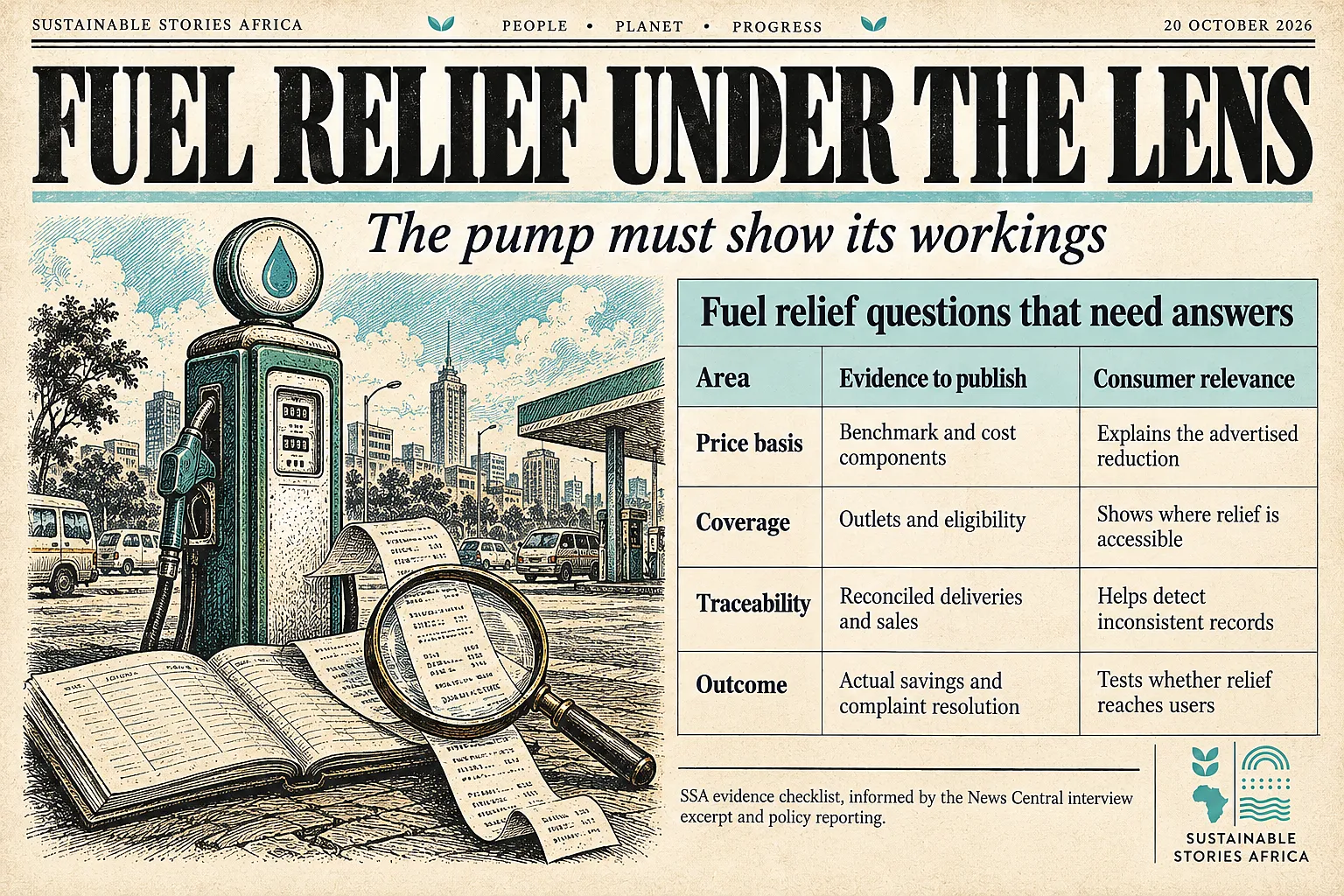
Government and NNPC should publish the operational terms of any retail relief measure in language consumers and operators can understand.
- These terms should specify participating outlets, duration, access conditions and the treatment of changing supply costs.
- Where public resources are involved, reporting should identify the amount and the accountable institution.
Pratt’s emphasis on digital monitoring points towards a broader governance question:
- Who can independently reconcile the records?
- Collecting data is useful only if discrepancies can be investigated and corrected.
- Information about dispatches, deliveries and sales should be consistent enough to support that process without exposing individual consumers’ private data unnecessarily.
Regulators should also maintain a route for complaints about misleading advertisements, unavailable stock or unclear eligibility.
- Publication of implementation results would allow the public to distinguish genuine savings from a discount that exists mainly in official messaging.
- The objective is practical relief supported by evidence, with responsibilities that remain clear when market conditions change.
An effective review would compare the stated purpose with the evidence collected during the relief period.
- It should identify implementation problems early, explain corrective action and preserve records that allow later scrutiny of the cost and benefit to the public.
- These records should remain accessible after the arrangement expires.
Path Forward – Make petrol relief transparent and verifiable
Nigeria’s next step should be a clear account of the relief mechanism, followed by evidence of delivery.
Pratt’s interview contribution makes monitoring and transparent benchmarks central to that task.
Public reporting should show who benefits, who pays and how the arrangement ends, while protecting consumers from misleading expectations.