South Sudan is seeking investment in water treatment and distribution as safe access remains constrained by infrastructure and institutional weaknesses.
Existing work in Bor shows how treatment capacity, solar power and flood-resilient design can be combined.
The financing challenge extends beyond construction: utilities need reliable operating income, technical skills and water-quality oversight if new assets are to deliver dependable public services.
Water investment agenda focuses on delivery
South Sudan is seeking greater support for water treatment and distribution infrastructure, according to an October 19 report by African Sustainability Matters.
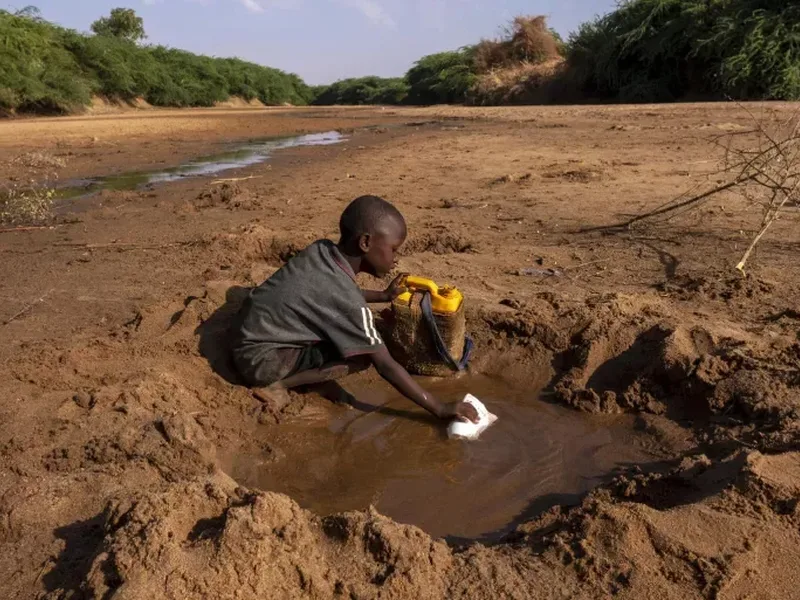
The report highlights persistent difficulties serving rural, flood-prone and displacement-affected communities.
The issue is not simply whether rivers or other water sources exist.
- Water has to be treated, monitored and delivered through a system capable of operating under difficult conditions.
- Infrastructure finance must therefore address institutions and recurrent costs alongside physical construction.
The supplied article does not announce a newly closed national financing package, a completed tender or a verified investment total.
- Its significance is the investment need it describes and the examples it identifies.
These distinctions matter for readers assessing whether an initiative is a proposal, an existing service or a project ready for financing.
Bor provides an existing infrastructure example
UNICEF’s November 2025 announcement describes the inauguration of the Bor Urban Water Supply System, implemented with government partners and support from the Netherlands and the Republic of Korea through KOICA.
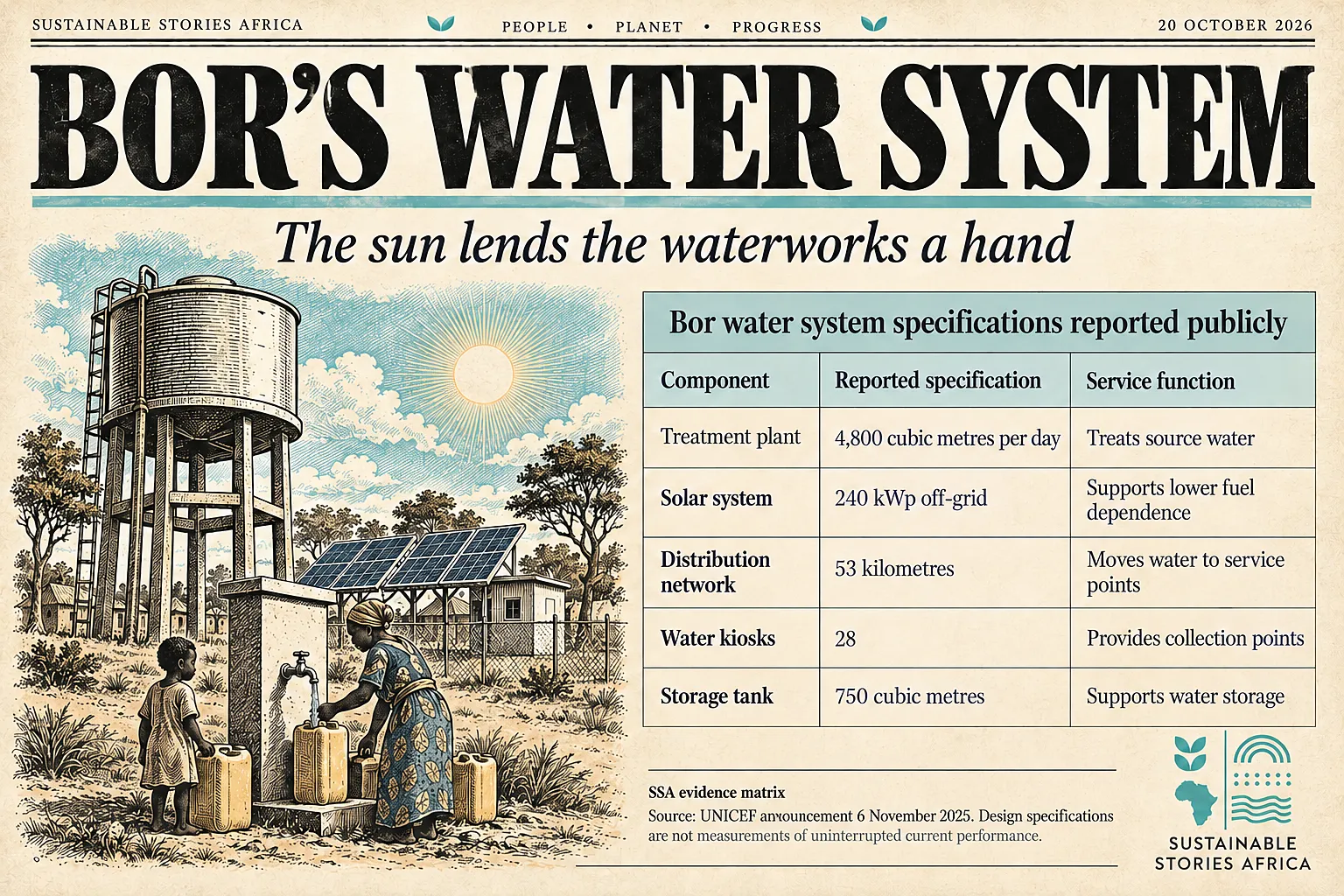
The system combines treatment, storage, distribution and off-grid solar power.
The table sets out selected technical specifications from that announcement.
- These are reported project characteristics, not a claim that the same design is appropriate everywhere in South Sudan.
- Local source-water quality, population patterns, flood exposure and maintenance capacity would influence other projects.
African Sustainability Matters also points to the importance of strengthening the local utility.
- That observation helps explain why a plant cannot be evaluated in isolation.
- Intake structures, treatment processes, pumps, distribution pipes and customer arrangements must function together.
If one part fails, a nominal treatment capacity may not translate into water available at the collection point.
Reliable services can ease everyday burdens
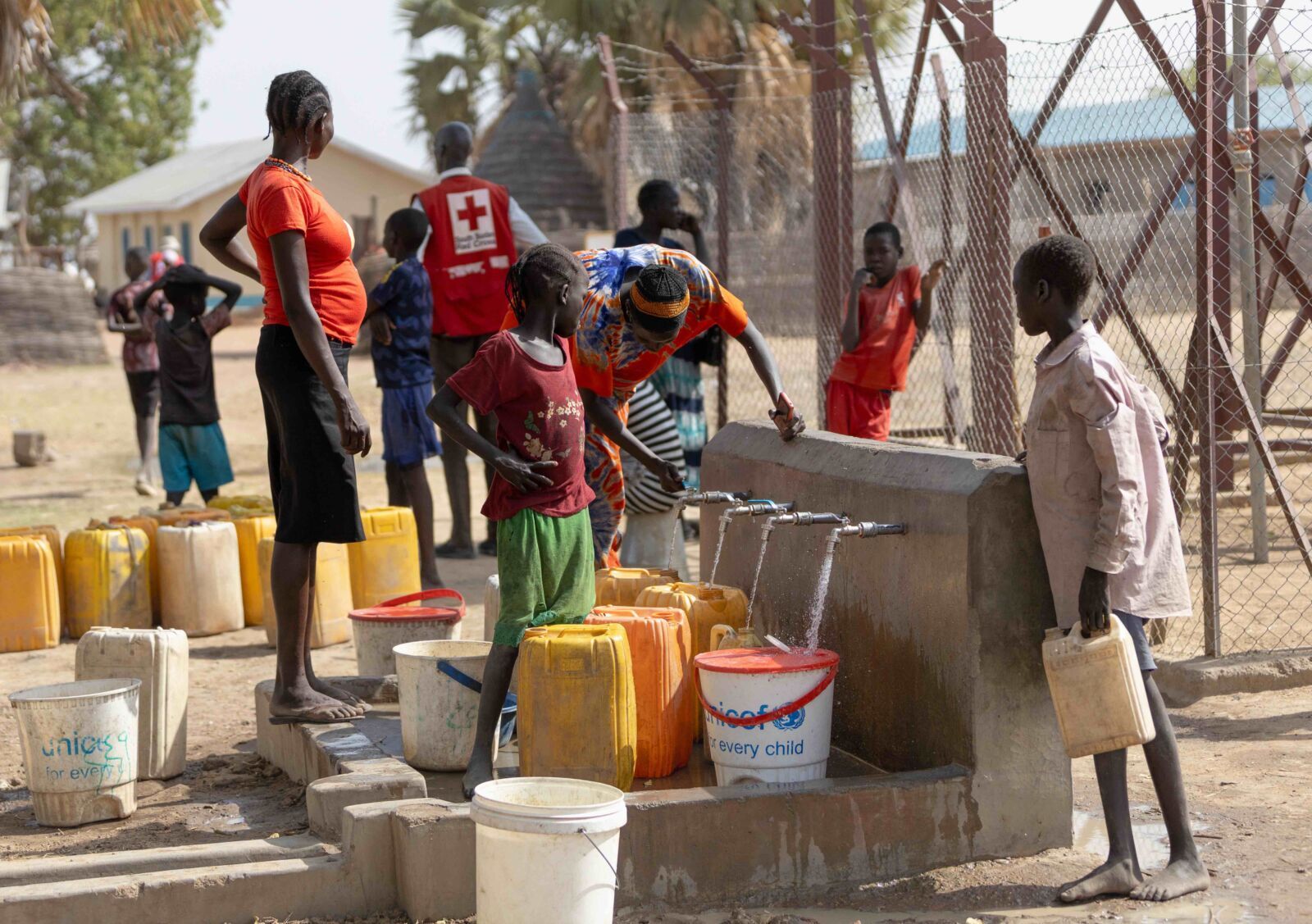
For a household, the value of an investment appears in the reliability and safety of the water it can collect.
- A new structure may be impressive while the service remains intermittent or unaffordable.
- Performance measures need to reflect that experience rather than the completion of civil works alone.
SSA’s analysis is that resilient design can protect both public health and the value of invested capital.
- Raising vulnerable infrastructure, planning for changing flood conditions and reducing dependence on uncertain fuel deliveries could help a system remain usable during disruption.
- The suitability and cost of each measure require project-specific assessment.
Solar power also needs an operating plan.
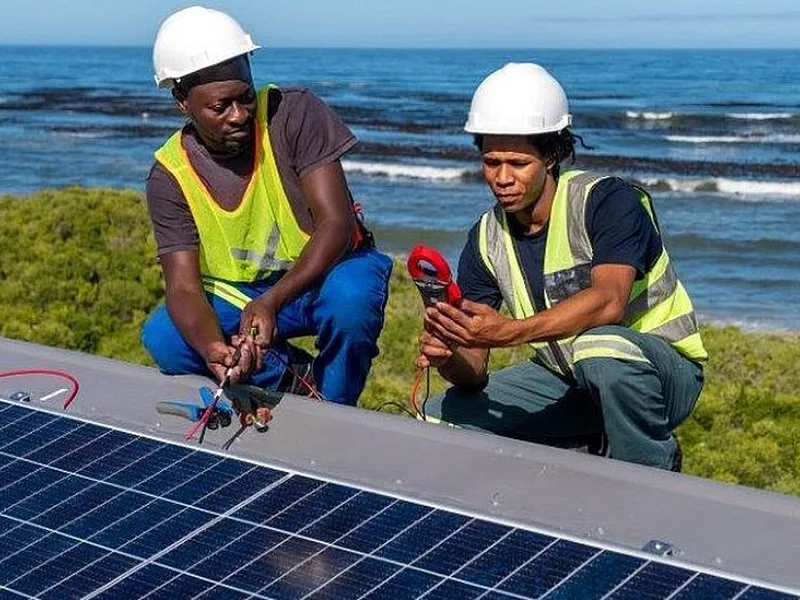
- Equipment has to be maintained, components replaced and staff trained. Savings in one cost category should not be treated as the elimination of all operating expenditure.
- A utility still needs resources for treatment materials, testing, repairs and administration.
Recognising these needs early can reduce the risk of a funded asset becoming an unreliable service.
Finance operations alongside new treatment capacity
Investors and development partners should ask how each proposed system will cover its full service life.
- A credible plan would identify responsibilities, expected revenues, support for vulnerable users and the arrangements for replacing equipment.
- It should also explain what happens if demand, costs or available finance differ from expectations.
Public authorities need transparent service standards and a practical way to enforce them.
- Water-quality information should be understandable, and users should know where to report interruptions or concerns.
- Community engagement can help identify access barriers that engineering calculations alone may miss.
Project selection should consider where treatment investment produces the largest dependable benefit, with clear attention to underserved populations.
- A centralised plant may work well in one setting while another approach works well elsewhere.
- The objective is safe, sustainable service, not reproducing a particular technology because it has attracted funding before.
For South Sudan, the opportunity is to connect infrastructure ambition with operational credibility.
- Existing examples can inform financing decisions, but they should be examined for lessons on implementation, costs and management rather than presented as proof that scaling will be straightforward.
- Transparent evaluation would help partners identify what to replicate and what to adapt to local conditions.
Report results over time, including interruptions and repairs, not at commissioning.
- That would help financiers understand whether a design delivers the reliability assumed in its economic and public health case.
Path Forward – Invest in systems that keep working
South Sudan’s water investment agenda should pair treatment capacity with the finance and skills required to sustain service.
Existing projects offer useful evidence, provided their context and limits remain visible.
Reliable water-quality monitoring, resilient design and accountable utilities can help ensure that new capital reaches households as dependable, safe water.
Culled from: South Sudan seeks investment in water treatment plants to expand safe water access - African Sustainability Matters