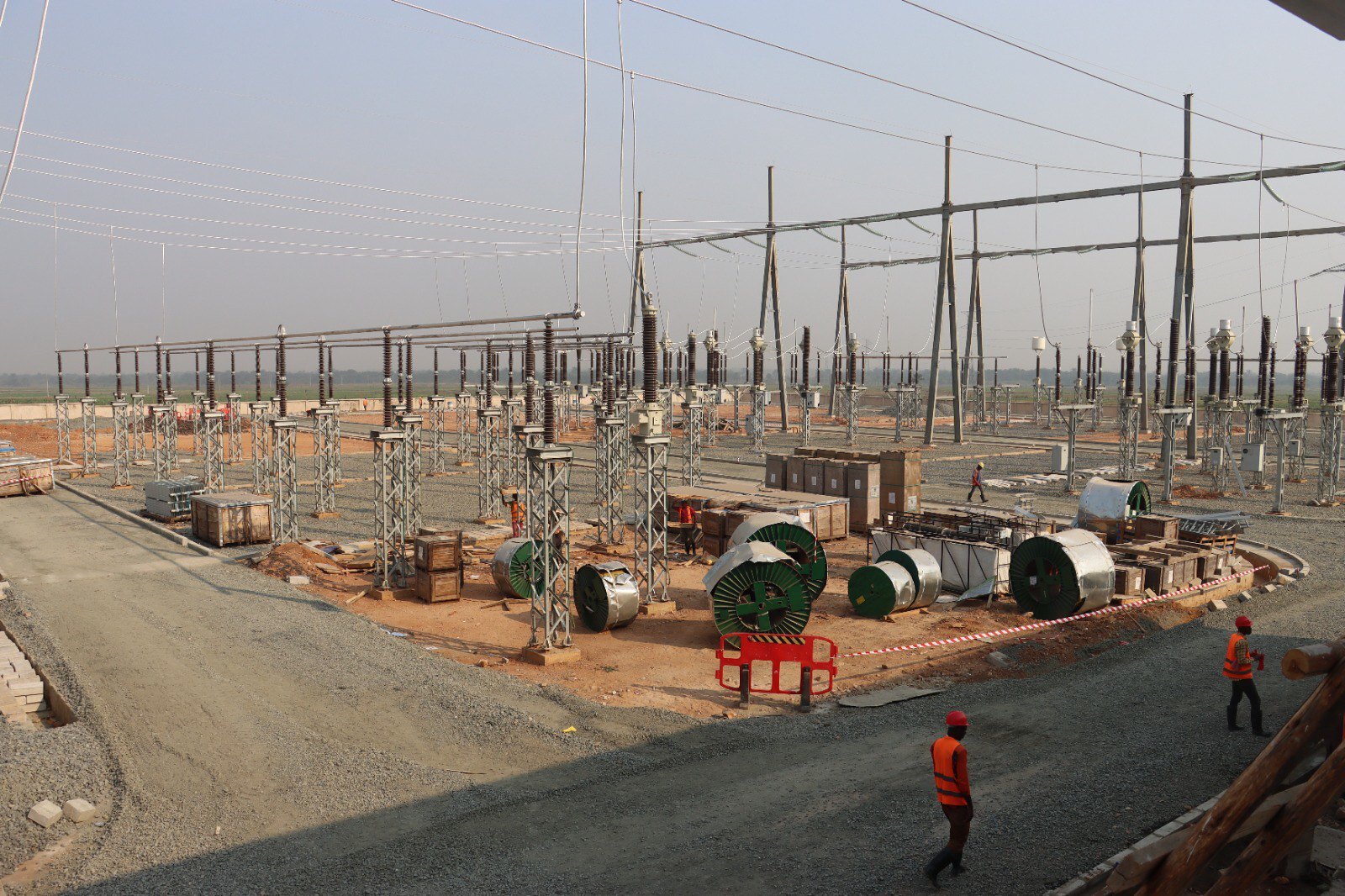
Burundi has signed a 25-year electricity distribution partnership with Weza Power, backed by a planned $1.4 billion financing structure.
The project aims to extend service to millions through new connections and network upgrades, not generation investment alone.
Its development impact will depend on affordable tariffs, dependable supply and transparent performance reporting as the promised infrastructure is built and services are established.
Burundi signs major electricity distribution partnership
Burundi and Weza Power, an Anzana Electric Group company, signed a 25-year public-private partnership on 15 October to expand electricity distribution, according to the company’s announcement and a government notice.
The planned $1.4 billion programme plans to increase in access in a country where most people remain outside the grid.
- The agreement assigns Weza responsibility for investing in and operating distribution infrastructure in roughly half the country.
- REGIDESO will retain national transmission and distribution responsibilities elsewhere.
This division makes coordination between the two operators central to delivery.
For households and businesses, the importance is straightforward: electricity must reach the place where it is needed.
- A power station can add national capacity while a village, workshop or clinic remains unconnected.
- The partnership seeks to address that missing distribution link, although its targets remain commitments to be delivered rather than completed results.
Connection targets set a demanding benchmark
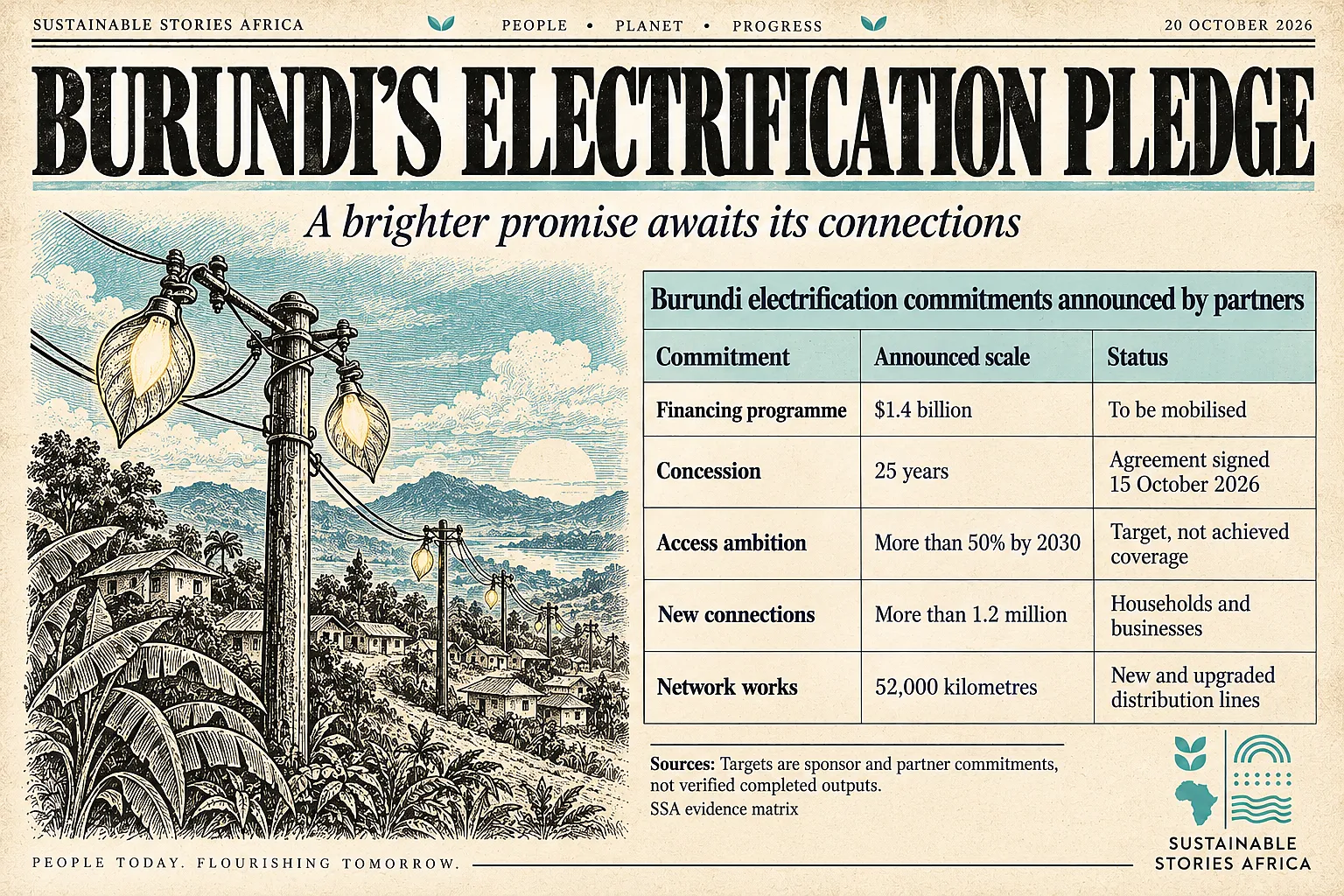
Gridworks, an investor in Anzana, says the programme is designed to raise electricity access from around 15% to more than 50% by 2030.
- Its published targets include providing electricity to 8 million people receiving first-time or improved access and more than 1.2 million household and business connections.
Anzana describes the financing structure as combining commercial and concessional capital without increasing public debt.
- That statement is the sponsor’s description; it does not remove the need to examine contractual obligations, affordability and any risks retained by public institutions.
President Évariste Ndayishimiye presents electrification as part of the country’s economic transformation agenda.
- Anzana chief executive Brian Kelly links the agreement to investment and retaining greater economic value locally.
Those ambitions will need to be assessed against the sequence of financing, construction and actual service delivery.
Reliable supply can widen productive opportunities
The potential benefits extend beyond lighting.
- Dependable electricity could make it easier for a small business to operate machinery, preserve products or use digital services.
- A health facility could gain a more reliable basis for equipment and storage.
These are prospective benefits, not measured outcomes of the new concession.
The quality of access matters as much as a connection count.
- A household may be connected but unable to afford regular consumption.
- A business may still need backup power if service is unreliable.
- Monitoring should therefore distinguish new connections from active users and record whether supply supports the activities customers expect to undertake.
SSA’s analyses that the project offers an opportunity to align commercial delivery with public service goals.
- That requires clear standards for connection costs, service quality and the response to faults.
- Communities should understand when work is expected, how construction affects land or livelihoods and where complaints can be raised.
- Consultation can identify problems before they become expensive disputes.
Implementation needs financing discipline and oversight
The immediate priority is to turn the concession into a transparent implementation programme.
- Public authorities and the operator should explain the stages of financing and construction, identify dependencies and publish performance against agreed milestones.
- A financing ambition should not be confused with money already disbursed or infrastructure already energised.
Tariff design deserves particular attention.
- Investors need a credible basis for maintaining the network, while customers need bills they can understand and afford.
- Any support for vulnerable users should have an explicit funding source and a clear eligibility process.
Unfunded promises can undermine both service quality and public confidence.
Coordination with REGIDESO should cover operational interfaces, planning and responses to supply constraints.
- Distribution expansion cannot guarantee sufficient power at every hour.
- Worker safety, access to land and environmental responsibilities also need to be built into procurement and construction oversight.
For Burundi, the test is whether a long concession produces a durable public service.
- Regular disclosure of active connections, outages, affordability and complaint resolution would give citizens a stronger basis for judging progress than headline investment figures alone.
A published sequence of connection areas and service milestones would also help schools, clinics and firms plan complementary investment.
Customers need credible information before making purchases or commitments that depend on a future electricity supply.
Path Forward – Turn signed commitments into dependable electricity
Burundi’s partnership should now be judged through financing milestones, usable connections and reliable service.
Government oversight and operator accountability need to develop alongside the physical network.
Clear tariffs, community engagement and published performance can help ensure that expanded access supports livelihoods and public services over the concession’s full life.