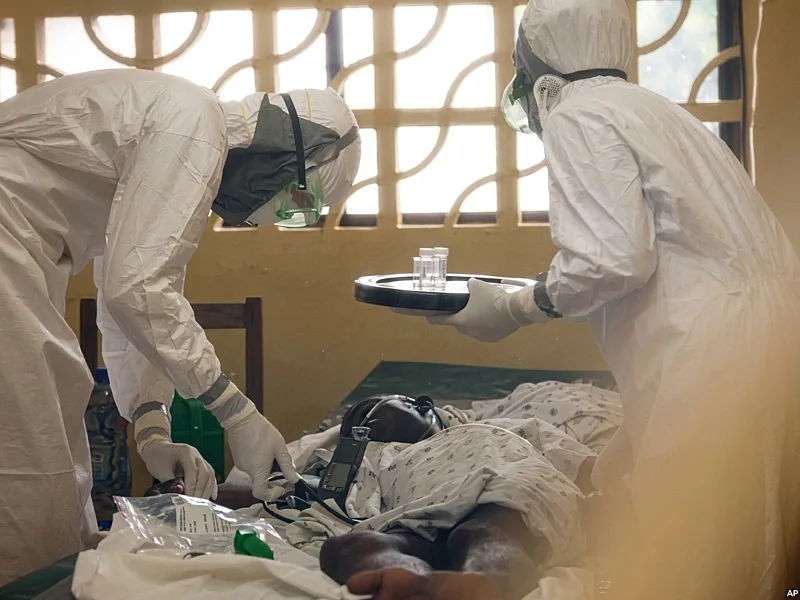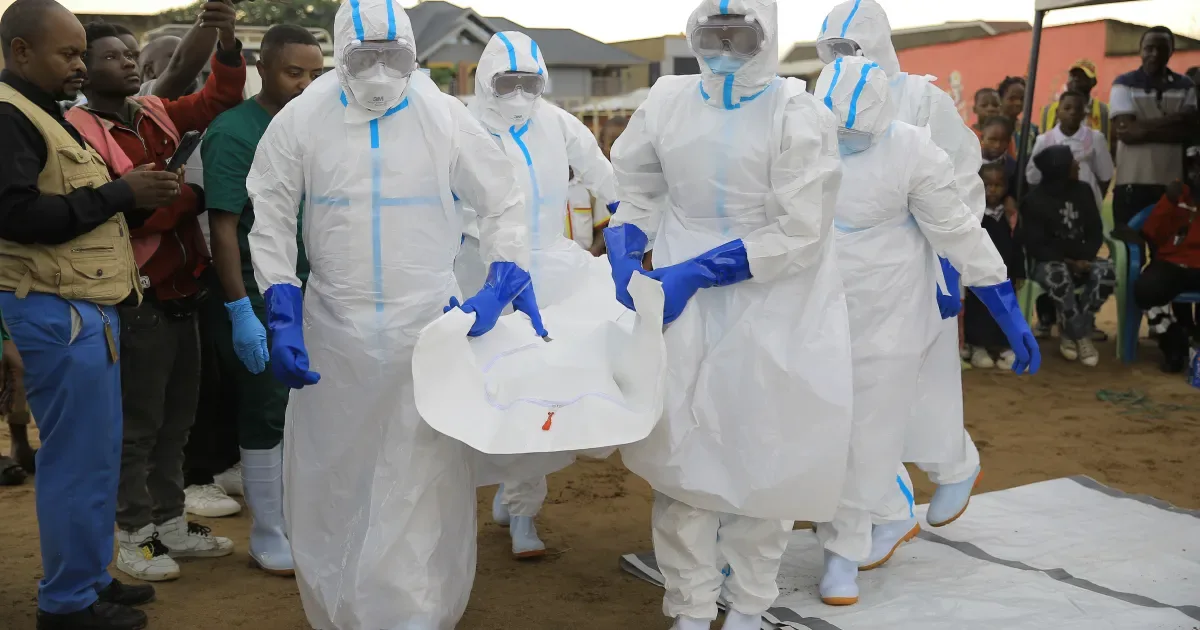
Africa CDC has called for greater transparency over approximately $962 million disbursed by international donors to organisations implementing Ebola response activities in the Democratic Republic of Congo.
The agency says international partners have not provided complete information.
The dispute highlights the importance of accountable health financing, government coordination and public confidence during disease emergencies.
Transparency Questions Surround Ebola Response Funding
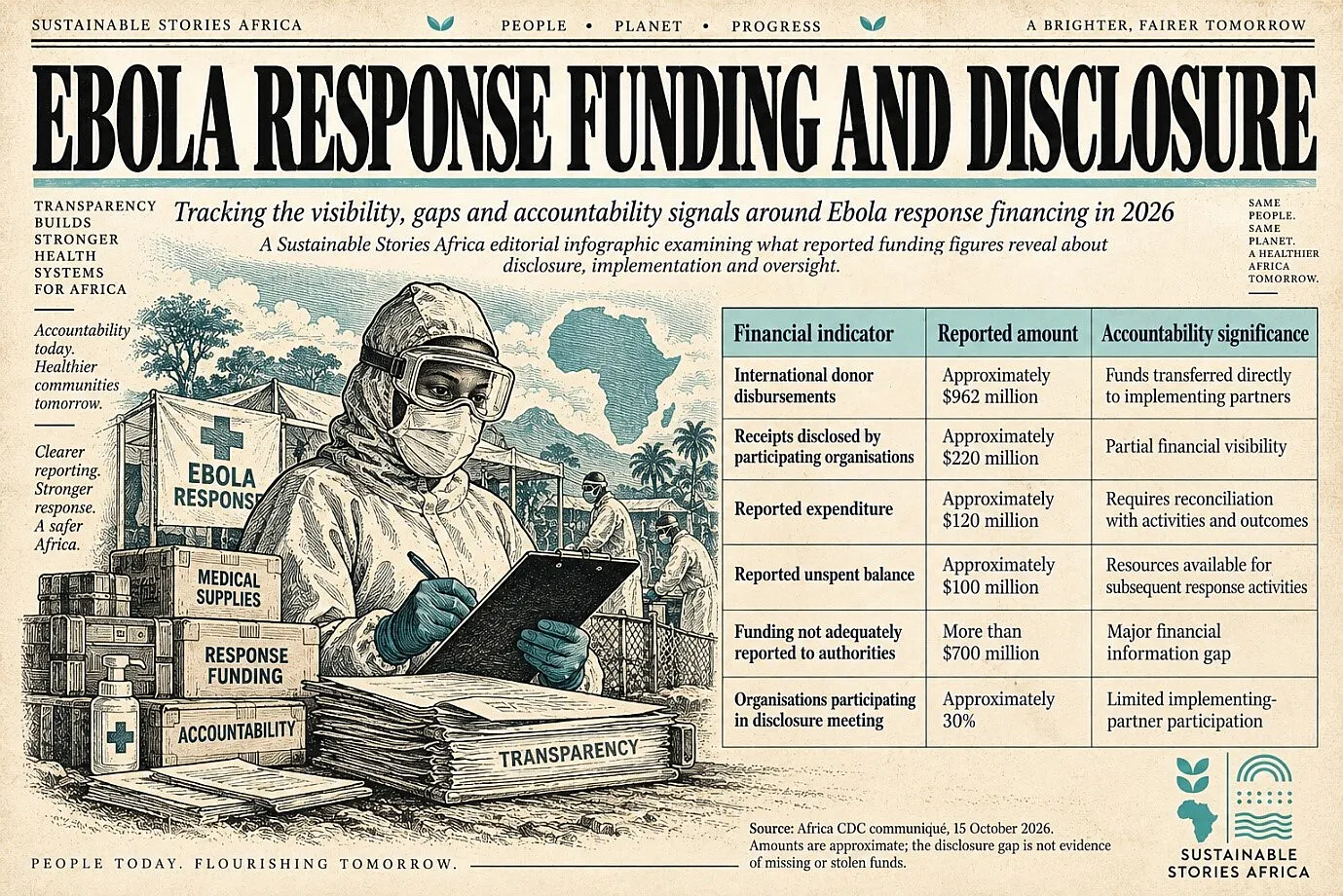
Africa's leading public health institution has raised serious concerns about the transparency of international Ebola response financing in the Democratic Republic of Congo (DRC), reporting that national authorities lack a comprehensive account of approximately $962 million disbursed to organisations implementing outbreak-response activities.
In a statement issued on 15 October 2026, the Africa Centres for Disease Control and Prevention (Africa CDC) clarified remarks made by its Director-General, Dr Jean Kaseya, during a press conference in Kinshasa on 14 October.
The agency emphasised that the funds were transferred directly to international organisations and non-governmental organisations, rather than to the Congolese government.
This distinction is central to the dispute.
- Africa CDC is questioning whether implementing partners have adequately disclosed their receipts, spending and remaining resources to the national authorities responsible for coordinating the response.
The statement does not establish that the funds were stolen or misappropriated.
- Instead, it identifies substantial gaps in financial disclosure and reconciliation.
Financial Reporting Gaps Complicate National Oversight
According to Africa CDC, at a coordination meeting organised through the DRC's National Institute of Public Health, with support from the agency's country director, Dr Hyppolite Kalambay, only about 30% of the organisations concerned attended.
Those that attended reported receiving approximately $220 million.
- Of that sum, they noted that $120 million had been spent on response activities, while $100 million remained available for implementation.
However, financial information amounting to more than $700 million is yet to be fully communicated to national authorities.
This is a significant governance problem for any public health emergency.
- Disease-response funding must support surveillance, laboratory testing, protective equipment, treatment, community engagement and other operational requirements.
- Without consolidated financial records, decision-makers may struggle to identify overlapping expenditures, unmet needs or underfunded locations.
Stronger Accountability Can Protect Vulnerable Communities
Transparent financing is not merely an accounting exercise.
- It affects how effectively national institutions can respond to emergencies and protect communities.
When funding information is fragmented across multiple organisations, governments may find it difficult to match available resources with operational priorities.
- Conversely, coordinated financial disclosure allows institutions to identify shortages, assess programme effectiveness and direct assistance toward communities experiencing the greatest risk.
Africa CDC's position also reinforces a wider principle of African health sovereignty: international cooperation should strengthen, rather than bypass, national coordination systems.
- For development partners, stronger disclosure can demonstrate that resources are being used effectively.
- For affected populations, greater accountability can support confidence that emergency assistance is reaching those who need it.
Africa CDC Calls For Financial Reconciliation
Africa CDC has committed to working with the Congolese government to establish a comprehensive reconciliation of donor resources.
- The proposed process would identify allocations to individual organisations, expenditures, remaining balances, financed activities and corresponding results.
The agency has also expressed support for administrative or regulatory measures, consistent with national laws and applicable procedures, against organisations that persistently refuse to meet transparency obligations.
- These measures could extend to the suspension or withdrawal of operating authorisations.
Importantly, effective oversight should distinguish incomplete reporting from demonstrated misconduct and provide opportunities for organisations to reconcile their records.
Path Forward – Transparent Financing Strengthens Africa's Health Sovereignty
The immediate priority is a comprehensive and verifiable financial reconciliation involving donors, implementing organisations and Congolese public health authorities.
Beyond this emergency, Africa CDC's intervention demonstrates why transparent reporting, national leadership and measurable outcomes must become standard features of African health financing.
Public health partnerships can only command lasting confidence when their resources and results remain open to scrutiny.