The African Development Bank is backing efforts to strengthen electricity regulation across Africa.
The initiative focuses on tariff setting, regulatory capacity and peer learning among power-sector institutions.
For households and investors, better rules could mean fairer prices, stronger utilities and more reliable electricity.
Better Rules Become Africa’s Power Priority
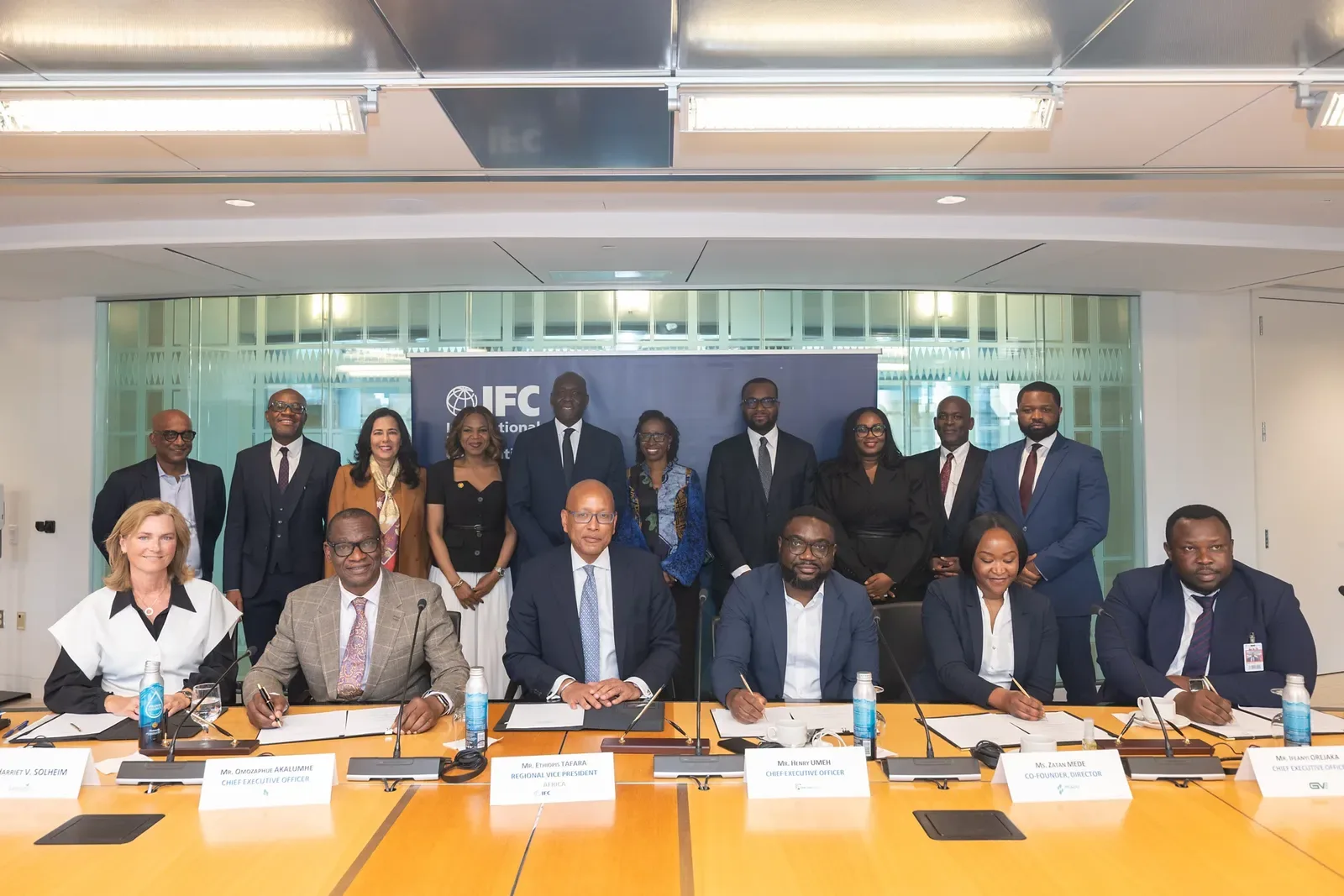
The African Development Bank has stepped up support for stronger electricity regulation across Africa, partnering with Kenya’s Energy and Petroleum Regulatory Authority to convene a peer-learning session in Nairobi for national regulators, utilities, regional institutions and development partners.
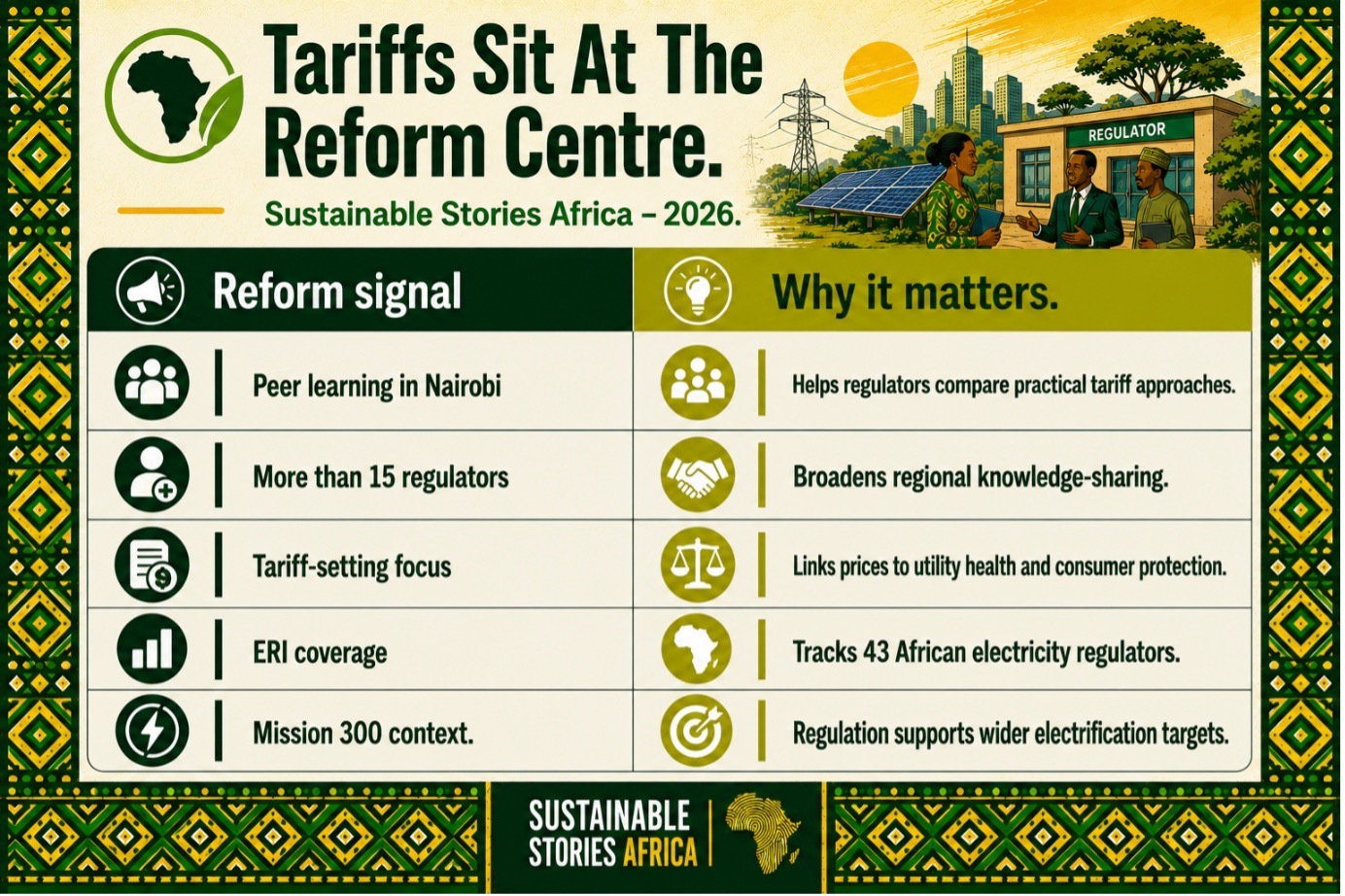
The session brought together more than 15 national regulators and focused on improving tariff-setting frameworks, strengthening regulatory capacity and supporting a more predictable environment for electricity investment.
The move matters because Africa’s electricity challenge is not only about generation. It is also about the rules that determine tariffs, utility viability, private investment, consumer protection and whether new power projects can reach financial close.
Tariffs Sit At The Reform Centre
Electricity tariffs are the singular most sensitive parts of Africa’s energy transition.
- If they are too low, utilities struggle to recover costs and maintain networks.
- If they rise too quickly, households and small businesses face higher bills.
The AfDB’s support is therefore focused on regulation that balances affordability with financial sustainability.
The Bank’s Electricity Regulatory Index for Africa 2024 covers 43 countries with established regulators and assesses governance, regulatory substance and outcomes, providing a tool for identifying reform gaps.
Strong Regulation Can Unlock Investment
For communities, regulation may sound distant, but its effects are immediate.
- Poor rules lead to delayed connections, poor service quality, unpaid utilities and stalled renewable projects.
- Better rules can support a reliable supply, clearer tariffs and stronger accountability.
This also connects to Mission 300, the AfDB–World Bank initiative to connect 300 million people in Sub-Saharan Africa to electricity by 2030.
The initiative aims to mobilise at least $90 billion, with countries expected to reform electricity utilities, integrate renewables and raise access targets.
Reform Must Protect Consumers Too
The risk is that tariff reform becomes narrowly framed as cost recovery. That would miss the wider social contract.
Power-sector regulation must also protect low-income consumers, improve service reliability and make utilities more accountable for performance.
- For policymakers, the next step is to publish clear tariff methodologies, improve utility data, strengthen independent regulators and protect vulnerable households through targeted support.
- For investors, stronger regulation can reduce uncertainty.
- For citizens, it can make electricity markets more transparent.
The ESG test is whether regulation can eventually improve affordability, reliability, governance and clean-energy investment.
Path Forward – Regulate Better, Power More People
Africa’s electricity reforms must connect investor confidence with consumer protection, utility accountability and clean-energy access.
If stronger regulation supports fair tariffs, better data and credible institutions, it can help unlock finance, expand reliable power and advance sustainable electricity markets across the continent.
Press Release: African Development Bank Backs Efforts to Sharpen Africa’s Electricity Regulations | Africa Energy Portal