Montage Gold plans to combine grid electricity with a 22 MWp solar plant at its Koné gold project in Côte d’Ivoire.
The move matters as African mines face rising pressure to lower costs, secure reliable power and reduce emissions.
For workers, communities and investors, cleaner mining power could reshape how gold projects are financed, operated and judged.
Solar Power Enters The Mine Gate
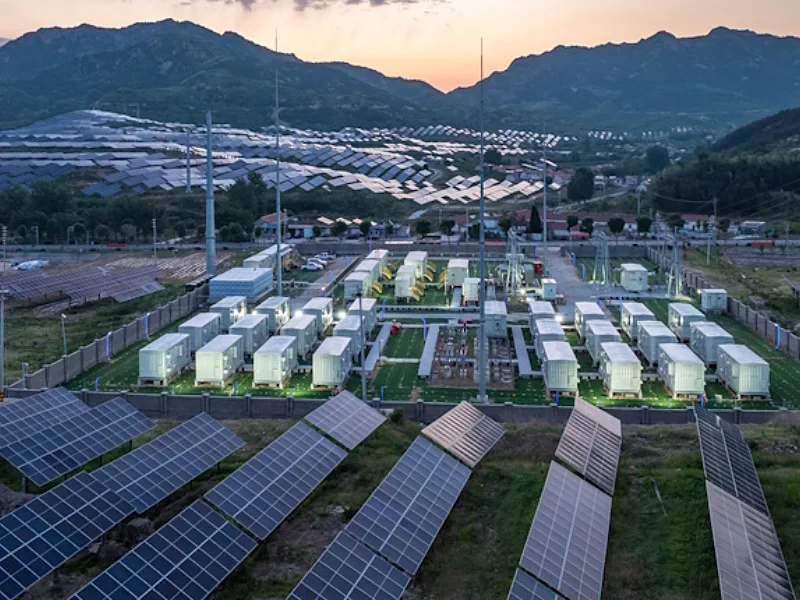
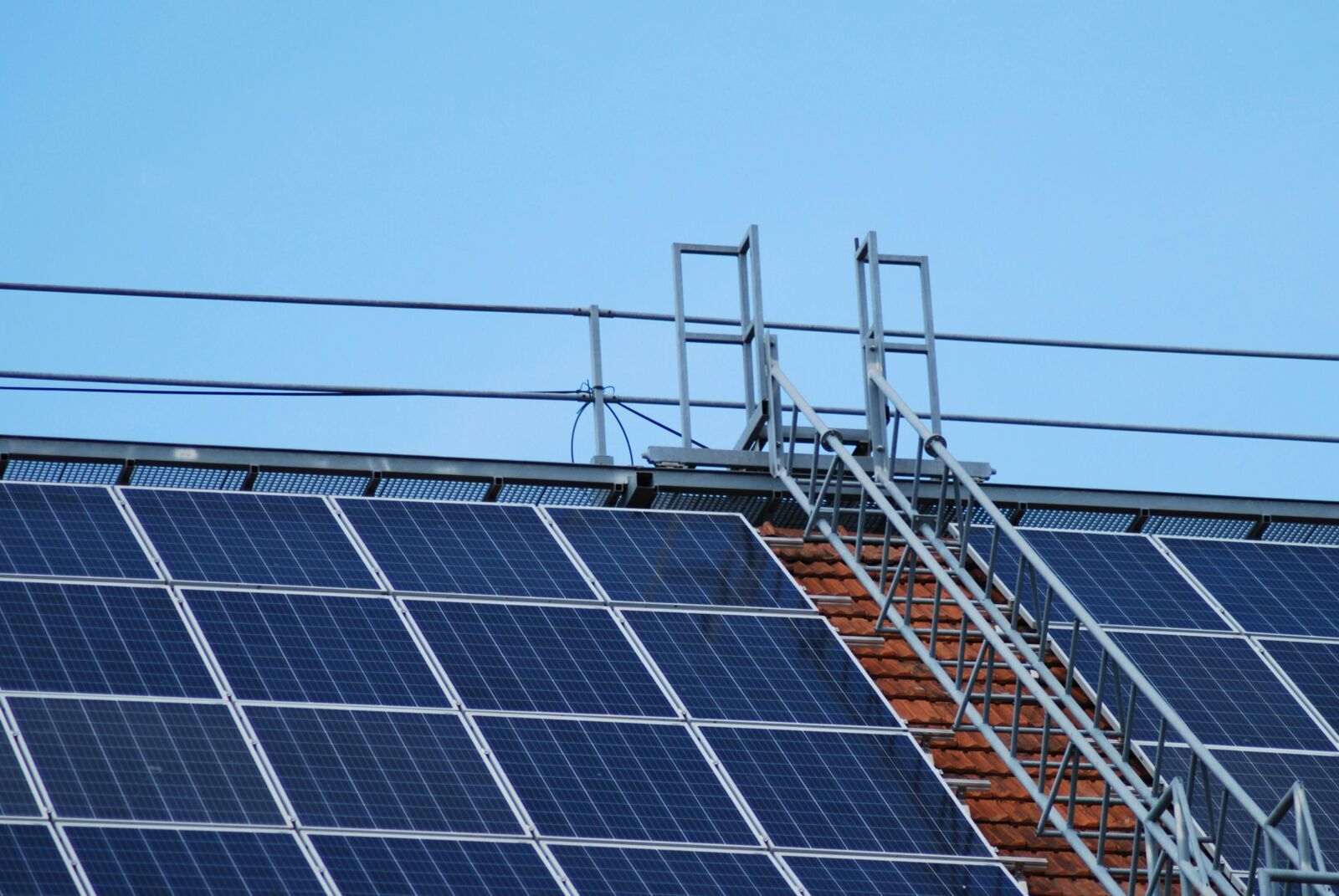
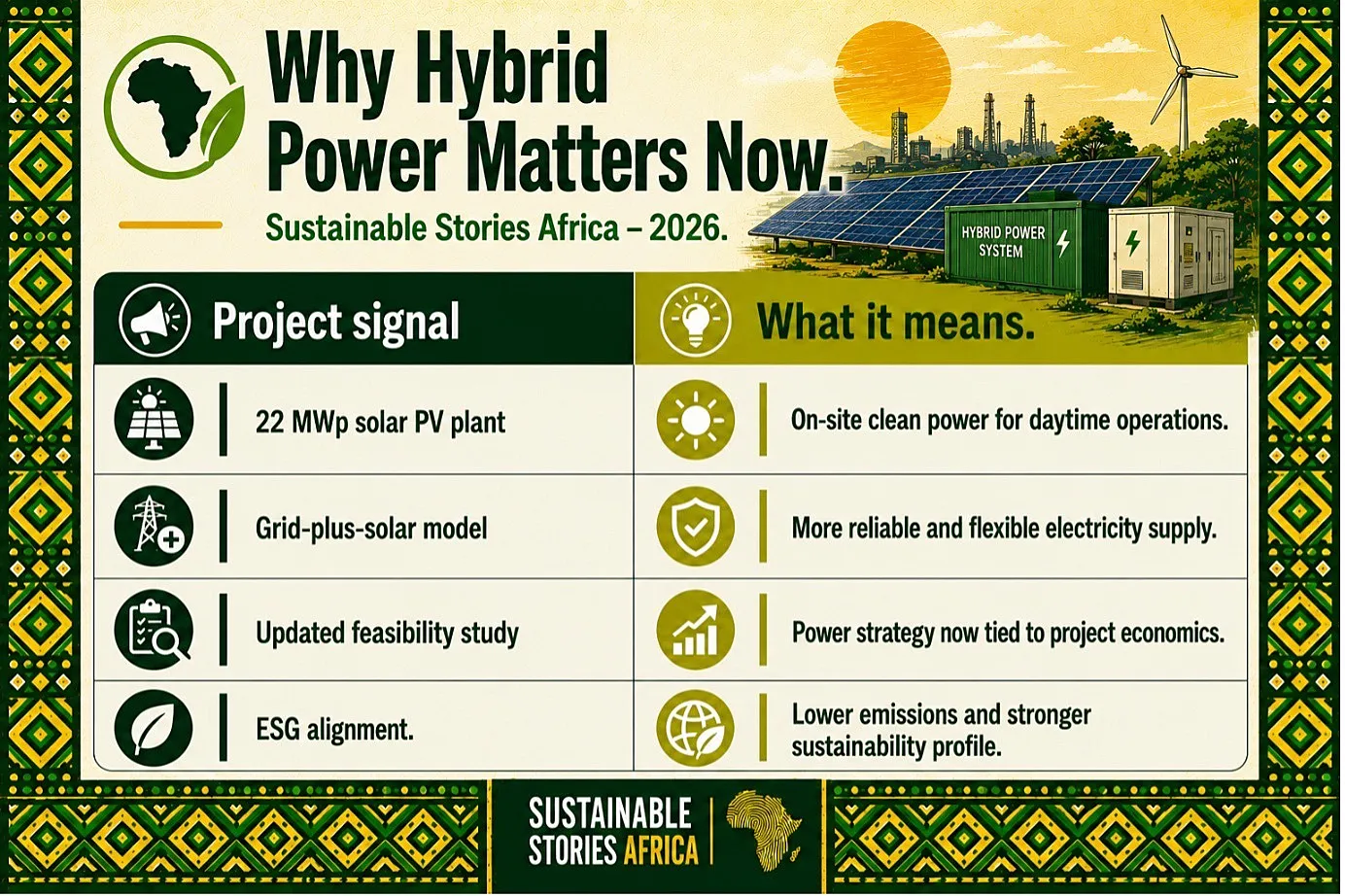
A major gold project in Côte d’Ivoire is putting renewable energy at the centre of its mining strategy, with Montage Gold outlining a hybrid power plan that combines national grid electricity with a dedicated 22 MWp solar photovoltaic plant at the Koné project.
According to SolarQuarter, this is part of the company’s updated feasibility work for the project.
The model is simple but consequential: use the grid for base supply, use solar during daylight hours, and reduce exposure to electricity cost swings while cutting the project’s carbon footprint.
In an industry where power ranks amongst the highest operating costs, the decision signals that mining companies are beginning to treat clean energy not as charity, but as core infrastructure.
For Côte d’Ivoire, one of West Africa’s important gold-producing economies, the Koné strategy adds another layer to the country’s wider energy transition story.
Why Hybrid Power Matters Now
Mining is energy-intensive. Crushers, mills, pumps, ventilation systems, worker camps and processing plants need stable electricity every day.
When supply is unreliable or expensive, mine costs increase quickly, and emissions also increase when operators rely heavily on diesel backup.
Montage Gold’s approach aims to reduce that risk by blending grid power with on-site solar generation.
According to SolarQuarter, the solar plant is expected to generate electricity during daylight hours, helping optimise energy consumption and manage costs.
The wider market context is important. Côte d’Ivoire has been expanding its renewable energy ambitions, including solar projects to support its target of reaching 45% renewable energy in the power mix by 2030.
That makes Koné more than a mine-level decision. It reflects a significant shift: African industrial projects are increasingly being judged by how they secure power, manage emissions and protect communities from the hidden costs of extractive development.
Desire: Cleaner Mining Can Unlock Value
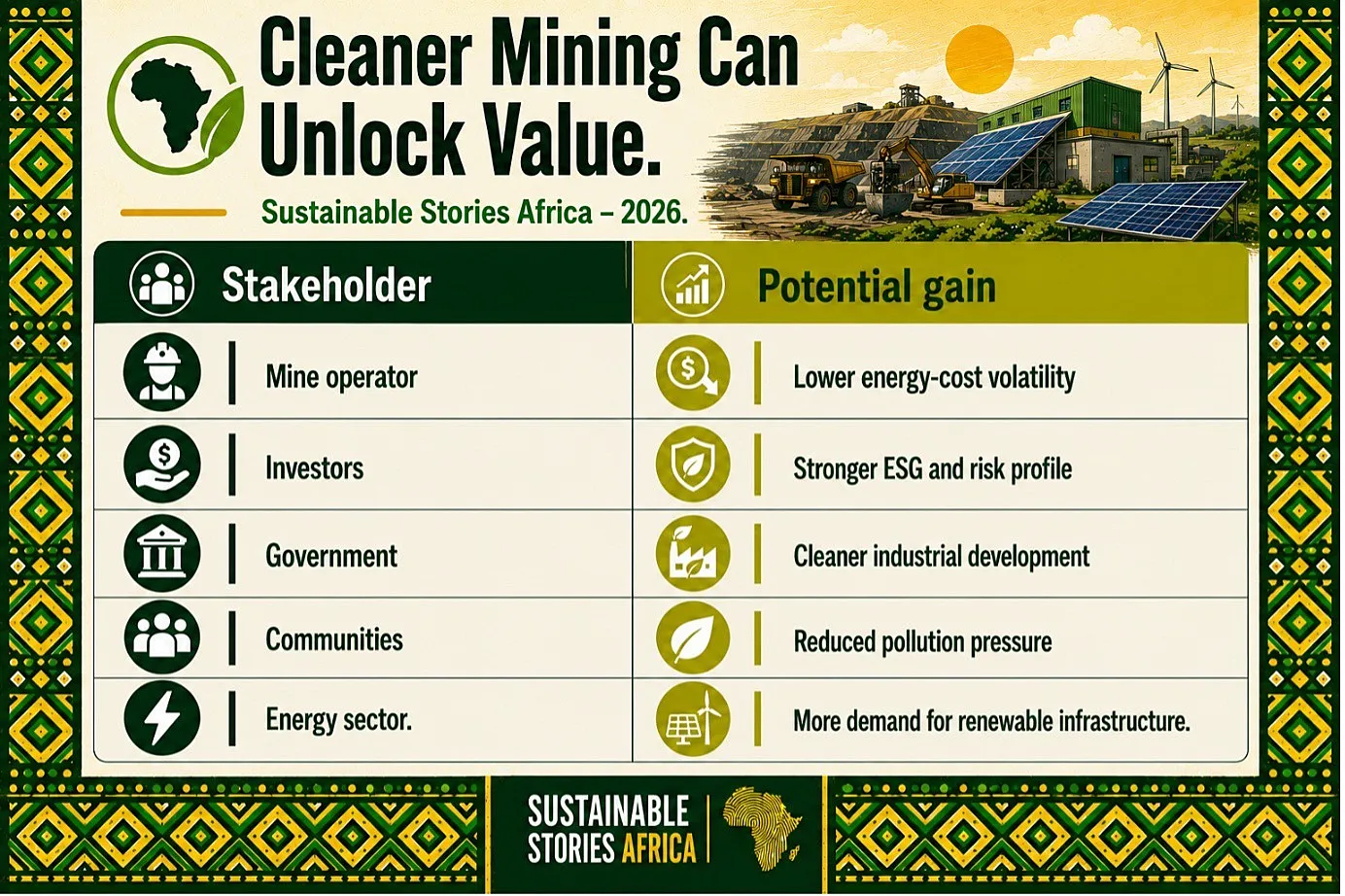
If implemented well, the hybrid model could create benefits across the mining value chain.
- For the company, it can reduce operating-cost risk.
- For investors, it can improve project bankability.
- For regulators, it offers a cleaner template for mining approvals.
- For nearby communities, it can reduce the environmental burden associated with fuel-heavy operations.
SolarQuarter’s report also frames the approach alongside water-management measures, positioning it as part of broader sustainable mining practice rather than a stand-alone energy upgrade.
The risk, however, is that clean-power announcements become branding exercises without transparent delivery.
Mines must show measurable emissions reductions, clear local benefits, credible procurement and responsible land-use practices.
A solar plant can reduce carbon intensity, but it cannot, by itself, solve labour, biodiversity, water or community rights concerns.
Make Clean Mining Accountable
The Koné project’s power strategy should push African mining regulators, financiers and operators to raise the standard for what “sustainable mining” means.
- Governments should require clearer disclosure on mine energy sources, emissions baselines, community safeguards and water use.
- Investors should reward projects that link renewable power to measurable ESG outcomes.
- Mining companies should publish practical progress updates, not just feasibility promises.
Côte d’Ivoire’s opportunity is to turn projects like Koné into proof that mineral development and cleaner infrastructure can advance together.
That requires transparent rules, stronger local participation and financing models that enable renewable power to become standard across African mining, rather than an exception reserved for flagship projects.
Path Forward: Turn Cleaner Power Into Standards
Koné’s hybrid solar-grid strategy can strengthen ESG credibility if it delivers lower costs, reduced emissions and clearer community safeguards.
The next priority is accountability: measurable targets, transparent reporting and stronger regulation.
If Côte d’Ivoire gets this right, clean power could become a baseline requirement for future African mining projects.
Culled From: Hybrid Solar-Grid Power Strategy Drives Sustainability At Koné Gold Project In Côte d’Ivoire - SolarQuarter